
Beauty Unlocked
Thin Skin: Symptoms, Causes, and Treatment
Jun
Thin skin is exactly what it sounds like: skin that has become more delicate, fragile, and easier to bruise or tear. It often shows up on the hands, forearms, face, neck, and lower legsthe body parts that have spent years bravely facing sunlight, soap, weather, bumps, and the occasional cabinet corner that apparently jumped out of nowhere.
While thin skin is common with aging, it is not just a “getting older” issue. Sun exposure, genetics, long-term corticosteroid use, smoking, dehydration, certain medical conditions, and harsh skin-care habits can all make skin thinner or more fragile. The good news? You may not be able to rewind your skin like a movie, but you can protect it, support it, and reduce cuts, bruises, dryness, and tears.
This guide explains the symptoms, causes, treatment options, prevention tips, and real-life care habits that can help thin skin behave less like tissue paper and more like the protective shield it was born to be.
What Is Thin Skin?
Thin skin happens when the outer and deeper layers of the skin lose some of their strength, thickness, elasticity, and cushioning. Healthy skin has several layers, including the epidermis on the surface, the dermis beneath it, and a layer of fat below that helps absorb impact. Over time, the epidermis can become thinner, collagen and elastin can break down, and the fatty layer under the skin can shrink.
When that happens, blood vessels are less protected. A small bump may leave a dramatic purple bruise, and a light scrape may create a skin tear. Thin skin is especially common in older adults, but it can also affect younger people who have heavy sun exposure, use strong topical steroids incorrectly, or have certain health factors that weaken the skin barrier.
Common Symptoms of Thin Skin
Skin That Looks Translucent
One of the classic signs of thin skin is a slightly see-through appearance. Veins may look more visible, especially on the hands, arms, and legs. The skin may appear pale, shiny, or almost paper-like.
Easy Bruising
Thin skin bruises easily because the small blood vessels underneath are less protected. Bruises may appear after minor knocks, pressure from tight clothing, or even from carrying grocery bags. These bruises often show up on the forearms and hands.
Skin Tears and Cuts
Fragile skin can split or tear with surprisingly little force. A pet scratch, adhesive bandage, watch strap, or accidental scrape against a doorway can cause an open wound. This is why skin protection is not vanityit is practical armor.
Dryness and Rough Texture
Thin skin is often dry because aging skin produces fewer natural oils and holds less moisture. Dryness can make the skin feel tight, flaky, itchy, or rough. When skin is dry, it is also more likely to crack.
Wrinkles, Sagging, and Crepey Skin
Thin skin may look crepey, especially on the arms, neck, chest, and under the eyes. Crepey skin has a finely wrinkled texture, like crinkled paper. Charming on gift wrap, less welcome on elbows.
Slow Healing
As skin becomes thinner and circulation changes with age, wounds may heal more slowly. Even a small cut may need more careful cleaning, moisturizing, and protection than it did years ago.
What Causes Thin Skin?
1. Natural Aging
Aging is the most common cause of thin skin. With time, the skin produces less collagen and elastin, two proteins that help keep it firm and flexible. The fatty layer beneath the skin also becomes thinner, leaving blood vessels and tissues with less padding. This is why older adults often notice more bruises, tears, and visible veins.
2. Sun Exposure
Ultraviolet radiation from the sun is one of the biggest external contributors to thin skin. Years of sun exposure break down collagen and elastin, speeding up photoaging. This can lead to wrinkles, brown spots, rough texture, loose skin, and greater fragility. Tanning beds are not a safer shortcut; they are basically sun damage with mood lighting.
3. Long-Term Corticosteroid Use
Corticosteroids can be very useful for treating inflammation, eczema, psoriasis, asthma, autoimmune disease, and other conditions. However, long-term or improper use of topical corticosteroids may cause skin thinning, also called skin atrophy. Oral steroids such as prednisone can also contribute to fragile skin and easy bruising in some people. Never stop prescribed steroids suddenly; instead, ask your healthcare provider how to use them safely.
4. Genetics
Some people naturally have thinner, more delicate skin. If your parents or grandparents bruised easily or had fragile skin, you may have inherited a similar tendency. Genetics may set the stage, but lifestyle and skin-care habits still influence the final performance.
5. Smoking
Smoking reduces blood flow to the skin and contributes to collagen breakdown. Over time, it can make skin look older, drier, duller, and more fragile. It also slows wound healing, which is especially important for people who already get skin tears.
6. Harsh Skin-Care Habits
Over-exfoliating, using strong acids too often, scrubbing with rough tools, taking very hot showers, or using drying soaps can weaken the skin barrier. Thin skin does not need a boot camp; it needs a gentle spa day.
7. Poor Nutrition and Dehydration
Skin needs protein, healthy fats, vitamins, minerals, and water to repair itself. Diets very low in nutrients may affect skin strength and healing. Vitamin C, zinc, and protein are especially important for collagen production and wound repair.
8. Certain Medical Conditions
Diabetes, circulation problems, connective tissue disorders, chronic kidney disease, and some immune conditions can affect skin health. Frequent unexplained bruising, bleeding, sudden skin changes, or wounds that do not heal should be evaluated by a medical professional.
Where Thin Skin Commonly Appears
Thin skin can appear anywhere, but it is especially noticeable on areas with frequent sun exposure or less natural padding. Common locations include:
- Backs of the hands
- Forearms
- Face and under-eye area
- Neck and chest
- Lower legs and shins
- Elbows and upper arms
The forearms and hands are particularly vulnerable because they are exposed to sunlight for decades and are constantly involved in daily activities. They open jars, carry bags, bump into furniture, meet enthusiastic pets, and generally live a very eventful life.
How Thin Skin Is Diagnosed
In many cases, a dermatologist or healthcare provider can identify thin skin by looking at the skin and reviewing symptoms, medications, sun exposure, and medical history. They may ask about how often bruising occurs, whether skin tears happen easily, and whether any medications such as corticosteroids or blood thinners are being used.
If bruising is severe, sudden, unexplained, or accompanied by bleeding gums, nosebleeds, fatigue, fever, or weight loss, a clinician may recommend blood tests to check platelet levels, clotting function, liver health, or other possible causes. Thin skin itself is often harmless, but unusual bruising can sometimes be a clue that the body is waving a tiny red flag.
Treatment for Thin Skin
Use Gentle Moisturizer Daily
Moisturizer is one of the simplest and most useful tools for thin skin. It helps trap water, reduce dryness, support the skin barrier, and make skin more flexible. Choose fragrance-free creams or ointments, especially if the skin is sensitive. Ingredients like glycerin, hyaluronic acid, petrolatum, dimethicone, and ceramides can help hydrate and protect.
Apply Sunscreen Every Day
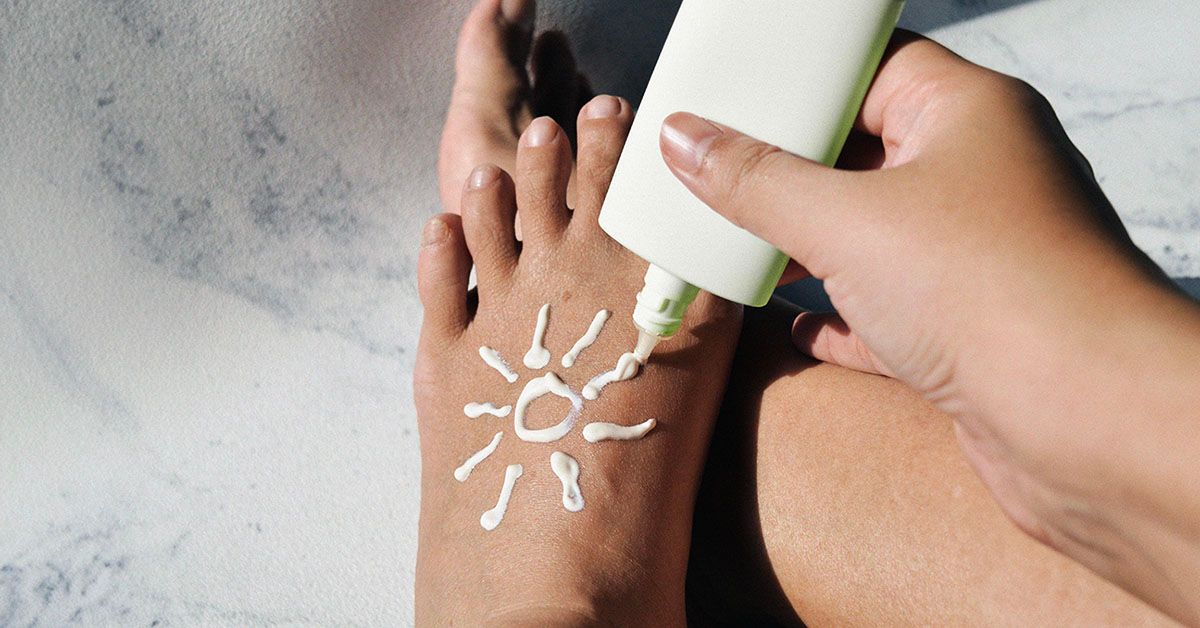
Daily sun protection is essential. Use a broad-spectrum sunscreen, ideally SPF 30 or higher, on exposed skin. Reapply when outdoors for long periods, after sweating, or after swimming. Pair sunscreen with shade, wide-brimmed hats, sunglasses, and sun-protective clothing. Sunscreen is not just beach equipment; it is everyday maintenance.
Ask About Retinoids
Retinoids, including retinol and prescription tretinoin, may help improve the appearance of aging skin by supporting collagen production and skin cell turnover. However, retinoids can irritate sensitive or thin skin if used too aggressively. Start slowly, use moisturizer, and ask a dermatologist whether retinoids are appropriate for your skin.
Review Corticosteroid Use
If you use topical, oral, or inhaled corticosteroids, ask your healthcare provider whether they could be contributing to skin thinning. Do not stop treatment without medical guidance. A clinician may adjust the strength, frequency, duration, or location of topical steroid use, or suggest non-steroid options when appropriate.
Protect Skin From Bumps and Scrapes
Physical protection is practical treatment. Wear long sleeves, gardening gloves, shin guards for yard work, or soft protective sleeves when doing activities that commonly cause scrapes. Keep walkways clear, pad sharp furniture corners, and be careful with adhesive bandages, which can tear fragile skin when removed.
Treat Bruises and Minor Injuries Carefully
For a fresh bruise, a cold compress wrapped in cloth may help reduce swelling. For a skin tear, gently rinse the area with clean water, cover it with a nonstick dressing, and watch for signs of infection such as spreading redness, warmth, swelling, pus, or increasing pain. Fragile skin deserves calm care, not heroic scrubbing.
Consider In-Office Dermatology Treatments
Some people ask dermatologists about laser treatments, microneedling, chemical peels, or collagen-stimulating procedures. These may improve texture or signs of photoaging in selected patients, but they are not right for everyone. Thin, fragile, or medically sensitive skin needs professional evaluation before any procedure.
Prevention: How to Keep Skin Stronger for Longer
Build a Skin-Friendly Routine
A simple routine often works best: gentle cleanser, moisturizer, sunscreen in the morning, and moisturizer again at night. Avoid products that sting, burn, or leave the skin red and angry. Skin should not feel like it just lost a fight with a lemon.
Eat for Skin Repair
Include enough protein from foods such as fish, poultry, eggs, beans, tofu, yogurt, or lean meats. Add fruits and vegetables rich in vitamin C, such as oranges, strawberries, bell peppers, and broccoli. Healthy fats from nuts, olive oil, avocado, and fatty fish can also support the skin barrier.
Stay Hydrated
Water alone will not magically thicken skin, but dehydration can make skin look dull, dry, and less resilient. Drink fluids regularly and increase intake during hot weather, exercise, or illness unless your doctor has given fluid restrictions.
Avoid Smoking
Quitting smoking is one of the best choices for skin health, circulation, healing, and overall wellness. Even after years of smoking, stopping can help improve blood flow and reduce further damage.
Be Smart With Adhesives
People with thin skin should be cautious with medical tape and strong bandages. Use paper tape, silicone dressings, or nonstick pads when possible. Remove adhesives slowly, supporting the skin with one hand while peeling with the other.
When to See a Doctor
Make an appointment with a healthcare provider or dermatologist if you notice:
- Sudden or severe skin thinning
- Frequent unexplained bruises
- Bruises that appear without injury
- Skin tears that happen repeatedly
- Wounds that do not heal
- Signs of infection
- Bleeding gums, nosebleeds, or unusual bleeding
- New, changing, bleeding, or painful skin growths
Also talk with a clinician if thin skin began after starting a new medication. Medication side effects are not a do-it-yourself mystery novel; your healthcare provider can help sort out the plot.
Living With Thin Skin: Practical Everyday Tips
Living with thin skin often means changing small habits. Keep fingernails trimmed to reduce accidental scratches. Wear gloves while cleaning, gardening, or handling rough materials. Use lukewarm water instead of hot water when bathing. Pat skin dry instead of rubbing. Apply moisturizer within a few minutes after bathing to lock in hydration.
At home, reduce injury risks by improving lighting, removing clutter, using soft bedding, and covering sharp edges. When outdoors, wear UPF clothing or lightweight long sleeves. For people with fragile forearms, protective arm sleeves can be surprisingly helpful and far less dramatic than explaining another mystery bruise at dinner.
Experience-Based Section: What Thin Skin Feels Like in Real Life
Thin skin is not only a medical description; it is a daily experience. Many people first notice it when a tiny bump creates a bruise that looks like it belongs in a detective show. The injury may be so small that they cannot remember it. One minute they are reaching into a cabinet, and the next their forearm has a purple mark with the emotional range of modern art.
A common experience is frustration. People may feel embarrassed when others ask, “What happened to your arm?” The honest answer is often, “Absolutely nothing impressive.” Thin skin can make ordinary life look more dramatic than it is. Carrying laundry baskets, playing with pets, bumping a table, or removing a sticky bandage can leave marks. This can be especially upsetting for older adults who feel their skin no longer matches how active and capable they feel inside.
Another real-life challenge is caution fatigue. At first, people may try to be careful with everything. They move slowly around furniture, avoid gardening, or stop wearing short sleeves. But the goal is not to live wrapped in bubble wrap like a rare museum vase. The better goal is smart protection: gloves for chores, long sleeves for yard work, moisturizer after bathing, sunscreen before errands, and safer bandages when needed.
Caregivers also learn practical lessons quickly. For example, pulling adhesive tape off fragile skin can cause more damage than the original wound. Nonstick dressings, silicone tape, and gentle removal techniques can make a big difference. Bathing routines may need adjustment too. Hot showers and harsh soaps can leave thin skin dry and itchy, while short lukewarm showers and fragrance-free moisturizers can calm things down.
People who use corticosteroid creams often share another experience: they may not realize that “more cream, more often” is not always better. A strong steroid used too long, especially on the face, groin, underarms, or thin-skinned areas, can lead to thinning. The lesson is simple but important: use prescription creams exactly as directed, and ask questions if symptoms keep returning.
There is also an emotional side. Skin is visible. When it bruises, tears, or wrinkles, people may feel older than they are. That feeling is valid. But thin skin is not a personal failure, and it is not proof that someone is fragile as a person. Skin changes are biology, not character flaws. A person can have delicate skin and still have a strong body, sharp mind, bold personality, and excellent opinions about pie.
The best experience-based advice is to create routines that are easy enough to repeat. Keep moisturizer near the sink, sunscreen near the door, gloves near cleaning supplies, and a small wound-care kit in a familiar place. The more convenient protection becomes, the more likely it is to happen. Thin skin responds best to consistency, not perfection.
Conclusion
Thin skin is common, especially with aging, but it should not be ignored. It can cause easy bruising, visible veins, dryness, tearing, and slower healing. The biggest causes include aging, sun exposure, genetics, corticosteroid use, smoking, harsh skin care, and certain medical conditions.
Treatment focuses on protection, hydration, sun safety, gentle skin care, medication review, and medical support when needed. Moisturizer, sunscreen, protective clothing, careful wound care, and dermatologist-guided treatments can all help. Most importantly, thin skin deserves patience. It has been protecting you for years; now it is asking for a little backup.

