
Body Care
How to Keep a Single Ferret Happy: 12 Steps
Jun
Keeping a single ferret happy is a little like managing a tiny, furry escape artist with the confidence of a retired jewel thief. Ferrets are playful, curious, clever, and extremely talented at finding the one sock you thought was lost forever. While many ferrets enjoy living with another ferret, a single ferret can still live a joyful, enriched, and healthy life when their human becomes part playmate, part snack manager, part safety inspector, and part comedy audience.
The key is understanding what ferrets need most: daily interaction, safe exploration, mental stimulation, proper nutrition, good veterinary care, and a home environment designed for an animal that can squeeze into suspiciously small spaces. A lonely ferret may become bored, stressed, nippy, destructive, or overly sleepy. A happy single ferret, on the other hand, dooks, dances, tunnels, explores, naps like a professional, and treats every cardboard box like a luxury resort.
This guide explains how to keep a single ferret happy in 12 practical steps, with realistic examples for everyday owners. Whether your ferret is a sleepy snuggler, a sock-hoarding gremlin, or a tube-obsessed tornado, these tips will help you build a life that keeps your solo fuzzy friend entertained, safe, and emotionally fulfilled.
1. Spend Quality Time With Your Ferret Every Day
A single ferret does not have another ferret to wrestle, chase, groom, or nap beside, so your presence matters. Daily human interaction is not optional; it is the emotional backbone of single ferret care. Plan several play sessions throughout the day rather than one rushed hello while you refill the food bowl.
Ferrets are often most active in the morning and evening. Use those windows for games, gentle handling, training, and supervised roaming. Talk to your ferret, let them climb into your hoodie pocket, drag a toy for them to chase, or simply sit on the floor while they investigate you like you are a newly discovered island.
The goal is not constant entertainment. Ferrets sleep a lot. The goal is predictable connection. A single ferret who knows that playtime arrives every day is less likely to feel isolated or understimulated.
2. Provide at Least Two to Four Hours of Supervised Out-of-Cage Time
A cage should be a safe home base, not a full-time apartment. Ferrets need daily exercise outside the cage to stretch, explore, sniff, climb, tunnel, and perform their famous “war dance,” which looks alarming to beginners but usually means, “I am delighted and possibly possessed by joy.”
Start with a ferret-proofed room or playpen. Let your ferret roam while you supervise closely. Hide treats, place tunnels around the room, scatter safe toys, and rotate items so the environment feels fresh. A single ferret especially benefits from this because novelty helps replace some of the stimulation another ferret might provide.
If your schedule is busy, divide playtime into shorter sessions: 45 minutes in the morning, 30 minutes after work, another hour in the evening, and a final bedtime romp. Consistency beats perfection.
3. Ferret-Proof Like Your Couch Has Secrets
Ferret-proofing is one of the most important steps for keeping a single ferret happy and alive. Ferrets are long, flexible, determined animals that can disappear behind appliances, inside reclining furniture, under cabinets, and into holes you did not know existed until the ferret proudly demonstrated them.
Ferret-proofing checklist
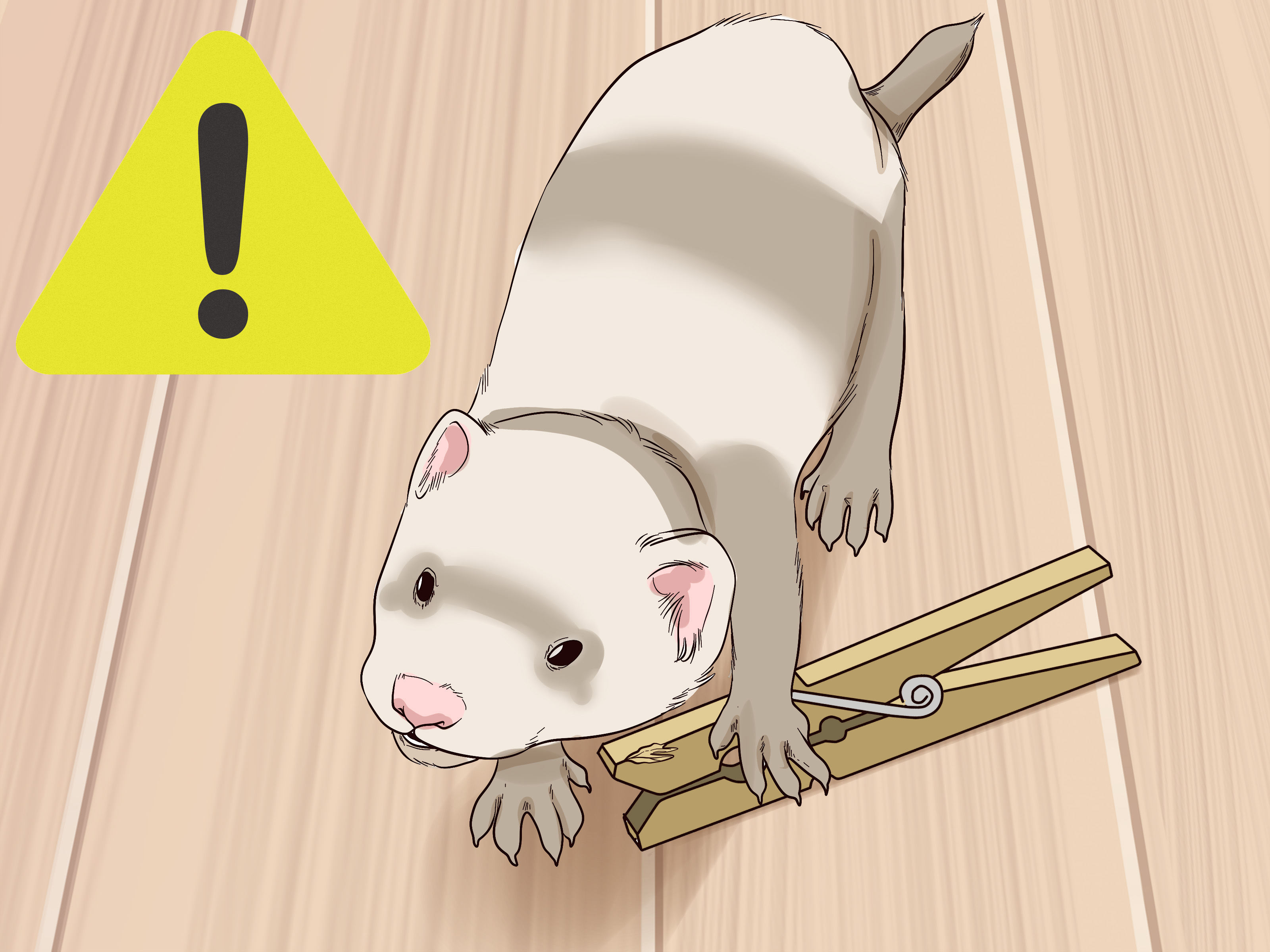
Block gaps behind appliances, cabinets, doors, vents, and furniture. Remove rubber bands, foam, erasers, soft rubber toys, electrical cords, houseplants, cleaning products, open trash cans, and anything small enough to swallow. Recliners and sofa beds are especially dangerous because moving parts can crush a hidden ferret.
Get down on the floor and inspect the room from ferret height. If you look ridiculous crawling around your living room, congratulations: you are doing ferret ownership correctly.
4. Create a Cage That Feels Like a Cozy Ferret Condo
A happy single ferret needs a cage that feels secure, clean, and interesting. Choose a roomy, well-ventilated enclosure with solid flooring or covered wire platforms to protect delicate feet. Add hammocks, fleece blankets, sleep sacks, tunnels, a litter box, food, and water.
Ferrets love dark, enclosed sleeping spots. A hideout gives your ferret privacy and helps them feel safe. Because your ferret lives alone, include more than one sleep option: a hammock for dramatic lounging, a blanket pile for tunneling, and a sleep sack for “do not disturb” naps.
Clean the cage regularly. Spot-clean litter and bedding daily, wash bedding often, and deep-clean the habitat weekly. A clean cage supports health and keeps odor under control. Also, your ferret may not thank you, but your nose will send a handwritten note.
5. Rotate Toys to Prevent Boredom
Ferrets get bored with the same toys. Instead of leaving every toy available all the time, create a rotation system. Keep a small selection out for a week, then swap in different tunnels, balls, crinkle toys, boxes, and puzzle feeders.
Great ferret toys include cardboard boxes with holes cut in them, fabric tunnels, hard plastic balls, paper bags without handles, PVC pipe, fleece blankets, and safe puzzle feeders. Avoid toys with rubber, foam, latex, stuffing, small plastic parts, bells that can be removed, or anything your ferret can chew apart and swallow.
For a single ferret, toy rotation is not just fun; it is mental enrichment. It gives your ferret something new to investigate, which helps prevent boredom-related chewing, digging, pacing, or attention-seeking nips.
6. Build a Dig Box for Natural Behavior
Ferrets are natural diggers. A dig box lets them satisfy that instinct without excavating your houseplants or performing unauthorized carpet renovations. Use a sturdy storage bin or shallow plastic tub and fill it with safe materials such as long-grain rice, shredded paper, ping-pong balls, or clean fabric strips.
Always supervise dig box time. Some ferrets try to eat non-food materials because apparently chaos is delicious. If your ferret chews or swallows the filling, switch to a safer option or remove the dig box.
To make it more exciting, hide a few meat-based treats or favorite toys inside. Your ferret gets to dig, search, and celebrate like a tiny archaeologist who just discovered chicken.
7. Feed a High-Quality Meat-Based Diet
Ferrets are obligate carnivores, which means their bodies are designed for animal-based protein and fat, not cereal, fruit, or sugary snacks. A proper ferret diet supports energy, coat quality, digestion, and long-term health. Look for a high-quality commercial ferret food or veterinarian-approved meat-based diet with animal protein listed prominently.
Avoid dog food, sugary treats, raisins, fruit, vegetables, bread, cereal, and high-carbohydrate snacks. These may seem harmless, but they do not match ferret biology. For treats, choose small amounts of cooked meat, cooked egg, or ferret-safe meat treats.
Food can also become enrichment. Hide a few pieces of kibble around the play area, use a puzzle feeder, or place treats inside a safe toy. This keeps your single ferret mentally engaged while making mealtime more interesting than staring into a bowl like it owes them money.
8. Offer Fresh Water in a Reliable Way
Ferrets should always have fresh water available. Many owners use both a water bottle and a heavy bowl. Bottles reduce spills, while bowls allow more natural drinking. The problem is that ferrets may treat bowls as splash pads, swimming pools, or personal science experiments.
Use a heavy, flat-bottomed bowl that cannot tip easily. Clean bottles and bowls often to prevent buildup. During supervised play, you can offer shallow water play with floating toys if your ferret enjoys it. Some ferrets love water; others look at it as if you have committed an unforgivable betrayal. Respect your ferret’s personality.
9. Train With Positive Reinforcement
Training is a fantastic way to keep a single ferret happy because it combines attention, mental stimulation, and rewards. Teach simple behaviors such as coming when called, using the litter box, entering a carrier, standing on a target, or allowing nail trims.
Use short sessions, soft praise, and tiny meat-based treats. Ferrets have short attention spans, so five minutes can be plenty. End before your ferret gets frustrated. The goal is not military obedience. The goal is teamwork with a creature whose personal motto is probably “What is under that cabinet?”
Positive reinforcement also helps with handling. Reward calm behavior during grooming, ear checks, and carrier practice. This makes routine care less stressful for both of you.
10. Keep Grooming Simple but Consistent
Regular grooming helps your ferret stay comfortable. Trim nails as needed, clean ears when they become dirty, brush during shedding seasons, and check teeth, skin, coat, and paws. Ferrets naturally have a musky smell, but frequent bathing can dry the skin and may actually make odor worse by stimulating oil production.
Instead of bathing often, focus on clean bedding, clean litter boxes, and a healthy diet. Wash sleep sacks and blankets regularly. If your ferret smells suddenly worse than usual, has hair loss, itching, red skin, discharge, or behavior changes, contact a veterinarian rather than reaching for shampoo.
A single ferret may rely on you more for routine physical checks because there is no cage mate grooming them or drawing your attention to changes. Your hands and eyes become part of their wellness system.
11. Watch for Signs of Loneliness, Stress, or Illness
A single ferret can be happy, but you must pay attention to behavior. Warning signs may include loss of appetite, hiding more than usual, reduced play, pacing, biting that appears new or intense, overgrooming, lethargy, diarrhea, vomiting, straining to urinate, drooling, pawing at the mouth, or sudden weight changes.
Some symptoms can indicate serious problems, including intestinal blockage, adrenal disease, insulinoma, dental disease, or infection. Ferrets can decline quickly, so do not wait several days hoping things magically improve. Ferrets are wonderful, but they are not famous for sending polite calendar invitations before medical emergencies.
For emotional well-being, ask yourself: Is my ferret playing? Exploring? Eating normally? Seeking interaction? Sleeping in normal patterns? Responding to favorite toys? If the answer changes, investigate.
12. Build a Relationship With an Exotic Animal Veterinarian
Not every veterinarian regularly treats ferrets, so find an exotic animal vet before an emergency happens. Ferrets need preventive exams, vaccinations, parasite checks, dental evaluation, and age-appropriate health monitoring. Older ferrets often need more frequent checkups because several common diseases appear in middle age and beyond.
Ask your vet about diet, vaccines, heartworm prevention, weight tracking, grooming, and emergency warning signs. Keep your ferret’s medical records, normal weight, favorite foods, and behavior notes in one place. This makes it easier to notice changes and respond quickly.
Good veterinary care does not replace enrichment, and enrichment does not replace veterinary care. A happy single ferret needs both: a fun daily life and a medical safety net.
Extra Tips for Keeping a Single Ferret Emotionally Fulfilled
Because your ferret lives alone, think in terms of “social substitution.” You are not becoming a ferret, thankfully, because your furniture would never recover. But you are adding the play, comfort, and interaction your pet would otherwise receive from another ferret.
Use your voice. Many ferrets respond to familiar sounds and routines. Say their name before meals, use the same phrase for playtime, and reward them when they come to you. Provide safe background noise if your home is very quiet, but avoid loud music or sudden stressful sounds.
Give your ferret choices. Let them choose between two toys, two sleeping spots, or two tunnels. Choice is a powerful form of enrichment because it gives animals a sense of control. Even tiny choices matter when much of their environment is managed by humans.
Finally, do not assume “sleeping a lot” automatically means sadness. Ferrets naturally sleep many hours. The better question is how they behave when awake. A happy ferret wakes up ready to investigate, play, eat, and possibly steal something completely useless but emotionally important, such as a pen cap.
Real-Life Experience: What Living With a Single Ferret Can Feel Like
Living with one ferret teaches you very quickly that happiness is built from routines, not expensive accessories. Many new owners imagine they need a giant shopping cart full of specialty toys, but the daily rhythm matters more. A single ferret often learns your schedule with surprising accuracy. They may wake when they hear your footsteps, wait near the cage door at the usual playtime, or stash a favorite toy in the same secret corner every day. These little habits are signs that your ferret feels connected to the household.
One common experience is discovering that the best toy is rarely the toy you paid the most for. You might buy a polished tunnel system, only to watch your ferret fall deeply in love with the shipping box. That is not failure. That is ferret logic. Cardboard boxes, paper bags without handles, old fleece blankets, and safe tunnels often create the richest play sessions because they allow digging, hiding, chasing, and surprise attacks on invisible enemies.
Single ferrets also tend to bond strongly with their person. This bond can be adorable, but it comes with responsibility. If you skip playtime several days in a row, your ferret may become restless or pushy. Some will nip ankles, rattle cage bars, or dramatically flop in a corner as if composing a tragic opera about neglect. The fix is usually not punishment; it is more structure. Short, predictable play sessions can calm attention-seeking behavior better than random long sessions once in a while.
Another lesson is that ferret-proofing is never truly finished. You may think the room is safe, then your ferret finds a gap under a cabinet that appears to violate known physics. Experienced owners check the play area repeatedly, especially after moving furniture, buying new appliances, or bringing in bags, shoes, packages, or holiday decorations. A safe room gives your ferret freedom without constant panic.
Food enrichment also makes a noticeable difference. Instead of serving every meal in the same bowl, try hiding a few kibble pieces in a puzzle toy or placing treats inside a crumpled paper tunnel. A single ferret needs chances to solve problems. When they work for food, they burn energy and use their brain, which often leads to better naps and less mischief later.
Perhaps the biggest experience is learning your ferret’s personal language. A dook may mean excitement. A hiss may mean irritation or intense play. A sudden refusal to eat may mean a medical problem. A favorite sleeping spot may change with temperature, mood, or pure mystery. The more you observe, the easier it becomes to tell the difference between normal weirdness and something concerning.
Keeping a single ferret happy is not about being perfect. It is about being present, consistent, and curious. Give your ferret safe adventures, good food, soft bedding, regular veterinary care, and your daily attention. In return, you get a tiny companion who turns ordinary rooms into obstacle courses and ordinary evenings into comedy shows. That is a pretty good deal for a creature small enough to fit in a sweatshirt sleeve.
Conclusion
A single ferret can be happy, healthy, and wonderfully entertaining when their owner understands the animal’s need for social contact, exercise, enrichment, safety, and routine. The best approach is simple: spend time together every day, provide supervised out-of-cage exploration, rotate safe toys, offer a meat-based diet, keep the cage clean and cozy, and stay alert to changes in behavior or health.
Ferrets are not low-effort pets, and a solo ferret needs extra attention because you are their main companion. But with thoughtful care, your single ferret can thrive. Give them tunnels, games, cuddles, training, fresh water, proper food, and a safe place to unleash their tiny chaos. In return, they will bring laughter, curiosity, and just enough mischief to keep life interesting.

