
Body Care
8 Kitchen Shiplap Backsplash Ideas
Jun
A kitchen backsplash has two jobs: protect the wall and look good while doing it. Tile usually gets all the applause, but shiplap has quietly walked into the kitchen wearing a crisp apron and saying, “I can be practical and charming.” A kitchen shiplap backsplash adds texture, warmth, and a relaxed custom-built feeling without making the room look like it is trying too hard.
Shiplap works especially well if you love farmhouse kitchens, coastal kitchens, cottage style, modern rustic design, or clean transitional spaces. The look can be white and breezy, dark and dramatic, natural and woodsy, or painted in a soft color that makes your cabinets look suddenly more expensive. The secret is choosing the right layout, finish, material, and protection for the way your kitchen actually functions. A backsplash near a coffee bar has different needs than one behind a spaghetti-sauce-launching cooktop. Ask any wall that has met marinara.
Below are eight kitchen shiplap backsplash ideas that balance style with common sense, plus practical tips for paint, sealing, maintenance, and design pairings.
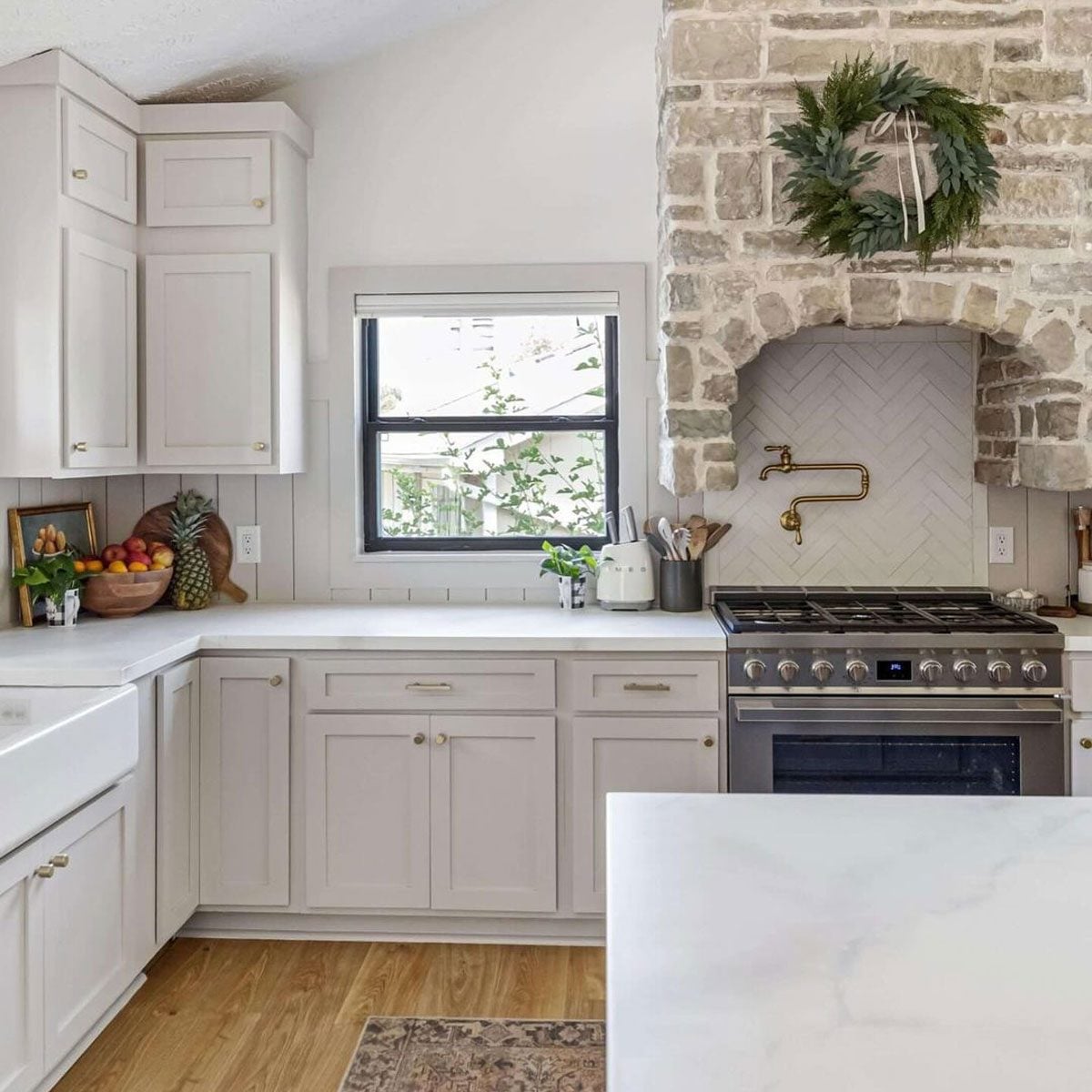
Why Choose a Shiplap Backsplash?
A shiplap backsplash creates visual rhythm. The lines guide the eye across the kitchen, which can make a small kitchen feel wider or a tall wall feel more intentional. Compared with many tile installations, shiplap can also be budget-friendly, especially when using plywood strips, MDF panels, nickel-gap boards, or pre-primed planks.
However, a shiplap kitchen backsplash is still wood or wood-based paneling, so it needs the right preparation. Use moisture-resistant material when possible, prime every exposed edge, caulk seams near the counter, and finish the surface with a washable paint or protective topcoat. Behind a stove, consider adding a tile, stone, stainless steel, or glass insert where heat and grease are most intense. Shiplap can be beautiful, but it should not be asked to perform circus tricks next to open flames.
1. Classic White Horizontal Shiplap Backsplash
The classic white horizontal shiplap backsplash is popular for a reason: it is bright, simple, and endlessly adaptable. It pairs beautifully with white cabinets, navy cabinets, natural wood shelves, black hardware, butcher block countertops, marble-look quartz, and farmhouse sinks. It also gives a plain kitchen a finished, architectural look without overwhelming the room.
Best For
This idea works well in farmhouse, coastal, cottage, and transitional kitchens. Horizontal lines help visually widen narrow walls, making them a smart choice for galley kitchens or compact cooking spaces.
Design Tip
Choose a soft white instead of a harsh blue-white if your kitchen has warm wood floors or creamy countertops. A slightly warm white keeps the room from looking like a dentist’s office with better snacks.
2. Vertical Shiplap for a Taller, Fresher Look
Vertical shiplap is one of the easiest ways to make a kitchen backsplash feel more current. Instead of stretching the eye side to side, vertical boards draw attention upward. This can make the space between countertop and upper cabinets appear taller and cleaner.
Vertical shiplap is especially effective in small kitchens, coffee bars, pantry nooks, and kitchens with open shelving. It adds texture without the stronger farmhouse association that horizontal shiplap sometimes carries. If you want a modern cottage look, this is your lane.
Best For
Use vertical shiplap in modern farmhouse, Scandinavian, Japandi-inspired, coastal, and minimalist kitchens. It looks especially polished when painted the same color as the wall or cabinetry.
Design Tip
Keep the gaps narrow for a cleaner, more refined finish. Wide boards and dramatic gaps can look rustic; slim boards feel more tailored.
3. Painted Shiplap in a Soft Color
White is classic, but color can make a shiplap backsplash feel custom. Soft sage, pale blue, warm greige, mushroom, muted olive, dusty navy, and creamy taupe all work beautifully in kitchens. Painted shiplap is a great way to add personality without committing to patterned tile.
A green shiplap backsplash, for example, can look fresh with brass hardware and white quartz countertops. Blue shiplap feels coastal with woven pendants and oak shelves. Dark charcoal or inky blue creates contrast in a white kitchen and makes the backsplash look more intentional.
Best For
This idea is perfect for homeowners who want a colorful kitchen backsplash but still prefer a subtle, textured surface over busy pattern.
Design Tip
Use a high-quality semi-gloss or satin enamel paint designed for trim or cabinets. It will be easier to wipe clean than flat wall paint, which tends to hold onto grease like it is saving it for later.
4. Natural Wood Shiplap for Warmth
Natural wood shiplap brings warmth, grain, and organic texture into the kitchen. It can soften white cabinets, balance black countertops, and make a new kitchen feel less builder-basic. Light oak, pine, cedar, maple, and reclaimed wood all create different moods.
A natural wood shiplap backsplash works well when it is sealed properly. Clear matte polyurethane, water-based protective finishes, or hardwax oil can help protect the surface while preserving the wood’s natural appearance. Because wood can absorb moisture and stains, this option is best away from the messiest zones or paired with a more durable insert behind the cooktop.
Best For
Try this look in rustic kitchens, lake houses, mountain cabins, modern organic spaces, or kitchens that need warmth against sleek cabinetry.
Design Tip
Repeat the wood tone elsewhere in the room through shelves, stools, cutting boards, or a range hood detail. This makes the backsplash feel like part of the design rather than a random wooden guest star.
5. Counter-to-Ceiling Shiplap Backsplash
If you want drama without busy pattern, run shiplap from the countertop all the way to the ceiling. This full-height backsplash idea works beautifully behind open shelving, around windows, or on a main sink wall. It gives the kitchen a built-in, custom millwork look.
Counter-to-ceiling shiplap is especially useful when upper cabinets are limited. Instead of a blank wall, the paneling creates texture and visual interest. It can also help connect separate kitchen zones, such as a sink wall, coffee station, and breakfast nook.
Best For
This is a strong choice for kitchens with open shelves, statement sconces, tall windows, or range hoods that need a more finished backdrop.
Design Tip
Plan outlet placement carefully. Full-height shiplap looks best when electrical plates are aligned cleanly and painted or selected to blend with the wall.
6. Shiplap with a Tile or Stone Stove Insert
One of the smartest kitchen shiplap backsplash ideas is to use shiplap around the room and install tile, stone, quartz, stainless steel, or glass behind the stove. This gives you the charm of shiplap and the easy-clean durability of a hard surface exactly where you need it most.
The insert can be simple white subway tile, marble mosaic, zellige-style tile, soapstone, stainless steel, or the same quartz used on the countertop. It creates a practical focal point and helps protect the wall from heat, steam, grease, and the occasional heroic stir-fry.
Best For
This idea is ideal for busy family kitchens, serious home cooks, gas ranges, and anyone who wants the shiplap look without worrying about constant scrubbing behind the stove.
Design Tip
Frame the insert cleanly with trim or align it with the width of the range hood. A deliberate border makes the mix of materials look designed, not improvised during a Saturday panic trip to the hardware store.
7. Shiplap Backsplash with Open Shelving
Open shelving and shiplap are best friends. The linear texture of shiplap gives shelves a beautiful background, while the shelves provide function and display space. Together, they create a kitchen wall that feels layered and lived-in.
White shiplap with natural wood shelves is a timeless pairing. For a moodier look, try dark green shiplap with brass brackets and walnut shelves. For a clean modern kitchen, use vertical shiplap, floating white oak shelves, and simple ceramic dishes.
Best For
This style works well in kitchens where upper cabinets feel too heavy or where you want to display everyday dishes, glassware, cookbooks, plants, or attractive storage jars.
Design Tip
Leave breathing room between objects on the shelves. Shiplap already adds texture, so overcrowding the shelves can make the wall feel busy. Your mugs need personal space too.
8. Modern Dark Shiplap Backsplash
Dark shiplap can be surprisingly elegant. Black, charcoal, deep navy, forest green, and espresso brown give the backsplash depth and sophistication. This approach works especially well with white oak cabinets, marble-look countertops, unlacquered brass, matte black fixtures, and warm lighting.
A dark shiplap backsplash can also make a kitchen feel less predictable. While white shiplap leans breezy and traditional, dark shiplap feels more tailored and modern. It is a strong way to keep the texture while avoiding an overly farmhouse look.
Best For
Use dark shiplap in modern farmhouse, industrial, modern cottage, and transitional kitchens that need contrast or a more dramatic focal point.
Design Tip
Test paint samples at different times of day. Dark colors can shift dramatically under natural light, under-cabinet lighting, and evening bulbs.
How to Make a Shiplap Backsplash Practical
A shiplap backsplash can work beautifully in a kitchen, but it needs smart detailing. The most important areas are the seam where the backsplash meets the countertop, the boards near the sink, and the wall behind the range.
Seal the Counter Seam
Use paintable, water-resistant caulk where the shiplap meets the counter. This helps prevent water from slipping behind the boards. Water is sneaky. It will find a gap the way a toddler finds a permanent marker.
Choose the Right Paint
Use washable paint with a satin, semi-gloss, or enamel finish. Kitchen walls need to handle splashes, steam, and regular wiping. Flat paint may look pretty at first, but it is not the best choice for a hardworking backsplash.
Prime All Edges
If you are cutting wood, plywood, or MDF, prime the cut edges before installation whenever possible. Raw edges absorb moisture more easily than sealed surfaces.
Be Careful Behind the Stove
Check your range manufacturer’s clearance recommendations and local building guidance. For heavy cooking areas, use a tile, stone, metal, or glass panel behind the cooktop. This gives you better heat resistance and easier cleanup.
Best Materials for a Kitchen Shiplap Backsplash
There are several ways to get the shiplap look. True shiplap has overlapping rabbeted edges. Nickel-gap boards create a similar clean-line effect with a small reveal between boards. Tongue-and-groove paneling locks together differently but can create a comparable wall treatment. Plywood strips are budget-friendly and can mimic shiplap when installed carefully.
For kitchens, pre-primed wood, moisture-resistant MDF, PVC panels, or properly sealed plywood are common options. PVC can be useful in moisture-prone spots, though it may not offer the same authentic wood feel. Natural wood has the most warmth but needs the most thoughtful finishing.
Experience-Based Notes: What People Learn After Living with Shiplap
One of the biggest lessons homeowners learn after installing a kitchen shiplap backsplash is that the layout matters more than expected. Horizontal shiplap looks classic and calm, but the grooves can collect dust and fine cooking residue over time. It is not a disaster, but it does mean the backsplash appreciates a quick wipe-down. Vertical shiplap tends to shed dust more easily and often feels cleaner in a small kitchen. If you cook often, that small maintenance difference can matter.
Another common experience is that color changes everything. Many people start with white because it feels safe, then realize a soft green, warm beige, or moody blue would have made the kitchen feel more custom. White shiplap is beautiful, but it also shows splatters quickly. A slightly deeper color can be more forgiving while still feeling fresh. The key is to test samples near your countertops and cabinets, not on a random wall across the room. Paint is dramatic under kitchen lighting. It has range.
DIYers also discover that preparation is not the boring part; it is the part that saves the project. A shiplap backsplash installed over greasy, uneven, or dusty walls can shift, gap, or refuse to sit flat. Cleaning the wall, finding studs, removing outlet covers, measuring carefully, and planning board placement around corners and windows makes the final result look professional. Skipping prep is how a “weekend project” becomes a “why is this still happening?” project.
Living with shiplap also teaches people to respect the sink and stove zones. Around the sink, water splashes are normal, so caulk and durable paint are essential. Behind the stove, grease and heat are the main concerns. A tile or stainless insert is not a style compromise; it is a peace treaty between beauty and bacon. Many of the best kitchens use shiplap on the larger wall areas and a hard-surface accent behind the range.
Finally, shiplap looks best when it relates to the rest of the kitchen. If the backsplash is the only rustic element in a sleek modern room, it may feel disconnected. But when the line detail is repeated through shaker cabinets, open shelving, wood accents, simple hardware, or painted trim, the whole room feels intentional. The goal is not to make the kitchen shout “shiplap!” The goal is to make the kitchen feel warm, finished, and easy to live in.
Conclusion
Kitchen shiplap backsplash ideas can be charming, practical, and surprisingly versatile when planned well. Whether you choose classic white horizontal boards, modern vertical shiplap, natural wood, dark paint, open shelving, or a stove-safe tile insert, the best result comes from matching the design to your real cooking habits. Shiplap is not just a farmhouse trend; it is a flexible wall treatment that can look coastal, cottage, rustic, modern, or refined.
For the most durable finish, choose moisture-conscious materials, seal the seams, use washable paint, and protect high-heat areas. Do that, and your shiplap backsplash can bring warmth and texture to the kitchen without becoming a maintenance monster hiding behind your coffee maker.
Note: Before installing shiplap near a range, sink, or other high-moisture area, check appliance clearances, local requirements, and manufacturer guidance. For heavy cooking zones, a heat-resistant insert behind the stove is usually the smartest design decision.

