
Skincare
5 Ways to Prevent Pancreatitis and Exocrine Pancreatic Insufficiency
Jun
Note: This article is for educational purposes only and does not replace medical advice, diagnosis, or treatment from a qualified healthcare professional.
Your pancreas is not dramatic by nature. It sits quietly behind your stomach, working the digestive night shift, producing enzymes that help break down food and hormones that help manage blood sugar. Most of the time, it asks for nothing. No applause. No trophy. Not even a tiny office plant.
But when the pancreas gets irritated, inflamed, or damaged, it can go from “quiet coworker” to “emergency siren” very quickly. Pancreatitis is inflammation of the pancreas, and it can appear suddenly as acute pancreatitis or develop slowly over time as chronic pancreatitis. Exocrine pancreatic insufficiency, often shortened to EPI, happens when the pancreas does not make or release enough digestive enzymes. The result can be bloating, diarrhea, oily or foul-smelling stools, unexplained weight loss, and nutrient deficiencies.
The tricky part is that pancreatitis and EPI are often connected. Repeated inflammation can scar the pancreas, and a scarred pancreas may struggle to make digestive enzymes. That does not mean every case can be prevented, because genetics, autoimmune disease, cystic fibrosis, pancreatic surgery, cancer, and certain medications may play a role. Still, many of the biggest risk factors are surprisingly practical: alcohol use, smoking, gallstones, high triglycerides, poor metabolic health, and ignoring early symptoms.
So, let’s treat your pancreas like the hardworking organ it is: not with fear, but with smarter daily choices. Here are 5 ways to prevent pancreatitis and exocrine pancreatic insufficiency using realistic habits that do not require you to live in a monastery eating steamed air.
What Are Pancreatitis and Exocrine Pancreatic Insufficiency?
Pancreatitis in plain English
Pancreatitis means the pancreas is inflamed. In acute pancreatitis, symptoms often come on suddenly and may include severe upper abdominal pain, nausea, vomiting, fever, and pain that travels to the back. Many people need hospital care, even when the case is considered mild. In chronic pancreatitis, long-term inflammation causes permanent damage, scarring, digestive problems, and sometimes diabetes.
How EPI fits into the picture
The “exocrine” part of the pancreas makes digestive enzymes: lipase for fats, amylase for carbohydrates, and protease for proteins. When the pancreas cannot provide enough of these enzymes, food does not get broken down properly. That is EPI. People with EPI may eat enough calories but still lose weight or become deficient in vitamins A, D, E, and K because fat digestion is impaired.
Prevention is not about chasing perfection. It is about lowering the pressure on the pancreas before problems pile up. Think of it like home maintenance: it is easier to clean the gutters than replace the ceiling after a leak.
1. Avoid Heavy Alcohol Use and Quit Smoking
If the pancreas had a “most unwanted guests” list, heavy alcohol use and smoking would be standing at the door wearing sunglasses indoors. Alcohol and tobacco are strongly linked with pancreatitis, especially chronic pancreatitis. Heavy drinking can directly injure pancreatic cells and increase the chance of repeated inflammation. Smoking adds another layer of risk and may speed pancreatic damage, especially when combined with alcohol.
Why alcohol matters
Alcohol can change the way the pancreas releases digestive juices and may encourage enzymes to activate too early. Digestive enzymes are supposed to work in the small intestine, not inside the pancreas itself. When they activate in the wrong place, inflammation can follow. For people who have already had pancreatitis, continuing to drink can increase the risk of another attack and raise the chance of long-term pancreatic damage.
Why smoking matters
Smoking is not just a lung issue. It affects blood vessels, inflammation, healing, and cancer risk. For the pancreas, tobacco exposure may worsen inflammation and contribute to chronic disease progression. If alcohol is the match, smoking can be the gasoline. The two together are not a charming buddy comedy.
Practical prevention steps
If you drink, be honest about your pattern. “Only on weekends” can still mean binge drinking. If you have a history of pancreatitis, many clinicians recommend avoiding alcohol completely. If stopping feels difficult, ask a doctor about counseling, medication support, or structured treatment programs. For smoking, nicotine replacement therapy, prescription medications, coaching, and quitlines can all improve the odds of success.
Small changes count, but this is one area where bold action can make a big difference. Your pancreas is not judging you. It is simply begging not to be marinated.
2. Prevent and Manage Gallstones
Gallstones are one of the most common causes of acute pancreatitis. The gallbladder and pancreas share nearby drainage pathways. If a gallstone blocks the opening where bile and pancreatic enzymes drain, pancreatic fluid can back up and trigger inflammation. Imagine a traffic jam, except the cars are digestive chemicals and everyone is honking inside your abdomen.
Who is at higher risk for gallstones?
Gallstones are more likely in people with obesity, rapid weight loss, certain diets, pregnancy, diabetes, liver disease, and family history. Some risk factors cannot be changed, but several can. Maintaining a healthy weight, avoiding crash diets, eating balanced meals, and staying physically active can help reduce gallstone risk.
Skip the crash diet trap
Rapid weight loss may sound tempting, especially when an internet ad promises “30 pounds in 30 days” next to a photo of someone holding a measuring tape like a trophy. But losing weight too quickly can increase gallstone risk. A steadier approach is safer: lean protein, high-fiber carbohydrates, vegetables, fruit, healthy fats in reasonable portions, and regular movement.
What if you already have gallstones?
If gallstones cause pancreatitis, doctors may recommend gallbladder removal, often during the same hospital stay for mild gallstone pancreatitis. That decision depends on the person’s condition, severity of illness, and overall surgical risk. The key is not to ignore symptoms such as severe upper abdominal pain, yellowing skin or eyes, fever, or vomiting.
Gallstone prevention is not glamorous, but neither is explaining to your pancreas that a blocked duct was “just a misunderstanding.” Keep digestion moving, avoid extreme dieting, and talk to a clinician if gallbladder symptoms show up.
3. Control Triglycerides, Blood Sugar, and Metabolic Risk
High triglycerides are another major preventable risk factor for pancreatitis. Triglycerides are a type of fat in the blood. At very high levels, they can trigger acute pancreatitis. Diabetes, insulin resistance, obesity, high added-sugar intake, heavy alcohol use, some medications, and genetics can all contribute to elevated triglycerides.
Know your numbers
You cannot manage what you never measure. A simple blood test can check triglycerides, cholesterol, blood glucose, and A1C. People with diabetes, metabolic syndrome, a family history of lipid disorders, or previous pancreatitis should be especially careful about routine monitoring.
Food choices that help
To lower triglyceride risk, focus on reducing added sugars, refined carbohydrates, and alcohol. Sugary drinks are a major offender because they deliver a fast hit of sugar without fullness. White bread, pastries, candy, sweet coffee drinks, and ultra-processed snacks can also push triglycerides upward when eaten frequently.
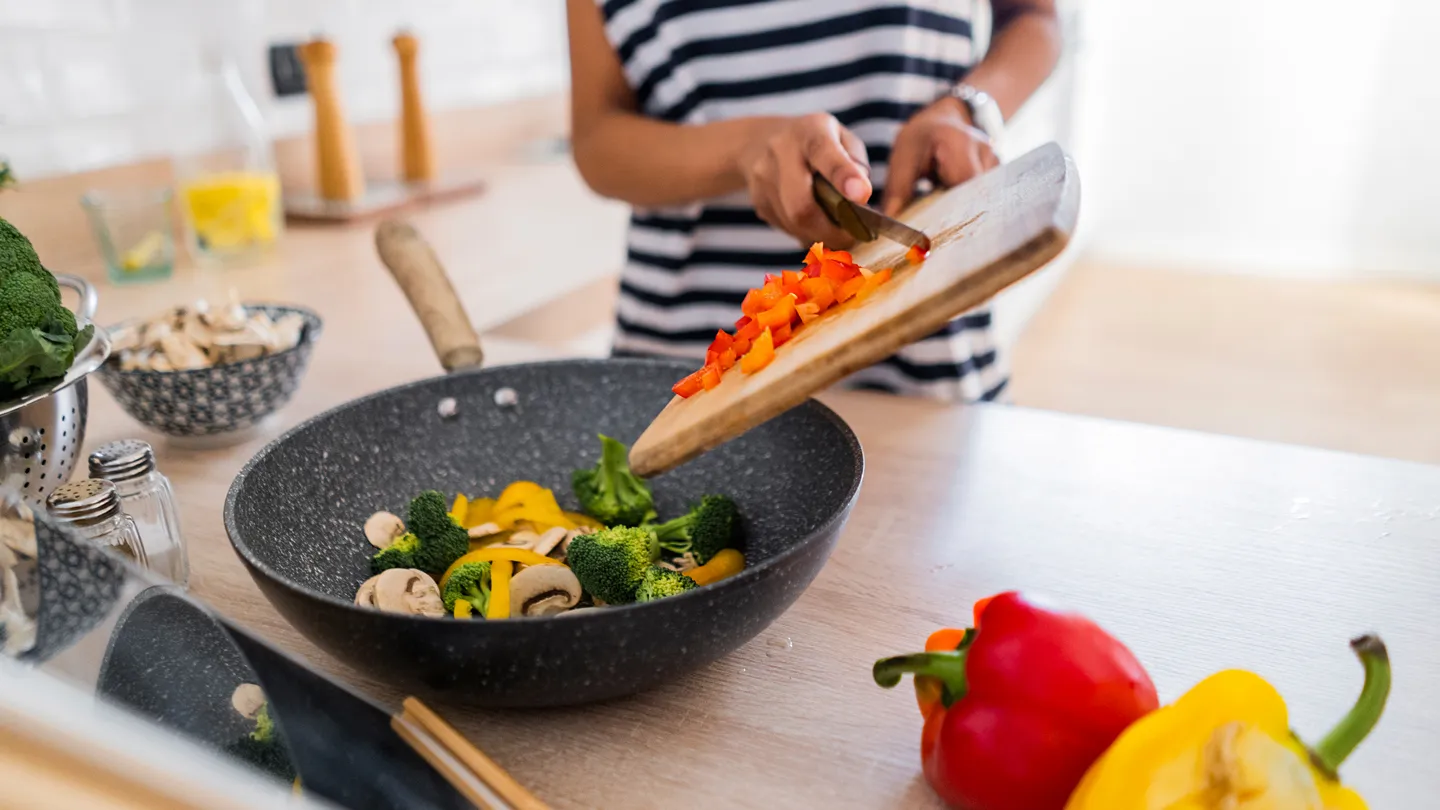
A pancreas-friendly plate often looks like a heart-healthy plate: vegetables, beans, lentils, oats, whole grains, fish, skinless poultry, low-fat dairy if tolerated, nuts in modest portions, and olive oil used sensibly. Fiber is your friend. It slows digestion, supports cholesterol control, and gives your gut bacteria something useful to do besides cause chaos.
When lifestyle is not enough
Some people need medication to bring triglycerides down, especially when levels are very high. Doctors may consider fibrates, prescription omega-3 fatty acids, statins, diabetes medications, or other treatments depending on the full health picture. Do not replace prescribed therapy with supplements unless your clinician approves. The pancreas is not the place to test a “trust me, bro” wellness plan.
Managing triglycerides and blood sugar also lowers the risk of fatty liver disease, heart disease, and type 2 diabetes complications. In other words, your pancreas is not the only organ cheering from the sidelines.
4. Eat in a Way That Supports Pancreatic Digestion
There is no magical “pancreas detox” smoothie. If a product claims to cleanse your pancreas by Tuesday, your wallet may be the only thing getting cleaned. The real goal is to reduce digestive strain, support a healthy weight, and prevent nutrient gaps.
Choose low-to-moderate fat, not zero fat
For people with pancreatitis risk or EPI symptoms, a lower-fat eating pattern may reduce digestive discomfort. But extremely low-fat diets can be hard to maintain and may worsen nutrition if not supervised. Healthy fats are still important for hormones, brain health, and absorption of fat-soluble vitamins. The key is portion size and quality.
Instead of fried chicken, choose baked or grilled chicken. Instead of a giant cream sauce, try tomato-based sauce or a lighter olive oil dressing. Instead of making your pancreas process a mountain of greasy takeout at midnight, give it a reasonable dinner like a civilized adult organ partnership.
Eat smaller, more frequent meals if needed
Large, heavy meals can trigger symptoms in people with pancreatic disease. Smaller meals may be easier to digest, especially if someone already has EPI or chronic pancreatitis. Pair lean protein with fiber-rich carbohydrates and cooked vegetables. Examples include oatmeal with berries, turkey and vegetable soup, grilled fish with rice and greens, or eggs with whole-grain toast and fruit.
Watch for EPI warning signs
Symptoms of exocrine pancreatic insufficiency can be embarrassing, which is exactly why people avoid mentioning them. But your stool is basically a digestive report card. Greasy, floating, foul-smelling stools; diarrhea; bloating; gas; unexplained weight loss; and fatigue can signal poor fat absorption. If these symptoms persist, talk to a gastroenterologist.
Use pancreatic enzyme replacement therapy correctly if prescribed
If EPI is diagnosed, treatment usually includes pancreatic enzyme replacement therapy, or PERT. These capsules are taken with meals and snacks so the enzymes mix with food. Timing matters. Taking enzymes long after eating is like sending firefighters to a house after the barbecue has already become a meteor shower.
People with EPI may also need monitoring for fat-soluble vitamins A, D, E, and K, along with nutrition support from a registered dietitian. Preventing malnutrition is a major part of protecting long-term health.
5. Treat Symptoms Early and Review Medication Risks
Pancreatitis is not a “walk it off” condition. Severe upper abdominal pain, especially pain that spreads to the back and comes with vomiting, fever, rapid heartbeat, or tenderness, deserves urgent medical attention. Early treatment can reduce complications and help doctors find the cause.
Do not ignore repeat digestive problems
Recurring abdominal pain after meals, unexplained weight loss, chronic diarrhea, oily stools, or new blood sugar problems should not be brushed aside. These symptoms can come from many conditions, including gallbladder disease, celiac disease, inflammatory bowel disease, liver disease, pancreatic disease, or medication effects. Testing helps separate “too many nachos” from “your digestive system is sending a formal complaint.”
Ask about medication-related pancreatitis
Some medications have been associated with pancreatitis in certain people. This does not mean you should stop prescriptions on your own. It means you should keep an updated medication list and review it with your doctor, especially if you develop pancreatitis without an obvious cause. Include prescriptions, over-the-counter medicines, supplements, and herbal products.
Consider family history and genetic risk
Some forms of pancreatitis are related to inherited genetic changes. If pancreatitis runs in your family, if symptoms began at a young age, or if attacks keep happening without clear triggers, a specialist may recommend genetic counseling or additional testing. Prevention may then include more frequent monitoring, strict avoidance of alcohol and tobacco, and early management of complications.
Build a follow-up plan
After an episode of pancreatitis, follow-up matters. The cause should be investigated, whether it is gallstones, alcohol, triglycerides, medication, anatomy, autoimmune disease, or something else. If chronic pancreatitis or EPI develops, ongoing care may include pain management, nutrition therapy, enzyme therapy, diabetes screening, bone health monitoring, and vitamin testing.
The best prevention plan is not dramatic. It is consistent. It is a lab test done on schedule, a follow-up appointment kept, a symptom mentioned before it becomes an emergency, and a lifestyle change repeated often enough to become boring. Boring, in medicine, is sometimes a beautiful word.
Practical Experiences: What Prevention Looks Like in Real Life
Preventing pancreatitis and EPI is not just a checklist in a clinic. It shows up in ordinary moments: grocery shopping, restaurant menus, family dinners, work stress, vacations, and those suspiciously shiny pastries in the office break room. The pancreas does not live in a textbook. It lives with you, somewhere between the coffee maker and the calendar reminder you keep snoozing.
One common experience is learning that “healthy eating” has to become more specific. A person may start by simply cutting fried foods, then realize that portion size matters too. A grilled salmon dinner can be nutritious, but if it comes with buttery mashed potatoes, cream soup, and cheesecake, the digestive workload still becomes a full Broadway production. Many people do better when they build meals around lean protein, cooked vegetables, whole grains, and modest amounts of fat. They also learn to keep easy backup meals available, such as vegetable soup, rice bowls, oatmeal, low-fat yogurt, or tuna on whole-grain toast. Prevention becomes easier when the fridge is not just a museum of expired condiments.
Social situations can be harder. Alcohol is woven into many celebrations, and saying no may invite questions. A practical strategy is to prepare a simple answer: “I’m not drinking for health reasons,” or “My pancreas and I are currently in negotiations.” Most people move on faster than expected. Having a nonalcoholic drink in hand also helps. Sparkling water with lime, unsweetened iced tea, or a mocktail without loads of sugar can make social events feel normal without turning the pancreas into collateral damage.
People managing high triglycerides often describe the surprise of discovering how much sugar hides in everyday drinks and snacks. Sweet tea, soda, energy drinks, flavored coffees, bottled smoothies, and desserts can add up quickly. Replacing sugary drinks with water, seltzer, or unsweetened beverages is one of the simplest changes with a big payoff. It may feel dull at first, but so does brushing your teeth, and nobody argues that dental emergencies are more fun.
For those already diagnosed with EPI, the biggest real-world lesson is routine. Pancreatic enzymes only work when taken with food, so people often keep capsules in more than one safe place: at home, in a bag, at work, or in a travel kit. They may use phone reminders until the habit sticks. They also learn to speak up when symptoms continue. Ongoing greasy stools, bloating, or weight loss may mean the enzyme dose, timing, meal pattern, or diagnosis needs another look.
Another experience is emotional: digestive symptoms can be isolating. People may avoid road trips, restaurants, or long meetings because they worry about bathrooms, pain, or embarrassment. A prevention plan should include dignity. That means planning meals before travel, knowing where bathrooms are, carrying prescribed medication, keeping snacks simple, and telling trusted people what is going on. There is no shame in managing a medical condition. The pancreas may be hidden, but the effort is real.
The most successful prevention stories usually are not extreme. They are steady. Someone quits smoking after three attempts. Someone swaps nightly drinks for evening walks. Someone finally gets triglycerides checked and treats them. Someone mentions oily stools to a doctor instead of pretending digestion is a mystery novel. These choices are not flashy, but they are powerful. Pancreatic health is built in quiet decisions, one meal, one appointment, and one honest conversation at a time.
Conclusion
Pancreatitis and exocrine pancreatic insufficiency can be serious, painful, and life-changing, but prevention is not hopeless. The strongest everyday strategy is to reduce the risks you can control: avoid heavy alcohol use, quit smoking, prevent and treat gallstones, manage triglycerides and blood sugar, eat in a pancreas-friendly way, and get medical care early when symptoms appear.
There is no need to panic-buy a shelf of “pancreas cleanse” products or turn every meal into a chemistry exam. The basics work because biology is stubbornly practical. Your pancreas needs less irritation, better metabolic support, enough nutrients, and timely medical attention when warning signs appear.
Treat your pancreas like a quiet but essential member of the team. Give it fewer emergencies, better fuel, and a little respect. It may never send you a thank-you card, but fewer digestive disasters are a pretty excellent love language.

