
Beauty Unlocked
40-Year-Old Sealed Garden – Self-Sustaining Garden
Jun
Note: This article is written in copy-ready HTML body format and is based on real information about sealed bottle gardens, closed terrariums, plant biology, and self-sustaining ecosystems.
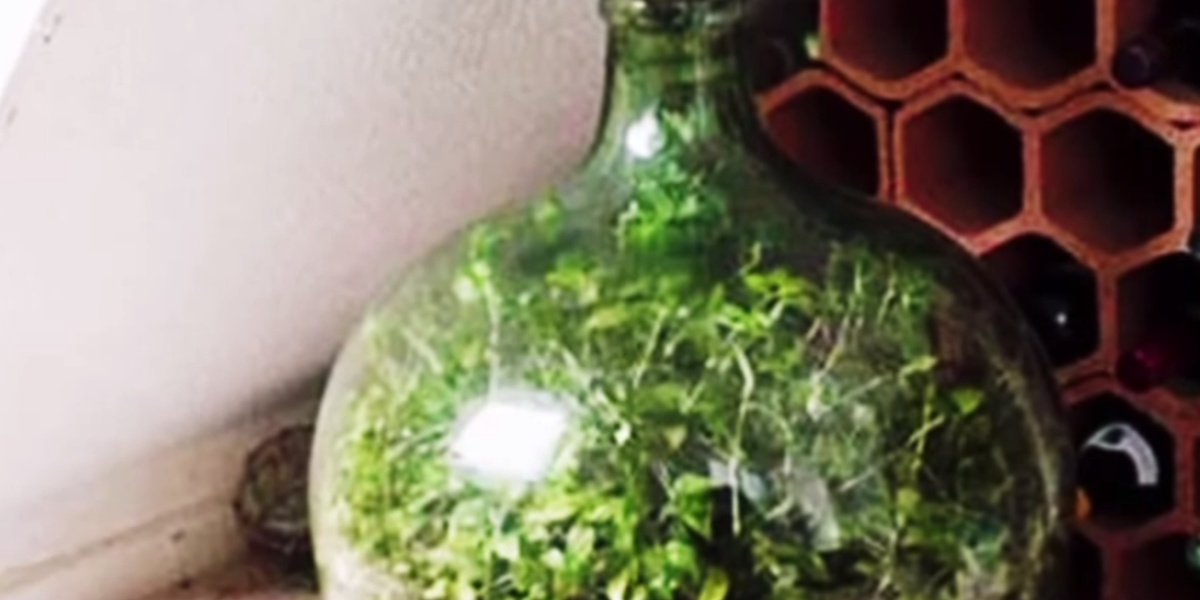
Some people forget to water a houseplant for one weekend and return to a botanical crime scene. Then there is the legendary sealed bottle garden often associated with David Latimer: a glass container planted in 1960, watered again in 1972, and left to survive for decades with no fresh water, no fertilizer, and no dramatic pep talks from a plant influencer. The story sounds like a fairy tale for people who kill basil, but the science behind it is surprisingly practical.
A 40-year-old sealed garden is not magic. It is a tiny ecosystem that has learned to mind its own business. Inside the glass, water evaporates, condenses, and falls back into the soil. Plants use light to make food through photosynthesis. Microorganisms break down dead leaves and recycle nutrients. Oxygen and carbon dioxide move through a quiet daily rhythm. In other words, the bottle becomes a miniature version of Earth, minus traffic, emails, and squirrels digging up your seedlings.
This article explores how a self-sustaining garden works, why sealed terrariums can last so long, what makes them fail, and how you can build one without accidentally creating a swamp in a jar.
What Is a Sealed Garden?
A sealed garden, also called a closed terrarium or bottle garden, is a plant environment enclosed in a transparent container. It usually contains soil, moisture, small plants, air, organic matter, and sometimes tiny decomposers. Unlike an open planter, a sealed garden loses very little water to the outside world. That is the secret sauce.
In a normal houseplant pot, water drains out or evaporates into your living room. In a closed terrarium, moisture stays trapped. When sunlight warms the container, water evaporates from the soil and leaves. As the air cools, vapor condenses on the glass and drips back down like indoor rain. Congratulations: your jar has weather.
The most successful sealed gardens are not stuffed with needy plants. They are built around slow-growing, humidity-loving species such as mosses, small ferns, fittonia, peperomia, pilea, and certain tropical groundcovers. Desert plants like cacti and most succulents generally hate sealed terrariums because the humidity is too high. Put a cactus in a closed jar and it may look at you like, “I was promised Arizona.”
The Famous 40-Year-Old Bottle Garden Story
The best-known example of a long-lived sealed garden is the bottle garden created by David Latimer in England. According to widely reported accounts, he planted a small cutting in a large glass bottle in 1960. The plant was watered again in 1972, then sealed. For decades, it continued growing inside the bottle with only indirect light as its outside energy source.
The bottle garden became famous because it challenged the way many people think about plant care. Most of us assume plants need constant attention: watering schedules, fertilizer, pruning, repotting, perhaps a soft jazz playlist. But Latimer’s garden showed that under the right conditions, a plant system can recycle resources for an astonishingly long time.
That does not mean every sealed terrarium will last 40 years. Most will not. A successful self-sustaining garden depends on balance: enough light, but not too much heat; enough water, but not a swamp; enough organic matter, but not a mold buffet; enough space, but not a glass jungle wrestling match.
How a Self-Sustaining Garden Works
1. The Water Cycle: A Tiny Rain Machine
The water cycle is the easiest part to see. In a sealed garden, moisture evaporates from soil and transpires from plant leaves. The vapor collects on the cooler glass walls, turns into droplets, and trickles back into the soil. This repeats again and again.
If you see light misting on the glass in the morning or after a warm period, that is usually normal. If the container looks like a rainforest bathroom mirror all day, there is probably too much water. If the soil is pulling away from the glass and the plants look crispy, the terrarium is too dry. A good sealed terrarium should look alive, not like soup or toast.
2. Photosynthesis: The Solar-Powered Engine
A sealed garden is closed to matter, but it is not closed to energy. Light enters through the glass, and plants use that light to convert carbon dioxide and water into sugars. Oxygen is released as a byproduct. That process, photosynthesis, is the engine that keeps the living system running.
This is why placement matters. Bright, indirect light is ideal. Direct sun can overheat the glass and cook the plants faster than you can say “artisan salad.” Too little light, on the other hand, means the plants cannot make enough energy. A north- or east-facing window, or a bright room away from harsh sun, often works well.
3. Respiration: The Night Shift
Plants do not only photosynthesize. They also respire. During respiration, plants and microorganisms use oxygen to break down sugars and release carbon dioxide and water. In a sealed terrarium, this creates a daily exchange: photosynthesis dominates when light is available, while respiration continues day and night.
That exchange is one reason sealed gardens can survive without fresh air. The gases are not disappearing; they are cycling. The system is small, but the principle is big. It is the same basic idea behind closed ecological life-support research for space habitats: recycle air, water, and nutrients as efficiently as possible.
4. Decomposition: Nature’s Cleanup Crew
When leaves die and fall, they do not simply vanish. Microbes, fungi, and sometimes tiny creatures such as springtails help break down that organic material. As decomposition happens, nutrients return to the soil and carbon dioxide becomes available again for plants.
This is the part of the sealed garden that feels slightly messy, because it is. A healthy ecosystem includes decay. The trick is controlled decay. A few dead leaves becoming soil food is normal. A fuzzy mold explosion climbing the glass like it pays rent is a warning sign.
Why Some Sealed Gardens Last for Decades
Long-lived sealed gardens succeed because they are stable. They do not grow too fast. They do not dry out. They do not receive intense sunlight that causes temperature spikes. They contain plants that enjoy humidity and can tolerate limited space. Their soil biology is active enough to recycle nutrients but not so chaotic that rot takes over.
In many ways, the key is restraint. A sealed garden is not the place to create a miniature jungle theme park with twelve plant species, a ceramic dragon, three types of moss, and enough water to launch a kayak. The best closed terrariums are often simple. One or two plant types. Clean glass. Light soil. Modest moisture. Good air space. Patience.
Best Plants for a Self-Sustaining Terrarium
Choose plants that stay small, like humidity, and grow slowly. Great options include:
- Mosses, especially cushion moss and sheet moss
- Small ferns such as button fern or bird’s nest fern varieties
- Fittonia, also called nerve plant
- Peperomia varieties
- Pilea varieties
- Baby tears
- Selaginella, also called spike moss
Avoid most succulents, cacti, large tropical plants, fast-growing vines, and anything that needs strong airflow. Pothos may survive, but it can quickly become the overenthusiastic roommate of the terrarium world. Before long, it wants the whole bottle, the shelf, and possibly your lease.
How to Build a Sealed Garden That Has a Fighting Chance
Step 1: Choose the Right Container
Use clear glass with a lid or cork. A wide opening makes planting easier, especially for beginners. Bottles look beautiful, but unless you enjoy performing plant surgery with chopsticks, start with a jar or glass container that gives your hands some room.
Step 2: Clean Everything
Wash the container, tools, and decorative stones before use. A sealed terrarium traps problems along with beauty. Starting clean reduces the chance of mold, pests, and mystery slime. Mystery slime is rarely the aesthetic people are going for.
Step 3: Add a Drainage Layer
Because sealed containers do not have drainage holes, many gardeners add a thin layer of small gravel or pebbles at the bottom. This gives excess water somewhere to collect away from roots. Some modern terrarium makers debate how necessary this layer is, but for beginners it can provide a helpful safety buffer.
Step 4: Add Charcoal
A thin layer of horticultural charcoal or activated charcoal can help reduce odors and keep the system fresher, especially in a closed environment. It is not a magic shield against every mistake, but it is useful in containers where water and air are constantly recycled.
Step 5: Add Soil
Use a light, well-draining potting mix. Avoid heavy garden soil, which can compact, hold too much water, and introduce unwanted organisms. The soil should be deep enough for roots but not so deep that the container becomes a mud jar with garnish.
Step 6: Plant Carefully
Remove extra soil from the plant roots, trim damaged leaves, and place plants with room to grow. Do not overcrowd. A sealed garden may look sparse at first, but plants expand over time. Think of it like packing for a trip: leave space, because nature always brings souvenirs.
Step 7: Water Lightly
Add less water than you think you need. In a closed terrarium, water does not escape easily. Mist the soil and plants lightly, seal the container, and observe. If heavy condensation persists for days, open the lid briefly to release excess moisture. If there is no condensation and plants wilt, add a small amount of water.
Step 8: Place in Bright, Indirect Light
Keep the container out of direct sun. Glass magnifies heat, and a sealed jar can become a tiny greenhouse with terrible labor laws. Bright, indirect light keeps photosynthesis going without roasting the plants.
Common Mistakes That Ruin Sealed Gardens
Overwatering
This is the number one killer. A sealed garden needs moisture, not a flood. Too much water leads to root rot, algae, mold, and that swampy smell that says, “Something has gone scientifically wrong.”
Using the Wrong Plants
Succulents and cacti prefer dry air and strong drainage. Closed terrariums create humidity, which makes them better suited to tropical plants, mosses, and ferns.
Too Much Sun
Direct sunlight can overheat a sealed container quickly. If leaves turn brown, glass gets hot, or condensation becomes extreme, move the terrarium to a gentler location.
Too Much Fertilizer
Fertilizer encourages fast growth. Fast growth leads to crowding. Crowding leads to pruning, rot, and chaos. In a sealed garden, slow growth is a feature, not a bug.
Ignoring Mold
A little mold may appear when the system is new. Remove affected leaves, vent the container briefly, and avoid overwatering. Persistent mold usually means too much moisture, too little airflow, or too much decaying material.
Is a Sealed Garden Truly Self-Sustaining?
A sealed garden can be self-sustaining in the sense that it recycles water, gases, and nutrients for long periods. However, it still needs energy from light. It also depends on the initial setup. If the balance is wrong, the system may collapse.
So, “self-sustaining” does not mean “impossible to kill.” It means the garden has internal cycles that reduce the need for outside care. You are not watering every week. You are not fertilizing monthly. You are mostly observing, adjusting only when necessary, and resisting the urge to fuss. For some gardeners, that last part is the hardest.
What the 40-Year-Old Sealed Garden Teaches Us
The lesson is not that every plant should be locked in a bottle forever. The lesson is that ecosystems are powerful when their cycles are respected. Water does not need to be constantly replaced if it can be recycled. Soil does not need endless feeding if organic matter returns nutrients. Plants do not need human drama; they need light, balance, and suitable conditions.
A self-sustaining garden is also a reminder that small systems can teach big ideas. Climate, water conservation, soil health, photosynthesis, decomposition, and sustainability are all visible inside a jar on a shelf. It is science class, home decor, and a tiny jungle documentary rolled into one.
Experience Notes: What It Feels Like to Live With a Sealed Garden
Building a sealed garden sounds easy until you actually do it. The first surprise is how little water it needs. Most beginners want to water as if the jar contains a thirsty tomato plant in July. It does not. A closed terrarium is more like a careful savings account. Put in too much at the beginning and the whole balance becomes messy. The best approach is to water lightly, seal it, and watch for a few days. If the glass fogs slightly and clears later, the moisture level is probably close. If it stays cloudy like a bathroom mirror after three teenagers showered, open the lid and let it breathe.
The second experience is learning to stop touching it. A sealed garden rewards patience. Every time you open it, poke it, rearrange moss, add stones, remove stones, apologize to the fern, and rotate the jar like a nervous stage parent, you disturb the balance. Observation is better than interference. The terrarium becomes a slow-motion pet. It does not bark, shed, or chew your shoes, but it does communicate. Yellow leaves may mean too much water, too little light, or natural aging. Leggy growth usually means it wants more light. Brown crispy edges may signal dryness or heat stress.
The third lesson is that decay is not always failure. In a sealed garden, a fallen leaf is not automatically bad. It can become part of the nutrient cycle. The problem begins when too much dead material piles up. Removing large decaying leaves early can prevent mold from taking over. Some terrarium keepers add springtails because these tiny decomposers help manage mold and break down organic waste. They are not required for every plant-only terrarium, but in bioactive setups they can be helpful little janitors. They work for free, which is more than can be said for most cleaning services.
Lighting is another practical lesson. People often place terrariums in the sun because plants need light. True, but sealed glass changes the game. Direct sunlight can turn a beautiful jar into a solar oven. The safest spot is bright but indirect light, where the plants can photosynthesize without being steamed. Rotating the container occasionally can help growth stay even, especially if the plants lean toward the window.
The most satisfying part of keeping a self-sustaining garden is the feeling that you are watching a tiny world negotiate with itself. Condensation appears, disappears, and returns. New leaves emerge. Moss brightens after moisture collects. Old leaves fade and feed the soil. The garden becomes less of a decoration and more of a relationship with time. It teaches that sustainability is not about doing nothing; it is about setting up conditions where nature can do most of the work.
For beginners, the best advice is to start simple. Use one jar, two or three small humidity-loving plants, a modest soil layer, a little charcoal, and very little water. Do not chase perfection. A sealed garden is an experiment, and experiments are allowed to be weird. If your first one fails, you have not angered the plant gods. You have collected data. Adjust the moisture, change the plant selection, improve the light, and try again.
The famous 40-year-old sealed garden captures our imagination because it feels impossible. But once you understand the cycles inside it, the story becomes even better. It is not a miracle pretending to be science. It is science behaving so elegantly that it looks like a miracle.
Conclusion
A 40-year-old sealed garden is one of the most fascinating examples of a self-sustaining garden because it proves how much life can accomplish inside a balanced system. With light as its energy source, moisture cycling through the glass, plants exchanging oxygen and carbon dioxide, and microbes recycling nutrients, a closed terrarium can survive with very little outside help.
For home gardeners, the takeaway is practical: choose the right plants, avoid overwatering, provide bright indirect light, and let the system settle. The less you treat the terrarium like a needy houseplant, the more likely it is to become a stable miniature ecosystem. A sealed garden may not solve all your gardening problems, but it can definitely make you feel better about forgetting the watering can once in a while.

