
Hair Care
3 Ways to Crack Your Neck
Jun
Note: This article is for general education, not a medical diagnosis or a secret invitation to twist your head like a movie villain. If your neck hurts, feels weak, tingles, causes dizziness, or pain travels into your arm, speak with a healthcare professional before trying any neck movement.
Few body sounds are as oddly satisfying as a little neck pop. It can feel like your spine just sent you a thank-you card. But “cracking your neck” is one of those topics where the internet often runs faster than common sense. A gentle pop during normal movement is usually different from forcefully yanking, twisting, or pushing your neck until it sounds like bubble wrap at a shipping warehouse.
The goal is not to chase noise. The goal is to relieve neck tension, improve range of motion, and help your muscles stop acting like they are guarding a treasure chest. This guide explains three safer ways to approach neck cracking: gentle range-of-motion stretches, posture-based tension release, and professional care when your neck needs more than a DIY pep talk.
What Actually Happens When Your Neck Cracks?
That popping sound often comes from small gas bubbles moving within the fluid around a joint. It may also come from tendons or ligaments shifting slightly as you move. In many cases, the sound itself is not the main concern. The problem is how you create it. Gentle motion is one thing; aggressive twisting is another.
Your neck, also called the cervical spine, is built for movement, but it is not built for reckless experiments. It supports your head, protects nerves, and sits near important blood vessels. That is a lot of responsibility for a body part we abuse daily by staring at phones, laptops, dashboards, and, occasionally, the inside of the refrigerator.
So before trying any method, remember the golden rule: never force a crack. If the movement feels sharp, painful, dizzying, numb, electric, or simply “wrong,” stop. Your body is not being dramatic; it is sending a memo.
Way 1: Use Gentle Range-of-Motion Movements
The safest way to “crack your neck” is not to crack it on purpose. Instead, move your neck slowly through its natural range. If a pop happens naturally, fine. If nothing happens, also fine. Silence is not failure. Your neck is not a popcorn machine.
Step 1: Start With a Relaxed Posture
Sit or stand tall with your shoulders relaxed. Keep your feet flat on the floor if seated. Imagine a string gently lifting the crown of your head upward. This helps reduce the forward-head posture that often makes the neck feel stiff.
Step 2: Try Slow Neck Rotations
Turn your head slowly to the right as far as it comfortably goes. Do not push with your hands. Hold for two to three seconds, then return to center. Repeat on the left side. Try five gentle turns per side. You may feel a stretch through the side of the neck or upper shoulder. That is normal. Sharp pain is not.
Step 3: Add Chin-to-Chest Motion
Slowly lower your chin toward your chest. Keep your shoulders down and relaxed. Hold the stretch for 10 to 20 seconds, then return to neutral. This can help loosen the muscles along the back of the neck, especially after long periods of sitting.
Step 4: Use Ear-to-Shoulder Stretching
Gently tilt your right ear toward your right shoulder. Do not lift the shoulder to meet your ear; that is cheating, and your shoulder knows it. Hold for 10 to 20 seconds, then repeat on the other side. This stretch targets the upper trapezius and side-neck muscles, which are often tight after desk work.
If your neck cracks during these movements, let it be a byproduct, not the mission. The real win is smoother motion and less tension.
Way 2: Release Neck Tension Through Heat, Massage, and Posture
Sometimes the urge to crack your neck is really your body asking for a better maintenance plan. Tight muscles can make your joints feel restricted. Instead of forcing the joint to pop, work on the surrounding tissues first.
Use Heat for Tight Muscles
A warm shower, heating pad on a low setting, or warm compress can help relax tight muscles. Use heat for about 15 to 20 minutes. Do not fall asleep on a heating pad unless you want your neck-relief session to become a cautionary tale.
Try Gentle Self-Massage
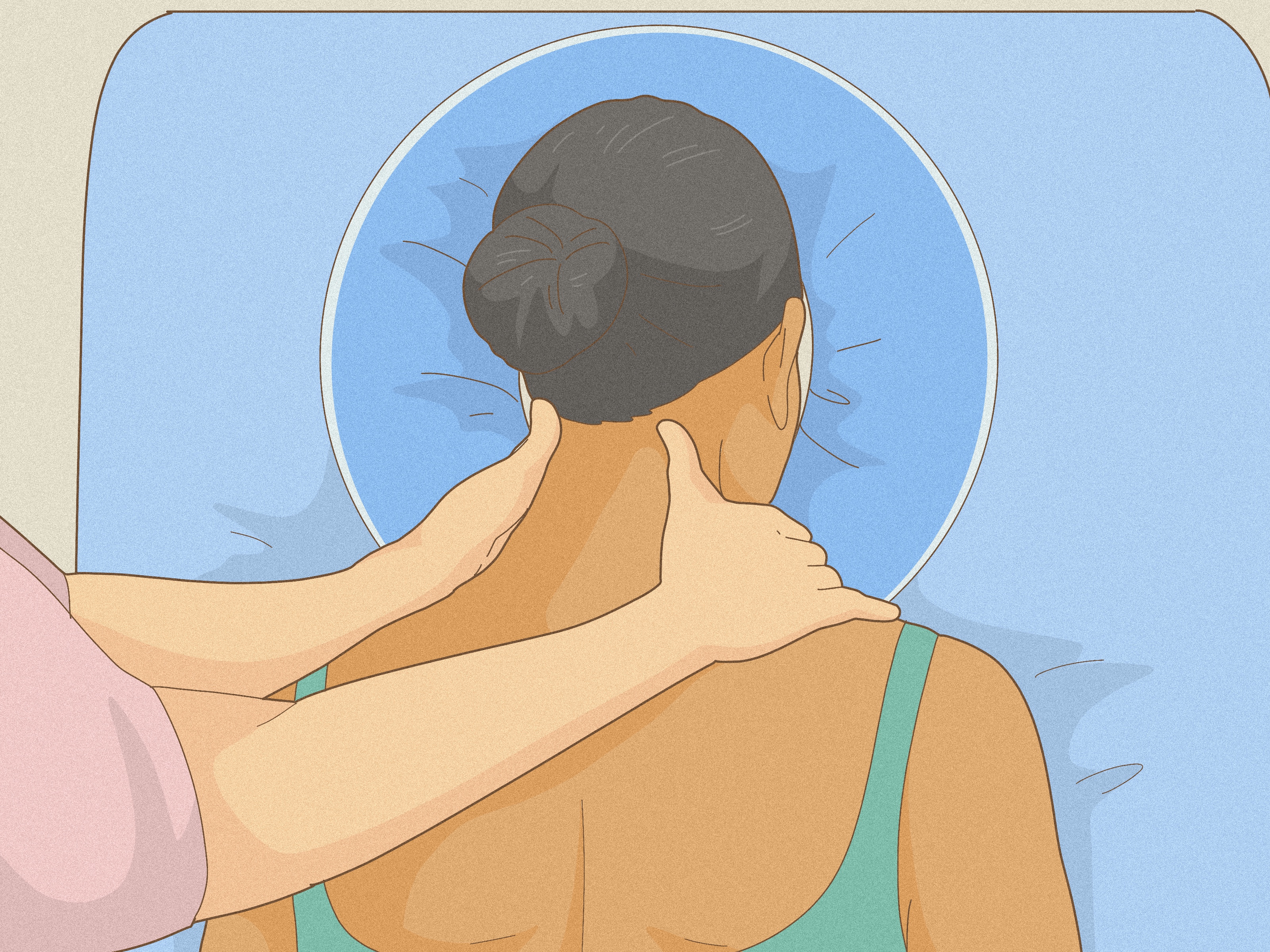
Use your fingertips to massage the muscles along the sides and back of your neck. Keep the pressure mild to moderate. Small circular motions can help loosen tight spots. You can also massage the upper shoulders, because neck tension and shoulder tension are frequent partners in crime.
Reset Your Desk Posture
Many neck problems are not caused by one dramatic event. They are caused by thousands of tiny posture choices. Looking down at a phone for hours, craning toward a monitor, or working from the couch with your laptop balanced like a tray of nachos can all load the neck unevenly.
Set your screen at eye level. Keep your shoulders relaxed. Bring your phone up toward your face instead of dropping your face toward the phone. Every 30 to 60 minutes, take a short movement break. Roll your shoulders, stand up, and move your neck gently. “Motion is lotion” may sound like something printed on a gym water bottle, but it is a useful reminder.
Practice Chin Tucks
A chin tuck helps counter forward-head posture. Sit tall, look straight ahead, and gently draw your chin backward as if making a double chin. Hold for three to five seconds, then release. Repeat five to ten times. It may not look glamorous, but neither does walking around with a neck that feels like stale bread.
This method may not create a dramatic crack, but it often reduces the need to crack your neck constantly. That matters because frequent forceful cracking can irritate tissues and reinforce a habit loop: tightness, crack, brief relief, repeat.
Way 3: Get Professional Help Instead of Forcing It
If your neck always feels like it needs to crack, the issue may not be a stubborn joint. It could be muscle weakness, posture strain, joint irritation, nerve involvement, arthritis, an old injury, or stress-related tension. A professional evaluation can help identify the actual cause.
See a Physical Therapist
A physical therapist can assess your posture, strength, flexibility, and movement patterns. Instead of simply chasing a pop, physical therapy focuses on improving how your neck functions. Treatment may include mobility work, strengthening exercises, manual therapy, ergonomic coaching, and a home program.
This is especially useful if your neck stiffness comes back every day. A quick pop may feel good for five minutes, but better movement habits can help for the long term.
Be Careful With High-Velocity Neck Manipulation
Professional neck manipulation is different from self-cracking, but it still deserves caution. Sudden, forceful neck movements have been associated with rare but serious complications. This does not mean every neck adjustment is dangerous. It does mean your neck is not the place for amateur power moves.
If you see a chiropractor, osteopathic physician, or other manual therapist, share your full health history. Mention dizziness, migraines, blood vessel issues, recent injury, numbness, tingling, weakness, or unusual headaches. A responsible provider should screen for risk factors and explain safer options.
Know When Not to Crack Your Neck
Do not try to crack your neck if you recently had a fall, car accident, sports injury, or whiplash. Avoid it if you have severe pain, fever, unexplained weight loss, cancer history, osteoporosis, numbness, weakness, balance problems, dizziness, or pain shooting into your arm. These symptoms deserve medical attention, not a dramatic twist-and-hope strategy.
Common Mistakes People Make When Cracking Their Neck
Mistake 1: Using the Hands to Force Rotation
Pulling your head with your hands increases leverage. More leverage can mean more strain. If a movement cannot happen comfortably without your hands, your neck is telling you something important.
Mistake 2: Cracking the Neck Every Few Minutes
Occasional popping during normal movement is one thing. Constant cracking can become a habit that does not solve the underlying stiffness. If you feel a need to crack repeatedly, look at your posture, stress, sleep position, and exercise routine.
Mistake 3: Ignoring Pain Because the Pop Feels Good
Temporary relief can be misleading. Pain is data. If cracking gives you brief relief but pain keeps returning, the crack is probably not fixing the root problem.
Safer Alternatives to Neck Cracking
If you want neck relief without chasing a pop, try a simple routine: apply heat for 15 minutes, perform gentle rotations, do chin tucks, stretch the upper trapezius, and take a short walk. This combination helps muscles, joints, circulation, and posture without forcing your neck into a risky position.
Strengthening also matters. A neck that feels stiff may actually need better support from the deep neck flexors, shoulder blades, and upper back. Exercises like chin tucks, wall angels, shoulder blade squeezes, and gentle resistance-band rows can help build a more resilient posture over time.
Experience Section: Real-Life Lessons About the Urge to Crack Your Neck
Anyone who works at a desk has probably experienced the classic 3 p.m. neck situation. You have been typing for hours, your coffee has gone cold, and your head has slowly migrated toward the screen like it is trying to read confidential documents. Then the stiffness appears. You rotate your neck, hear a tiny pop, and suddenly feel like you have unlocked a new level of human existence.
The problem is that the relief often fades quickly. Many people crack their neck, feel better for a moment, and then repeat the same posture that caused the stiffness in the first place. It is like mopping the floor while the sink is still overflowing. The crack is not necessarily the villain, but it is not the whole solution either.
A better experience begins with noticing patterns. Does your neck feel tight after scrolling in bed? After driving? After sleeping on a pillow that has the structural integrity of a pancake? After stress-heavy days when your shoulders creep toward your ears? These clues matter. Neck tension is often a lifestyle receipt, and the body keeps very accurate records.
One practical approach is the “pause before pop” rule. When you feel the urge to crack your neck, pause and do three things first: relax your shoulders, take five slow breaths, and gently move your neck through a comfortable range. Many people discover that the urge fades after the muscles relax. If a natural pop happens, fine. If not, the neck still gets useful movement.
Another helpful habit is building micro-breaks into the day. A one-minute reset can be surprisingly effective. Stand up, pull your shoulder blades gently back, tuck your chin, turn your head slowly left and right, then reach your arms overhead. It is not dramatic. No one will write an action movie about it. But it works better than waiting until your neck feels like a rusty door hinge.
Sleep setup also changes the experience. A pillow should keep your neck in a neutral position, not bent sharply upward or drooping downward. Side sleepers usually need enough pillow height to fill the space between the shoulder and head. Back sleepers often do better with moderate support. Stomach sleeping can be rough on the neck because it keeps the head turned for long periods. Your neck may forgive you, but it will file a complaint.
Stress deserves a mention too. Many people hold tension in the jaw, neck, and shoulders without realizing it. During stressful work, difficult conversations, or long concentration sessions, the neck muscles may tighten quietly in the background. Gentle stretching, breathing, walking, and jaw relaxation can reduce the pressure that makes cracking feel necessary.
The best lesson is simple: treat neck cracking as a signal, not a hobby. If your neck pops naturally during gentle movement, that is usually less concerning than forcing it. But if you constantly need to crack your neck to feel normal, your body may be asking for stronger postural muscles, better ergonomics, more movement, improved sleep support, or professional guidance.
In other words, do not build your neck-care strategy around sound effects. Build it around comfort, mobility, strength, and safety. Your neck has been holding up your head all day, including every questionable search, snack decision, and late-night “just one more episode” promise. It deserves better than being twisted into submission.
Conclusion
Cracking your neck can feel satisfying, but the safest approach is gentle movement, not force. Slow range-of-motion stretches, heat, massage, posture resets, and professional care can help relieve neck tension without turning your cervical spine into a party trick. If a pop happens naturally, do not panic. If you need to force it, stop. Your neck is important, sensitive, and extremely close to your brain, which is generally something worth respecting.
Use these three approaches wisely: move gently, release muscle tension, and seek professional help when symptoms persist or feel unusual. The goal is not the loudest crack. The goal is a neck that moves well, feels better, and does not make you negotiate with it every afternoon.

