
Beauty Tools & Accessories
3 Ways to Cook Hemp Seeds for Eating
Jul
Hemp seeds may look like tiny beige pebbles, but do not let their size fool you. These little seeds are the kitchen equivalent of a quiet neighbor who secretly runs marathons, fixes cars, and makes excellent banana bread. Also called hemp hearts when the outer shell is removed, hemp seeds have a mild nutty flavor, a soft chew, and a nutrition profile that makes plant-based eaters, busy parents, smoothie lovers, and oatmeal loyalists nod approvingly.
The best part? Learning how to cook hemp seeds for eating is almost suspiciously easy. You do not need culinary school, a copper saucepan, or a dramatic apron. Hemp seeds can be toasted, simmered into creamy breakfast bowls, blended into sauces and milk, or added to baked goods and savory dishes. They are flexible enough for breakfast, lunch, dinner, snacks, and those mysterious 10:37 p.m. kitchen visits when “just one bite” becomes a small bowl of something delicious.
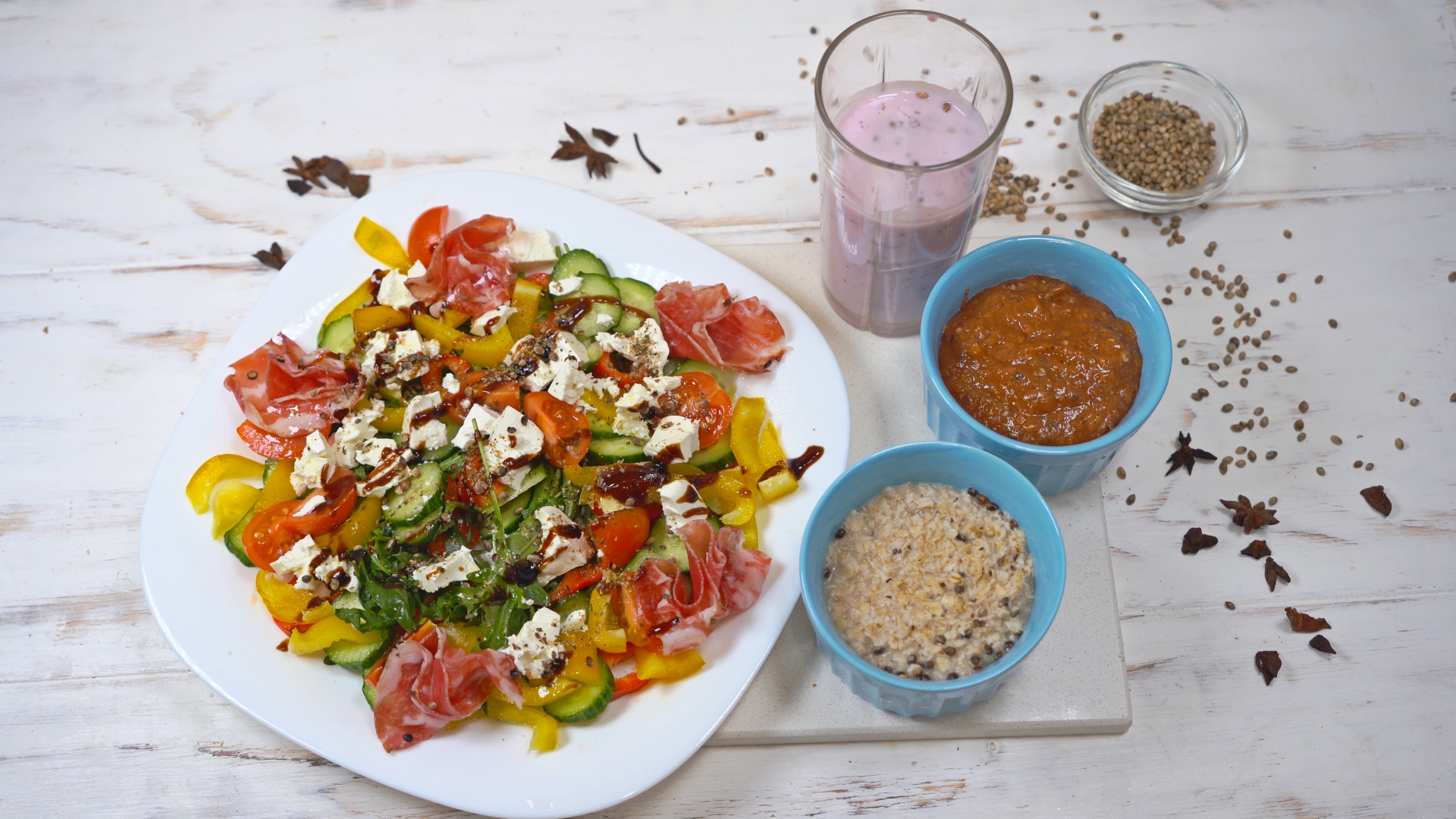
In this guide, we will cover three practical ways to cook hemp seeds: toasting them for crunch, simmering them into warm meals, and blending them into creamy recipes. You will also learn how to store them, what they taste like, where they fit nutritionally, and how to use them without turning your food into health-food confetti.
What Are Hemp Seeds?
Hemp seeds come from the Cannabis sativa plant, but the edible seeds sold for food are not intoxicating. They are valued for their nutrition, not for any psychoactive effect. Most grocery stores sell hulled hemp seeds, also known as hemp hearts. These are the soft inner kernels with the tough outer shell removed. Whole hemp seeds still have the shell, which adds more crunch and fiber but can be harder to chew.
Hemp hearts taste gently nutty, somewhere between sunflower seeds and pine nuts, with a creamy finish. They are not bold or bossy, which makes them useful in both sweet and savory recipes. Add them to oatmeal, smoothies, soups, salads, pasta, yogurt, roasted vegetables, homemade granola, energy bites, pancakes, muffins, pesto, dips, or salad dressings. Basically, hemp seeds are the agreeable friend of the pantry.
Why Cook with Hemp Seeds?
Hemp seeds are popular because they bring flavor, texture, and nutrition in one small scoop. A typical 3-tablespoon serving of hulled hemp seeds provides about 166 calories, roughly 9 to 10 grams of plant-based protein, healthy fats, and minerals such as magnesium, phosphorus, zinc, iron, and potassium. They also contain omega-3 and omega-6 fatty acids, including alpha-linolenic acid and linoleic acid.
Unlike some seeds that need grinding to make their nutrients easier to access, hulled hemp seeds are ready to eat straight from the bag. Cooking is not required, but gentle cooking can make them more flavorful and easier to use in everyday meals. Toasting deepens their nutty taste. Simmering softens them into creamy dishes. Blending turns them into sauces, dressings, and dairy-free hemp milk.
Before You Start: Hemp Seeds vs. Hemp Hearts
The terms can be confusing, so here is the simple version:
Hemp hearts
Hemp hearts are hulled hemp seeds. The outer shell has been removed, leaving the soft inner kernel. These are best for oatmeal, smoothies, sauces, salads, baking, and everyday cooking.
Whole hemp seeds
Whole hemp seeds include the crunchy outer shell. They offer more texture and fiber, but they are harder and more noticeable in recipes. They work well as a crunchy topping or in seed blends.
Hemp seed oil
Hemp seed oil is pressed from hemp seeds. It has a rich flavor but is best used as a finishing oil rather than a high-heat cooking oil. Drizzle it over salads, grain bowls, or cooked vegetables after they come off the heat.
Way 1: Toast Hemp Seeds for a Nutty Crunch
Toasting is the fastest way to make hemp seeds taste more intense. Raw hemp hearts are mild and creamy; toasted hemp hearts become nuttier, warmer, and more aromatic. Think of it as turning the volume knob from “polite background music” to “now we are paying attention.”
How to Toast Hemp Seeds
Place a dry skillet over low to medium-low heat. Add hemp hearts in a thin layer. Stir often for 2 to 4 minutes, until they smell nutty and look lightly golden. Remove them from the pan immediately because the residual heat can keep cooking them. Let them cool before storing or sprinkling.
Do not walk away from the skillet. Hemp seeds are small and rich in healthy fats, which means they can go from golden to “oops” quickly. If your kitchen smells pleasantly nutty, you are doing great. If it smells like regret, lower the heat next time.
Best Uses for Toasted Hemp Seeds
Toasted hemp seeds are excellent on oatmeal, yogurt, smoothie bowls, avocado toast, roasted sweet potatoes, grain bowls, salads, soups, and pasta. They also make a flavorful topping for scrambled eggs, tofu scrambles, baked fish, roasted carrots, and creamy squash soup.
Quick Recipe: Toasted Hemp Seed Salad Topper
Toast 1/4 cup hemp hearts in a dry skillet. Toss with a pinch of sea salt, black pepper, garlic powder, and lemon zest. Sprinkle over leafy greens, quinoa bowls, or roasted vegetables. The result is crunchy, savory, and much more interesting than sad croutons from a forgotten pantry box.
Way 2: Simmer Hemp Seeds into Oatmeal, Porridge, and Savory Bowls
Hemp hearts soften beautifully in warm dishes. When simmered with oats, milk, water, or broth, they add creaminess and a subtle nutty flavor. They will not thicken like chia seeds, but they do make breakfast bowls and savory porridges more satisfying.
How to Cook Hemp Seeds in Oatmeal
Cook your oats as usual, then stir in 1 to 3 tablespoons of hemp hearts during the final minute or two. This keeps the texture soft without overcooking the seeds. Add cinnamon, banana, berries, peanut butter, maple syrup, or chopped apples for a sweet version. For extra creaminess, use milk or a dairy-free milk instead of water.
Quick Recipe: Creamy Hemp Seed Oatmeal
Combine 1/2 cup rolled oats, 1 cup milk or water, a pinch of salt, and 1/2 sliced banana in a small pot. Simmer for 5 minutes, stirring often. Add 2 tablespoons hemp hearts during the final minute. Finish with cinnamon, walnuts, berries, and a drizzle of honey or maple syrup. It tastes cozy, keeps you full, and does not require arguing with a blender before coffee.
How to Cook Hemp Seeds in Savory Bowls
Hemp seeds are not just for breakfast. Stir them into rice bowls, quinoa, polenta, mashed cauliflower, vegetable soups, or lentil stew near the end of cooking. They add body without making the dish heavy. For a savory bowl, combine cooked grains, roasted vegetables, greens, chickpeas, and a spoonful of hemp hearts. Add lemon juice, olive oil, herbs, and a little salt.
Quick Recipe: Savory Hemp Seed Breakfast Bowl
Warm 1 cup cooked quinoa or brown rice with a splash of broth. Stir in 2 tablespoons hemp hearts, sautéed spinach, and a pinch of smoked paprika. Top with an egg, tofu, avocado, or roasted mushrooms. Add hot sauce if your morning personality requires a dramatic entrance.
Way 3: Blend Hemp Seeds into Sauces, Milk, Smoothies, and Dips
Blending may be the most underrated way to cook with hemp seeds because it turns them into creamy magic without dairy, nuts, or complicated prep. Hemp hearts blend smoothly with water, lemon juice, herbs, garlic, fruit, cocoa, or spices. They can become hemp milk, creamy salad dressing, pasta sauce, smoothie boosters, or a quick dip.
How to Make Hemp Milk
Blend 1/2 cup hemp hearts with 3 to 4 cups cold water for about 30 to 60 seconds. Add a pinch of salt and, if desired, vanilla, cinnamon, dates, or maple syrup. Hemp milk usually does not need straining because hemp hearts are soft. Store it in the refrigerator and shake before using.
Quick Recipe: Simple Hemp Milk
Add 1/2 cup hemp hearts, 3 cups water, 1 teaspoon maple syrup, 1/2 teaspoon vanilla, and a pinch of salt to a blender. Blend until smooth. Use it in coffee, cereal, oatmeal, smoothies, or pancake batter. Homemade hemp milk has a fresh nutty flavor and can be made faster than you can locate the missing lid to your travel mug.
How to Make Creamy Hemp Seed Sauce
For a savory sauce, blend 1/3 cup hemp hearts with 1/4 cup water, 2 tablespoons lemon juice, 1 tablespoon olive oil, 1 small garlic clove, salt, pepper, and fresh herbs. Add more water until it reaches your desired texture. Use it on roasted vegetables, tacos, grilled chicken, tofu, grain bowls, or baked potatoes.
Quick Recipe: Lemon-Garlic Hemp Dressing
Blend 1/3 cup hemp hearts, juice of 1 lemon, 1/4 cup water, 1 tablespoon olive oil, 1 garlic clove, 1 teaspoon Dijon mustard, and a pinch of salt. Taste and adjust. If it is too thick, add water one spoonful at a time. If it is too sharp, add a tiny drizzle of honey. If it tastes amazing, congratulations: you have accidentally become the salad person.
Can You Bake with Hemp Seeds?
Yes. Hemp seeds can be baked into muffins, quick breads, granola, cookies, pancakes, waffles, and homemade protein bars. Add 2 to 4 tablespoons to a standard muffin or pancake batter, or sprinkle them on top before baking. Their mild flavor works well with banana, pumpkin, apple, cinnamon, chocolate, peanut butter, and berries.
For best results, use hemp hearts rather than whole hemp seeds in tender baked goods. Whole seeds can be crunchy, which may be great in granola but distracting in a soft banana muffin. Nobody wants a muffin that fights back.
Do Hemp Seeds Need to Be Cooked?
No. Hemp hearts are safe and pleasant to eat raw. You can sprinkle them directly over food, stir them into yogurt, blend them into smoothies, or add them to dips. Cooking is about flavor and texture, not safety. Gentle heat can make them toastier, creamier, or easier to incorporate into meals.
However, avoid harsh high-heat cooking for long periods. Because hemp seeds contain delicate polyunsaturated fats, they are best treated kindly. Toast briefly, simmer gently, blend raw, or add them near the end of cooking. Your hemp seeds do not need a spa day, but they do appreciate not being scorched.
How Much Hemp Seed Should You Eat?
A common serving is 1 to 3 tablespoons. Three tablespoons of hemp hearts is a popular benchmark because it provides a meaningful amount of protein, healthy fat, and minerals without overwhelming a meal. If you are new to hemp seeds, start with 1 tablespoon and increase gradually, especially if you are adding them to several meals a day.
Hemp seeds are nutrient-dense, but they are also calorie-dense because of their fat content. That is not a bad thing; healthy fats help meals feel satisfying. It simply means a small scoop goes a long way.
Flavor Pairings That Work Well with Hemp Seeds
Sweet pairings
Banana, berries, apple, cinnamon, maple syrup, cocoa, peanut butter, almond butter, vanilla, dates, coconut, oats, pumpkin, and yogurt all pair beautifully with hemp hearts.
Savory pairings
Lemon, garlic, basil, parsley, cilantro, avocado, olive oil, roasted vegetables, chickpeas, eggs, tofu, salmon, sweet potatoes, quinoa, rice, tomatoes, and tahini are excellent partners.
Spices and seasonings
Try smoked paprika, cumin, chili flakes, black pepper, nutritional yeast, everything bagel seasoning, curry powder, or za’atar. Hemp seeds are mild enough to let bold seasonings shine.
Common Mistakes When Cooking Hemp Seeds
Using too much heat
High heat can make hemp seeds taste bitter or burnt. Toast them gently and stir often.
Adding them too early to soups
If you simmer hemp seeds for a long time, they can lose some of their pleasant texture. Add them near the end for the best flavor.
Expecting them to behave like chia seeds
Hemp seeds do not gel the same way chia seeds do. They add creaminess and body, but they will not turn liquid into pudding by themselves.
Forgetting storage
Because hemp seeds contain healthy fats, they stay freshest when stored properly. Keep them in an airtight container in the refrigerator or freezer after opening. This helps preserve flavor and reduces the chance of rancidity.
500-Word Experience Section: Cooking Hemp Seeds in Real Life
The first time many people buy hemp seeds, they do the same thing: open the bag, stare into it, and wonder whether they have purchased food or birdseed with a publicist. Hemp hearts are not flashy. They do not sparkle like berries or smell like fresh bread. But after a week of using them, they often become one of those quiet pantry staples that sneaks into everything.
My favorite beginner experience with hemp seeds is toasted oatmeal. Raw hemp hearts are good, but lightly toasted hemp hearts are the moment the light bulb turns on. The flavor becomes warmer and nuttier, and suddenly a basic bowl of oats tastes like someone cared. Add sliced banana, cinnamon, and a spoonful of peanut butter, and breakfast goes from “responsible” to “I would pay eight dollars for this at a café if the chair were uncomfortable enough.”
Another practical experience is using hemp seeds in sauces. This is where they truly earn their counter space. A handful of hemp hearts, lemon juice, garlic, water, and herbs can become a creamy dressing in less than two minutes. No soaking cashews. No hunting for specialty ingredients. No emotional negotiation with a food processor. The sauce works on grain bowls, roasted vegetables, wraps, and even leftover chicken or tofu. It tastes fresh, slightly nutty, and much richer than the effort suggests.
Hemp milk is also surprisingly useful. Homemade hemp milk takes almost no time because hemp hearts are soft and blend easily. Unlike almond milk, it usually does not require soaking or straining. That makes it perfect for people who like the idea of homemade plant milk but do not want their kitchen routine to become a part-time job. Use it in smoothies, oatmeal, coffee, or pancake batter. The flavor is mild, though slightly earthy, so vanilla and a tiny pinch of salt help round it out.
In savory cooking, hemp seeds shine best as a finishing ingredient. Sprinkle toasted hemp hearts over roasted broccoli, tomato soup, avocado toast, or a rice bowl. They add a gentle crunch and a satisfying richness. If a dish tastes flat, hemp seeds will not replace salt, acid, or seasoning, but they can add the missing “something” that makes a meal feel complete.
The biggest lesson is not to overthink them. Hemp seeds do not need a complicated recipe. They are a scoop-and-go ingredient. Keep a bag in the refrigerator, use a tablespoon here and there, and notice where they fit naturally. Breakfast bowls, smoothies, salads, soups, and sauces are the easiest places to start. After a while, adding hemp hearts becomes as automatic as reaching for black pepper. Tiny seeds, big personality, very low drama.
Final Thoughts: The Easiest Ways to Cook Hemp Seeds for Eating
Hemp seeds are one of the simplest nutrient-rich ingredients to add to everyday meals. Toast them when you want crunch and a deeper nutty flavor. Simmer them into oatmeal, porridge, soups, and savory bowls when you want creaminess and staying power. Blend them into hemp milk, smoothies, sauces, and dressings when you want a dairy-free texture boost.
The key is gentle handling. Hemp hearts are already edible, so cooking should improve them, not punish them. Keep heat low, add them near the end of recipes, and store them in the refrigerator or freezer for freshness. Once you get comfortable, you will find dozens of ways to use them without turning your kitchen into a wellness laboratory.
Whether you are building a better breakfast, upgrading a salad, making a creamy sauce, or sneaking more plant-based protein into your meals, hemp seeds are small but mighty. They are easy to cook, easy to eat, and much more useful than their humble appearance suggests.
SEO Tags
Note: This article is written for general food and nutrition education. Anyone with allergies, medical conditions, pregnancy-related concerns, or medication questions should consult a qualified healthcare professional before making major dietary changes.

