
Hair Care
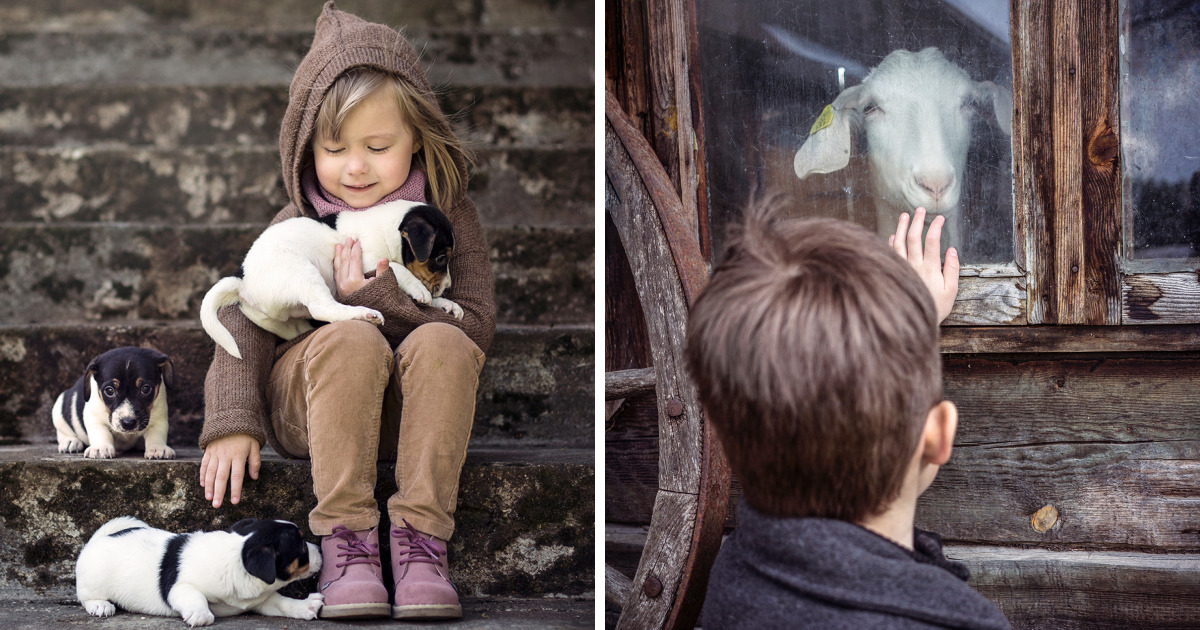
The Friendship Between Children And Animals
May
There is a special kind of magic that happens when a child meets an animal. A toddler gently pats a sleepy dog. A seven-year-old whispers secrets to a cat who, frankly, looks like she has heard better gossip. A teenager finds comfort in walking the family dog after a difficult day at school. The friendship between children and animals is not just cute enough to melt a phone camera; it is also one of the most meaningful relationships a child can experience.
Animals do not care whether a child got an A on a spelling test, wore mismatched socks, or accidentally called the teacher “Mom.” They respond to tone, touch, consistency, and kindness. That makes pets and other animals powerful companions for emotional growth, social learning, responsibility, and everyday joy.
At the same time, the child-animal bond works best when adults guide it. A loving friendship between a child and a pet is not built by handing a puppy to a preschooler and hoping everyone figures it out. It grows through supervision, patience, hygiene, safe handling, and respect for the animal’s needs. When children learn that animals have feelings, boundaries, routines, and preferences, they also learn something bigger: how to care for another living being.
Why Children Are Naturally Drawn to Animals
Children and animals often connect because they communicate in ways that do not depend entirely on words. A dog wagging its tail, a rabbit freezing in place, a cat curling beside a child, or a horse lowering its head all send messages that children can learn to read. This kind of nonverbal communication helps children slow down and notice body language, mood, and space.
Young children are also curious. Animals move, eat, sleep, play, sniff, chirp, splash, and occasionally do ridiculous things like chase their own tails or sit in a cardboard box despite having a perfectly expensive bed nearby. For a child, animals are living mysteries. They make the world feel bigger, more interesting, and more alive.
This curiosity can become a gateway to learning. A child who feeds fish may ask why they need clean water. A child who helps brush a dog may learn about shedding, skin health, and patience. A child who watches birds in the backyard may begin to understand seasons, habitats, and ecosystems. The friendship between children and animals often starts with affection, but it can grow into science, empathy, and respect for nature.
The Emotional Benefits of the Child-Animal Bond
One of the strongest reasons families value pets is the emotional comfort they provide. Many children talk to animals when they feel embarrassed, lonely, worried, or misunderstood. A pet does not interrupt with a lecture. A pet does not say, “Well, when I was your age…” A pet simply stays nearby, which can be exactly what a child needs.
Research on human-animal interaction suggests that pets can help reduce stress, encourage positive emotions, and support social and emotional development. For children, this support can be especially meaningful during major transitions: moving to a new home, starting school, dealing with family changes, recovering from illness, or navigating friendship problems.
Animals Offer Nonjudgmental Companionship
Children often feel pressure to perform. They are learning rules, manners, academic skills, social expectations, and emotional control all at once. That is a lot for a person whose shoelaces may still be a daily enemy. Animals offer a softer kind of relationship. A dog does not grade handwriting. A guinea pig does not judge a reading level. A cat may judge everyone, but at least she does it silently.
This nonjudgmental companionship can help children feel accepted. Reading aloud to a pet, for example, can make practice less intimidating. The animal becomes a calm audience, and the child gains confidence without fear of correction or embarrassment.
Pets Can Help Children Process Big Feelings
Children do not always have the words to explain sadness, anger, fear, or disappointment. Time with animals can help them regulate those emotions. Brushing a dog, watching fish swim, stroking a cat, or sitting quietly near a rabbit can create a calming rhythm. These small moments teach children that comfort does not always come from solving a problem immediately. Sometimes it comes from breathing, being still, and feeling connected.
How Animals Teach Empathy and Compassion
Empathy is the ability to understand and care about another being’s experience. Animals give children daily opportunities to practice it. Is the dog tired? Is the cat hiding because the room is too loud? Does the hamster need fresh water? Is the horse nervous? These questions help children look beyond their own wants.
When adults say, “Look, the puppy moved away. That means he needs a break,” children learn that love includes respect. When a child learns not to pull a tail, not to chase a frightened animal, and not to interrupt a pet while eating or sleeping, the lesson is bigger than pet safety. The child learns that other beings have boundaries.
Kindness Becomes a Daily Habit
Compassion is not only a feeling; it is a habit. Filling a water bowl, speaking gently, closing a gate, or noticing when an animal seems uncomfortable are practical acts of care. These small responsibilities can shape a child’s character over time.
Children who build positive relationships with animals often become more aware of vulnerability. A small kitten, an aging dog, or a rescued animal may need patience and protection. Through these experiences, children can learn tenderness without a formal lecture titled “Tenderness 101,” which, let’s be honest, no child would sign up for voluntarily.
Responsibility: The Friendship Comes With a Food Bowl
The friendship between children and animals is joyful, but it is not all cuddles and cute photos. Pets need food, water, exercise, grooming, veterinary care, clean living spaces, and safe routines. This makes pet care a practical way to teach responsibility.
However, adults should remember one important rule: a child can help care for a pet, but the adult is ultimately responsible for the animal’s welfare. A six-year-old may proudly feed the dog, but an adult must make sure the dog actually gets the correct food, in the correct amount, at the correct time. Otherwise, breakfast may become three scoops of kibble, a cracker, and half a banana “because he looked hungry.”
Age-Appropriate Pet Care Tasks
Young children can help with simple tasks such as filling a water bowl with supervision, putting toys away, or helping choose a safe treat. Older children may help with brushing, walking, cleaning cages, or learning basic training commands. Teenagers can take on more consistent responsibilities, including exercise schedules, feeding routines, and helping arrange veterinary visits.
The key is consistency. Children learn responsibility best when pet care becomes part of the family rhythm. A chore chart, reminder system, or shared routine can help children see that caring for an animal is not something we do only when it is fun. It is something we do because another living being depends on us.
Animals and Social Development
Animals can also support social development. For some children, pets act as social bridges. A shy child walking a dog may find it easier to talk to neighbors. A child who struggles to join a group may connect with classmates over a shared love of cats, horses, reptiles, or backyard birds. Animals give children something warm and natural to talk about.
In some therapeutic and educational settings, carefully selected animals are used to support communication, confidence, and engagement. Studies and clinical programs have explored how dogs, horses, and other animals may help children feel more relaxed, motivated, or socially connected. While animals are not magic cures, they can be helpful partners when used responsibly and ethically.
Support for Children With Anxiety or Social Challenges
Some children feel calmer around animals than around people. A pet’s steady presence can reduce the pressure of face-to-face interaction. For children with anxiety, autism spectrum disorder, or social communication challenges, animals may help create a sense of safety and routine.
For example, a child who finds group play overwhelming may still enjoy teaching a dog to sit, brushing a calm pony, or feeding a classroom fish. These interactions can build confidence one small success at a time. The animal does not demand perfect conversation. It simply responds to care, consistency, and calm behavior.
The Physical Health Side of Growing Up With Animals
Many pets encourage movement. Dogs need walks. Horses require grooming and handling. Even active play with a cat can get a child moving, especially if the cat has decided that 8:00 p.m. is the official hour of household parkour.
Regular interaction with pets can encourage outdoor time, exercise, and family activity. Walking a dog after dinner, tossing a ball in the yard, or helping clean an animal enclosure can pull children away from screens and into real-world movement. That does not mean every pet automatically creates a fitness plan. A goldfish is not going to lead a cardio class. Still, many animals naturally invite children to be more active and observant.
Allergies, Asthma, and Realistic Expectations
Some studies suggest that early exposure to certain pets may be linked with lower risks of some allergic conditions, but the science is complex and not the same for every child. Families with asthma, allergies, eczema, or immune concerns should talk with a pediatrician before bringing a pet home. Pet dander, saliva, urine, bedding, and fur can trigger symptoms in sensitive children.
The healthiest approach is balanced. Pets can be wonderful for many families, but they are not medically appropriate for every household. A child’s health history, the type of animal, cleaning routines, and living environment all matter.
Safety: Love Needs Rules
A safe friendship between children and animals requires adult guidance. Even a gentle family pet can scratch, bite, jump, nip, or panic. Children, especially younger ones, may not recognize warning signs. They may hug too tightly, grab fur, interrupt meals, or run toward an unfamiliar dog with the confidence of a tiny superhero and the judgment of a potato.
Adults should supervise interactions, teach children animal body language, and create safe spaces where pets can retreat. Animals should never be expected to tolerate rough handling simply because “they love kids.” Love does not mean unlimited patience.
Basic Rules Every Child Should Learn
Children should ask permission before touching someone else’s pet. They should let a dog sniff first, use gentle hands, avoid the face and tail, and never bother animals while they are eating, sleeping, injured, caring for babies, or guarding toys. Children should also learn not to chase, tease, ride, squeeze, or corner animals.
For hygiene, children should wash their hands after touching animals, handling pet food, cleaning cages, or playing outside where animals live. Reptiles, amphibians, chicks, rodents, and some farm animals can carry germs even when they look healthy, so families should follow safety guidance carefully, especially with children under five.
Choosing the Right Animal for a Child
Not every animal is right for every family. The best pet is not always the cutest one in the shelter photo or the one your child insists is “basically already my best friend.” Families should consider time, budget, allergies, space, noise level, travel habits, and the animal’s lifespan and care needs.
Dogs may be affectionate and active, but they need training, exercise, socialization, and veterinary care. Cats may be more independent, but they still need enrichment, litter care, and respect for their boundaries. Rabbits, guinea pigs, birds, reptiles, and fish each have specific needs that families should understand before adoption or purchase.
Match the Pet to the Family, Not the Fantasy
A high-energy dog may not thrive in a family that is rarely home. A delicate small animal may not be ideal for a toddler who is still learning gentle touch. A reptile may fascinate a child, but it requires careful hygiene and habitat management. A pet should fit the real household, not the imaginary one where everyone wakes at sunrise smiling and nobody ever forgets to clean anything.
Before bringing an animal home, families should research the species, talk to veterinarians or reputable animal welfare organizations, and consider adoption from responsible shelters or rescue groups. The goal is not just to make a child happy for a weekend. The goal is to create a stable, humane relationship for years.
The Role of Parents and Caregivers
Parents are the translators in the friendship between children and animals. They help children understand what an animal is saying through posture, sound, movement, and behavior. They also model kindness. A child who sees adults speaking gently, providing consistent care, and respecting an animal’s comfort will learn far more than from any single lecture.
Caregivers should also teach children that animals are not toys, decorations, or emotional vending machines. A pet is a living companion with needs of its own. Sometimes the dog does not want to play. Sometimes the cat wants personal space. Sometimes the guinea pig is not in the mood to attend a tea party. That is not rejection; it is normal animal behavior.
When a Pet Dies: A Difficult but Important Lesson
One of the hardest parts of loving an animal is saying goodbye. For many children, the death of a pet is their first experience with grief. While painful, it can also become a compassionate lesson when adults handle it honestly and gently.
Children need simple, truthful explanations. They also need permission to feel sad, confused, or even angry. Creating a memory box, drawing pictures, planting flowers, or telling favorite stories can help children honor the bond. The loss of a pet teaches that love is real even when it does not last forever.
Animals in Schools, Therapy, and Community Programs
Children may also form meaningful connections with animals outside the home. Classroom pets, therapy dogs, farm visits, humane education programs, riding programs, animal shelters, and wildlife observation can all introduce children to the value of caring for living beings.
These experiences must be carefully managed. Schools and programs should consider allergies, sanitation, animal welfare, supervision, and the temperament of each animal. A classroom pet should not be a stressed animal trapped in a noisy room. A therapy animal should be trained, healthy, and handled by knowledgeable adults. The animal’s well-being matters just as much as the child’s experience.
What Children Learn From Animal Friendship
The friendship between children and animals teaches lessons that are difficult to learn from screens, worksheets, or lectures. It teaches patience when a dog needs time to learn a command. It teaches gentleness when a kitten is small and fragile. It teaches observation when a rabbit’s body language changes. It teaches responsibility when the water bowl is empty. It teaches humility when the cat ignores everyone equally.
Most importantly, it teaches connection. In a busy world, animals help children return to simple truths: be kind, pay attention, move gently, keep promises, and care for those who depend on you.
Real-Life Experiences: Growing Up Beside Animals
Many adults can still remember the animals that shaped their childhood. Maybe it was the family dog who slept outside the bedroom door during thunderstorms. Maybe it was a barn cat who appeared at breakfast like a mysterious landlord collecting rent in the form of affection. Maybe it was a classroom hamster who taught an entire group of children that tiny creatures can have very big personalities.
One common childhood experience is the “secret keeper” pet. A child comes home upset after a hard day, sits beside the dog, and talks. The dog does not understand every word, but he understands tone. He leans in, sighs, or places his head on the child’s lap. To an adult, this may look ordinary. To the child, it feels like loyalty. That moment can become a quiet emotional anchor.
Another powerful experience is learning responsibility through routine. A child may begin by helping pour food into a bowl. At first, the task is exciting. Then it becomes normal. Eventually, the child realizes the animal waits every day, hungry and trusting. That realization matters. Responsibility stops being an abstract word and becomes a pair of eyes looking up from beside an empty dish.
There are funny lessons too. Children quickly learn that animals have opinions. A cat may reject the expensive toy and choose the box. A dog may bark bravely at the vacuum cleaner but hide from a cucumber. A pony may behave beautifully for an instructor and then test every beginner like a furry professor of patience. These moments make children laugh, but they also teach flexibility. Animals are not remote-controlled. They have moods, instincts, and preferences.
Some children learn courage from animals. A nervous child may feel brave enough to read aloud to a therapy dog. A shy child may make a friend at the park because both families have dogs. A child recovering from a difficult event may feel safer brushing a calm horse than talking directly about painful feelings. Animals can create a bridge between silence and expression.
Children also learn boundaries through animal friendship. A dog walking away means, “I need space.” A cat flicking her tail may mean, “That is enough.” A rabbit hiding in a corner may be scared. When adults help children interpret these signals, children begin to understand that love listens. This lesson can carry into human relationships as well.
There are also experiences of loss. The day a beloved pet dies can be heartbreaking. Yet many children remember the kindness around that loss: the family sitting together, the stories shared, the drawing taped to a memory box, the flowers planted in the yard. Grieving an animal teaches children that sadness is part of love, not the opposite of it.
Perhaps the deepest experience is the feeling of being chosen. When a cat curls beside a child, when a dog brings a toy, when a horse lowers its head, or when a bird learns to trust a gentle hand, the child feels seen. That sense of connection is powerful. It tells children that friendship is not always loud. Sometimes it has paws, whiskers, feathers, hooves, scales, or a wagging tail that knocks over a cup of juice at exactly the wrong moment.
The friendship between children and animals is not perfect, tidy, or always convenient. It comes with fur on clothes, muddy footprints, scratched furniture, spilled water bowls, veterinary bills, and the occasional mystery smell no one wants to investigate. But it also comes with laughter, comfort, growth, and love. For many children, animals are not just pets. They are teachers, companions, protectors, comedians, and first best friends.
Conclusion
The friendship between children and animals is one of childhood’s most meaningful relationships. It can support emotional growth, build empathy, encourage responsibility, improve social confidence, and bring everyday joy into family life. But the best child-animal friendships do not happen by accident. They require adult supervision, safe routines, health awareness, and respect for the animal as a living being with needs and boundaries.
When families choose pets thoughtfully and teach children how to care for them kindly, animals can become powerful partners in growing up. They help children practice patience, compassion, courage, and responsibility in ways that feel natural and memorable. A child may forget a lecture about kindness, but they may never forget the dog who waited by the door, the cat who listened from the pillow, or the rabbit who taught them to move gently. In that quiet friendship, children discover something beautiful: caring for another creature helps them become more fully human.

