
Skincare
What Diseases Could Cause My Gums to Bleed?
Aug
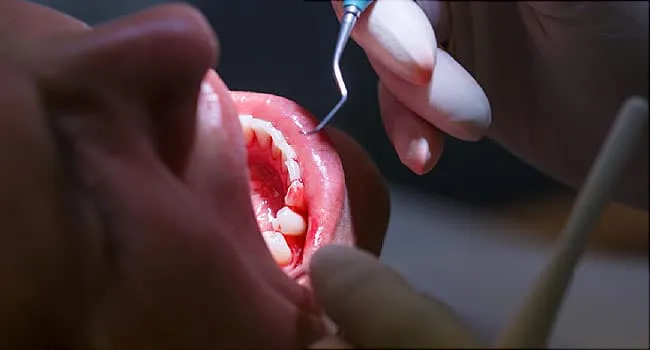
You notice a streak of pink in the sink after brushing. Then it happens again the next morning. Suddenly, your toothbrush looks less like a hygiene tool and more like evidence from a tiny crime scene.
Bleeding gums are common, and the most likely explanation is inflammation caused by plaque buildup. However, persistent or spontaneous gum bleeding can occasionally point to diabetes, a nutritional deficiency, a blood-clotting disorder, liver disease, leukemia, or another medical condition.
The amount of blood does not reliably reveal the seriousness of the cause. A small spot may come from irritated gums, while a more important clue may be the company it keeps: unexplained bruising, frequent nosebleeds, fatigue, fever, loose teeth, excessive thirst, or bleeding that takes unusually long to stop.
Here is how to separate everyday gum trouble from signs that deserve a broader medical investigation.
Why Do Gums Bleed in the First Place?
Healthy gum tissue forms a firm seal around each tooth. When plaquea sticky film containing bacteriacollects along the gumline, the immune system responds with inflammation. Inflamed tissue becomes swollen, tender, and easier to injure, so brushing or flossing may produce bleeding.
Blood clotting adds another layer to the story. Platelets create an initial plug at an injured blood vessel, while clotting proteins strengthen that plug. Diseases that reduce platelets, interfere with clotting proteins, or weaken small blood vessels can therefore make minor gum irritation bleed more than expected.
In other words, bleeding gums can begin with a problem in the mouth, a problem with the body’s clotting system, or both.
Diseases That Can Cause Bleeding Gums
1. Gingivitis
Gingivitis is the leading cause of bleeding gums. It develops when plaque and tartar irritate the tissue surrounding the teeth. Typical symptoms include red or puffy gums, tenderness, bad breath, and bleeding during brushing or flossing.
The good news is that gingivitis has not yet destroyed the bone supporting the teeth. Professional cleaning, twice-daily brushing, and daily interdental cleaning can usually reverse it. Waiting for it to disappear without changing anything is less effective; plaque is impressively committed to its lease.
2. Periodontitis
Untreated gingivitis can progress to periodontitis, a deeper inflammatory disease that damages the gums, ligaments, and bone holding the teeth in place. The gums may recede or separate from the teeth, creating pockets where additional bacteria collect.
Possible warning signs include:
- Gums that bleed easily or spontaneously
- Persistent bad breath or a bad taste
- Receding, red, or swollen gums
- Pus near the gumline
- Pain while chewing
- Loose teeth or changes in the bite
Periodontitis cannot be solved with a heroic weekend of brushing. Treatment may include scaling and root planing, ongoing periodontal maintenance, medication, or surgery, depending on how much tissue and bone have been affected.
3. Necrotizing Gum Disease
Necrotizing gingivitis, sometimes informally called trench mouth, is a painful and rapidly progressing gum infection. It can cause intense bleeding, ulcers between the teeth, grayish tissue, foul breath, fever, and significant pain.
It is more likely in people with severe stress, malnutrition, smoking, inadequate oral care, or a weakened immune system. Because the infection can destroy tissue, prompt dental treatment is important.
4. Diabetes
Diabetes does not usually make healthy gums bleed directly. Instead, high blood sugar can weaken the body’s response to infection, worsen gum inflammation, contribute to dry mouth, and slow healing. As a result, gingivitis or periodontitis may be more severe and harder to control.
Bleeding gums accompanied by frequent urination, unusual thirst, blurry vision, slow-healing wounds, unexplained weight loss, or recurrent infections should be discussed with a healthcare professional. Gum disease and diabetes also influence each other: poorly controlled diabetes can worsen periodontal disease, and serious periodontal inflammation may make blood sugar harder to manage.
5. Thrombocytopenia and Immune Thrombocytopenia
Platelets help form the first barrier that stops bleeding. Thrombocytopenia means the platelet count is abnormally low. It may result from an autoimmune condition, infection, bone marrow disorder, medication, cancer treatment, or another disease.
Immune thrombocytopenia, or ITP, occurs when the immune system destroys platelets. Gum bleeding may appear alongside frequent nosebleeds, heavy menstrual bleeding, tiny red or purple spots called petechiae, or bruises that seem to arrive without an invitation.
Severe thrombocytopenia can cause dangerous bleeding. Anyone with active gum bleeding plus widespread petechiae, rapidly developing bruises, blood in urine or stool, severe headache, weakness, or confusion needs urgent medical evaluation.
6. Von Willebrand Disease and Hemophilia
Von Willebrand disease is an inherited bleeding disorder involving a protein that helps platelets attach to injured blood vessels. People may experience prolonged bleeding after dental procedures, recurrent nosebleeds, easy bruising, heavy menstrual periods, or gum bleeding that lasts longer than expected.
Hemophilia involves deficiencies in specific clotting factors. It is especially associated with prolonged bleeding after injuries or procedures and, in more severe cases, bleeding into joints and muscles. Gum bleeding alone cannot diagnose either disorder, but a personal or family history of unusual bleeding is an important clue.
7. Leukemia and Other Bone Marrow Disorders
Leukemia can interfere with normal blood-cell production inside the bone marrow. When platelet production falls, bruising and bleeding may occur. Some forms of leukemia can also cause swollen gums or make oral infections more likely.
Bleeding gums are far more commonly caused by gingivitis than leukemia, so one pink toothbrush is not a reason to assume cancer. Concern rises when persistent gum bleeding appears with unexplained fatigue, paleness, fever, repeated infections, night sweats, bone pain, swollen lymph nodes, weight loss, petechiae, or extensive bruising.
Aplastic anemia, myelodysplastic syndromes, and other bone marrow conditions can also reduce platelet production. A complete blood count is often one of the first tests used when a systemic blood disorder is suspected.
8. Vitamin C Deficiency and Scurvy
Vitamin C is necessary for collagen production and the strength of blood vessels and connective tissue. Severe, prolonged deficiency can cause scurvy, with swollen or bleeding gums, loose teeth, easy bruising, poor wound healing, fatigue, joint discomfort, and distinctive corkscrew-shaped hairs.
Scurvy is uncommon in the United States, but it can occur in people who eat an extremely restricted diet, have a malabsorption condition, misuse alcohol, or cannot consistently obtain nutritious food. Bleeding gums should not automatically trigger megadoses of vitamin C; the cause should be evaluated first.
9. Vitamin K Deficiency
Vitamin K is required to produce several clotting proteins. A severe deficiency can make blood take longer to clot, resulting in easy bruising or bleeding from multiple locations, potentially including the gums.
Clinically significant vitamin K deficiency is rare in healthy adults eating a varied diet. It is more likely with disorders that impair fat absorption, such as celiac disease, cystic fibrosis, short bowel syndrome, or certain liver and bile-duct conditions. It can also occur after bariatric surgery or through medication-related interactions.
People taking warfarin should not suddenly change their vitamin K intake or start supplements without medical guidance. Consistency matters, and improvising with clotting-related medication is not a good kitchen-table experiment.
10. Liver Disease
The liver produces many proteins needed for normal blood clotting. Advanced hepatitis, cirrhosis, or liver failure may reduce their production. Liver disease can also contribute to low platelet counts, increasing the likelihood of bruising or bleeding.
Possible accompanying signs include yellow skin or eyes, dark urine, pale stool, abdominal swelling, itching, persistent nausea, confusion, or swelling in the legs. Gum bleeding with these symptoms requires medical attention rather than another brand of mouthwash.
11. HIV and Other Immune-System Conditions
Conditions that weaken or disrupt immune function can make periodontal infections more aggressive. HIV may be associated with severe gum inflammation, oral infections, ulcers, dry mouth, or tissue changes that bleed. Autoimmune diseases and immune-suppressing treatments can also alter the mouth’s ability to control infection and heal.
These conditions are not diagnosed from gum bleeding. A clinician evaluates the complete symptom pattern, medical history, medication use, examination findings, and appropriate laboratory tests.
12. Oral Lichen Planus
Oral lichen planus is a chronic inflammatory condition in which the immune system attacks cells in the mouth’s lining. One form creates white, lace-like patches. The erosive form may produce painful red tissue or open sores on the gums, cheeks, tongue, or lips that can bleed when irritated.
Because erosive oral lichen planus requires continued monitoring, persistent red or ulcerated areas should be examined by a dentist, oral medicine specialist, or physician.
Conditions and Habits That Can Look Like Disease
Not every episode of gum bleeding comes from an underlying illness. Common non-systemic causes include brushing aggressively, using a hard-bristled toothbrush, restarting flossing after a long break, food trapped beneath the gumline, poorly fitting dentures, braces, or irritation around a damaged tooth.
Pregnancy, puberty, and menopause can change how gum tissue responds to plaque. Pregnancy gingivitis, for example, may cause tender, swollen gums that bleed more easily. Hormonal changes usually amplify existing inflammation rather than replacing plaque as the central troublemaker.
Aspirin, anticoagulants, and antiplatelet drugs may make bleeding easier to notice or harder to stop. Never discontinue a prescribed medicine because your gums bleed. Contact the prescribing clinician and your dentist so they can evaluate the situation safely.
What Your Other Symptoms May Suggest
| Pattern | Possible explanation | Recommended response |
|---|---|---|
| Red, puffy gums with plaque and bad breath | Gingivitis or periodontitis | Arrange a dental examination and cleaning |
| Bleeding plus thirst, frequent urination, or slow healing | Diabetes or poor glucose control | See a healthcare professional and a dentist |
| Bleeding with petechiae, nosebleeds, or unexplained bruises | Platelet or clotting disorder | Seek prompt medical evaluation |
| Bleeding with fatigue, fever, pallor, or recurrent infections | Blood or bone marrow disorder | Contact a healthcare professional promptly |
| Bleeding with a highly restricted diet and poor wound healing | Possible nutritional deficiency | Request medical and nutritional assessment |
| Painful ulcers, foul breath, fever, or dying gum tissue | Necrotizing gum infection | Obtain urgent dental care |
| Bleeding with jaundice or abdominal swelling | Possible liver dysfunction | Seek prompt medical care |
How Bleeding Gums Are Diagnosed
A dentist will examine the color and texture of the gums, measure periodontal pockets, look for plaque and tartar, assess tooth mobility, and sometimes take dental X-rays to check for bone loss. The pattern matters: bleeding around one tooth suggests something different from spontaneous bleeding throughout the mouth.
If the dental findings do not fully explain the bleedingor if symptoms occur elsewherethe dentist may recommend medical evaluation. Depending on the situation, a clinician might order a complete blood count, platelet count, blood smear, clotting studies, liver tests, blood glucose testing, or tests for specific clotting factors and nutritional deficiencies.
Do not try to diagnose a bleeding disorder from symptoms alone. Many conditions overlap, and laboratory results must be interpreted in context.
When Are Bleeding Gums an Emergency?
Seek urgent medical care when:
- Bleeding is heavy, spontaneous, or will not stop with gentle pressure.
- You feel faint, confused, extremely weak, or short of breath.
- You have widespread bruising, petechiae, or bleeding from several locations.
- There is blood in your urine, stool, or vomit.
- Bleeding follows a head injury or occurs with a sudden severe headache.
- You are undergoing chemotherapy or have a known severe platelet disorder.
- Swelling or infection makes breathing or swallowing difficult.
For milder but recurring bleeding, schedule a dental visit rather than waiting for pain. Early gum disease often causes little or no discomfort, which is convenient for the disease and not particularly helpful for its owner.
What to Do While Waiting for an Appointment
- Brush gently twice daily with a soft-bristled toothbrush and fluoride toothpaste.
- Clean between the teeth carefully unless a clinician has given different instructions.
- Apply clean gauze with gentle pressure to a bleeding area.
- Avoid smoking and tobacco products, which increase periodontal risk and delay healing.
- Keep a record of when bleeding occurs, how long it lasts, and what other symptoms appear.
- Bring a complete list of medicines, vitamins, and supplements to the appointment.
- Do not stop anticoagulants, aspirin, or other prescribed drugs without medical advice.
Avoid scrubbing harder to “clean away” the problem. Inflamed tissue needs effective plaque removal, but attacking it like a stained frying pan can create additional injury.
Experiences Related to Bleeding Gums: Three Realistic Scenarios
The following are fictionalized composite experiences created for education. They illustrate common patterns but do not represent individual medical advice.
Experience One: The Flossing Comeback
Daniel had not flossed regularly for several months. After deciding to become “a completely new person” on a Monday morning, he flossed every space with the enthusiasm of someone trying to meet an imaginary deadline. His gums bled immediately.
He assumed the floss had injured healthy tissue and stopped using it. The bleeding continued whenever he brushed, and his breath remained unpleasant even after mouthwash. A dental examination showed plaque, tartar, and generalized gingivitis but no bone loss.
After a professional cleaning, Daniel switched to a soft toothbrush and learned a gentler flossing technique. The bleeding gradually decreased as the inflammation improved. His experience demonstrates a common misunderstanding: flossing often reveals existing gingivitis rather than creating it. Nevertheless, floss should not be snapped forcefully into the gums, and persistent bleeding still deserves an examination.
Experience Two: The Dental Clue That Led Beyond the Mouth
Maria maintained a reasonable oral-care routine, but her gums had become unusually swollen and bled during brushing. She also noticed that small cuts healed slowly. At first, she blamed stress and a new toothpaste.
During her dental visit, the hygienist found gum inflammation that seemed more pronounced than expected. Maria mentioned that she was constantly thirsty and getting up several times each night to urinate. The dentist recommended that she contact her primary-care clinician in addition to treating the periodontal inflammation.
Testing found elevated blood glucose, and she was diagnosed with type 2 diabetes. Dental treatment, improved daily oral care, and medical management of her blood sugar helped reduce the gum inflammation. The lesson was not that bleeding gums automatically mean diabetes. Rather, symptoms become more meaningful when viewed together. A mouth problem can sometimes be the nudge that brings a broader health issue to attention.
Experience Three: When Bruising Changed the Picture
Anthony noticed small amounts of blood along his gumline even when he had not brushed. Within the same week, he developed several large bruises without remembering an injury and experienced two nosebleeds that took longer than usual to stop.
Because the bleeding occurred in several places, he contacted a healthcare professional promptly instead of waiting for a routine cleaning. Blood testing revealed a low platelet count. Further evaluation was needed to identify the cause and determine treatment.
This scenario highlights an important distinction. Bleeding limited to inflamed areas around the teeth often suggests a local dental problem. Spontaneous gum bleeding accompanied by nosebleeds, petechiae, or unexplained bruises raises concern about platelets or clotting and should be assessed medically. Anthony’s symptoms did not identify one particular disease by themselves, but together they justified faster evaluation.
What These Experiences Have in Common
Each person noticed the same headline symptom but had a different explanation. Daniel primarily needed periodontal care. Maria needed coordinated dental and medical treatment. Anthony required prompt blood testing.
The practical takeaway is to pay attention to pattern, persistence, and accompanying symptoms. Note whether bleeding occurs only during cleaning or starts spontaneously, whether it comes from one location or many, and whether you are also bruising, feeling unusually tired, developing fever, or experiencing other changes. Those details can shorten the route to the correct diagnosis.
Conclusion
So, what diseases could cause your gums to bleed? Gingivitis and periodontitis are by far the most common answers. Less frequently, bleeding may be associated with diabetes, platelet disorders, von Willebrand disease, hemophilia, leukemia, severe vitamin deficiencies, liver disease, immune-system conditions, or oral inflammatory disease.
Bleeding gums are a symptom, not a diagnosis. If they bleed repeatedly, spontaneously, or alongside bruising, fever, fatigue, loose teeth, jaundice, excessive thirst, or bleeding elsewhere, arrange professional evaluation. Your gums may simply need better periodontal carebut they should not have to keep waving a tiny red flag to get your attention.
Note: This article is for general education and cannot diagnose the cause of gum bleeding. Information was synthesized from guidance provided by the American Dental Association, Centers for Disease Control and Prevention, National Institute of Dental and Craniofacial Research, National Heart, Lung, and Blood Institute, National Cancer Institute, NIH Office of Dietary Supplements, Mayo Clinic, Cleveland Clinic, Johns Hopkins Medicine, and MedlinePlus. Consult a dentist or healthcare professional for personalized advice.

