
Beauty Unlocked
The Sanctuary
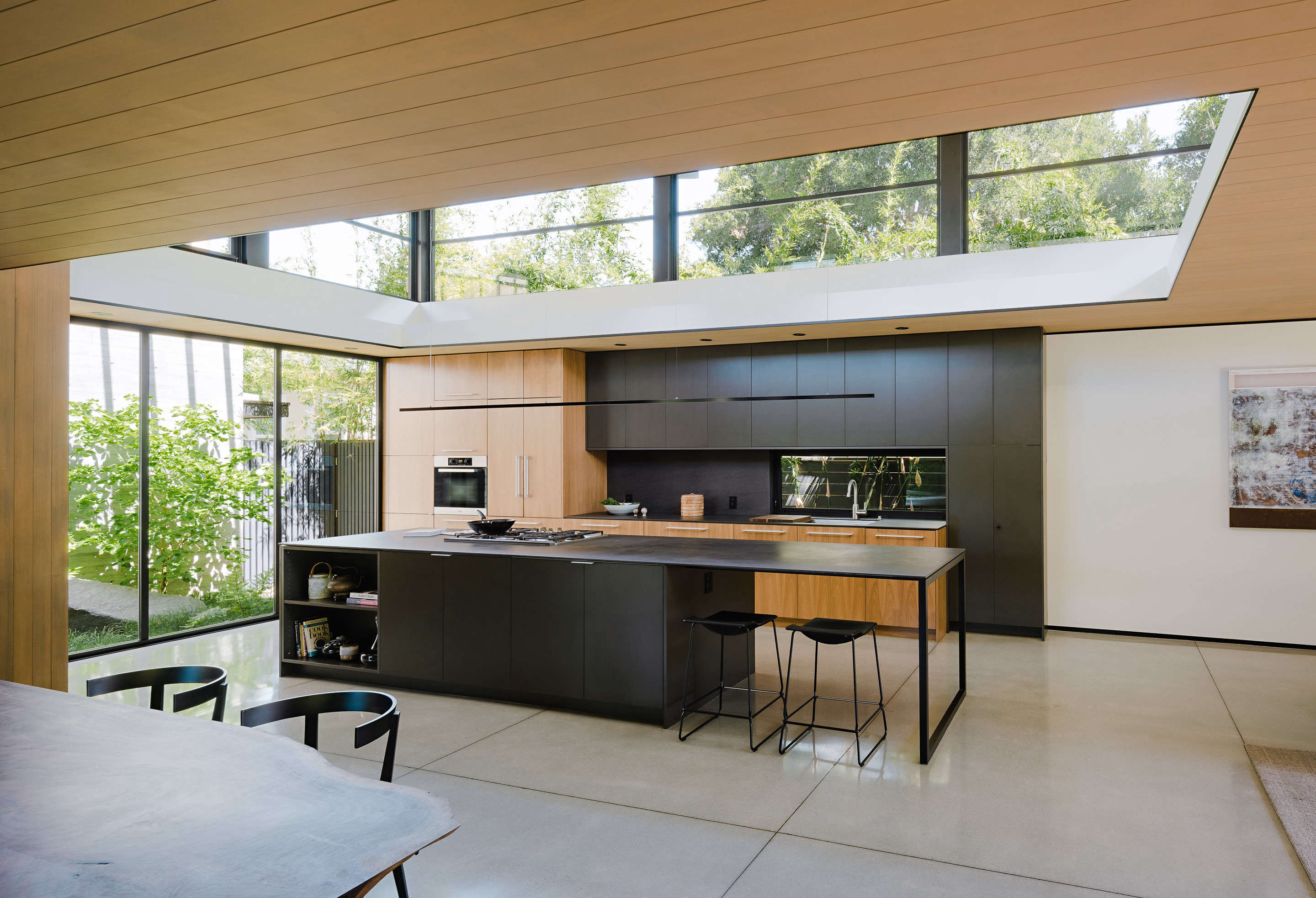
Aug
Everybody wants one, even if they do not call it that. Some people picture a quiet room with a lamp, a chair, and a cup of tea that has finally stopped pretending it is lava. Others picture a forest trail, a church pew, a beach at sunrise, a garden bench, or a kitchen where the noise drops just enough for a human being to remember they actually have a personality. That is the power of a sanctuary. It is not merely a pretty place. It is a place that lets your nervous system unclench, your attention return, and your sense of self come back online.
In a noisy age, the idea of sanctuary feels less like a luxury and more like basic maintenance. People are juggling overstimulation, endless alerts, crowded schedules, messy spaces, social exhaustion, and the odd suspicion that their phone knows too much about them. Against that backdrop, sanctuary matters because it answers a deeply human need: the need for refuge. Not escape forever. Just enough protection to rest, reset, and return to life with your brain fully installed.
This is what makes “The Sanctuary” such a powerful idea. A sanctuary can be sacred, private, communal, natural, architectural, emotional, or all of the above. It can be a literal protected place, such as a wildlife refuge or marine sanctuary. It can also be a deeply personal environment: the bedroom that supports sleep, the porch that invites stillness, the neighborhood park that brings your breathing down from “deadline panic” to “functional mammal.” A good sanctuary does not have to be fancy. It just has to work.
What a Sanctuary Really Means
The word itself carries more than one layer. Traditionally, sanctuary refers to a sacred or consecrated place, especially in religious life. But it also means refuge and protection. That dual meaning is important. Sanctuary is not only about holiness in a formal sense. It is also about safety. Across history and across cultures, people have created sanctuaries wherever they needed protection from danger, shame, grief, chaos, or the sheer exhausting drama of being alive.
That is why sanctuary never belongs to one setting alone. In some contexts, it is spiritual. In others, it is ecological. In others, it is domestic or psychological. A national wildlife refuge is a sanctuary for species. A marine sanctuary protects ecosystems, cultural heritage, and places of wonder beneath the surface. A hospital garden can function as a sanctuary for patients and caregivers. A living room can become a sanctuary when it supports calm instead of clutter, comfort instead of overstimulation, and connection instead of digital static.
One of the most striking historical examples comes from Hawaiʻi, where Puʻuhonua o Hōnaunau served as a “City of Refuge,” a place where people could find safety and protection. The lesson still resonates: sanctuary is not just decorative peace. It is meaningful shelter. It is a human invention with a moral dimension. It says, in effect, “Here, life is protected. Here, restoration is allowed.”
Why People Crave Sanctuary More Than Ever
Modern life does a remarkable job of filling every empty inch. Our calendars are crowded, our homes are often multi-purpose command centers, and our brains rarely receive the memo that the workday ended three hours ago. Even leisure can become weirdly competitive. We do not merely relax anymore. We optimize relaxation, track it, compare it, and probably read three articles about the correct candle scent for peak serenity. At some point, the candle gives up.
This is where the sanctuary idea becomes useful, because it cuts through performance and goes straight to function. A real sanctuary lowers friction. It reduces sensory overload. It supports healthy routines. It helps people feel safe enough to sleep, think, grieve, pray, read, breathe, or talk honestly. In plain English, it gives the body and mind fewer reasons to stay on high alert.
That need is not imaginary. The environments people live in affect mood, attention, and stress. Sleep experts consistently point to dark, cool, quiet rooms and stable bedtime routines because rest does not happen by accident. Psychologists also note that cluttered spaces can increase stress because the brain is constantly scanning the environment. Meanwhile, social connection matters just as much. Sanctuary is not always solitude. Sometimes it is the opposite: a place where you feel known, valued, and safe with other people.
So when people say they want peace, they are often asking for sanctuary without using the word. They want a home that does not feel like a storage unit with Wi-Fi. They want routines that support sleep instead of sabotage it. They want moments in nature that interrupt stress before stress starts acting like it pays rent. Most of all, they want places where they do not have to brace themselves.
The Three Faces of Sanctuary
1. Sanctuary as a Personal Space
The most immediate sanctuary is often the one people build at home. Not the whole home, necessarily. Sometimes one corner is enough. A bedside table without six tangled chargers already feels revolutionary. A chair by the window can become a daily refuge. A bedroom that is cool, dim, and less screen-splashed can quietly improve sleep and mood. Small choices matter here: softer lighting, fewer visual distractions, storage that keeps chaos from reproducing overnight, and objects that mean something instead of just existing because they were on sale.
The goal is not showroom perfection. Nobody needs a home that looks as if a scented candle is running for public office. The goal is emotional usability. Does the space help you exhale? Does it support sleep, reflection, conversation, reading, stretching, prayer, journaling, or even ten undramatic minutes of staring at a wall? If yes, that space is doing sanctuary work.
2. Sanctuary as a Natural Place
Nature has long functioned as a sanctuary because it changes the quality of attention. Parks, shorelines, trails, gardens, forests, and refuges invite a slower, wider kind of awareness. Instead of darting from notification to notification, the mind begins to settle on birdsong, wind movement, light through leaves, or the scandalous confidence of a squirrel crossing the path like it owns the deed. This sensory shift matters. Time outdoors is associated with lower stress, improved mood, and a stronger sense of restoration.
That is part of why actual protected places matter so much. Marine sanctuaries and wildlife refuges are not abstract environmental branding exercises. They preserve habitats, biodiversity, cultural resources, and opportunities for human wonder. In other words, they protect sanctuary at scale. They remind us that refuge is not only something people need. The living world needs it too.
And nature’s impact is not purely visual. It can also generate awe, a feeling that pulls attention outward and makes life seem larger than the crisis of the hour. Awe can be triggered by a mountain range, a reef, a cathedral-like grove of trees, or even a dramatic thundercloud behaving like an artist with a budget. That sense of vastness helps people reconnect with meaning. Sanctuary, in that sense, is not only calming. It is enlarging.
3. Sanctuary as Community
There is one more form of sanctuary people often overlook: belonging. A sanctuary can be a place where people feel emotionally held. That may be a congregation, a support group, a family table, a neighborhood garden, a recovery circle, or a friend’s kitchen where the conversation is honest and nobody is pretending to have it all together. Social connection protects health in real ways, but on a human level, it also does something simpler. It makes people feel less alone inside their own lives.
This matters because not every sanctuary is silent. Some are full of voices, laughter, ritual, meals, songs, or repeated gestures of care. Community sanctuary is where people are welcomed without having to perform excellence first. It is where grief can be spoken, joy can be shared, and uncertainty can sit down without being told to fix itself immediately.
How to Build a Sanctuary in Real Life
Creating sanctuary sounds poetic, but it is actually practical. Start with sensory decisions. Reduce harsh lighting where possible. Control noise. Keep one room, or even one zone, from becoming a dumping ground for everything that does not have a home. Put the objects you use most where they are easy to reach and the objects that stress you out where they are harder to see. This is not laziness. It is intelligent design for tired humans.
Then add rhythm. Sanctuaries are strengthened by ritual. The five-minute tidy before bed. The morning walk without headphones. The candle lit before journaling. The tea steeping while the phone stays in another room. The Sunday hour in the garden. The evening breathwork that tells the body, “You are off duty now.” Repetition transforms a pleasant idea into a trusted refuge.
Next, protect boundaries. A sanctuary cannot do its job if it is constantly invaded by work, doomscrolling, and twenty-six open browser tabs that exist purely to mock your focus. Designate some spaces for sleep, some for work, some for conversation, and some for quiet. Even if your home is small, symbolic boundaries still matter. A tray can create a reading corner. A folded blanket can signal rest. A bench outside can become a daily checkpoint between the outside world and your internal one.
Finally, remember that sanctuary is not one-size-fits-all. For some people, it is silence. For others, it is music, incense, ocean air, prayer, or the sound of family moving around nearby. One person restores by being alone. Another restores by being among trusted people. The test is simple: does this place help you feel safer, steadier, and more whole? If so, keep going. If not, no amount of expensive throw pillows can save it.
Why “The Sanctuary” Still Matters
The sanctuary remains powerful because it answers a timeless need in a very contemporary way. It reminds people that rest is not laziness, that beauty can be functional, that protection can be designed, and that healing often begins with environment. A sanctuary does not solve every problem. It does not pay the bills, erase grief, or answer your email in a mature tone. But it can give you the stability required to face life without feeling perpetually under siege.
That may be the deepest truth of all. Sanctuary is not about withdrawing from the world forever. It is about finding the kind of refuge that makes reentry possible. The best sanctuaries do not shrink life. They strengthen us for it. They offer rest without numbness, quiet without emptiness, and beauty without pretense. In a restless culture, that is not a minor achievement. It is survival with a soul.
Experiences of Sanctuary in Everyday Life
Ask five people what sanctuary feels like, and you will get five completely different answers, which is honestly part of the charm. For one exhausted parent, sanctuary might be the ten minutes after the house finally goes quiet, when the dishwasher hums like a loyal background singer and nobody is asking where their left shoe went. For a college student, it might be a bench under a tree between classes, where the phone goes face down and the mind stops sprinting. For an older adult living alone, sanctuary may be the morning routine itself: opening the blinds, watering a plant, making coffee, and listening to the same radio host who somehow sounds like an old friend.
One of the most common sanctuary experiences happens when a person steps out of a high-stimulation environment and into a calmer one. Think of leaving a chaotic office, walking into a park, and feeling your shoulders drop before you have even reached the path. Nothing dramatic happened. No orchestra swelled. You just moved from an environment that demanded energy into one that returned some. That exchange is subtle, but it is real. People often notice it in libraries, gardens, chapels, beaches, shaded porches, and rooms designed for quiet care.
Another form of sanctuary appears in community settings. Consider the experience of walking into a place where you do not have to explain yourself from scratch. Maybe it is a support group where people understand the hard stuff without needing a slide presentation. Maybe it is a faith community where ritual and familiar words create steadiness. Maybe it is a weekly dinner with neighbors where the food is simple, the chairs do not match, and somehow that makes the whole thing feel more trustworthy. In those moments, sanctuary is not produced by architecture alone. It is created by welcome.
There is also the sanctuary of recovery. People caring for a sick family member often describe certain spaces as lifesaving, even when those spaces are small. A quiet hospital garden. A bench outside a clinic. A parked car where they can breathe before driving home. A corner of the house that stays uncluttered and predictable. These places matter because stress narrows the world. Sanctuary gently widens it again. It gives the body one signal it desperately needs: you are safe enough, for this moment, to come down from the ledge.
Then there is the experience of awe, which can transform an ordinary outing into something restorative. Standing near the ocean, watching light move across water, hearing birds settle in at dusk, or looking up at a sky that seems determined to humble your entire to-do list can all create a feeling of perspective. Suddenly the mind loosens its grip on small urgencies. The self becomes smaller in the best possible way. Not erased, just relieved of its temporary dictatorship.
Perhaps the most beautiful thing about sanctuary is that people can build it, protect it, and share it. It does not have to arrive with perfect weather, a massive budget, or a professionally styled interior. Sometimes sanctuary is a lamp, a ritual, a patch of grass, a friend who listens, a trail after rain, a room kept intentionally simple, or a meal served without hurry. The experience is often quiet, but its impact is not. It changes how people sleep, cope, connect, and return to their lives. That is why sanctuary endures. It does not ask us to become someone else. It simply gives us a place where we can become ourselves again.
Conclusion
The sanctuary is not one place, one religion, one design style, or one mood-board fantasy involving linen curtains and suspiciously perfect sunlight. It is a human need expressed through space, ritual, nature, and belonging. Whether found in a bedroom, a forest, a refuge, a shoreline, a congregation, or a shared meal, sanctuary gives people what modern life often steals: steadiness, restoration, and a sense that safety is still possible. In that way, sanctuary is not just where we hide from the world. It is where we learn how to meet it again.

