
Hair Care
10 Easy Pieces: Winter Garden Rehab
Aug
A winter garden rehab is less about “fixing” a dead-looking yard and more about giving the outdoor space a calm, useful second act. When flowers clock out, the garden can still earn its keep: it can store tools, protect soil, frame a view from the kitchen, host a quick cup of coffee, and quietly set the stage for spring. The trick is to stop treating winter as the sad end credits. Think of it as the director’s cut, with fewer mosquitoes and more time to notice what actually needs help.
This guide gathers ten easy, practical pieces for refreshing a garden in the cold season. Some are tools, some are materials, and some are design moves that make a bare yard feel intentional rather than abandoned. Choose the ideas that suit your climate, your budget, and your tolerance for moving a wet bag of leaves. Your garden does not need a personality transplant. It needs a little rehab, a little protection, and perhaps one chair that does not wobble.
Why a Winter Garden Rehab Is Worth Doing
Winter reveals the bones of a landscape. With leafy distractions gone, you can finally see the crooked edging, the too-narrow path, the shrub swallowing the porch light, and the corner where every broken pot goes to begin its afterlife. That honesty is useful. A winter garden rehab lets you solve small problems before they become expensive spring emergencies.
It is also a good season to work with the garden instead of against it. Healthy soil, sensible drainage, protected roots, and clean tools do more for future plants than a frantic shopping spree in April. University Extension guidance consistently emphasizes testing soil before guessing at fertilizer, improving organic matter thoughtfully, and addressing drainage where water lingers and roots lose access to oxygen.
Most importantly, a garden does not have to be empty to look restful. Evergreen texture, seed heads, clean paths, a winter container, and a place to put down a mug can create real seasonal interest. The goal is not to make January impersonate June. January has its own strange charm: silver light, dramatic branches, and the blessed absence of weeds growing at Mach 3.
The 10 Easy Pieces for a Smarter Winter Garden
1. A Garden Triage Notebook
Before buying anything, take a slow lap with a notebook or your phone. Make three lists: repair, remove, and remember. Repair includes loose pavers, leaning trellises, cracked pots, and leaky hose connections. Remove covers obvious disease, dead annuals, and anything that can turn into pest housing. Remember is the valuable list: the dahlia that bloomed beautifully, the shady patch that stayed wet, the bed that looked wonderful until August, and the spot where the mail carrier nearly vanished into a hydrangea.
Photograph the garden from the same few viewpoints you use during summer. Winter photos show where an evergreen, an ornamental grass, a bench, or a simple pot would improve the composition. This is free, fast, and substantially less dramatic than relocating a mature shrub because it “felt wrong” six months later.
2. A Sharp Hand-Tool Trio
Every winter garden rehab benefits from three reliable hand tools: bypass pruners, a hand fork or trowel, and a sturdy rake. Buy the best basic versions you can maintain, then clean them before storage. Sap and wet soil left on blades invite rust; dull pruners crush stems instead of making clean cuts. A little oil and a dry shelf are not glamorous, but neither is replacing tools because they spent January marinating in a puddle.
Use pruning with restraint. Remove broken, diseased, or clearly dead material, but do not give every perennial and shrub an identical military haircut. Some plants are pruned in late winter or early spring, while many beneficial insects use hollow stems and leaf litter as shelter. Leaving selected seed heads and sturdy stems also adds structure for birds and winter views.
3. A Proper Soil Test, Not a Guessing Game
A bag of fertilizer is not an apology letter that fixes every gardening mistake. Before adding nutrients, use a soil test through a local Extension service or a reputable laboratory. Results can tell you about pH, organic matter, and key nutrient levels, so you can match amendments to what the soil actually needs. For many common garden plants, a pH roughly between 6.0 and 7.0 is suitable, but acid-loving plants such as blueberries and rhododendrons prefer different conditions.
This one small step prevents a classic enthusiast error: pouring compost, manure, lime, and fertilizer into the same bed until the soil resembles a luxury buffet. More is not always better. Excessive compost can also push nutrients out of balance. Test first; amend second; resist the urge to solve a mystery with three bags of something from the garden center.
4. A Compost-and-Leaf Station
Winter is ideal for turning fall leftovers into future soil. Set up one simple zone for bagged leaves, small prunings, and a compost bin or pile. The U.S. Environmental Protection Agency describes composting as an oxygen-dependent breakdown of organic material that produces a stable soil amendment. In plain English: leaves, trimmings, and kitchen scraps can eventually become extremely useful dirt instead of extremely inconvenient bags.
Shred leaves before using them around beds or adding them to compost, especially if they tend to mat. Keep visibly diseased plant material out of the pile. For healthy annual beds, a modest layer of chopped leaves can protect bare soil from raindrop impact and add organic matter as it breaks down. Do not smother living plants or cover-crop seedlings, however. Even good intentions can become a tiny, damp blanket of doom.
5. Mulch With Manners
Mulch is one of the quiet heroes of a winter garden rehab. It can moderate soil temperature, conserve moisture, suppress weeds, and reduce splash that can move soil-borne pathogens onto plant leaves. For newly planted or tender perennials, winter mulch can help limit damage from freeze-and-thaw cycles that heave roots upward.
The important word is around, not against. Keep mulch several inches away from tree trunks and shrub stems. A volcano-shaped pile against the bark is not a sign of devotion; it can hold moisture against the plant and encourage trouble. Use clean shredded leaves, bark, compost, or straw where appropriate, and time heavy winter protection after plants are dormant and the ground is cold in colder regions.
6. A Frost Cloth and Container Protection Kit
One lightweight roll of frost cloth, a few clips, and a stash of mulch can rescue many tender plants during surprise cold snaps. Row covers and low tunnels can offer winter vegetables protection from cold weather while still letting light reach them. The exact strategy depends on local temperatures, wind, rain, and the crop, so read the label and ventilate when conditions warm.
Containers deserve special attention because roots in a pot are exposed to colder swings than roots in the ground. Cluster hardy containers in a protected spot, insulate pots when needed, and water during mild spells when the growing medium is dry. Do not assume winter rain solves every watering problem; rooflines, wind, and frozen soil can leave plants thirsty in a season famous for looking wet.
7. Durable Labels and Garden Stakes
Plant labels are humble, but they prevent spring from becoming a botanical courtroom drama. Was that a white coneflower, a volunteer weed, or the expensive perennial you promised yourself you would remember? A simple set of weather-resistant stakes lets you label bulbs, perennials, dormant shrubs, and new beds before memory gets creative.
Use labels to track varieties, planting dates, sun exposure, and whether a plant needs dividing next year. Add a brief note such as “blooms late,” “rabbits sampled this,” or “do not move; spouse loves it.” The garden is full of useful information, but it is terrible at filing paperwork.
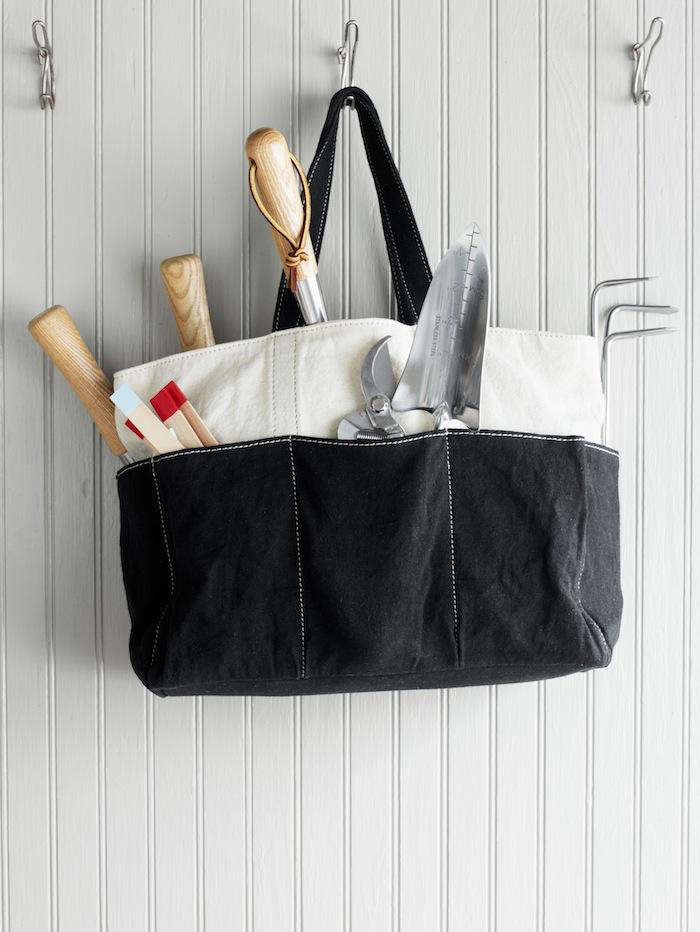
8. A Weatherproof Storage Crate or Tool Tote
Winter garden work is often a series of tiny tasks: collect twine, carry pruners, retrieve gloves, move labels, find the hand fork, wonder why the hand fork is in the recycling bin. A tote or crate turns that scavenger hunt into a mobile workstation. Choose something easy to rinse, sturdy enough for wet tools, and small enough that you will actually carry it instead of leaving it beside the back door until it becomes lawn sculpture.
Use one compartment for clean hand tools, another for gloves and plant ties, and a third for labels, pencils, and small repair items. Keeping essentials together reduces the friction that makes a five-minute job become a March job. Winter is proof that organization is not boring; organization is how you avoid gardening in socks.
9. A Small Winter Focal Point
Every garden needs one reason to look outside when the view is mostly branches and weather reports. A large frost-proof pot planted with evergreen cuttings, a dwarf conifer, colorful stems, pinecones, or dried hydrangea heads can provide a focal point near a door, patio, or window. Early bulbs and evergreen plants are also reliable building blocks for year-round interest because they give the eye something to land on before the main growing season begins.
Keep the arrangement simple. Choose two or three textures rather than turning the planter into a seasonal craft-store parade. A tall branch, a mound of greenery, and one contrasting accent are often enough. The best winter container looks deliberate, not like it lost a fight with the holiday aisle.
10. A Place to Pause Outside
The final easy piece is not a plant at all. Add a folding bistro chair, a small bench, a stool, or a safe perch near the garden. Winter is when you notice the sound of branches, the direction of afternoon sun, and the path water takes after rain. A place to sit turns observation into a habit, and observation is how better gardens happen.
Pair the seat with one modest sensory detail: a wind chime, a weatherproof lantern, a birdbath designed for winter use in your region, or a simple doormat and boot brush by the door. These are not frivolous extras. They make the space easier to use, and a garden you use in winter is a garden you understand by spring.
How to Put the Pieces Together Without Creating a Weekend Marathon
Start with a two-hour reset, not a grand transformation. Spend the first thirty minutes walking, photographing, and listing repairs. Spend the next hour removing diseased debris, clearing paths, cleaning tools, and collecting leaves. Use the final thirty minutes to add one useful improvement: label the beds, set up the tote, mulch a vulnerable plant, or create a winter container.
Next, schedule one small task each week. Test the soil. Repair edging. Organize pots. Check containers after a freeze. Clean and oil tools. Order seeds only after you have measured the bed, because optimism tends to buy twelve tomato varieties for a space that accommodates four. A winter garden rehab works because its improvements compound. Better storage leads to more frequent care; better notes lead to better planting; better soil habits lead to stronger roots.
Where winter is mild and wet, focus heavily on drainage, slugs, plant health, and erosion. Where winter is intensely cold, prioritize insulation, frost heave, protection for containers, and avoiding work on frozen or muddy soil. In every climate, let local weather and the needs of individual plants make the final call. A calendar is helpful; a soggy root zone is more persuasive.
Winter Garden Rehab Experiences: What the Off-Season Teaches You
A good winter garden rehab changes the way a gardener sees “nothing happening.” At first glance, a dormant yard can feel like a pause button. The roses are bare, the vegetable bed is empty, and the patio furniture looks as if it is waiting for a rescue helicopter. But spend a few cold afternoons outside, and the supposedly quiet season becomes wonderfully informative.
One common experience is discovering that the garden has been trying to communicate all summer. The low corner that held puddles in January was probably also the reason a beloved perennial sulked in July. The path that feels awkward when carrying a basket of leaves was not magically convenient while carrying tomatoes. The shrub blocking the view of the gate did not suddenly grow rude in winter; its foliage merely stopped distracting you from the problem.
Another lesson is that modest work has an outsized emotional payoff. Cleaning a pair of pruners, lining up pots, or replacing a frayed plant tie can make a neglected area feel cared for immediately. There is a particular satisfaction in sweeping a path after leaves have been cleared: for roughly ten minutes, the garden looks like a lifestyle magazine spread. Then a gust of wind sends more leaves across it, which is nature’s way of reminding us not to become unbearable about our accomplishments.
Winter also encourages better patience. Gardeners are famous for declaring a plant dead at the first sign of ugly foliage, then digging it up just before it would have recovered. In the cold season, slower observation becomes a skill. You learn to check stems, watch buds, note drainage, and wait for the right pruning window instead of attacking everything with enthusiasm and loppers. That patience carries into spring, when every nursery display is designed to make restraint feel like a personal failure.
The most useful experience, though, is learning what makes the space inviting when flowers are absent. Maybe it is a warm patch of afternoon light beside a small chair. Maybe it is the sound of a chime on a windy day, the order of labeled beds, or a single evergreen pot near the kitchen door. These details turn the garden from a summer project into a year-round place.
By the time spring arrives, the biggest reward is not a flawless landscape. It is familiarity. You know where water moves, what needs dividing, which tools are ready, and where the first bulbs are likely to emerge. The garden has not been asleep; it has been giving you a quieter class. Your job was simply to show up, take notes, and resist buying a fourth pair of gloves while three perfectly good pairs are hiding in the shed.
Conclusion: Let Winter Do Some of the Work
A winter garden rehab is not about forcing life into a season built for rest. It is about protecting what matters, repairing what annoys you, and adding a few useful touches that make the landscape feel considered all year. Begin with the ten easy pieces that solve real problems: observation, tools, soil knowledge, compost, mulch, cold protection, labels, storage, a focal point, and a place to pause.
Do a little now, and spring will feel less like an emergency and more like a well-timed opening night. Your garden may still be muddy, sleepy, and full of leaves. But it will be readyand so will you.
Note: Seasonal timing varies by USDA hardiness zone, plant species, and local weather. Check local Extension guidance before pruning, mulching heavily, or protecting tender plants. The soil, mulch, compost, drainage, cover-crop, and winter-protection practices summarized here are grounded in guidance from U.S. university Extension programs and the EPA.

