
Beauty Tools & Accessories
Stretching Exercises Over 60
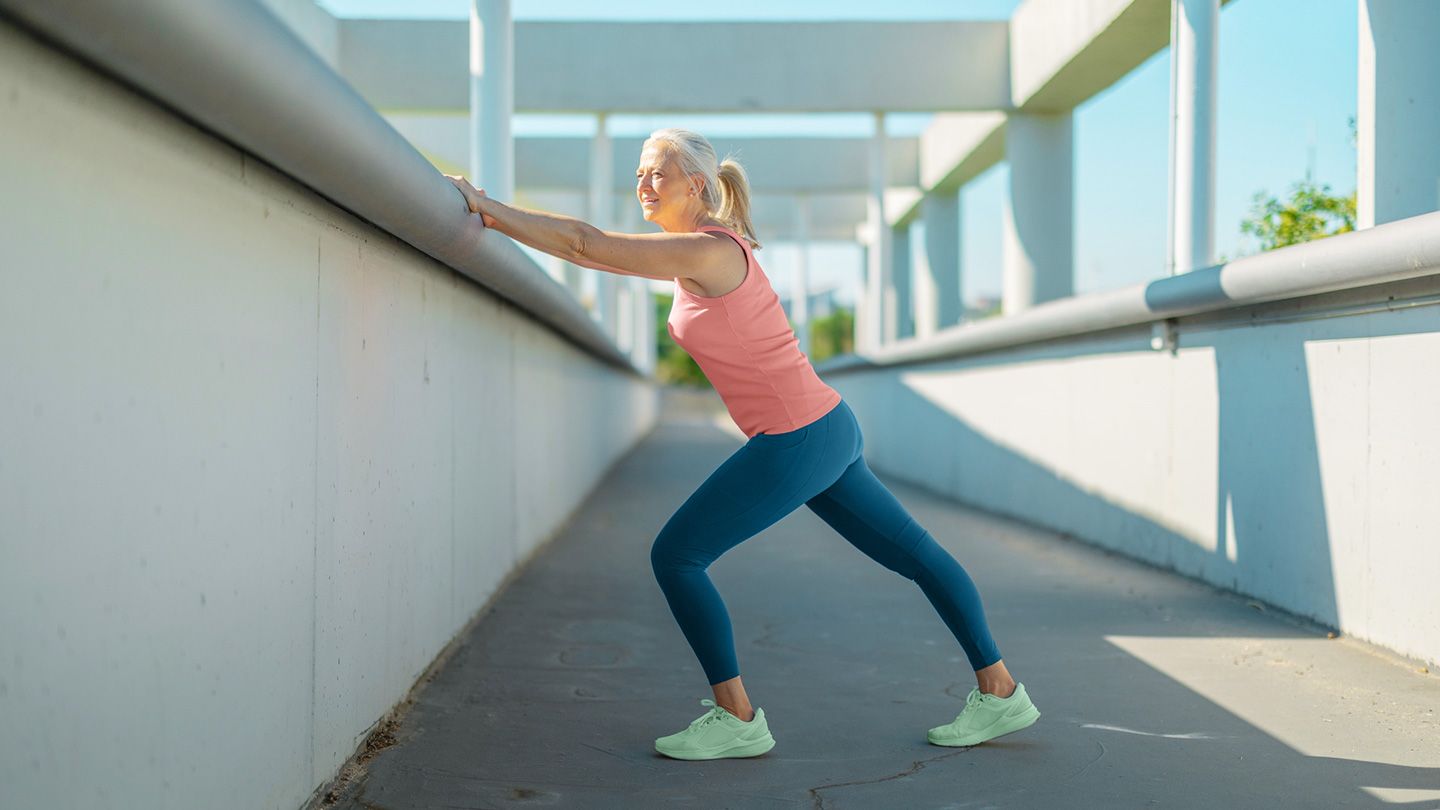
Aug
Turning 60 doesn’t mean your body suddenly turns into a tin can. But it does mean your joints and muscles may start acting like they’ve got a
“terms and conditions” page you never read. The good news: a smart stretching routine can help you feel looser, move easier, stand taller, and get back
to doing everyday things (stairs, gardening, traveling, playing with grandkids) without sounding like a bowl of Rice Krispies.
This guide is built for adults over 60 who want safe, practical stretchesno circus flexibility required. You’ll get clear instructions, modifications,
a few “please don’t do that” safety rules, and sample routines you can actually stick with.
Why Stretching Matters More After 60
As we age, tissues naturally lose some elasticity, many of us sit more than we realize, and certain muscles tighten up (hello, hip flexors and chest).
That stiffness can shrink your comfortable range of motionhow far you can reach, turn, step, and bend without feeling cranky about it.
Stretching helps keep joints moving through a healthier range, supports better posture, and pairs beautifully with strength and balance training.
Think of it as “maintenance” for your movement. Not glamorous, but neither is getting stuck halfway into your car because your hips won’t cooperate.
What stretching can help with
- Daily mobility: reaching overhead, looking over your shoulder, bending to tie shoes
- Posture support: countering the “computer hunch” and tight chest/shoulders
- Comfort: easing that “I feel stiff when I get up” sensation
- Movement confidence: feeling steadier and more coordinated in everyday motions
Safety First: The Over-60 Stretching Rules
Stretching should feel like a gentle pull, not a wrestling match. Use these rules to keep it safe, effective, and pleasantly boring (in the best way).
1) Warm up before you stretch
Cold muscles are like cold taffy: they don’t love being yanked. Do 5–10 minutes of easy movement firstwalking around the house, marching in place,
or gentle shoulder rolls.
2) No bouncing
Bouncing can irritate tissues and increase injury risk. Move slowly into the stretch and hold steady.
3) Breathe like a normal human
If you’re holding your breath, you’re likely tensing up. Slow breathing helps your nervous system “allow” the stretch instead of guarding against it.
4) Use the “tension, not pain” rule
Mild to moderate tension is fine. Sharp pain, pinching, tingling, numbness, or joint pain is a stop sign. Back off or choose a gentler variation.
5) Hold times that work for real bodies
Many people do the “count to 10 and hope for the best” method. A better approach: hold most static stretches about 10–30 seconds, and repeat until you
accumulate roughly 60 seconds per muscle group. For especially tight areas, some people benefit from slightly longer holdswithout forcing it.
6) Consistency beats intensity
Aim for stretching at least 2–3 days per week. If you can do a short routine daily, even betterjust keep it gentle and doable.
Quick medical note: If you have osteoporosis, a recent joint replacement, dizziness, severe arthritis flare-ups, or unexplained pain,
get individualized guidance from a clinician or physical therapist. A few smart modifications can make all the difference.
Static vs. Dynamic Stretching: Which One Should You Do?
Both are usefulyou just use them at different times. Think of dynamic as “wake up the joints,” and static as “tell
the muscles to unclench.”
Dynamic stretching (best before activity)
- Controlled movement through a comfortable range
- Great before walks, workouts, or when you feel stiff in the morning
- Examples: shoulder rolls, hip circles, ankle circles
Static stretching (best after activity or as its own session)
- Hold a position without bouncing
- Best after your body is warm or at the end of a workout
- Examples: hamstring stretch, calf stretch, chest doorway stretch
The Best Stretching Exercises Over 60 (Head-to-Toe)
Below are senior-friendly stretches that target the spots most adults over 60 complain about: neck, chest, shoulders, hips, hamstrings, calves, and
ankles. Choose 6–10 and rotate as needed. You don’t need to do everything every timethis isn’t a buffet where you must sample every dish.
1) Shoulder Rolls (Dynamic)
Targets: shoulders, upper back
- Stand tall or sit at the edge of a chair.
- Roll shoulders forward in slow circles for 10 seconds.
- Roll shoulders backward for 10 seconds.
Make it easier: smaller circles. Make it better: keep ribs down and neck relaxed.
2) Upper Trap / Neck Side Stretch (Static)
Targets: side of neck, upper shoulder
- Sit tall. Let your right hand rest on the chair seat.
- Gently tilt your left ear toward your left shoulder (no twisting).
- Hold 10–30 seconds. Switch sides.
Tip: You should feel a gentle stretchnot a pinch. Keep your chin neutral (not jutting forward).
3) Doorway Chest Stretch (Static)
Targets: chest, front shoulders
- Stand in a doorway. Place forearms on the door frame, elbows around shoulder height.
- Step one foot forward and gently lean until you feel a stretch across your chest.
- Hold 10–30 seconds. Repeat 2–3 times.
Why it matters: Tight chest muscles can pull shoulders forward, which can contribute to that rounded posture.
4) Thoracic “Open Book” (Gentle Rotation)
Targets: mid-back mobility (thoracic spine)
- Lie on your side with knees bent (pillow between knees if needed).
- Extend arms in front of you, palms together.
- Slowly open your top arm toward the other side, rotating your upper back gently.
- Stop before discomfort. Breathe. Return. Repeat 5–8 times per side.
Modification: If lying down is hard, do a seated gentle twist instead (see next stretch).
5) Seated Gentle Twist (Static-ish)
Targets: mid-back, trunk
- Sit tall with feet flat. Cross arms over chest or hold the chair sides.
- Slowly rotate your torso to the right. Keep hips facing forward.
- Hold 10–20 seconds. Repeat left.
Osteoporosis-friendly note: Keep the twist gentle and controlled. Avoid forcing end-range rotation.
6) Standing Hip Flexor Stretch (with Chair Support)
Targets: hip flexors (front of hip), often tight from sitting
- Hold a chair or counter for balance.
- Step your right foot back into a staggered stance.
- Tuck pelvis slightly (think: “zip up your lower belly”) and gently shift forward.
- You should feel a stretch in the front of the right hip. Hold 10–30 seconds. Switch.
Tip: Keep torso tall. If your lower back arches, make the stance smaller and re-tuck the pelvis.
7) Figure-4 Glute Stretch (Chair Version)
Targets: glutes, deep hip rotators
- Sit tall on a chair. Cross your right ankle over your left knee.
- Keep your back straight and gently lean forward from the hips.
- Hold 10–30 seconds. Switch sides.
Make it easier: don’t lean as far. Make it safer: avoid pushing down on the knee.
8) Seated Hamstring Stretch (Towel/Strap Option)
Targets: hamstrings (back of thigh)
- Sit on the edge of a chair. Extend one leg with heel on the floor, toes up.
- Keep your back long and hinge forward slightly from the hips.
- Hold 10–30 seconds. Switch legs.
Tip: You should feel it in the back of the thighnot behind the knee joint. Soften the knee slightly if needed.
9) Wall Calf Stretch (Gastrocnemius/Soleus)
Targets: calves, ankles
- Stand facing a wall and place both hands on it.
- Step one leg back and keep the heel down, back knee straight.
- Lean forward until you feel a calf stretch. Hold 10–30 seconds.
- For a deeper, lower-calf stretch, bend the back knee slightly and hold again.
Why it matters: Calf/ankle mobility helps with walking, stairs, and balance reactions.
10) Ankle Circles (Dynamic)
Targets: ankles, feet circulation and mobility
- Sit. Lift one foot slightly off the floor.
- Circle the ankle slowly 10 times each direction.
- Switch feet.
Bonus: Follow with “toe raises” and “heel raises” while holding a chair for balance.
11) Single Knee-to-Chest (Floor or Bed Version)
Targets: hips, low back comfort
- Lie on your back with knees bent (bed is fine).
- Bring one knee toward your chest and hold behind the thigh.
- Hold 10–30 seconds. Switch sides.
Caution: If knee arthritis is cranky, ask a physical therapist for alternatives.
12) Supported Overhead Reach (Side Bend)
Targets: lats, side body, rib mobility
- Stand tall. Place one hand on a counter for support.
- Reach the other arm overhead and gently lean away.
- Hold 10–20 seconds. Switch sides.
Tip: Keep it gentle. You’re lengthening, not auditioning for a circus troupe.
Three Simple Stretching Routines You Can Rotate
Pick the routine that matches your day. The best plan is the one you’ll actually doconsistently, safely, and without needing a motivational speech.
Routine A: 10-Minute Morning “Loosen Up” (Mostly Dynamic + Light Holds)
- March in place or easy walk: 2 minutes
- Shoulder rolls: 20 seconds
- Ankle circles: 40 seconds
- Hip circles (gentle): 20 seconds
- Standing hip flexor stretch: 20 seconds each side
- Doorway chest stretch: 20 seconds
- Seated hamstring stretch: 20 seconds each side
- Wall calf stretch: 20 seconds each side
Goal: feel “more available” for the day, not exhausted.
Routine B: Post-Walk Cool-Down (Static Focus)
- Doorway chest stretch: 2 rounds of 20–30 seconds
- Standing hip flexor stretch: 2 rounds of 20–30 seconds each side
- Seated hamstring stretch: 2 rounds of 20–30 seconds each side
- Wall calf stretch: 2 rounds of 20–30 seconds each side
- Figure-4 chair stretch: 2 rounds of 20–30 seconds each side
Goal: calm down tight muscles while you’re warm.
Routine C: “TV Commercial Break” Micro-Stretch (5 Minutes)
- Neck side stretch: 15 seconds each side
- Doorway chest stretch: 20 seconds
- Supported overhead reach: 15 seconds each side
- Standing hip flexor stretch: 15 seconds each side
- Ankle circles: 10 circles each direction
Goal: snack-sized consistency. Surprisingly powerful.
Smart Modifications for Common Over-60 Concerns
If you have arthritis
Stiff joints often respond well to gentle, consistent range-of-motion work. Stretch after a warm shower or after light movement. Keep intensity low,
avoid aggressive end-range forcing, and use supports (chairs, towels, walls).
If you have osteoporosis or spine fracture risk
Avoid aggressive forward-bending of the spine, especially loaded or repeated flexion. Favor tall posture, controlled movement, and gentle extension-based
mobility (think: “grow taller” rather than “curl forward”). If you’re unsure, a physical therapist can tailor a spine-safe routine.
If balance feels shaky
Use support. Seriously. Holding a counter while stretching is not “cheating”it’s called “staying upright.” Do standing stretches near a wall or sturdy
surface, and consider chair-based versions when needed.
If you’ve had a joint replacement or recent injury
Follow your surgeon/therapist’s precautions. Some positions (deep hip flexion, twisting, or extreme ranges) may be restricted temporarily or long-term.
When in doubt, pick the gentler option.
How to Know You’re Doing It Right
Green lights
- You feel a gentle pull that eases as you breathe.
- Your range improves over weeks (not minutes).
- You move more comfortably during daily tasks.
- You feel relaxed afterwardnot sore in a “something went wrong” way.
Red flags
- Sharp pain, joint pinching, numbness, tingling, or radiating symptoms
- Feeling worse for hours afterward (not just mildly “worked”)
- Bouncing, forcing, or “proving a point” to your hamstrings
Progress tip: Track function, not perfection. Can you turn your head easier while driving? Reach the top shelf more comfortably? Walk with a longer stride?
Those wins matter.
Conclusion: Stretching Over 60 Is About Freedom, Not Flexibility Bragging Rights
The best stretching exercises over 60 are the ones that keep you doing what you lovecomfortably and confidently. Warm up, move gently, breathe, and
build consistency. Start with a 10-minute routine, adjust for your body’s needs, and remember: your goal isn’t to touch your toes. It’s to live your life
without negotiating with your hips every morning.
If you want a simple next step: pick five stretches from this guide, do them after a short walk, and repeat 2–3 times per week for a month.
Your future self will thank you. Possibly by being less grumpy on stairs.
Experiences: What Stretching Over 60 Often Feels Like (And Why That’s Normal)
If you’re over 60 and just starting a stretching habit, the first “experience” is usually surprisebecause the tightness you’ve been living with can
feel so normal that you stop noticing it. Many people don’t realize how much they’re compensating until they try a gentle hip flexor stretch and think,
“Oh… so that’s why my lower back has been doing overtime.”
One common pattern is the “morning rust.” You get out of bed and everything feels stiff, like your joints need a few minutes to boot up. The experience
of doing a short warm-up (even two minutes of walking around the kitchen) followed by light dynamic moves can feel almost unfairly effective. Not magic
just warmed tissues and nervous system reassurance. People often notice that after a week or two, that first-step stiffness fades faster, and they start
moving with less hesitation.
Another experience is the emotional one: stretching can be quietly calming. When you slow down, breathe, and hold a gentle position, your body gets the
message that it’s safe to release tension. Some adults over 60 describe it as “turning down the volume” on their day. A five-minute evening routine can
feel like a reset buttonespecially if you’ve been sitting, driving, or standing in one position for long stretches.
You may also experience “unevenness,” which is extremely normal. For example: your right hip opens up easily, your left hip acts like it’s guarding a
secret. Or one calf stretch feels mild and the other feels like a guitar string. That isn’t a personal failureit’s information. Most bodies have
asymmetries from years of habits, old injuries, preferred sleeping positions, or simply doing life (carrying groceries on one side counts as a sport).
The best response is patience: work both sides, but give the tighter side a little extra time over weeksnot extra force in a single session.
A very real over-60 experience is discovering that stretching alone isn’t the whole story. Many people notice they feel looser temporarily, but the
stiffness returns quickly if they’re also losing strength. That’s because stability and mobility work together. When your muscles are stronger, your body
feels safer moving through a fuller range. This is why a balanced routinesome strength, some balance, some walking, plus stretchingoften produces the
biggest change in how you feel day to day.
You might also experience a learning curve with “where you feel the stretch.” Early on, some people feel a hamstring stretch behind the knee instead of
the back of the thigh, or they feel a hip stretch in the low back because they’re arching. The fix is usually simple: back off the intensity, adjust
alignment, and use support. Over time, your body gets better at “finding” the right tissuesespecially when you move slowly and breathe.
Finally, there’s the best experience of all: noticing your life gets easier in small, sneaky ways. You can look over your shoulder without turning your
whole torso like a forklift. You can step into the tub with more confidence. You stand up from a chair with less stiffness. You take longer walks and
recover faster. Stretching over 60 isn’t about becoming a pretzelit’s about staying independent, comfortable, and ready for whatever your calendar
throws at you (including the very serious athletic event known as “carrying too many bags in one trip”).

