
Skincare
Multifunctional and Customizable: a Blueair Blue Signature Review
Aug
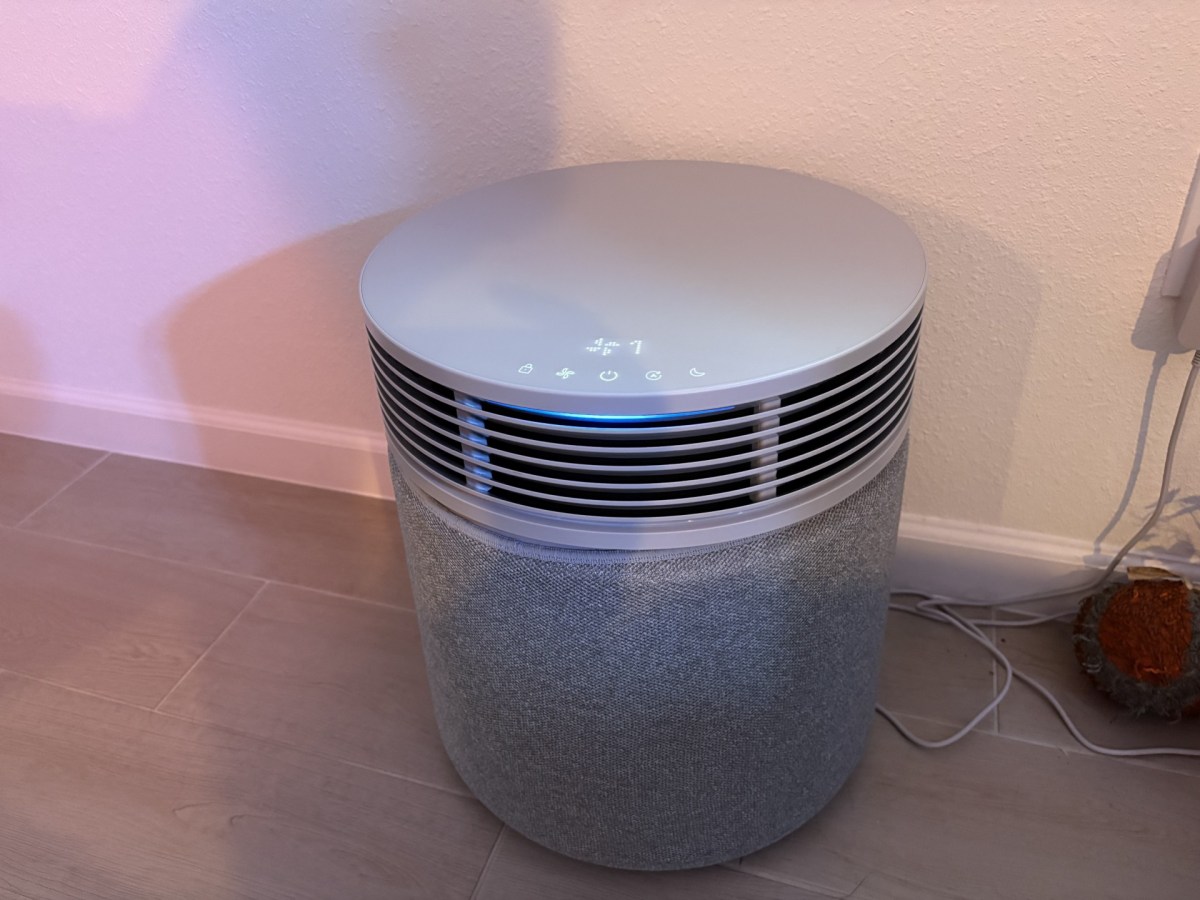
The average large-room air purifier has the visual charm of an office shredder. It sits in a corner, quietly collecting dust while everyone pretends it is not there. The Blueair Blue Signature takes a very different approach: instead of disguising an appliance, Blueair has designed something that looks suspiciously like Scandinavian furniture.
Its rounded body can serve as a small side table, its fabric pre-filter comes in multiple colors, and optional wooden legs or a chrome ring can change its personality from “cozy reading nook” to “boutique hotel lobby.” Underneath the decor-friendly exterior, however, is a serious large-room air purifier with high clean-air delivery rates, particle sensors, app controls, odor filtration, and several automated operating modes.
This Blueair Blue Signature review examines how well those pieces work together, what independent testing suggests about its performance, and whether its premium price buys more than a particularly attractive place to rest your coffee mug.
Blueair Blue Signature Review: Key Specifications
The Blue Signature Large is designed for extra-large rooms and open-concept living spaces. Blueair lists a standard price of approximately $449.99 in the United States, although promotions can lower the cost. That places it above many mainstream air purifiers but below some designer-focused models from Dyson, IQAir, and other premium brands.
- Recommended room size: Approximately 705 square feet at nearly five air changes per hour
- Maximum one-hour coverage claim: Up to 3,385 square feet
- Smoke CADR: 455 cubic feet per minute
- Dust CADR: 434 cubic feet per minute
- Pollen CADR: 450 cubic feet per minute
- Dimensions: Approximately 15.5 by 15.5 by 17.2 inches
- Weight: About 13.2 pounds
- Power consumption: Roughly 3.5 to 42 watts, depending on mode and speed
- Particle detection: PM1, PM2.5, and PM10
- Controls: On-device touch controls and the Blueair mobile app
- Operating modes: Auto, Eco, Night, and manual fan control
The enormous 3,385-square-foot figure needs context. It represents the volume of air the purifier can process approximately once per hour under favorable conditions. For meaningful continuous purification, the more useful figure is about 705 square feet, where the unit can deliver roughly 4.8 air changes per hour.
That distinction matters. One pass per hour may sound impressive on a product page, but repeated air changes are far more valuable when dealing with pollen, wildfire smoke, pet dander, cooking particles, or an enthusiastic candle collection.
A Design That Refuses to Look Like an Appliance
The Blue Signature’s most obvious advantage is its appearance. It is short, wide, softly rounded, and wrapped in a washable fabric pre-filter. The flat upper surface allows the purifier to function as an end table or display platform for lightweight items.
The design is not merely decorative. Because the machine replaces a small table, it may consume less practical floor space than a conventional purifier placed beside one. This is especially useful in apartments and open-plan homes, where every square foot eventually gets assigned three separate jobs.
Customizable Fabric Pre-Filters
Blueair offers replaceable fabric pre-filters in several shades, including subdued neutrals, blue tones, and green. These fabric covers catch larger debris such as hair, lint, and visible dust before it reaches the main filter. They can be vacuumed and periodically machine-washed, provided they are completely air-dried before being reinstalled.
Additional covers have generally been priced at around $25. That is not exactly pocket change for what resembles a very sophisticated fabric sleeve, but it makes changing the purifier’s appearance considerably cheaper than changing the sofa.
Wooden Legs and Chrome Base Options
Optional wooden legs raise the purifier by several inches and make it resemble a compact stool or mid-century side table. A chrome ring base creates a more contemporary look. These accessories are attractive, but they are also expensive: the wooden base has been listed near $80, while the chrome ring has been listed near $100.
The purifier works perfectly well without either accessory. Buyers are therefore paying for aesthetics rather than improved filtration. Whether that is delightful customization or decorative taxation depends on the household budget.
Can It Really Be Used as a Table?
Yes, with limits. The top is appropriate for books, headphones, a small lamp, or a coffee cup placed on a coaster. It is not a seat, step stool, luggage stand, or emergency platform for reaching the top kitchen cabinet.
Independent reviewers have also noted that the plastic tabletop can show fingerprints and light scratches, particularly on darker versions. Anyone planning to use it as furniture should adopt a coaster policy with the seriousness normally reserved for international treaties.
Seven-Stage Filtration and HEPASilent Technology
The Blueair Blue Signature uses a layered system that combines a washable pre-filter, mechanical particle filtration, electrostatic assistance, activated carbon, and Blueair’s OdorFence treatment. Blueair describes the complete arrangement as seven stages of filtration.
Its HEPASilent technology electrically charges incoming particles before directing them toward the filter media. The electrostatic and mechanical processes work together, allowing the purifier to move substantial amounts of air without relying entirely on dense filter material and a roaring motor.
Blueair states that the system captures at least 99.97% of airborne particles down to 0.1 microns under its test conditions. Those particles can include fine dust, pollen fragments, smoke particles, pet dander, and other suspended contaminants.
Strong Particle-Cleaning Performance
The published smoke, dust, and pollen CADR ratings all exceed 430 CFM, which is unusually strong for a purifier with such a compact footprint. Independent testing supports that performance. RTINGS measured a PM1 clean-air delivery rate of approximately 429 CFM at maximum power and recommended the machine for spaces around 670 square feet under its testing criteria.
HouseFresh recorded an estimated PM1 CADR of about 400 CFM and found that the purifier cleared its small smoke-filled test room in approximately 15 minutes at maximum speed. Although different laboratories use different rooms, sensors, and procedures, the overall conclusion is consistent: this is a genuinely powerful particle remover, not a fashionable table with a fan hiding underneath.
OdorFence Is More Than a Token Carbon Sheet
Odor control is often the weak point of consumer air purifiers. Some models include such a thin carbon layer that it seems primarily intended to satisfy a checklist. The Blue Signature uses pelleted activated carbon along with additional odor-focused materials and treatments.
Reviewers testing cooking smells, candles, aerosol products, and household odors generally found that the Blue Signature reduced smells more effectively than ordinary particle-focused purifiers. It can be particularly useful in open-plan kitchens, homes with pets, and living spaces where outside smoke occasionally sneaks indoors.
However, no portable purifier can permanently solve a strong pollution source. Burned food still needs ventilation, cat litter still needs cleaning, and the machine will not negotiate with a roommate who considers six scented candles a reasonable Tuesday-evening activity.
Smart Sensors, Automatic Modes, and App Controls
A built-in laser sensor monitors PM1, PM2.5, and PM10 particles. These categories represent progressively larger airborne particles, from very fine smoke-like pollution to coarser dust and pollen. The purifier displays current conditions through a color-coded light and can automatically increase its fan speed when particulate levels rise.
Auto Mode
Auto mode is the setting most owners will probably use. Rather than switching off completely when the measured air is clean, the purifier can continue operating at a low speed and accelerate when its sensors detect a change.
This background airflow is useful because the Blue Signature does not have a dedicated volatile organic compound sensor. It may filter some gaseous pollutants and odors through its carbon-based system, but it cannot directly identify every gas passing through the room.
Night and Eco Modes
Night mode lowers the fan speed and dims most of the lighting, making the purifier suitable for bedrooms. Eco mode attempts to reduce unnecessary energy use when active purification is not required. The app also supports scheduling, display adjustments, filter tracking, and historical air-quality graphs.
Blueair App Experience
The Blueair app provides remote fan control, mode selection, air-quality history, scheduling, and filter-life information. It also includes automations such as location-based operation, allowing the purifier to begin cleaning shortly before the user arrives home.
The application has earned high ratings in the U.S. Apple App Store, and most reviewers found the Blue Signature easy to connect. As with any Wi-Fi appliance, experiences can depend on the router, app version, phone permissions, and whether the household network has decided to develop a personality that morning.
Smart-home shoppers should verify current compatibility before purchasing. The Blueair app is central to the complete experience, but buyers should not assume the same depth of integration with Alexa, Google Home, or Apple Home across every region and software version.
Noise Levels: Quiet Until It Needs to Flex
The Blue Signature is impressively quiet at its lowest settings. Independent measurements vary because of room acoustics and testing distance, but most place the low-speed output in the high-20s to mid-30s decibels. That is appropriate for bedrooms, home offices, and television rooms.
Maximum speed is considerably more noticeable. Various reviewers measured approximately 55 to 60 decibels, roughly comparable to a normal conversation or a strong ventilation fan. It is not painfully loud, but nobody will mistake full power for woodland silence.
The more important result is its performance at moderate speed. Testing has shown that the purifier can still move a useful amount of clean air while staying near or below 40 to 45 decibels. Owners therefore do not need to choose between effective filtration and hearing the final five minutes of a movie.
Electricity Use and Long-Term Ownership Costs
Energy efficiency is another major strength. The purifier draws only a few watts at its quietest settings and approximately 39 to 42 watts at maximum power. For a machine capable of delivering more than 400 CFM of clean air, that is relatively economical.
Filter expenses are more significant than electricity. The main Blue Signature Large replacement filter has been listed at approximately $100, and Blueair recommends replacing it roughly every nine to 12 months. Actual life depends on operating hours, fan speed, pollution levels, smoke exposure, pet hair, and pre-filter maintenance.
Blueair’s RealTrack system estimates filter life based on usage and pollution rather than relying solely on a basic calendar reminder. Even so, a heavy-use household should budget approximately $100 to $135 per year for main filters, depending on replacement frequency and subscription discounts.
The washable outer pre-filter helps protect the more expensive inner filter. Vacuuming it every few weeksand washing it when neededmay improve airflow and prevent the purifier from wearing a dust sweater over its actual dust sweater.
Important Limitations
No Dedicated VOC or Carbon Dioxide Sensor
The particle sensor responds to PM1, PM2.5, and PM10, but it does not directly measure volatile organic compounds or carbon dioxide. A room can therefore display excellent particle readings while still needing fresh-air ventilation.
An air purifier should complement ventilation and source control, not replace them. It cannot remove carbon dioxide generated by occupants, and it will not correct excess humidity or solve an active mold problem inside a wall.
Electrostatic Filtration Cannot Be Disabled
HEPASilent technology uses electrostatic charging as part of its filtration process. Blueair models sold in California must comply with CARB air-cleaner requirements, which limit ozone emissions. Nevertheless, the Blue Signature does not offer a setting to disable the electrostatic component.
Most buyers are unlikely to consider this a problem, but people who specifically want a mechanical-only purifier may prefer a different model. A simple on-off option for the electrostatic stage would make the product suitable for a broader range of preferences.
Accessories Increase the Real Price
The base purifier is already a premium purchase. Adding a replacement pre-filter, wooden legs, and a chrome base can quickly turn a $450 appliance into a much more expensive decorating project. Fortunately, none of those extras is required for air-cleaning performance.
Who Should Buy the Blueair Blue Signature?
The Blue Signature is especially well suited to:
- Open-concept living rooms and large bedrooms
- Design-conscious households that dislike appliance-style purifiers
- Homes with pets, pollen, visible dust, or recurring cooking odors
- People who value app scheduling and automatic air-quality response
- Users who want high airflow without excessive electricity consumption
- Small homes where an appliance that doubles as furniture saves space
It may be less appealing to bargain hunters, people who dislike connected appliances, shoppers seeking mechanical-only filtration, or anyone who needs dedicated VOC, carbon dioxide, humidity, or temperature monitoring.
Living With the Blue Signature: A Realistic Extended Experience
Daily life with the Blue Signature would probably be less dramatic than its specifications suggestand that is a compliment. A good air purifier should not demand constant supervision. After the initial app setup, the most practical routine is to select Auto mode, choose a sensible schedule, and allow the purifier to manage ordinary changes in air quality.
Imagine placing it between an open kitchen and living area. During a quiet morning, it remains at low speed, making little more than a soft airflow sound. Someone makes toast, and nothing interesting happens. Someone forgets the toast, and the particle indicator suddenly earns its salary. The light changes color, the fan accelerates, and the machine begins circulating a large volume of air before the smell settles into curtains and upholstery.
Cooking provides one of the clearest demonstrations of the purifier’s usefulness. Frying, searing, and operating an overdue-for-cleaning oven can release fine particles that are not always visible. Positioning the Blue Signature several feet from the cooking area allows its 360-degree intake to collect drifting pollution without exposing the appliance to splashes or extreme heat. In a large room, it may take a minute or two for fumes to reach the sensor, but once detected, Auto mode reacts quickly.
Pet ownership creates a different experience. The purifier will not remove fur from the sofa or stop a determined cat from redecorating the rug, but the outer fabric pre-filter catches larger airborne hair and lint. Fine dander and litter dust move toward the main particle filter. Regularly vacuuming the fabric cover becomes important; otherwise, its attractive exterior may slowly evolve into an archaeological record of everything floating around the house.
Bedroom use highlights the contrast between low and high speeds. At night, the purifier can operate quietly enough to fade into the background, particularly when Night mode dims the display. Light sleepers are unlikely to be bothered by the lowest setting. A sudden pollution event may cause Auto mode to increase the fan, however, so especially sensitive sleepers may prefer to set a fixed low speed overnight.
The table function becomes surprisingly convenient. Headphones, a book, eyeglasses, or a small tray can rest on top without adding another piece of furniture. The surface should be treated gently, especially on dark models where fingerprints and fine scratches are easier to see. A coaster is highly recommended for drinks, both to protect the finish and because pouring iced coffee into a premium air purifier is generally considered poor appliance management.
The app adds value mainly through visibility. Air-quality graphs can reveal patterns that would otherwise go unnoticed: elevated particles during cooking, a spike when windows are opened on a high-pollen day, or increased dust after vacuuming. These observations may help owners adjust cleaning routines and purifier schedules rather than merely admiring a blue “excellent” light.
Over several months, the greatest ownership annoyance is likely to be cost rather than performance. Filter replacements are not cheap, and the decorative bases feel overpriced. Still, electricity use is modest, the washable pre-filter reduces routine waste, and the strong airflow means the machine can perform useful work even without running at maximum speed.
The resulting experience is less like operating a gadget and more like living with a quiet piece of functional furnitureone that occasionally becomes very serious when someone burns dinner.
Final Verdict: Is the Blueair Blue Signature Worth It?
The Blueair Blue Signature succeeds because its design is not being used to distract from mediocre engineering. Its tested particle-cleaning performance is excellent, its CADR ratings are appropriate for genuinely large rooms, and its odor system is more substantial than the thin carbon sheets commonly found in less expensive purifiers.
It is also unusually flexible. Owners can change the fabric color, add furniture-style legs, operate it as a side table, control it remotely, schedule cleaning, and allow its sensors to manage changing particulate levels automatically. Few competitors combine that level of customization with more than 400 CFM of clean-air delivery.
There are drawbacks. The tabletop deserves a tougher finish, the optional bases are expensive, the main filter creates an ongoing ownership cost, and the lack of dedicated VOC and carbon dioxide sensors limits the air-quality picture. Buyers who prefer purely mechanical filtration may also dislike that the electrostatic stage cannot be disabled.
Even with those reservations, the Blue Signature is one of the strongest choices for people who want serious large-room purification without installing a plastic monolith in the middle of an otherwise attractive home. It is powerful, quiet at sensible speeds, energy-efficient, genuinely customizable, and useful as both an appliance and a small piece of furniture.
Overall rating: 4.5 out of 5. The Blueair Blue Signature costs more than a basic purifier, but it delivers meaningful performance and a design owners are unlikely to hide behind a houseplant.
SEO Metadata
Note: Product prices, accessory availability, application features, and promotional discounts may change. Room-coverage claims assume suitable placement and standard ceiling heights; actual performance depends on room layout, ventilation, pollution sources, fan speed, and filter condition.

