
Hair Care
12 healthiest fruits: List, nutrition, and common questions
Aug
Fruit has been pulled into the internet’s nutrition courtroom: too sugary, a miracle food, or somehow responsible for everything except slow Wi-Fi. The sensible truth is less dramatic. Whole fruit provides water, fiber, vitamins, minerals, and naturally occurring plant compounds. No single fruit wins every category, and a blueberry does not need to defeat a banana in hand-to-hand combat for both to belong in a healthy diet.
The best strategy is variety. Berries bring fiber and colorful polyphenols; citrus supplies vitamin C and folate; bananas and avocados contribute potassium; and watermelon supports hydration. Current U.S. dietary guidance emphasizes colorful, nutrient-dense fruits, preferably in whole or minimally processed forms, while limiting juice portions. For a 2,000-calorie pattern, the federal daily servings guide lists about two fruit servings, although individual needs vary.
What makes a fruit “healthy”?
There is no official healthiest-fruit scoreboard. A strong choice offers several advantages at once: fiber, useful vitamins or minerals, beneficial plant compounds, plenty of water, reasonable calories, and enough flavor that people will actually eat it. A theoretically perfect fruit that becomes compost in the refrigerator is less useful than an ordinary apple you enjoy regularly.
Whole fruit also differs from candy and sweetened drinks. Its natural sugars arrive with water, fiber, and an intact food structure that usually slows eating and improves fullness. Juice can supply vitamins, but it contains much less fiber and is easy to drink quickly. Eating an orange and drinking orange juice are related experiences, not nutritional twins.
Quick nutrition comparison
Values are approximate for common raw portions. Variety, ripeness, growing conditions, and serving size can change the numbers.
| Fruit and serving | Approx. calories | Approx. fiber | Standout nutrients or compounds |
|---|---|---|---|
| Blueberries, 1 cup | 84 | 3.6 g | Anthocyanins, vitamin C, manganese |
| Strawberries, 1 cup | 49 | 3 g | Vitamin C, folate, polyphenols |
| Raspberries, 1 cup | 64 | 8 g | Fiber, vitamin C, manganese |
| Apple, 1 medium | 95 | 4.4 g | Soluble and insoluble fiber, polyphenols |
| Orange, 1 medium | 62 | 3 g | Vitamin C, folate, potassium |
| Banana, 1 medium | 105 | 3.1 g | Potassium, vitamin B6, carbohydrate |
| Avocado, 1/2 large (about 100 g) | 160 | 6.7 g | Monounsaturated fat, potassium, folate |
| Kiwifruit, 2 medium | 84 | 4 g | Vitamin C, vitamin E, folate |
| Pomegranate arils, 1/2 cup | 72 | 3.5 g | Polyphenols, vitamin K, potassium |
| Sweet cherries, 1 cup | 97 | 3 g | Anthocyanins, potassium, vitamin C |
| Watermelon, 1 cup diced | 46 | 0.6 g | Water, lycopene, vitamin C |
| Mango, 1 cup sliced | 99 | 2.6 g | Vitamin C, folate, carotenoids |
12 of the healthiest fruits to eat
1. Blueberries
Blueberries provide fiber, vitamin C, manganese, and anthocyaninsthe pigments responsible for their blue-purple color. A cup has fewer than 100 calories. Fresh and frozen berries are both useful; add them to oatmeal, yogurt, smoothies, or sauces when breakfast needs help but not a committee meeting.
2. Strawberries
Strawberries deliver considerable vitamin C for very few calories, plus fiber, folate, potassium, and polyphenols. Their sweetness makes them an easy substitute for sugary toppings. Keep the caps on until washing, and choose plain frozen strawberries when fresh berries are expensive or look as though they had a difficult commute.
3. Raspberries
With about 8 grams of fiber per cup, raspberries are the fiber champions of this list. Fiber supports bowel regularity, beneficial gut microbes, and fullness. Because fresh raspberries spoil quickly, frozen versions are practical for oatmeal, yogurt, chia pudding, and smoothies.
4. Apples
A medium apple supplies roughly 4 grams of fiber when eaten with the skin, including soluble and insoluble types. Apples also contain polyphenols such as quercetin. Pair one with nuts, cheese, or peanut butter for a more satisfying snack. “I dislike apples” may simply mean you have not met the right variety.
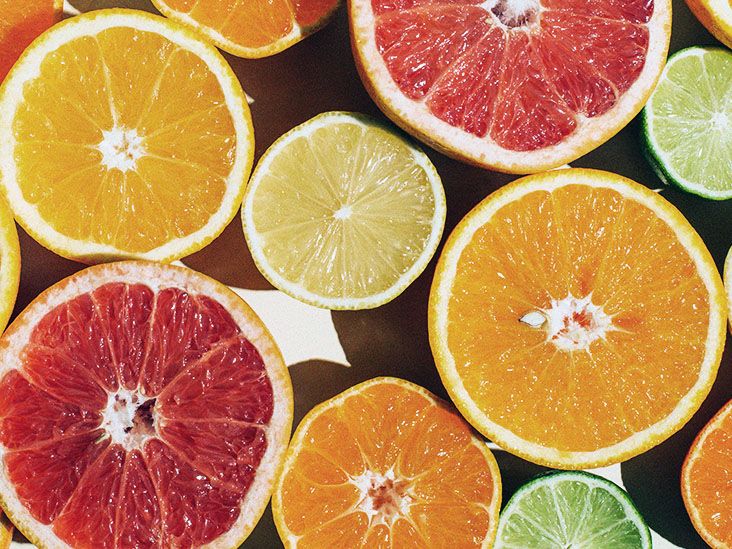
5. Oranges
Oranges are rich in vitamin C and also provide folate, potassium, water, and fiberespecially when the membranes and pulp are eaten. A whole orange is generally more filling than juice. Add segments to salads and yogurt, or peel one over the sink while accepting that citrus spray is now kitchen décor.
6. Bananas
Bananas provide potassium, vitamin B6, carbohydrate, and fiber in a naturally portable package. Greener bananas contain more resistant starch, while ripe bananas taste sweeter and work well in oatmeal or baking. For most healthy people, a normal portion is not “too sugary”; the overall eating pattern matters more.
7. Avocados
Avocado is a fruit, even though it has wisely avoided most fruit salads. It is rich in monounsaturated fat and also supplies fiber, potassium, folate, vitamin E, and vitamin K. Because it is calorie-dense, a practical serving is often one-quarter to one-half of a large avocado.
8. Kiwifruit
Kiwifruit packs vitamin C, fiber, potassium, folate, and vitamin E into a small serving. It also contains actinidin, an enzyme involved in protein digestion. The fuzzy skin is edible and adds fiber, although not everyone enjoys eating something that resembles a tiny tennis ball.
9. Pomegranate
Pomegranate arils provide fiber, potassium, vitamin K, and numerous polyphenols. Choose the arils more often than juice to retain fiber and make portions visible. Sprinkle them over oatmeal, salads, yogurt, or roasted vegetables. Opening the fruit under water can reduce the low-budget crime-scene effect.
10. Cherries
Sweet and tart cherries contain anthocyanins and other polyphenols, along with potassium, vitamin C, and fiber. Fresh cherries shine in season; unsweetened frozen cherries work year-round. Dried cherries are more concentrated and often sweetened, so check both the ingredient list and portion.
11. Watermelon
Watermelon is roughly 90% water and can support hydration during hot weather. Its red color comes partly from lycopene. It is low in calories but lower in fiber than berries or apples, so pair it with yogurt, cottage cheese, nuts, or feta for a more balanced snack.
12. Mango
Mango supplies vitamin C, folate, fiber, potassium, and carotenoids. It is sweeter and more carbohydrate-dense than berries by volume, but a one-cup portion fits many healthy eating patterns. Frozen chunks are convenient and eliminate the debate over whether a fresh mango is ripe or secretly made of wood.
How to choose the best fruit for your goal
For more fiber
Prioritize raspberries, blackberries, pears, apples with the skin, avocado, and pomegranate. Increase fiber gradually and drink enough fluid.
For vitamin C
Choose strawberries, oranges, kiwi, mango, papaya, and other citrus fruits. Regular intake is more useful than attempting a heroic amount once a month.
For potassium
Bananas are famous, but avocado, kiwi, oranges, cantaloupe, and dried fruits also contribute potassium. People with kidney disease or potassium-related medication concerns need individualized guidance.
For a high-volume snack
Berries, watermelon, oranges, peaches, and melon provide plenty of water and volume. Add yogurt, nuts, seeds, eggs, or cheese for protein or healthy fat.
Common questions about healthy fruit
Is fruit unhealthy because it contains sugar?
For most people, no. Whole fruit contains natural sugars plus fiber, water, micronutrients, and plant compounds. The form matters: an apple, sweetened apple drink, and apple-flavored candy are not nutritional equivalents merely because all three involve the word “apple.”
Can people with diabetes eat fruit?
Yes, but fruit contributes carbohydrate and should be counted in the meal plan. A small whole fruit or roughly one-half cup of many canned or frozen fruits contains about 15 grams of carbohydrate; berries and melons often allow a larger portion. Individual blood glucose response, medication, and the rest of the meal matter.
Is frozen or canned fruit healthy?
Yes. Plain frozen fruit can be as practical and nutritious as fresh fruit. For canned products, choose fruit packed in water, its own juice, or labeled “no added sugar.” Heavy syrup adds sugar and calories.
Is fruit juice healthy?
One hundred percent juice can provide vitamins and minerals, but it contains much less fiber and is easy to consume quickly. Whole fruit is the better everyday default. A small serving can fit into a balanced diet; a giant “detox” bottle is still a giant bottle of juice.
What about dried fruit?
Dried fruit contains fiber and micronutrients, but removing water concentrates calories and carbohydrate. About two tablespoons of some dried fruits can supply roughly 15 grams of carbohydrate. Choose unsweetened products and pay attention to portions.
How much fruit should adults eat?
The 2025–2030 federal guide lists two fruit servings for a 2,000-calorie pattern, with one serving illustrated as one cup raw or one-half cup dried. Needs differ by calorie requirement and health status.
Can grapefruit interact with medication?
Yes. Grapefruit can affect some statins, blood pressure medicines, transplant medicines, anti-anxiety drugs, and corticosteroids. Check the medication label and ask a pharmacist or clinician rather than guessing based on breakfast size.
Practical experience: making healthy fruit a habit in real life
The most common real-world lesson is that buying fruit and eating fruit are two separate hobbies. A grocery cart filled with berries, peaches, and ambitious intentions can become a refrigerator filled with expensive compost by Friday. A more successful routine begins with matching fruit to the week ahead. Buy delicate fruit for the next two or three days, sturdy fruit for later, and frozen fruit for the moment when every fresh option has vanished or developed suspicious fur.
A practical weekly mix might include one berry, one citrus fruit, bananas, apples, and a bag of frozen mango or cherries. The berries are eaten first. Oranges and apples wait patiently. Bananas move from green to yellow to “banana bread emergency” on their own schedule. Frozen fruit covers the gap. This approach creates variety without requiring twelve kinds of fruit to compete for shelf space at once.
Visibility also changes behavior. Fruit hidden in a crisper drawer may be forgotten until it qualifies for archaeological study. Keep ready-to-eat fruit at eye level. Put apples or oranges in a bowl where snacks are usually chosen. Portion grapes, melon, or pineapple into clear containers. Convenience is not laziness; it is environmental design wearing comfortable shoes.
Another useful experience is to connect fruit with an existing routine instead of relying on motivation. Add berries to breakfast, carry an apple with lunch, or use fruit as the default sweet finish after dinner. A consistent cue removes the nightly question of whether fruit “fits.” For people who find fruit alone unsatisfying, pair it with protein or healthy fat: strawberries with Greek yogurt, banana with peanut butter, apple with cheese, mango with cottage cheese, or cherries with pistachios.
Families often do better when fruit is served in familiar formats. A child who ignores a whole orange may eat peeled segments. Someone who dislikes soft berries may enjoy them frozen. An adult who rarely chooses fruit may eat it when sliced onto oatmeal. Preparation can change the experience without turning fruit into dessert. The goal is not to disguise it under whipped cream; it is to remove friction.
Budget experience matters too. The healthiest fruit is not necessarily the exotic package with a wellness slogan and a heroic price. Seasonal produce, store-brand frozen berries, canned pineapple in juice, bananas, apples, and oranges can all provide excellent nutrition. Compare cost per serving rather than package price. A frozen bag may be cheaper in practice if none of it spoils.
Finally, variety works best over time, not necessarily at every meal. Breakfast does not need blueberries, kiwi, mango, pomegranate, cherries, and a small flag declaring nutritional victory. Rotate colors across the week. Choose two or three fruits you genuinely enjoy, then occasionally add something new. A sustainable fruit habit should feel easy, pleasant, and repeatablenot like a produce-themed obstacle course.
Conclusion
The healthiest fruits combine strong nutrition with realistic eating habits. Berries stand out for fiber and polyphenols, citrus and kiwi for vitamin C, bananas and avocados for potassium, and watermelon for hydration. The larger advantage comes from variety, sensible portions, and choosing whole fruit more often than juice. Fresh, frozen, and canned options can all contribute when they contain little or no added sugar.
Instead of chasing one magical superfruit, build a rotation you enjoy and can afford. Berries at breakfast, an apple in a work bag, frozen mango in the freezer, and oranges on the counter may do more for long-term nutrition than any trendy fruit powder wearing a cape.

