
Hair Care
Princess Treatment vs Bare Minimum Quiz: Test Your Standards
Aug
Someone remembered your coffee order, checked that you arrived home safely, and made dinner after your terrible Tuesday. Is that princess treatment, the bare minimum, or simply what happens when an emotionally functional adult likes you?
The internet has turned this question into a relationship game. One person sees flowers as royal treatment; another sees them as standard operating procedure. Meanwhile, someone else is celebrating because their partner replied to a text within the same calendar week.
This princess treatment vs bare minimum quiz helps you examine your dating standards without confusing healthy expectations with fantasy-level demands. It is designed for every gender and relationship style. “Princess treatment” describes thoughtful, personalized carenot a requirement that one partner become a full-time chauffeur, therapist, personal chef, and mobile ATM.
What Is the Bare Minimum in a Relationship?
The bare minimum is the basic foundation required for a relationship to feel safe, respectful, and mutual. It is not a luxury package. It is the emotional equivalent of having walls, plumbing, and a roof before discussing whether the kitchen needs marble countertops.
Healthy relationship basics generally include honesty, respect, consent, communication, reliability, emotional safety, reasonable compromise, and support for each person’s independence. Both partners should be able to express needs and boundaries without fearing punishment, ridicule, threats, or deliberate withdrawal.
Examples of the Relationship Bare Minimum
- Keeping important promises or communicating when plans change
- Listening without automatically mocking or dismissing your feelings
- Respecting physical, sexual, emotional, financial, and digital boundaries
- Remaining faithful to the relationship agreement you made together
- Apologizing and changing behavior after causing harm
- Making time for the relationship instead of contacting you only when bored
- Showing interest in your well-being, goals, and daily life
- Sharing responsibility rather than assigning one person all the emotional labor
These behaviors matter, but they are not evidence that you have discovered a mythical romantic unicorn. A partner who does not insult you, cheat on you, disappear without explanation, or pressure you sexually is meeting essential standards. Decency should never be advertised as a premium upgrade.
What Does Princess Treatment Really Mean?
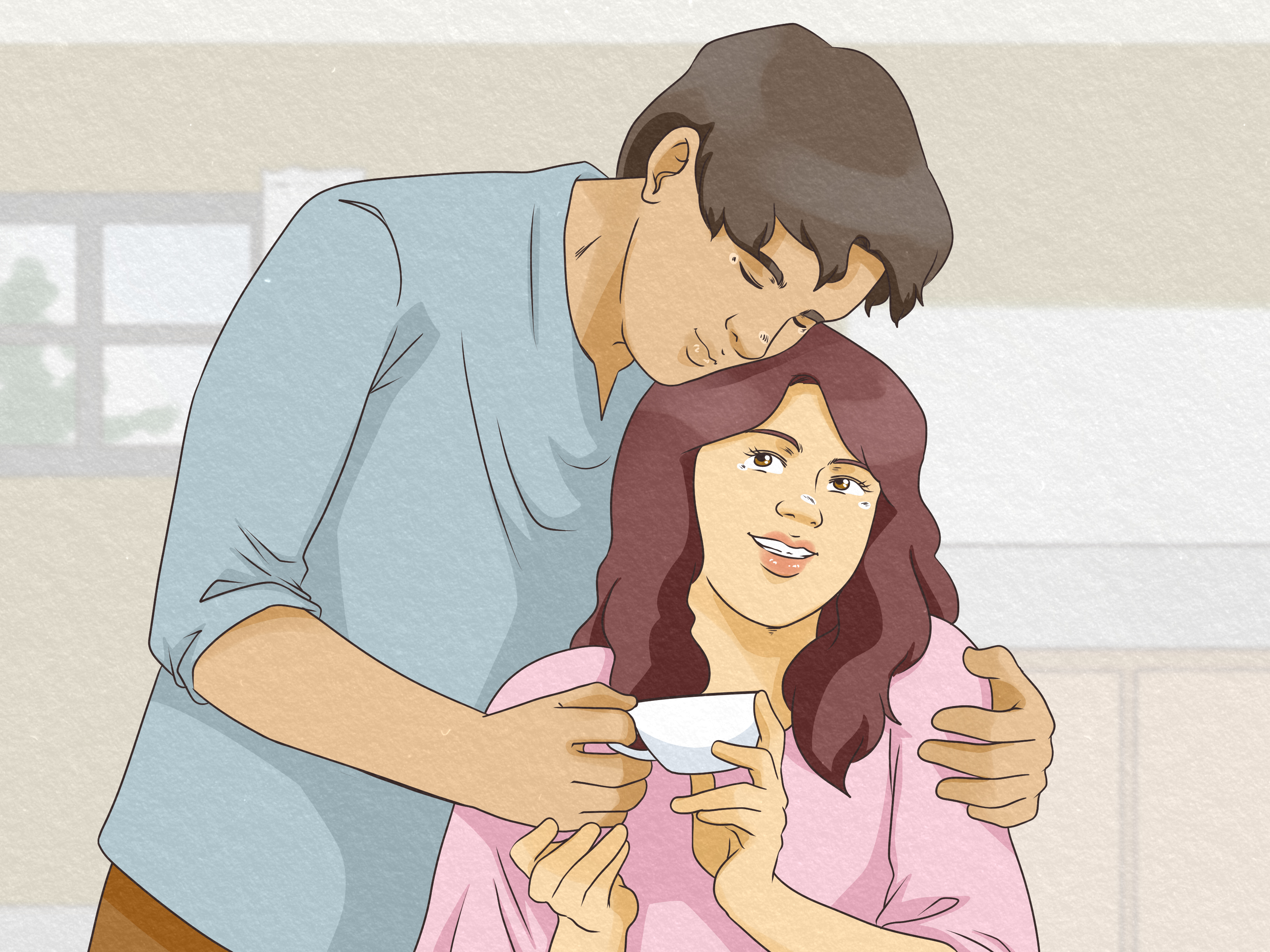
Princess treatment is intentional care that goes beyond basic respect. It happens when someone learns what makes you feel valued and makes a voluntary effort to provide it. The gesture may be romantic, practical, playful, comforting, or surprisingly ordinary.
It could mean planning a date around your obscure love of historical bookstores. It might mean warming your side of the bed, bringing your favorite snack after a long shift, handling a stressful errand, or leaving an encouraging note before an important interview. The price tag is not the point. Attention is.
Small bids for connectionquestions, affectionate gestures, jokes, invitations, or requests for attentionhelp partners maintain emotional closeness when those bids are regularly noticed and answered. Appreciation also supports connection by helping partners feel that their contributions are seen rather than silently expected.
Healthy Princess Treatment Is:
- Personalized to the recipient rather than copied from social media
- Freely given instead of used to create debt or obligation
- Consistent with both partners’ time, energy, and financial circumstances
- Mutual over time, even when each person contributes differently
- Built on top of respect, trust, and communication
Princess Treatment Is Not:
- Expecting one partner to pay for everything regardless of circumstances
- Demanding immediate access to someone’s phone, location, or passwords
- Requiring constant availability or isolation from friends and family
- Using gifts to excuse dishonesty, cruelty, or repeated boundary violations
- Measuring love exclusively through luxury purchases
Grand gestures can feel wonderful, but they are not automatically healthy. Excessive attention, gifts, or compliments may become manipulative when they create pressure, accelerate intimacy unnaturally, or come with hidden conditions. A limousine full of roses does not cancel a pattern of disrespect. It merely gives the disrespect better transportation.
Princess Treatment vs Bare Minimum Quiz
Choose the answer that most closely reflects what you currently expect in a romantic relationship. Record your points for each response.
Scoring: A = 0 points, B = 1 point, C = 2 points.
-
Your Partner Needs to Cancel a Date
A. They can disappear. I should not expect an explanation.
B. They should tell me promptly, apologize, and suggest another time.
C. They should do all of that and find a thoughtful way to preserve the connection, such as arranging a call or sending dinner if circumstances allow.
-
You Have an Important Presentation Tomorrow
A. Remembering it would be nice, but I expect nothing.
B. I expect encouragement and a later question about how it went.
C. I appreciate encouragement plus a personalized gesture, such as reviewing my notes or preparing my favorite breakfast.
-
You Are Sick at Home
A. One “feel better” text is more than enough, even if they know I need help.
B. They should check in sincerely and ask what support would be useful.
C. When practical, I value proactive care such as bringing medicine, food, or helping with an urgent task.
-
You Express a Boundary
A. I usually soften or abandon boundaries to avoid upsetting my partner.
B. My partner should listen, clarify, and respect the boundary.
C. Beyond respecting it, I value a partner who remembers the boundary and helps create conditions where I feel secure.
-
You Disagree About Something Important
A. I accept insults, silent treatment, or threats because arguments are normal.
B. I expect disagreement without humiliation, intimidation, or punishment.
C. I value respectful conflict followed by reassurance, repair, and a sincere effort to understand each other.
-
Household Responsibilities Are Uneven
A. I quietly do everything because asking for help feels demanding.
B. I expect responsibilities to be discussed and divided reasonably.
C. I value a partner who notices what needs doing, takes initiative, and appreciates my contribution without requiring a chore-related press conference.
-
Your Birthday Is Approaching
A. I tell myself birthdays are meaningless because I assume they will forget.
B. I expect acknowledgment and an effort appropriate to our circumstances.
C. I value a celebration shaped around my personality, even if it is inexpensive and simple.
-
You Share Good News
A. I am satisfied if my partner responds with a thumbs-up emoji.
B. I expect genuine interest and congratulations.
C. I value enthusiastic support, follow-up questions, and a small celebration because my wins matter to them.
-
You Are Traveling Alone at Night
A. Concern would feel clingy, so I expect no check-in.
B. I appreciate a respectful request to confirm that I arrived safely.
C. When appropriate, I value practical support such as arranging transportation or staying availablewithout tracking or controlling me.
-
Your Partner Hurts Your Feelings
A. An apology is unnecessary if they claim they did not intend to hurt me.
B. I expect them to listen, acknowledge the impact, and apologize sincerely.
C. I expect an apology plus observable behavior change and a thoughtful effort to rebuild connection.
-
You Mention Something You Love
A. I assume they will not remember personal details.
B. I expect general interest in my preferences and hobbies.
C. I feel especially cared for when they remember details and later turn one into a surprise, date, gift, or shared experience.
-
You Need Time for Friends or Personal Goals
A. I reduce outside relationships and ambitions to prove my commitment.
B. I expect my independence, friendships, and goals to be respected.
C. I value a partner who actively encourages my growth and celebrates the parts of my identity that exist beyond the relationship.
What Your Quiz Score Means
0–8 Points: Your Standards May Be Running on Low-Battery Mode
You may be treating basic needs as unreasonable demands. Perhaps you avoid asking for support because previous partners called you needy, dramatic, or difficult. You might also believe that being “low-maintenance” guarantees love.
Low expectations can prevent disappointment in the short term, but they can also normalize inconsistency and one-sided effort. Balanced relationships do not require perfectly equal contributions every day. Illness, work, grief, parenting, and financial stress can temporarily shift the load. The concern is a persistent pattern in which one person keeps giving while the other remains comfortably unavailable.
Start by identifying three nonnegotiable standards, such as honest communication, respectful conflict, and shared effort. Standards are not ultimatums. They are information about the conditions under which you can participate in a healthy relationship.
9–16 Points: You Understand the Healthy Baseline
You generally recognize the difference between basic respect and bonus-level thoughtfulness. You are unlikely to confuse “texts me back” with historic romance, but you may hesitate to request the personalized care that makes a relationship feel deeply satisfying.
Try discussing preferences more explicitly. Your partner cannot reliably meet expectations that exist only in a private screenplay inside your head. Explain which gestures make you feel supported and ask what care means to them. One person may treasure surprise flowers; another would prefer that someone finally schedule the dentist appointment they have been avoiding since the previous presidential administration.
17–24 Points: You Value Intentional, Personalized Care
You expect relationships to include more than technical faithfulness and occasional texts. You want emotional presence, initiative, celebration, and care tailored to the individual.
Those standards can support a fulfilling partnership, provided they remain flexible, mutual, and realistic. Check whether you offer the thoughtfulness you request. Also consider resources, personality, disability, culture, work demands, and life stage. Someone may love you deeply without enjoying elaborate surprises or public displays.
The goal is not to receive identical effort in every category. It is to create a relationship in which both people feel respected, considered, and appreciated. Equality means that each person’s interests and needs matternot that every act must be immediately repaid like a romantic expense report.
How to Raise Your Standards Without Becoming Entitled
Separate Needs From Preferences
Needs involve safety, respect, honesty, consent, and emotional well-being. Preferences concern how those needs are expressed. Respect may be nonnegotiable; receiving a handwritten letter every Friday may be delightful but negotiable.
Request Behavior, Not Mind Reading
Replace “You should know what I need” with something specific: “When I have a stressful day, it helps when you listen before offering solutions.” Clear requests give your partner a fair opportunity to respond.
Watch Patterns, Not Isolated Moments
A forgotten anniversary matters, but context matters too. Did your normally attentive partner make one mistake during a family emergency, or do they repeatedly forget important events and then blame you for caring?
Measure Reciprocity Over Time
Healthy reciprocity does not require keeping score down to the last coffee. One person may plan dates while the other handles practical tasks. What matters is whether both people contribute, adapt, and feel valued.
Never Trade Safety for Spectacle
A partner who buys designer gifts but controls your clothes, friendships, money, or movements is not providing princess treatment. Control, intimidation, forced access to accounts, sexual pressure, and isolation are warning signsnot proof of passionate love.
Real Experiences With Princess Treatment and the Bare Minimum
Consider Maya, who once described her boyfriend as “amazing” because he never cheated and usually answered messages before midnight. When friends asked what made her feel loved, she struggled to name anything beyond the absence of obvious betrayal. He rarely planned dates, asked about her work, or offered support when she was overwhelmed. Maya had mistaken “not actively harmful” for “emotionally invested.”
Her standards had not always been that low. They gradually shrank after a previous relationship in which every request became an argument. Asking for a phone call was labeled clingy. Wanting plans made in advance was controlling. Eventually, Maya learned to request nothing and praise crumbs. A same-day reply felt like room service at a five-star palace.
Then there was Jordan, whose partner Sam rarely bought traditional romantic gifts. At first, Jordan wondered whether the relationship lacked sparkle. Sam did, however, notice that Jordan became anxious before family gatherings. Before each visit, Sam filled the car with gas, packed snacks, agreed on a discreet signal for leaving early, and checked in afterward. That was princess treatment in a language Jordan had not initially recognized: preparation, protection, and attention.
Another couple, Nina and Alex, discovered that their arguments about effort were really arguments about visibility. Nina planned birthdays, remembered appointments, and maintained their social calendar. Alex cooked most meals, repaired things around the apartment, and handled late-night airport pickups. Each person saw their own labor clearly and the other person’s work vaguely.
They stopped asking, “Who does more?” and started asking, “Which contributions are going unnoticed?” A weekly conversation helped them divide responsibilities and express appreciation. No crowns were purchased. No royal trumpets were required. The relationship simply became less resentful because invisible effort finally became visible.
Experiences like these show why social-media comparisons are unreliable. A thirty-second video may display a hotel suite filled with roses without showing the debt, argument, or camera setup behind it. Another couple may appear ordinary while quietly practicing extraordinary care every day.
The most meaningful princess treatment is often difficult to photograph. It is a partner learning how you prefer to receive comfort. It is someone protecting your rest, encouraging your ambitions, remembering what frightens you, and making your life lighter without making you smaller. It is knowing that care will remain after the flowers wilt and the restaurant receipt disappears.
At the same time, no one performs perfectly. A loving partner will occasionally miss a hint, choose a terrible gift, become distracted, or forget that the “small thing” you mentioned was secretly very important. The difference is what happens next. Healthy partners stay curious, accept feedback, repair mistakes, and make adjustments.
Your ideal treatment should therefore be defined through conversation rather than borrowed wholesale from an influencer. Ask yourself which gestures actually improve your emotional well-being. Ask your partner the same question. You may discover that your royal fantasy is not a private jet. It is uninterrupted sleep, a stocked refrigerator, and somebody else calling the plumber.
Conclusion: Your Standards Need a Foundation and a Personality
The bare minimum is essential: honesty, respect, consent, consistency, communication, accountability, and mutual effort. Princess treatment is what happens when those fundamentals are joined by personalized attention and voluntary generosity.
You do not need to apologize for wanting tenderness, romance, practical help, enthusiastic support, or thoughtful surprises. You also do not need to copy someone else’s relationship checklist. The best standard is one that protects your dignity while leaving room for two imperfect people to communicate, grow, and care for each other in sustainable ways.
Use your quiz result as a conversation starter, not a courtroom verdict. A healthy relationship should not make you feel grateful merely because nothing terrible happened today. It should offer enough safety, effort, affection, and appreciation that both partners can genuinely thrive.

