
Hair Care
How to Make Washing Soda From Baking Soda: Game Changing Cleaning Hack
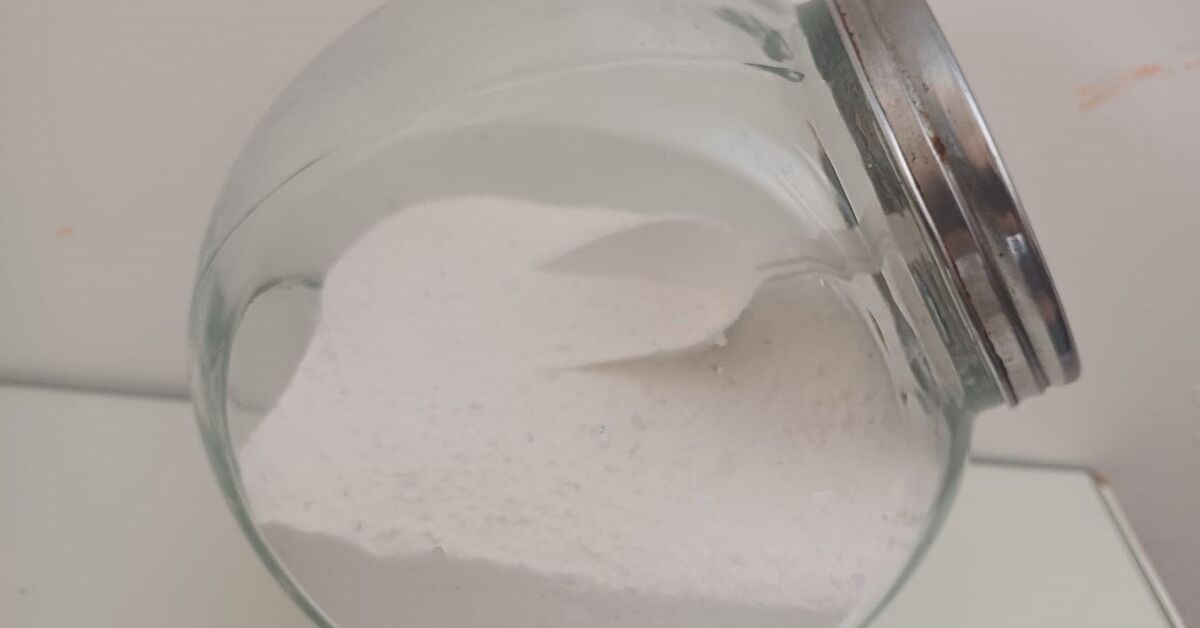
Aug
There are few household victories more satisfying than turning a humble box of baking soda into a stronger cleaning helper with nothing but an oven, a baking sheet, and approximately one hour of patience. It feels a little like kitchen magic, except the final product is not a cookie. It is a serious laundry booster that can help tackle greasy cookware, grimy grill grates, hard-water buildup, and towels that smell like they have been training for a marathon in a damp gym bag.
Washing soda, also called sodium carbonate or soda ash, is more alkaline than baking soda. That stronger alkalinity is why it is commonly used as a laundry additive and water softener. Heating baking soda changes its chemical structure, releasing carbon dioxide and water vapor and leaving behind sodium carbonate. In other words, your oven is not merely warming white powder; it is giving baking soda a tiny chemistry makeover.
This guide explains exactly how to make washing soda from baking soda, how to use it without accidentally turning your favorite pan into a science fair project, and what real-world cleaning experiences teach us about where this DIY cleaner shines and where it should sit quietly on the shelf.
What Is Washing Soda, Exactly?
Washing soda is sodium carbonate, a stronger alkaline compound than baking soda, which is sodium bicarbonate. Both are white powders. Both are useful around the house. Both can make your cleaning cabinet look like it belongs to a very organized wizard. But they are not interchangeable.
Baking soda is gentler and is often used for deodorizing, mild scrubbing, and food-related applications. Washing soda is intended for cleaning tasks. It is commonly used in laundry products because it can help soften hard water and support detergent performance by helping dirt and oils release from fabric more effectively. Sodium carbonate is also used in detergents, soaps, and water treatment because of its ability to raise alkalinity and manage mineral-heavy water.
Commercial washing soda is often sold in a hydrated form, meaning sodium carbonate is combined with water molecules in its crystal structure. Homemade washing soda created by heating baking soda is closer to dry sodium carbonate, sometimes called soda ash. For everyday cleaning purposes, people commonly use the terms interchangeably, although the chemistry nerds in the room may gently clear their throats at that sentence.
The Chemistry Behind Turning Baking Soda Into Washing Soda
The transformation is simple:
2 NaHCO3 → Na2CO3 + CO2 + H2O
When baking soda is heated, it releases carbon dioxide and water vapor. What remains is sodium carbonate. That means the finished washing soda weighs less than the original baking soda because some of the material literally leaves as gas and vapor. Your baking sheet will not look dramatically different afterward, which is mildly anticlimactic. The powder stays white. The chemistry, however, has done the heavy lifting behind the curtain.
The finished powder may look flatter, drier, and slightly more granular than the original baking soda. Do not expect fireworks, smoke, or a theatrical chorus line. A quiet chemical change is still a chemical change.
How to Make Washing Soda From Baking Soda
What You Need
- Plain baking soda, labeled sodium bicarbonate
- A rimmed baking sheet or shallow baking dish
- An oven
- A heat-safe spoon or spatula
- An airtight container for storage
- A label, because mysterious white powders are never a charming household aesthetic
Step 1: Preheat Your Oven
Set the oven to 300°F. Lower temperatures can work if the baking soda stays in the oven longer, and some tested methods use temperatures around 250°F for about an hour. The goal is steady dry heat, not a dramatic blast furnace situation.
Step 2: Spread the Baking Soda in a Thin Layer
Pour the baking soda onto a clean, dry baking sheet. Spread it into an even, shallow layer so heat can reach the powder more consistently. Avoid piling it into a mountain. Your baking soda is not trying to summit Everest.
Step 3: Bake for About One Hour
Place the tray in the oven and bake for approximately 60 minutes. Stir the powder once halfway through if you want to help it heat evenly, especially if you are making a large batch. The powder should remain dry and white.
Do not cover the dish tightly. Carbon dioxide and water vapor need somewhere to go. A sealed container in a hot oven is a terrible place to discover your inner experimental chemist.
Step 4: Cool Completely
Remove the tray carefully and let the powder cool fully. Washing soda is more alkaline than baking soda, so avoid handling it with damp hands. Once cool, transfer it into a dry, airtight jar or container.
Step 5: Label and Store It Properly
Label the container clearly: “Washing Soda Cleaning Use Only.” Store it in a cool, dry place away from food, children, and pets. Sodium carbonate should be protected from humidity because moisture can affect its stability over time.
Why Homemade Washing Soda Is a Game-Changing Cleaning Hack
Washing soda does not replace every cleaner in your home, nor should it. It is not a magic wand, a disinfectant substitute, or a reason to throw away every product under your sink while wearing a cape. Its real value is more practical: it is a powerful alkaline cleaning booster that can improve certain jobs when used correctly.
It Helps Laundry Detergent Work Harder
Hard water contains minerals such as calcium and magnesium that can interfere with cleaning and leave fabrics feeling stiff, dull, or less fresh. Washing soda helps bind those minerals, which can make detergent more effective. This is especially useful for towels, workout clothes, kitchen rags, bedding, and other washable items that seem to hold onto odor or grime.
For an ordinary load of laundry, start conservatively with a few tablespoons of washing soda alongside your regular detergent. For heavily soiled laundry or very hard water, follow your washer manual and detergent instructions. Commercial washing-soda guidance often suggests up to one-half cup per load, with more used for unusually large, dirty, or hard-water loads.
It Cuts Through Grease
Greasy stove grates, range hoods, broiler pans, and plastic kitchen items can benefit from a washing-soda solution. Mix one-half cup of washing soda into one gallon of warm water, then wipe or soak washable, non-aluminum surfaces. Rinse thoroughly afterward. For stubborn spots, make a paste using two parts washing soda and one part water, let it sit briefly, then scrub and rinse.
It Helps With Hard-Water Film and Soap Scum
Bathroom grime often includes a glamorous cocktail of soap residue, body oils, and mineral deposits. Washing soda can help with this kind of mess because its alkalinity and water-softening behavior support cleaning. A diluted solution can be used on suitable bathroom surfaces such as tile, sinks, toilet bowls, and plastic shower curtains, followed by a thorough rinse.
It Revives Grimy Outdoor Items
Washing soda can be useful for removable grill grates, greasy outdoor tools, and oil spots on concrete. Washington State University Extension notes that washing soda has long been used as a practical cleaner for baked-on residue and difficult grime. It is particularly helpful when hard water makes ordinary washing feel less effective.
Five Practical Ways to Use Homemade Washing Soda
1. Laundry Booster for Towels and Workout Clothes
Add washing soda along with your normal laundry detergent. It is especially useful when towels come out technically clean but somehow still smell like they have opinions about moisture.
2. Greasy Pan and Cookware Paste
Mix two parts washing soda with one part water. Apply the paste to greasy or burned-on residue on suitable cookware, let it sit for up to 30 minutes, then scrub gently and rinse well.
3. Kitchen Degreasing Solution
Dissolve one-half cup of washing soda in one gallon of warm water. Use the solution on washable non-aluminum surfaces such as range hoods, backsplash areas, appliance exteriors, and plastic containers. Rinse afterward.
4. Bathroom Cleaner for Soap Scum
Use the same diluted solution on tile, porcelain, sinks, and toilet bowls. Wear gloves, scrub gently, and rinse thoroughly. Always test an inconspicuous spot first, especially on colored grout or older finishes.
5. Laundry Pre-Soak for Stubborn Stains
For washable colorfast fabrics, dissolve two tablespoons of washing soda per gallon of warm water. Soak for at least 30 minutes, then wash as usual with detergent. Test a hidden area first if you are treating colored fabric.
What Not to Clean With Washing Soda
Washing soda is useful, but it is not polite to every material. Skip aluminum cookware and aluminum appliances because sodium carbonate can damage or discolor aluminum. Avoid fiberglass fixtures unless the manufacturer specifically says the surface can handle alkaline cleaners.
Use extra caution with natural stone, painted surfaces, delicate fabrics, antique finishes, wool, silk, leather, and unsealed wood. These materials can react poorly to strong alkaline cleaners, moisture, abrasion, or all three at once. When in doubt, test a small hidden section first or use a cleaner designed for that exact surface.
Also, do not mix washing soda directly with acidic cleaners such as vinegar in a closed container. The acid and carbonate neutralize each other, producing fizz and carbon dioxide. The bubbles may be entertaining, but they do not make a stronger cleaning product. They mostly make a tiny volcano and reduce the usefulness of both ingredients.
Safety Tips for Homemade Washing Soda
- Wear gloves when mixing solutions or scrubbing with washing soda.
- Avoid breathing the dust, especially when pouring large amounts.
- Keep it away from children and pets.
- Do not use it as a food ingredient after making it for household cleaning.
- Never store it in an unlabeled container.
- Rinse surfaces thoroughly after cleaning, especially kitchen items.
- If powder gets in your eyes, rinse with clean running water and seek medical guidance if irritation continues.
Poison Control identifies sodium carbonate as an alkali used in household cleaning products. That does not make it a villain in a black cape, but it does mean it deserves respect. Gloves, careful storage, and sensible labeling go a long way.
Common Mistakes When Making Washing Soda
Using Baking Powder Instead of Baking Soda
Baking powder is not the same ingredient. It contains baking soda plus acids and starches, so it will not produce clean, reliable washing soda for household cleaning.
Expecting a Dramatic Visual Change
The powder will still look white. It may not look especially different from the original baking soda. The best evidence is the process itself: a thin layer of pure baking soda heated thoroughly for about an hour.
Using Too Much in Laundry
More is not always better. Begin with a modest amount and increase only if you have hard water, very dirty laundry, or a washer and detergent label that support higher amounts. Too much powder can leave residue, especially in low-water machines.
Skipping the Patch Test
A cleaning hack is only fun until it leaves a faded patch on a favorite shirt or dulls a finish. Test first. It is the boring advice that saves you from the exciting problem.
Practical Experience: What This Cleaning Hack Feels Like in Real Life
The first real-world lesson with homemade washing soda is that it works best as a supporting character, not the entire cast. People often expect it to replace detergent, degreaser, stain remover, disinfectant, fabric softener, dish soap, and possibly emotional support. That is asking too much of one white powder. Washing soda is most impressive when it helps another product work better, especially laundry detergent in hard water.
The difference tends to be most noticeable with towels. Towels are notorious for collecting detergent residue, body oils, minerals, and the mysterious scent known as “I dried myself yesterday.” Adding washing soda to a wash can make towels feel less stiff and smell cleaner because the detergent gets a better shot at removing the buildup. It does not turn every towel into a luxury hotel robe, but it can help rescue towels that have become crunchy enough to qualify as light construction materials.
Kitchen grease is another place where washing soda earns its keep. A greasy range hood or splattered stovetop often laughs at a quick wipe with plain water. A warm washing-soda solution gives you a more useful starting point, especially when you let it sit briefly before wiping. The important experience-based tip is patience. Letting the cleaner work for several minutes is usually more effective than attacking the surface immediately with enough elbow grease to qualify for a gym membership.
For baked-on grime, the paste method can be satisfying, but it is not instant magic. A thick paste on a suitable non-aluminum pan, grill grate, or stained plastic item needs contact time. After about 20 to 30 minutes, residue often becomes easier to scrub away. The result is not always a movie-style transformation from charcoal crater to showroom sparkle, but it can reduce the amount of scrubbing dramatically.
Another useful lesson is that homemade washing soda rewards neat habits. It needs a dry container, a clear label, and a dedicated scoop. If it absorbs moisture, it can clump. If it is stored in an unmarked jar, someone may mistake it for baking soda, sugar, or an ingredient in a particularly aggressive pancake recipe. A simple label prevents a surprising number of household mistakes.
Finally, the best experience with washing soda is learning where not to use it. Avoiding aluminum, delicate textiles, and unknown finishes is not a limitation; it is part of using the cleaner intelligently. The hack becomes genuinely game changing when it saves time on the right jobs rather than creating an entirely new job called “How Do I Fix This Surface?”
Final Thoughts
Making washing soda from baking soda is one of those rare DIY projects that is inexpensive, useful, and not dependent on owning twelve specialty tools or having a garage workshop. With a baking sheet, an oven, and basic safety habits, you can create a powerful sodium carbonate cleaner for laundry, greasy kitchen jobs, hard-water buildup, and outdoor messes.
The secret is not using it everywhere. The secret is using it where its stronger alkalinity makes sense: laundry, grease, soap scum, mineral-heavy water, and washable non-aluminum surfaces. Treat it with respect, label it clearly, rinse well, and enjoy the deeply satisfying feeling of turning pantry baking soda into a household cleaning powerhouse.

