
Hair Care
How to Attract Bats to Your Garden: 11 Steps
Aug
Bats may not have the public-relations team enjoyed by butterflies, hummingbirds, or suspiciously photogenic garden rabbits, but they are among the most useful visitors your yard can welcome. Many bats found across the United States feed primarily on insects, including moths, beetles, leafhoppers, flies, and other nighttime fliers. In other words, they work the night shift while you sleep and never submit an invoice.
Learning how to attract bats to your garden is not about scattering mysterious bait or installing a tiny gothic castle. The best approach is to create a healthy habitat containing food, water, shelter, darkness, and safe flight space. A bat house can help, but it is only one part of the larger landscape.
It is also important to maintain realistic expectations. Bats are wild animals, not featherless tenants responding to a rental advertisement. Even a beautifully designed bat-friendly garden may take several seasons to attract regular visitors. The following 11 steps improve your chances while supporting moths, native plants, birds, and other beneficial wildlife at the same time.
Why Attract Bats to Your Garden?
Most backyard bats in the continental United States are insectivores. Their diets vary by species and location, so it is better to think of them as general nighttime insect hunters than as specialized mosquito-eradication machines. They may consume mosquitoes, but moths, beetles, flies, and agricultural pests can make up a substantial part of their meals.
Bats also contribute to larger ecosystems. In the Southwest, nectar-feeding species help pollinate plants such as agaves and certain cacti. Elsewhere, insect-eating bats reduce pressure from crop and forest pests. Unfortunately, bat populations face habitat loss, declining insect abundance, disease, and disturbance of natural roosts. A thoughtfully managed yard cannot solve every conservation problem, but it can become a useful piece of connected habitat.
1. Learn Which Bats Live in Your Area
Before changing your landscape, find out which bat species occur in your state or county. Local wildlife agencies, university extension programs, nature centers, and bat-conservation groups can usually provide regional information.
This matters because different bats have different needs. Some spend summer days beneath loose tree bark. Others use hollow trees, rock crevices, buildings, bridges, caves, or artificial bat houses. Migratory tree bats may pass through a region seasonally, while other species form summer maternity colonies and remain in the area for months.
Local knowledge also helps you choose appropriate plants and place a bat house correctly. A dark-colored box that provides useful warmth in a cool northern climate could become an airborne sauna in an extremely hot southern location. Follow regional guidance rather than assuming one bat-house plan works everywhere.
2. Plant Native Flowers, Shrubs, and Trees
One of the most effective ways to attract bats is to support the insects they eat. Native plants have long-established relationships with native moths, beetles, and other wildlife. A landscape filled with locally appropriate species generally creates a stronger food web than one dominated by lawn and a few ornamental plants from distant ecosystems.
Include several vegetation layers when space allows:
- Native canopy or understory trees
- Flowering shrubs
- Perennial wildflowers
- Native grasses and ground covers
- Vines suited to your region
Potential choices include asters, goldenrods, evening primrose, native milkweeds, mountain mints, bee balm, blazing star, buttonbush, Joe-Pye weed, native sunflowers, and regionally appropriate oaks or willows. Not every plant belongs in every state, so check its native range and growing requirements before planting.
The goal is not to create a random botanical buffet. Choose species suited to your soil, rainfall, sunlight, and available space. Healthy plants support more insects than unhappy plants spending every afternoon reconsidering their life choices.
3. Create an Evening and Nighttime Insect Buffet
Many moths and other nocturnal insects are drawn to pale, fragrant flowers that open or release more scent in the evening. Add some of these plants near open areas where bats can safely forage.
Depending on your region, possibilities may include native evening primrose, white woodland flowers, pale phlox, native honeysuckle, yucca, or other dusk-blooming species. Some popular night-garden plants are not native and may become invasive in particular states, so confirm local recommendations before purchasing them.
Plan for a Long Blooming Season
Instead of planting one dramatic group that flowers for two weeks, select plants with overlapping bloom periods from spring through fall. Early flowers support insects when bats become active after winter. Summer blooms help maternity colonies during an energy-demanding season, while late flowers feed insects used by bats preparing to migrate or hibernate.
A varied garden also makes your yard more resilient. When weather shortens one plant’s blooming period, another species may still provide nectar, pollen, leaves, or shelter for insects.
4. Stop Using Broad-Spectrum Pesticides
A yard cannot function as a bat restaurant if the kitchen staff keeps eliminating the menu. Broad-spectrum insecticides reduce the moths, beetles, and other prey bats need. Some chemicals may also expose wildlife through contaminated insects or treated surfaces.
Use an integrated pest-management approach instead. Identify the pest before acting, tolerate minor cosmetic damage, remove affected plant material when appropriate, encourage natural predators, and select the least disruptive treatment when control is truly necessary.
A few holes in a leaf do not automatically mean your garden is failing. They may mean the local food web has finally found your address. Caterpillars become moths, moths feed bats, and slightly imperfect foliage is frequently the price of running a functioning ecosystem rather than an outdoor furniture showroom.
5. Provide a Reliable Water Source
Bats drink while flying, often swooping low over the surface of ponds, streams, pools, and other open water. Properties near natural water may already have an advantage. In a dry yard, a garden pond or suitable water feature can improve habitat for bats and many other animals.
The water should have an unobstructed approach and enough open surface for a bat to fly across it. A tiny bowl hidden beneath dense foliage may help insects or birds, but it is unlikely to function like a bat drinking area.
Keep the Water Safe and Clean
Avoid allowing containers or neglected water features to become stagnant mosquito nurseries. Use circulation, appropriate pond design, regular maintenance, or other wildlife-safe management methods. Do not add chemicals casually, especially if animals may drink from the water.
Place larger water features away from busy patios, narrow walkways, and places where pets regularly patrol. Bats need room to approach, drink, and leave without navigating a furry obstacle course.
6. Preserve Mature Trees and Safe Standing Snags
Not all bats live in caves, and many do not use bat houses. Mature trees can provide cavities, cracks, loose bark, sheltered foliage, and protected roosting locations. A dead standing tree, commonly called a snag, may be especially valuable when it contains hollows or peeling bark.
Retain mature trees and snags when they do not threaten people, buildings, utilities, or roads. Ask a qualified arborist to evaluate questionable trees. Wildlife habitat is wonderful; a dead trunk landing on the garage is less charming.
Also consider leaving some logs, leaf litter, and natural garden debris in low-traffic areas. Decaying wood and organic material support insects and fungi, which strengthen the wider ecosystem. Avoid turning every corner of the yard into an immaculate patch of bare mulch.
7. Choose a Well-Designed Bat House
A bat house can supplement natural roosts, particularly where mature trees and suitable building crevices are scarce. However, poorly constructed novelty boxes often remain empty. Choose a design developed or reviewed by a wildlife agency, university extension program, or established bat-conservation organization.
A useful bat house generally includes:
- Roughened interior surfaces that bats can grip
- Narrow roosting chambers
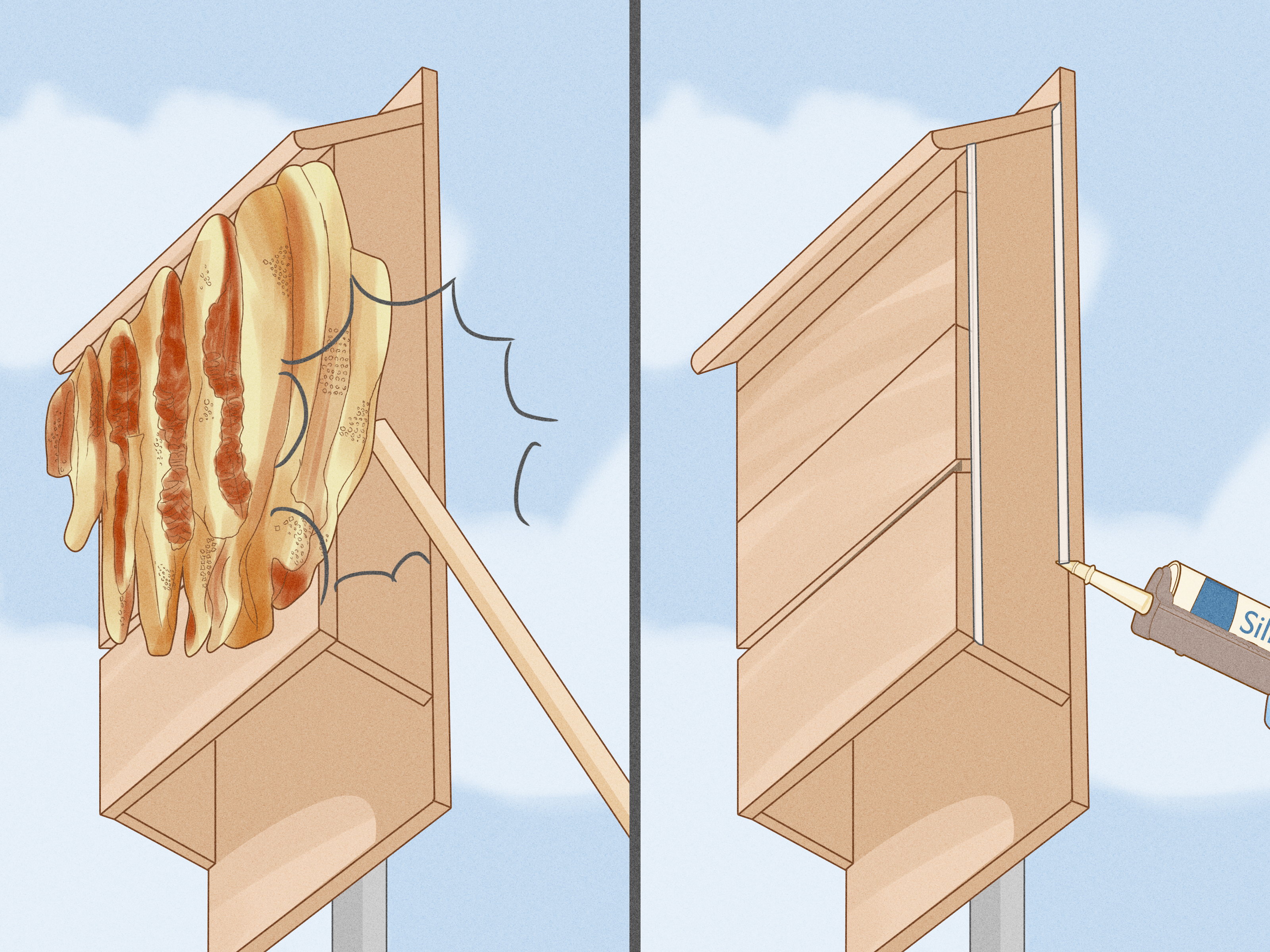
- Sealed seams that reduce drafts and water intrusion
- A landing area below the entrance
- Durable exterior-grade construction
- Ventilation appropriate for the local climate
Avoid pressure-treated wood inside the roosting chamber and strong-smelling interior finishes. Exterior paint or stain may help regulate temperature and protect the structure, but the correct color depends on climate and sun exposure.
There is no need to place guano or commercial “bat attractant” inside the box. Habitat, temperature, placement, and nearby bat activity matter far more than bottled optimism.
8. Mount the Bat House in the Right Location
Placement can determine whether a good bat house succeeds or becomes expensive yard décor. Current guidance commonly favors mounting bat boxes on buildings or sturdy poles rather than trees. Trees may shade the box, provide climbing access for predators, and obstruct the clear flight path bats need.
Place the entrance roughly 10 to 16 feet above the ground unless regional experts recommend otherwise. Keep the area below and in front of the box open so bats can drop from the entrance and gain flight speed. Avoid locations directly above doors, decks, playgrounds, outdoor dining areas, or parked vehicles because droppings may accumulate below an occupied roost.
Balance Sunlight and Temperature
Bat-house temperature is critical. In cooler climates, several hours of direct sunlight may create the warmth a maternity colony needs. In very hot regions, excessive afternoon sun may overheat the box. Orientation, exterior color, ventilation, and chamber depth should therefore be selected according to local climate.
Nearby water, forest edges, meadows, and open foraging corridors may improve the location. Mount the house securely enough to resist storms, and inspect its exterior annually without disturbing occupants.
9. Reduce Artificial Light at Night
A bright yard may look inviting to humans, but artificial light can alter the behavior of nocturnal insects and discourage light-sensitive bat species. Some bats hunt around individual lights because insects gather there, yet constant landscape illumination can fragment dark habitat and change normal movement patterns.
Turn off decorative lights when they are not needed. Use timers or motion sensors for security lighting, aim fixtures downward, and shield bulbs so light remains on the intended surface. Choose the lowest brightness that safely performs the job.
Try to maintain a dark route between roosting habitat, plants, water, and nearby tree cover. Think of it as a nighttime wildlife corridorexcept no traffic cones are required.
10. Protect Bats From Cats and Household Hazards
Domestic cats can catch bats as they emerge from low roosts or pursue injured individuals on the ground. Keep cats indoors, particularly from shortly before sunset through the first hours of darkness. This protects bats, birds, small mammals, and the cat itself.
Do not place sticky traps, loose netting, sharp wire, or other entanglement hazards near bat flight paths. Position bat houses where raccoons, snakes, and cats cannot easily reach the entrance.
Welcome Bats Outdoors, Not in Living Spaces
Creating a bat-friendly garden does not require sharing your bedroom. Inspect roofs, vents, chimneys, attic doors, and siding for openings, and use appropriate exclusion methods to keep wildlife out of occupied areas. Never seal an active roost without checking seasonal restrictions; flightless young can be trapped inside during maternity season.
Do not touch a bat with bare hands. If a bat bites or scratches someone, has possible contact with a pet, or is found in a room with a sleeping person, unattended child, or someone unable to reliably report contact, contact the local health department or animal-control authority promptly.
11. Be Patient, Observe, and Maintain the Habitat
Bats may inspect a property long before they begin using a bat house. Occupancy can take months or several years, depending on local populations, food, water, temperature, competing roosts, and landscape conditions.
Watch the sky approximately 20 to 40 minutes after sunset. Bats usually appear as fast, darting silhouettes with irregular changes in direction. Stand in an open area and look above ponds, tree lines, meadows, or gaps between buildings. Binoculars designed for low light can help, but ordinary observation is often enough.
Look for small, dark droppings beneath the bat house, but never climb up and open an occupied box. Keep vegetation from blocking the entrance, repair exterior damage when the box is empty, and follow local recommendations for inspection timing.
If a bat house remains unused after several seasons, reassess the amount of sunlight, mounting height, surrounding obstructions, temperature, and access to water or foraging habitat. Moving the box may be more productive than buying three additional boxes and creating what appears to be a tiny mammal condominium development.
Common Mistakes When Trying to Attract Bats
Expecting a Bat House to Solve Everything
A bat box cannot compensate for a brightly illuminated, pesticide-treated yard with no water or insect habitat. Improve the landscape first and treat the box as supplemental shelter.
Mounting the Box Too Low
Bats usually need space to drop from the roost and begin flying. Low boxes surrounded by shrubs, fences, or branches can be difficult to enter and may expose bats to predators.
Assuming More Mosquitoes Will Attract More Bats
Do not deliberately create stagnant water. Bats eat many kinds of insects, and increasing mosquito breeding can create health and comfort problems without guaranteeing additional bat activity.
Checking the Box Constantly
Repeatedly opening, tapping, shining lights into, or standing directly beneath a roost can disturb bats. Observe from a respectful distance and let the occupants conduct their extremely private upside-down meetings.
What a Bat-Friendly Garden Experience Often Looks Like
The first season of creating a bat garden can feel surprisingly quiet. You install native flowers, reduce pesticide use, add a water feature, and mount a carefully built bat house. Then you wait. The box remains empty, the sky appears unchanged, and a neighborhood squirrel looks far too pleased with itself.
This does not mean the project has failed. The earliest changes are often visible among insects rather than bats. More moths may begin visiting pale flowers after sunset. Native bees, butterflies, beetles, and predatory insects may appear during the day. Birds may investigate the new shrubs, and frogs may discover the pond before any bat does. A habitat garden tends to attract an entire community, not a single celebrity species arriving for a ribbon-cutting ceremony.
During summer evenings, gardeners commonly begin noticing fast silhouettes above trees or water. At first, it can be difficult to distinguish bats from swallows or other birds. The timing offers a clue: bats often emerge as daylight fades and fly with quick, unpredictable turns while pursuing insects. Watching the same area on several calm, warm evenings makes the pattern easier to recognize.
The bat house may still show no signs of occupancy. That is normal. Bats frequently use established roosts and may take time to discover or trust a new structure. Some boxes are investigated by individual bats before a larger group moves in. Others become seasonal roosts rather than permanent homes. A box that looks deserted in spring may receive visitors later in summer.
By the second year, the native plants are usually larger and the garden begins functioning more naturally. Flowers overlap for longer periods, leaves provide food for caterpillars, and the need for constant intervention declines. Instead of reaching immediately for a spray when a plant is chewed, the gardener starts looking for the insect responsible and considering what might eat it. Gardening becomes less like decorating and more like managing a small living system.
If bats occupy the box, the first evidence may be droppings beneath it or several animals emerging around sunset. The temptation to approach closely is understandable, but distant observation is safer and less disruptive. A chair positioned well away from the roost can turn the evening emergence into a regular backyard event. Children can count bats, adults can pretend they are not equally excited, and everyone can watch without touching or blocking the flight path.
Not every project produces a colony. A small urban yard may simply become part of a feeding route, while a rural property near water and woodland may host regular activity. Even without box occupancy, the garden can still provide insect prey, dark space, and a stepping-stone between larger habitats.
The most successful experience usually comes from adjusting expectations. Attracting bats is not a quick trick. It is a gradual process of making the landscape healthier, darker, safer, and more biologically diverse. The reward may be a colony in a bat house, an occasional hunter passing overhead, or simply a garden that supports more life after sunset.
Conclusion
To attract bats to your garden, concentrate on the essentials: native plants, abundant insects, safe water, natural roosting habitat, darkness, open flight paths, and a properly designed bat house. Avoid pesticides, keep cats indoors, prevent bats from entering occupied rooms, and never handle wild bats.
Most importantly, allow time for the habitat to develop. You are not summoning bats with a landscaping spell. You are creating the conditions that make your property useful to them. Whether bats eventually move into your box or merely visit during their nightly rounds, your garden will become a richer and more resilient place for wildlife.
Note: Bat species, wildlife laws, recommended bat-house designs, exclusion periods, and public-health procedures vary by location. Consult your state wildlife agency, local extension service, or health department before handling a bat-related problem or altering an active roost.

