
Body Care
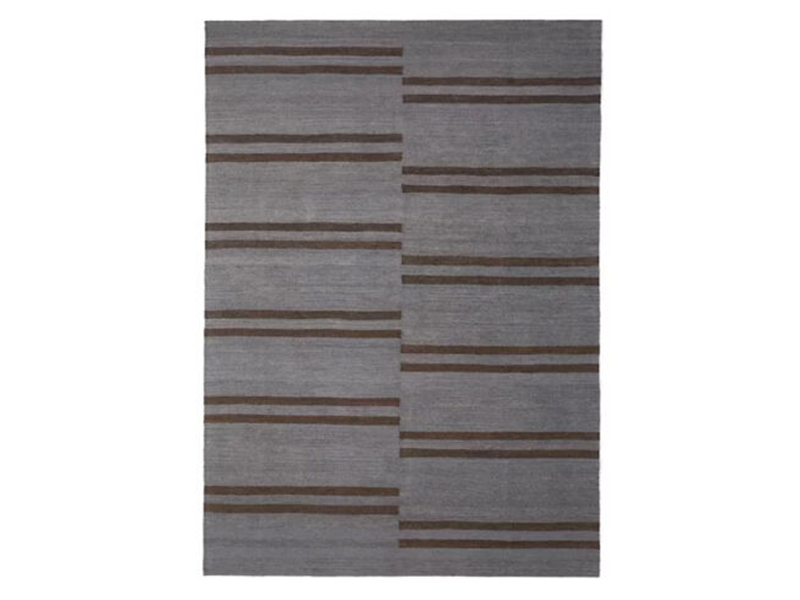
Mazandaran Kilim Area Rug
Aug
A Mazandaran Kilim Area Rug is what happens when an old Persian weaving tradition walks into a modern interior design magazine and somehow looks perfectly at home. It is simple, soulful, graphic, and quietly dramaticbasically the rug version of someone who wears linen, drinks black coffee, and never seems to panic.
Unlike thick pile rugs that feel plush underfoot, a kilim is a flatweave textile. That means it has no raised pile, no fuzzy mountain range of fibers, and no heavy bulk. Instead, the pattern is created by interlacing warp and weft threads. The result is lightweight, durable, often reversible, and wonderfully crisp in design. A Mazandaran kilim, in particular, is prized for its minimalist stripes, broad fields of color, restrained geometry, and almost architectural presence.
Originating from Mazandaran, a province in northern Iran near the Caspian Sea, these kilims are connected to village and tribal weaving traditions. Many antique examples were made for practical domestic use: floor coverings, wall hangings, warm layers in mountain homes, and sometimes protective coverings over more delicate carpets. Today, they are loved by collectors, designers, and homeowners who want a rug with historybut not one that screams, “Please build the entire room around me.” It suggests. It anchors. It behaves beautifully.
What Is a Mazandaran Kilim Area Rug?
A Mazandaran Kilim Area Rug is a handwoven flatweave rug associated with the Mazandaran region of Iran. It belongs to the broader family of Persian kilims, but its visual language is distinct. While many kilims feature busy tribal motifs, diamonds, hooks, medallions, and symbolic shapes, Mazandaran kilims often favor a quieter design vocabulary: stripes, blocks, checks, bands, tonal shifts, and abstract panels.
This quietness is exactly what makes them so compelling. A Mazandaran kilim can look ancient and modern at the same time. Place one in a minimalist apartment, and it looks intentional. Put it in a rustic farmhouse, and it adds depth. Layer it over sisal in a city loft, and suddenly the room has the confidence of a boutique hotel lobby without the tiny soap bars.
Flatweave Construction
The defining feature of any kilim rug is its flatwoven construction. Instead of knotting yarns to create a raised surface, the weaver passes horizontal weft threads through vertical warp threads. This produces a textile that is thinner than a pile rug but still strong enough for daily use. Because the design is built into the structure rather than printed on top, a good kilim has clarity, durability, and character.
Many Mazandaran kilims are made from wool, sometimes with cotton foundations. Wool is naturally resilient, comfortable, and better at hiding everyday dust than many synthetic materials. That does not mean it is magicspill grape juice on it and the rug will not send a thank-you notebut wool is one of the most practical natural fibers for area rugs.
Why Mazandaran Kilims Look So Modern
The funny thing about Mazandaran kilims is that many of them were not designed to match a mid-century sofa, concrete floor, or sculptural floor lamp. Yet they do. Their clean stripes and abstract panels feel surprisingly close to modern art. Some antique pieces look as if a Bauhaus designer, a rural Persian weaver, and a very stylish grandmother all collaborated across time.
This modern appearance comes from restraint. Instead of dense floral borders or elaborate central medallions, Mazandaran kilims often rely on rhythm: repeated bands, subtle color changes, and broad negative space. The eye rests. The room breathes. Your coffee table finally stops competing for attention.
Common Design Features
While every handmade rug is unique, Mazandaran kilim area rugs often share several recognizable traits. You may see horizontal stripes, checkerboard fields, solid color zones, ikat-like effects, stitched panels, earthy tones, and bold contrasts such as black, red, brown, cream, yellow, gray, or indigo. Some pieces are composed of narrow woven strips sewn together, which gives them a panel-like structure and a handmade personality.
Do not mistake simplicity for plainness. In a Mazandaran kilim, a single stripe can carry visual weight. A small irregularity in the weave can make the rug feel alive. A faded tone can reveal decades of use, sunlight, and quiet domestic history. This is the charm: it is not factory-perfect. It is human-perfect.
The History Behind Mazandaran Kilim Rugs
Mazandaran lies in northern Iran, a region shaped by mountains, forests, villages, and the Caspian climate. The weaving traditions connected to this area were historically local and functional. Many flatweaves were not created for export markets. They were woven for homes, families, and everyday life.
Because these textiles were not always prominent in the Western rug trade, Mazandaran kilims remained less familiar than many famous Persian rugs. Over time, scholars, collectors, and dealers began paying closer attention to their unusual minimalism and regional character. The Hezar-Jerib area of Mazandaran is often discussed in relation to these distinctive flatweaves, especially examples with bold abstract compositions and stitched-panel construction.
That late discovery is part of the appeal. A Mazandaran kilim does not feel like a rug trying to impress tourists. It feels like something that existed for its own reasons long before design blogs learned how to say “organic modern.”
Mazandaran Kilim vs. Other Kilim Rugs
All Mazandaran kilims are kilims, but not all kilims are Mazandaran kilims. Think of “kilim” as the broad category and “Mazandaran” as a more specific regional identity.
Turkish Kilims
Turkish kilims often feature bold tribal motifs, symbolic shapes, and strong geometric layouts. They can be vibrant, decorative, and energetic. A Turkish kilim may walk into a room and immediately start telling stories.
Moroccan Flatweaves
Moroccan flatweaves often use graphic patterns, high-contrast palettes, and expressive handmade textures. They are popular in bohemian, global, and modern interiors. Many have a warmer, looser visual rhythm.
Indian Dhurries
Dhurries are also flatwoven rugs, usually associated with Indian textile traditions. They can be cotton, wool, or a blend, and often come in stripes, geometric patterns, or contemporary colors. They are practical and approachable, especially in casual spaces.
Mazandaran Kilims
Mazandaran kilims tend to be more restrained, more abstract, and often more minimalist. Their beauty comes from proportion, texture, irregularity, and composition. They do not need a thousand motifs to make a point. They raise one eyebrow and somehow win the room.
Best Rooms for a Mazandaran Kilim Area Rug
Because Mazandaran kilims are flat, flexible, and visually refined, they work in many rooms. The key is choosing the right size, color, and placement for your lifestyle.
Living Room
In a living room, a Mazandaran kilim can anchor the seating area without adding visual heaviness. For a balanced look, choose a rug large enough for at least the front legs of the sofa and chairs to rest on it. A too-small rug can make the furniture look like it is standing around awkwardly at a school dance.
Pair a striped Mazandaran kilim with a neutral sofa, wood tables, linen curtains, and black metal accents for a calm, collected look. If your furniture is already colorful, choose a more tonal kilim. If your room is neutral, a red, rust, or indigo example can add just the right amount of spice.
Dining Room
Flatweave rugs can be excellent under dining tables because chairs move more easily across a low-profile surface. Choose a rug large enough so chairs remain on the rug even when pulled out. This prevents the dreaded half-on, half-off chair wobble, which is not dangerous in a dramatic wayjust annoying enough to ruin soup.
Bedroom
A Mazandaran kilim in the bedroom adds warmth without fluff. Place a large rug under the bed with enough material extending on both sides, or use runners along the bed for a layered, collected feel. The low pile is especially helpful if you prefer a cleaner, less dusty sleeping space.
Entryway or Hallway
A runner-style Mazandaran kilim can bring instant personality to a hallway. Since flatweaves are thinner than pile rugs, they usually fit better near doors. Always use a quality rug pad to prevent slipping. A beautiful rug should not become a surprise skateboard.
Home Office
In a home office, the graphic restraint of a Mazandaran kilim can make the room feel grounded and creative. It works particularly well with wood desks, leather chairs, floating shelves, and simple lighting. If you use a rolling office chair, consider a protective mat or choose an area where the chair will not constantly grind into the weave.
How to Style a Mazandaran Kilim Area Rug
The easiest way to style a Mazandaran kilim is to let it do what it does best: add structure, warmth, and history. Do not smother it with too many competing patterns. Give it a little breathing room.
Use It With Neutral Furniture
A cream sofa, oak coffee table, and simple walls create the perfect backdrop for a striped or checkerboard Mazandaran kilim. The rug becomes the visual anchor while the furniture stays calm. This is ideal for modern organic interiors, Japandi-inspired rooms, and understated traditional spaces.
Layer It Over a Larger Natural Rug
If your kilim is slightly too small, layering can save the day. Place it over a larger jute, sisal, or wool rug to create scale. The base rug fills the room, while the Mazandaran kilim adds color and personality. Layering also makes vintage pieces feel intentional rather than undersized.
Mix With Modern Art
Because Mazandaran kilims often resemble abstract compositions, they pair beautifully with modern paintings, black-and-white photography, and sculptural ceramics. The trick is balance. If the rug has strong stripes, choose quieter artwork. If the rug is tonal and minimal, the walls can handle more drama.
Let Imperfections Show
Handwoven rugs often include slight irregularities in line, color, or shape. These are not flaws in the way a broken zipper is a flaw. They are signs of handwork. A Mazandaran kilim should not look like it was printed by a machine after a corporate meeting. It should feel woven, touched, and lived with.
How to Choose the Right Mazandaran Kilim
Buying a Mazandaran Kilim Area Rug is part design decision, part history lesson, and part gut feeling. You want quality, but you also want connection. The right rug should make the room better and make you pause for half a second every time you walk past it.
Check the Material
Look for wool or wool-blend construction, especially in handmade or vintage pieces. Wool offers resilience, texture, and natural beauty. Cotton may appear in the foundation or structure. Be cautious with vague listings that use romantic language but avoid basic material details. “Artisanal soul energy” is lovely, but “handwoven wool flatweave” is more useful.
Study the Back
Because kilims are flatwoven, the back often reveals the structure clearly. Look for woven patterns rather than printed designs. Handmade pieces may show slight inconsistencies, but the weave should still feel stable.
Measure Carefully
Measure your room before shopping. Then measure again, because rugs have a talent for looking larger online and smaller once they arrive. In living rooms, bigger is usually better. In bedrooms, make sure the rug extends beyond the bed. In hallways, leave a few inches of visible floor on either side.
Consider Color Fading
Vintage Mazandaran kilims may have softened colors due to age and sunlight. This patina can be beautiful. However, uneven fading, stains, or brittle areas should be evaluated carefully. A little age is character. A rug that is quietly disintegrating is a textile retirement plan.
Ask About Repairs
Antique and vintage flatweaves may have old repairs, reinforced edges, or stitched seams. These are not always deal-breakers. In fact, they can be part of the rug’s story. What matters is whether the repairs are stable, honest, and reflected in the price.
Care and Maintenance Tips
A Mazandaran kilim is practical, but it is still a handmade textile. Treat it with respect and it can stay beautiful for years.
Vacuum Gently
Use low suction and avoid a beater bar, which can pull or stress the fibers. Vacuum both sides occasionally to remove embedded dust. For smaller rugs, shaking them outside can help release grit.
Rotate Regularly
Rotate the rug every few months so foot traffic and sunlight affect it evenly. This is especially important in living rooms, hallways, and sunny spaces.
Use a Rug Pad
A rug pad prevents slipping, adds comfort, protects the floor, and reduces wear. For flatweaves, choose a thin pad that grips well without creating awkward bulk.
Blot Spills Quickly
If something spills, blot it immediately with a clean cloth. Do not rub, because rubbing can push the stain deeper into the fibers. Use minimal moisture and avoid harsh cleaners. For valuable antique pieces, professional cleaning is the safest choice.
Avoid Prolonged Direct Sunlight
Natural dyes and older fibers can fade with long exposure to strong sunlight. Curtains, UV-filtering window film, and regular rotation can help protect the rug.
Is a Mazandaran Kilim Area Rug Worth It?
Yes, if you value handmade character, cultural history, and timeless design. A Mazandaran kilim is not just a floor covering. It is a textile with regional identity, practical construction, and visual sophistication. It can make a room feel layered without making it feel cluttered.
It is especially worth considering if you like interiors that feel collected over time. These rugs work with antiques, contemporary furniture, rustic wood, clean-lined sofas, and even playful modern accessories. They do not demand one design style. They adapt.
That said, a Mazandaran kilim may not be the best choice if you want plush softness underfoot. It is thinner and firmer than a high-pile rug. If your dream rug feels like stepping onto a cloud, a kilim may feel more like stepping onto a beautifully woven story. Still comfortable, just less marshmallow.
Real-Life Experiences With a Mazandaran Kilim Area Rug
Living with a Mazandaran Kilim Area Rug is different from simply admiring one in a showroom photo. In real life, the rug becomes part of the room’s daily rhythm. It catches morning light, collects the occasional crumb, survives furniture rearrangements, and somehow makes even an ordinary Tuesday feel slightly more designed.
One of the most pleasant experiences is how easy it is to move compared with a heavy pile rug. If you have ever tried to reposition a large tufted rug by yourself, you know it can feel like wrestling a sleepy bear. A kilim is lighter, more flexible, and much easier to adjust. This matters when you are experimenting with furniture placement or trying to center the rug under a coffee table without muttering words your grandmother would not approve of.
Another everyday advantage is the low profile. Doors open more easily over it. Dining chairs slide with less drama. Coffee tables do not wobble as much. In a hallway, a Mazandaran kilim runner can add color and interest without becoming a tripping hazard, as long as a good rug pad is used. That rug pad is not optional; it is the quiet hero of the whole arrangement.
Design-wise, the experience is surprisingly flexible. A striped Mazandaran kilim can calm a room filled with books, plants, and mismatched chairs. A darker geometric piece can add weight to a pale living room. A softer cream, tan, or gray flatweave can bring texture to a minimalist bedroom without making the room feel busy. The rug does not need perfect matching. In fact, it often looks better when the room has a little contrast: old with new, smooth with textured, polished with handmade.
Guests often notice these rugs without immediately knowing why. They may say, “That rug is cool,” which is not museum-level analysis, but it is honest. The appeal comes from the balance between simplicity and soul. Machine-made rugs can look attractive, but a handwoven kilim has tiny variations that keep the eye engaged. The lines may not be perfectly rigid. The colors may shift slightly. The edges may tell you that an actual person made this, not a printer with excellent posture.
There are practical lessons, too. A Mazandaran kilim performs best when treated as a textile, not as indestructible flooring. Shoes with sharp heels, dragging furniture, pet claws, and strong sunlight can all affect it over time. Regular rotation helps. Gentle vacuuming helps. Quick spill response helps a lot. The care routine is not complicated, but it does reward consistency.
The most rewarding experience is how the rug changes the feeling of a home. It can make a new apartment feel less temporary. It can make a plain room feel layered. It can make modern furniture feel warmer and antique pieces feel fresher. A Mazandaran kilim does not shout for attention. It quietly improves the room until one day you realize the space would feel strangely unfinished without it.
Conclusion
A Mazandaran Kilim Area Rug is a rare combination of utility, artistry, history, and modern style. Its flatweave construction makes it practical for everyday living, while its minimalist Persian design gives it a timeless visual presence. Whether placed in a living room, bedroom, dining area, hallway, or home office, it brings warmth without bulk and character without chaos.
The best Mazandaran kilims are not merely decorative accessories. They are woven records of place, craft, and human touch. Their stripes, panels, and subtle irregularities make them feel personal in a way mass-produced rugs rarely achieve. Choose the right size, use a rug pad, care for it gently, and your Mazandaran kilim can become one of the most quietly powerful pieces in your home.
Note: This article is written for web publication and synthesizes real information from rug-history, textile, interior design, marketplace, and rug-care references without inserting source links into the article body.

