
Beauty Tools & Accessories
Classic Banana Bread Recipe
Jul
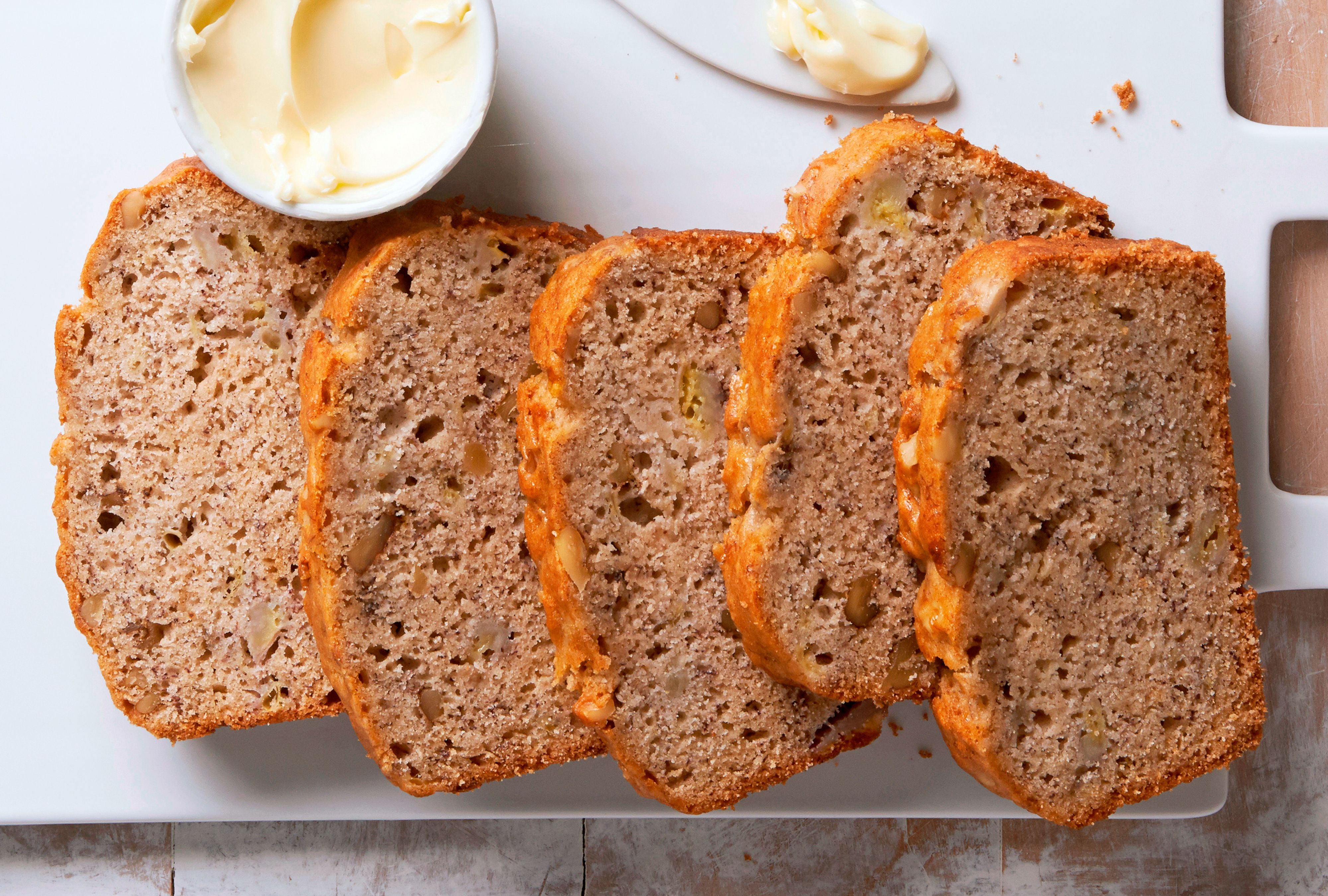
Banana bread is the cozy sweater of baked goods: familiar, forgiving, and somehow always welcome. It asks for very littlejust a few overripe bananas, pantry staples, and a loaf panand gives back a golden, tender slice that tastes like someone cared enough to preheat the oven. This classic banana bread recipe is built for real home kitchens, not cooking-show counters where every bowl is already washed by magic elves.
The beauty of homemade banana bread is that it lives right where practicality meets comfort. Those speckled bananas on the counter? They are not a fruit emergency. They are dessert wearing a yellow jacket. With the right balance of ripe bananas, butter, sugar, eggs, flour, baking soda, salt, and a little vanilla, you get a moist banana bread with deep flavor, a soft crumb, and the kind of aroma that makes people wander into the kitchen pretending they “just needed water.”
This guide covers the full recipe, ingredient choices, baking tips, common mistakes, storage advice, variations, and real-life experience from making banana bread the old-fashioned way: with a fork, a bowl, and mild optimism.
Why This Classic Banana Bread Recipe Works
A great banana bread recipe does not need tricks, drama, or a twelve-step emotional journey. It needs balance. Overripe bananas provide natural sweetness, moisture, and bold banana flavor. Butter adds richness. Brown sugar brings a little caramel depth. Baking soda helps the loaf rise and creates that tender quick-bread texture. Eggs hold everything together, while all-purpose flour gives the loaf structure without making it heavy.
The key is not overmixing. Banana bread is a quick bread, which means it does not use yeast. Once the wet and dry ingredients meet, the batter should be stirred only until combined. A few small flour streaks are not a crime; they are a peace treaty with tenderness. Overmixing develops gluten and can make the loaf tough, dense, or rubbery. Nobody wants banana bread that chews back.
Ingredients for Classic Banana Bread
Main Ingredients
- 3 large very ripe bananas, mashed, about 1 1/2 cups
- 1/2 cup unsalted butter, melted and slightly cooled
- 3/4 cup packed light brown sugar
- 2 large eggs, room temperature if possible
- 1 teaspoon pure vanilla extract
- 1 1/2 cups all-purpose flour
- 1 teaspoon baking soda
- 1/2 teaspoon fine salt
- 1/2 teaspoon ground cinnamon, optional but lovely
- 1/2 cup chopped walnuts or pecans, optional
Why Ripe Bananas Matter
The best bananas for banana bread are deeply speckled, soft, and fragrant. Yellow bananas with a few brown dots are good. Bananas that look like they have survived a dramatic weather event are even better. As bananas ripen, their starches convert into sugars, which gives the bread a sweeter taste and stronger banana flavor.
A firm, pale banana can technically be used, but the result will be mild and less moist. For classic banana bread, patience pays. Let the bananas get spotty. Let them become humble. Let them fulfill their destiny.
How to Make Classic Banana Bread
Step 1: Prepare the Pan and Oven
Preheat the oven to 350°F. Grease a 9×5-inch loaf pan with butter or nonstick spray, then line it with parchment paper if you want easier lifting. Parchment is not required, but it does make you feel organized, which is half the battle in baking.
Step 2: Mash the Bananas
Peel the ripe bananas and place them in a large mixing bowl. Mash them with a fork until mostly smooth with a few small lumps. Do not turn them into banana soup. A little texture gives the loaf character and helps create pockets of sweet banana flavor.
Step 3: Mix the Wet Ingredients
Add the melted butter to the mashed bananas and stir until combined. Mix in the brown sugar, eggs, and vanilla extract. The batter should look glossy, thick, and slightly lumpy. This is normal. Banana bread batter is not meant to look like silk; it is meant to taste like happiness.
Step 4: Add the Dry Ingredients
In a separate bowl, whisk together the flour, baking soda, salt, and cinnamon. Add the dry mixture to the banana mixture and fold gently with a spatula. Stop mixing as soon as the flour disappears. If using walnuts or pecans, fold them in at the end.
Step 5: Bake the Loaf
Pour the batter into the prepared loaf pan and smooth the top. Bake for 55 to 65 minutes, or until a toothpick inserted into the center comes out clean or with a few moist crumbs. If the top browns too quickly, loosely tent the loaf with foil during the last 15 minutes.
Step 6: Cool Before Slicing
Let the banana bread cool in the pan for about 10 to 15 minutes, then transfer it to a wire rack. Wait until it is mostly cool before slicing. Yes, this is difficult. Yes, warm banana bread smells like a personal invitation. But slicing too early can make the loaf crumble, and we are trying to eat bread, not banana confetti.
Pro Tips for Moist Banana Bread
Use the Right Amount of Banana
More banana sounds like a good idea, but too much can make the center gummy or underbaked. Aim for about 1 1/2 cups mashed banana. This usually equals three large bananas or four medium bananas. Measuring is helpful because banana sizes vary wildly, like opinions at a family dinner.
Do Not Overmix the Batter
Once flour is added, stir gently. A tender banana bread depends on a light hand. Overmixing can create a dense loaf with tunnels or a chewy texture. Fold, do not attack.
Check for Doneness in the Center
The top of banana bread may look done before the middle is fully baked. Insert a toothpick or thin skewer into the center. If it comes out with wet batter, keep baking. If it has a few moist crumbs, the loaf is ready.
Let the Flavor Develop
Banana bread often tastes even better the next day. After cooling completely, wrap it tightly and let it rest at room temperature. The moisture settles, the banana flavor deepens, and suddenly breakfast becomes a very reasonable excuse to eat cake-adjacent bread.
Classic Banana Bread Variations
Banana Nut Bread
Fold in 1/2 to 3/4 cup chopped walnuts or pecans. Toasting the nuts first gives them a richer flavor and better crunch. This variation is perfect for anyone who believes soft baked goods should come with a little surprise.
Chocolate Chip Banana Bread
Add 1/2 cup semi-sweet chocolate chips to the batter. Chocolate and banana are a natural pair, like socks and laundry mysteries. For a bakery-style finish, sprinkle a few extra chips on top before baking.
Sour Cream Banana Bread
For an extra moist loaf, add 1/3 cup sour cream or plain Greek yogurt to the wet ingredients. This adds richness, slight tang, and a softer crumb. If you use this option, reduce the mashed banana slightly if your batter seems too loose.
Whole Wheat Banana Bread
Replace up to half of the all-purpose flour with whole wheat flour. The flavor becomes nuttier and heartier. Avoid replacing all the flour unless you like a denser loaf, because whole wheat absorbs more moisture.
Common Banana Bread Mistakes
Using Bananas That Are Not Ripe Enough
If the bananas are still firm and bright yellow, wait. Ripe bananas should mash easily and smell sweet. Under-ripe bananas create a loaf with weaker flavor and less moisture.
Adding Too Much Flour
Too much flour is one of the fastest ways to dry out banana bread. For best results, spoon flour into the measuring cup and level it off with a knife. Do not scoop directly from the bag unless you enjoy turning bread into a doorstop.
Baking at the Wrong Temperature
A 350°F oven is ideal for most classic banana bread recipes. Too hot, and the outside browns before the center cooks. Too cool, and the loaf may bake unevenly or become heavy.
Skipping the Cooling Time
Cooling helps the loaf set. Cutting too soon can make the slices fall apart. Give it time. Make coffee. Pretend patience was your plan all along.
How to Store Banana Bread
Once fully cooled, wrap banana bread tightly in plastic wrap, foil, or an airtight container. It can stay at room temperature for about two to three days. For longer storage, refrigerate it for up to one week, though refrigeration may make it slightly firmer.
Banana bread also freezes beautifully. Wrap individual slices or the whole loaf tightly, then place in a freezer-safe bag. Freeze for up to three months. To serve, thaw at room temperature or warm slices gently in the microwave or toaster oven.
Serving Ideas
Classic banana bread is wonderful plain, but it also enjoys accessories. Spread a warm slice with butter, cream cheese, peanut butter, or honey. Serve it with coffee for breakfast, tea for an afternoon snack, or a scoop of vanilla ice cream for dessert. Toasting a slice gives the edges a slight crispness while keeping the middle soft.
For brunch, arrange thick slices on a platter with fresh berries, yogurt, and scrambled eggs. For lunchboxes, wrap smaller slices individually. For late-night snacking, simply stand in the kitchen and eat it directly over a napkin like a civilized raccoon.
Frequently Asked Questions About Banana Bread
Can I Use Frozen Bananas?
Yes. Frozen bananas work very well in banana bread. Thaw them first, then drain off excess liquid if they release a lot. Mash and measure before adding them to the batter.
Can I Make Banana Bread Without Nuts?
Absolutely. Nuts are optional. The loaf will still be moist, flavorful, and classic without them.
Why Did My Banana Bread Sink in the Middle?
A sunken center usually means the bread was underbaked, the batter had too much banana, or the loaf was removed from the oven too soon. Check the center with a toothpick and measure mashed banana carefully.
Can I Reduce the Sugar?
Yes, you can reduce the sugar slightly, especially if your bananas are very ripe. Try 1/2 cup brown sugar instead of 3/4 cup. The loaf may be less tender and less sweet, but still delicious.
Experience Notes: What Baking Classic Banana Bread Teaches You
Making classic banana bread is one of those kitchen rituals that feels simple on the surface but quietly teaches you how baking works. The first lesson is timing. Bananas do not ripen according to your calendar. They ripen when they feel like it, usually all at once, often right after you bought more bananas because the first bunch looked “fine yesterday.” Banana bread turns that tiny household chaos into something useful.
The second lesson is that baking rewards observation. A recipe may say three bananas, but three bananas can mean very different things. Some are small and polite. Others are massive and seem personally committed to becoming pudding. Measuring mashed banana gives a more consistent result, especially if you want a loaf that slices cleanly instead of collapsing into a delicious but suspiciously damp middle.
Another experience many home bakers learn quickly is that banana bread is forgiving, but not invincible. You can swap nuts, add chocolate chips, use yogurt, or sprinkle cinnamon, and the loaf will usually smile and cooperate. But overmix it, overload it with banana, or pull it from the oven too early, and it may protest. The protest usually appears as a gummy center, a heavy texture, or a top that looks gorgeous while the inside is still auditioning for pudding.
There is also a smell factor that no recipe card can fully explain. About halfway through baking, the kitchen starts to smell like browned sugar, warm banana, and butter. This is when people suddenly become interested in your “little baking project.” Someone will ask when it is ready. Someone else will hover near the oven. A third person may claim they do not really like banana bread, then eat two slices later in the name of “checking the texture.”
One useful habit is to make banana bread when you are not rushed. The actual mixing takes only minutes, but the cooling time matters. A loaf sliced too hot can crumble and steam itself into a dense texture. Letting it rest gives you better slices and deeper flavor. The next-day slice is often the best one, especially lightly toasted with butter. It tastes sweeter, richer, and more settled, like the loaf had time to think about its life choices.
Banana bread also teaches practical confidence. It does not require a stand mixer, special flour, pastry skills, or decorative talent. It is a recipe that welcomes beginners while still rewarding experienced bakers who pay attention to details. Once you understand the base formula, you can personalize it endlessly: walnuts for crunch, chocolate for dessert energy, sour cream for tenderness, whole wheat flour for a heartier loaf, or a cinnamon-sugar topping for a crisp finish.
The best part is that banana bread feels generous. One loaf can become breakfast, snack, dessert, lunchbox treat, neighbor gift, or freezer backup. It is humble, affordable, and dependable. In a world full of complicated recipes with ingredients that sound like they require a passport, classic banana bread remains refreshingly normal. It begins with bananas that look past their prime and ends with a loaf that makes the whole kitchen feel warmer.
Conclusion
A classic banana bread recipe proves that simple ingredients can still deliver big comfort. With ripe bananas, melted butter, brown sugar, eggs, flour, and a gentle mixing hand, you can bake a moist, tender loaf that works for breakfast, dessert, or emergency snacking. The best banana bread is not fussy. It is practical, warm, fragrant, and just sweet enough to make a plain Tuesday feel slightly more charming.
Remember the essentials: use very ripe bananas, measure the mashed fruit, avoid overmixing, bake until the center is done, and let the loaf cool before slicing. Once you master the basic recipe, you can add nuts, chocolate chips, yogurt, spices, or your own favorite twist. Banana bread is flexible like that. It is basically the golden retriever of baked goods.
Note: This article is written for web publication and synthesizes widely accepted American baking guidance from reputable recipe, baking, and food-safety resources. No source links or unnecessary citation placeholders are included in the HTML.

