
Hair Care
How to Lose Weight As a Teenager
Jul
Learning how to lose weight as a teenager can be confusing. One video says to cut carbohydrates, another recommends fasting, and someone else seems to live on protein powder and confidence. Healthy weight management is far less dramatic. It is built on balanced meals, enjoyable movement, enough sleep, realistic goals, and support from adults who understand teenage growth.
Teen bodies are still developing. Bones, muscles, hormones, and the brain all need steady nutrition. That is why crash diets, detoxes, diet pills, and severe calorie restriction can be especially harmful during adolescence. For many teens, the healthiest goal is not rapid weight loss. A doctor may recommend maintaining weight while growing taller, improving fitness, or making gradual changes rather than chasing a smaller number on the scale.
Start With Health, Not the Scale
A scale cannot measure strength, energy, confidence, athletic ability, or overall health. It also cannot show whether a change comes from body fat, muscle, water, or normal growth. A better starting point is choosing daily habits you can control.
Ask a parent, guardian, school nurse, pediatrician, or registered dietitian nutritionist for support. A professional can review your growth chart and look for conditions that may affect weight, such as sleep problems, depression, binge eating, polycystic ovary syndrome, thyroid disease, insulin resistance, or medications that change appetite.
Set behavior goals
“Lose 20 pounds fast” is not a useful daily action. “Drink water with lunch,” “walk after school three days this week,” and “eat breakfast before class” are specific and repeatable. Healthy habits are not glamorous, but neither is brushing your teeth, and that works pretty well.
Build Balanced Meals Instead of Crash Dieting
Teenagers need protein, carbohydrates, healthy fats, vitamins, minerals, and enough energy to grow. Cutting out an entire food group can create nutritional gaps and make eating harder to sustain. A balanced meal usually includes vegetables or fruit, a protein source, a fiber-rich carbohydrate, and dairy or another calcium-rich food when appropriate.
Examples include chicken, brown rice, broccoli, and fruit; black beans, corn, avocado, and a whole-grain tortilla; or oatmeal with milk, berries, and peanut butter. These are not special “diet foods.” They are ordinary foods combined to provide energy and satisfaction.
Include protein and fiber
Protein supports growth and muscle repair, while fiber helps meals feel filling. Good protein choices include eggs, fish, poultry, beans, lentils, tofu, yogurt, nuts, and seeds. Fiber-rich choices include vegetables, fruit, oats, whole-grain bread, brown rice, beans, and lentils.
Try adding before subtracting. Add fruit to breakfast, vegetables to a sandwich, beans to tacos, or yogurt to an afternoon snack. This feels less like punishment and more like upgrading the meal.
Eat regularly
Skipping meals to “save calories” often leads to extreme hunger later. Regular meals and planned snacks can support steadier energy and better concentration. Useful snacks pair two food groups, such as an apple with peanut butter, yogurt with berries, hummus with vegetables, or cheese with whole-grain crackers.
Drink mostly water
Soda, sweet tea, energy drinks, blended coffee drinks, and some sports drinks can contain a large amount of added sugar without being filling. Water is the best everyday choice for most teens. Milk can provide protein, calcium, and vitamin D. Sports drinks are generally more useful during prolonged, intense exercise than during a normal school day.
You do not need to ban every sweet drink. Start by replacing one daily sugary beverage with water or choosing a smaller serving. A manageable change repeated for months beats a perfect plan that survives until Tuesday.
Practice Portion Awareness Without Obsession
Portion awareness means noticing hunger, fullness, and how much food is on your plate. It does not require weighing every blueberry. Eat slowly enough to notice when you feel comfortably satisfied, put snacks on a plate instead of eating from a large bag, and pause before getting seconds.
Phones, television, gaming, and homework can distract you from fullness signals. When possible, eat at a table and pay attention to the meal. Family meals can help too, as long as the conversation focuses on connection rather than criticizing bodies or policing every bite.
Move for About 60 Minutes a Day
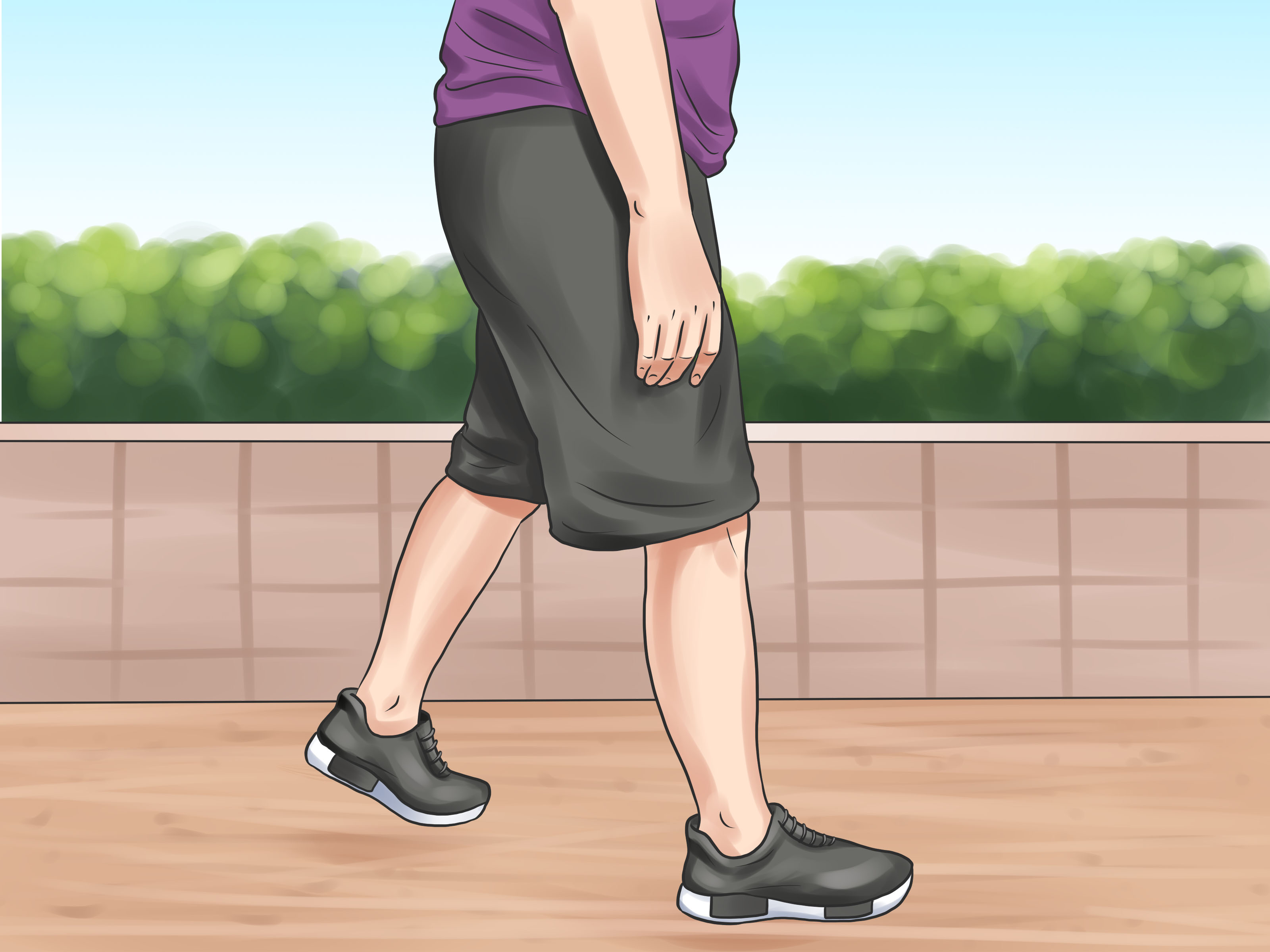
U.S. guidance recommends that young people ages 6 through 17 get at least 60 minutes of moderate-to-vigorous physical activity daily. The time can be divided into shorter sessions. Walking, dancing, basketball, biking, swimming, active chores, physical education, and short workouts all count.
Most activity should raise the heart rate. Muscle- and bone-strengthening movement should also be included several days each week. Push-ups, resistance bands, climbing, jumping rope, running, and many sports can help. Beginners should increase gradually and use proper technique, especially with weights.
Choose movement you will repeat
The best exercise is not the activity with the biggest calorie number on a chart. It is one you can do safely and consistently. If you dislike running, try dance, tennis, skating, martial arts, hiking, strength training, or walking with a friend. Exercise should challenge you, not serve as punishment for eating.
On busy days, combine shorter blocks: a 10-minute walk before school, 20 minutes afterward, and 30 minutes of practice later. Consistency matters more than one heroic workout followed by six days of moving like a sleepy houseplant.
Protect Your Sleep
Teenagers generally need 8 to 10 hours of sleep each night. Too little sleep can affect mood, concentration, appetite, food choices, and motivation to exercise. Keep a reasonably consistent bedtime, avoid caffeine late in the day, dim screens before bed, and charge the phone away from the pillow when late-night scrolling keeps winning.
Make Healthy Choices Easier
Willpower is unreliable when you are tired and hungry after school. Prepare your environment. Keep fruit visible, carry water, pack a snack, and have simple backup meals available. Ask your family for specific help, such as buying two fruits you enjoy, preparing lunches together, or walking after dinner.
A healthy pattern can include pizza, fries, birthday cake, and other favorite foods. One meal does not determine your health, just as one salad does not grant superhero powers. At restaurants or school, choose the best available combination of protein, produce, a filling carbohydrate, and water, then move on without guilt.
Avoid Dangerous Weight-Loss Shortcuts
Do not use diet pills, laxatives, vomiting, nicotine, dehydration, “detox” products, unprescribed injections, or supplements marketed as fat burners. Avoid long fasts, extremely low-calorie plans, and exercising through pain or exhaustion. These methods can harm the heart, kidneys, digestion, hormones, mood, bone health, and sports performance.
Prescription weight-management medicines and metabolic surgery may be appropriate for some adolescents with obesity and related health risks, but they are medical treatments. They require professional evaluation, family discussion, monitoring, and continuing nutrition and behavioral support. Never borrow medication or copy a treatment plan from social media.
Recognize eating-disorder warning signs
Tell a trusted adult and seek medical help if weight concerns lead to frequent meal skipping, secretive eating, binge episodes, vomiting, laxative use, compulsive exercise, dizziness, fainting, rapid weight change, intense fear of food, or constant guilt after eating. Missing menstrual periods, declining sports performance, isolation, and obsessive body checking also deserve attention. Eating disorders can affect people at any body size, and early treatment matters.
A Simple Four-Week Starter Plan
Week 1: Observe
Notice when you eat, what you drink, how much you sleep, and when you move. Choose one opportunity without judging yourself.
Week 2: Improve one meal and one drink
Build a more balanced breakfast or lunch and replace one sugary drink with water. Prepare a backup meal for rushed days, such as a turkey sandwich, carrots, fruit, and yogurt.
Week 3: Schedule movement
Choose three activities you enjoy and put them on the calendar. Add normal walking, sports, physical education, and active chores toward the daily movement goal.
Week 4: Improve sleep and review
Move bedtime earlier by 15 to 30 minutes and reduce late caffeine. Review changes in energy, mood, endurance, concentration, and meal regularity. Weigh yourself only if a health professional recommends it.
Frequently Asked Questions
How fast should a teenager lose weight?
There is no safe rate that applies to every teen. The right goal depends on age, puberty, growth pattern, medical conditions, and degree of excess weight. Some teens should maintain weight while growing taller. Set any deliberate weight-loss target with a pediatric health professional.
Should teenagers count calories?
Most teens do not need to track every calorie. Meal quality, regular eating, portions, drinks, movement, and sleep are usually better starting points. Detailed tracking can become stressful or obsessive. When it is medically necessary, a pediatric dietitian can create a plan that protects growth and nutrient intake.
What is the best diet for teen weight loss?
The best approach is a balanced, flexible pattern that includes vegetables, fruit, whole grains, protein foods, and dairy or fortified alternatives. It should fit the teen’s culture, budget, schedule, allergies, preferences, and medical needs. A plan that bans favorite foods or requires perfection is unlikely to last.
Experiences Teens Commonly Have While Building Healthier Habits
The following examples are realistic composites, not stories about specific people. They show why healthy weight management is usually a process of problem-solving rather than a straight line from “before” to “after.”
Experience 1: The Skipped-Breakfast Rebound
A 15-year-old decides that skipping breakfast will speed up weight loss. By late morning, concentration disappears. Lunch becomes whatever can be eaten fastest, and the teen arrives home extremely hungry, snacks continuously, and feels guilty. The useful lesson is not “try harder.” The plan created predictable hunger.
The teen switches to a quick breakfast: yogurt, a banana, and whole-grain cereal, or an egg sandwich prepared the night before. Lunch becomes easier to manage, after-school hunger feels normal instead of urgent, and evening eating becomes less chaotic. The scale may not change immediately, but energy and control improve. That is meaningful progress.
Experience 2: Finding Exercise That Does Not Feel Miserable
A teen starts with online high-intensity workouts because they appear to be the fastest option. The sessions are too difficult, knees hurt, and motivation disappears after four days. Instead of deciding that exercise is impossible, the teen experiments with walking while listening to music, beginner resistance training, and weekend swimming.
None of these activities looks like a dramatic fitness montage. Yet they are enjoyable enough to repeat. After several weeks, stairs feel easier, strength improves, and the teen becomes more confident joining friends in active plans. Consistency grows from enjoyment and realistic difficulty, not from choosing the most punishing workout.
Experience 3: Recovering From an Imperfect Week
During exams, sleep gets shorter, takeout appears twice, and planned workouts do not happen. The old response would be to declare the effort ruined and begin an extreme diet on Monday. The healthier response is less exciting: drink water, eat the next normal meal, take a short walk, and return to the bedtime routine.
This is a major long-term skill. Progress does not require an uninterrupted streak. It requires recovering from disruptions without guilt or overcorrection. School events, holidays, illness, travel, and stress will always exist. A flexible plan can bend without snapping.
Experience 4: Asking for Useful Family Support
A teen says, “I want to eat healthier,” but the request is too vague for the family to act on. Later, the teen asks for three concrete changes: keep cold water available, buy two preferred fruits each week, and take a family walk after dinner twice a week.
The household does not transform overnight. There are still chips in the pantry and busy evenings. However, healthier choices become easier, and the teen feels less isolated because the plan becomes a shared routine rather than a personal punishment.
Experience 5: Learning That Professional Advice Changes the Goal
Another teen follows balanced meals and becomes more active but remains worried about weight. A pediatric visit shows that the growth chart is stable and that rapid loss would not be appropriate. The doctor recommends continuing healthy habits, improving sleep, and addressing body-image anxiety with a counselor.
For a different teen, a clinician may identify obesity-related risks and recommend a structured family-based program with a dietitian and behavioral support. Teen health plans differ because growing bodies differ. Asking for help is not failure; it is the safest way to match the plan to the person.
Conclusion
Learning how to lose weight as a teenager should begin with a health check, not an extreme diet. Eat regular balanced meals, drink mostly water, move in ways you enjoy, sleep 8 to 10 hours, and change one or two habits at a time. Measure progress through energy, strength, mood, endurance, and consistencynot only through the scale.
Do not manage major weight concerns alone. Parents, guardians, pediatricians, registered dietitians, school nurses, coaches, and mental health professionals can help protect growth and reduce the risk of disordered eating. A healthy routine should make life stronger and more manageable, not smaller and more frightening.
Editorial note: This educational article synthesizes established guidance from U.S. pediatric, public health, nutrition, physical activity, and sleep organizations. It is not a substitute for individualized medical care.

