
Beauty Tools & Accessories
Fatty Liver Disease: Nonalcoholic and Alcoholic Steatohepatitis (NAFLD/AFLD)
Jul
Your liver is basically your body’s clean-up crew: it processes nutrients, filters toxins, and helps manage energy.
So when fat starts piling up inside liver cells, it’s not just a “tiny mess.” It’s more like storing boxes in the
hallway until you can’t open the door.
This article breaks down fatty liver disease from both anglesnonalcoholic fatty liver disease (NAFLD)
and alcohol-related fatty liver disease (often called AFLD or alcohol-associated liver disease)with a
special focus on the more serious “-itis” forms: steatohepatitis (inflammation + fat).
You’ll learn what these conditions are, how they’re diagnosed, what actually helps, and what “next steps” look like in real life.
Medical note: This is educational information, not personal medical advice. If you’re worried about your liver or alcohol use, a clinician can help you build a plan that fits your situation.
Quick Glossary (Because the Names Got a Glow-Up)
If you’ve heard “NAFLD” and “NASH,” you’re not behindmedicine recently updated the terminology to be more accurate and less stigmatizing.
You may still see the older terms on lab portals, insurance forms, and… the entire internet.
- NAFLD (older term): Nonalcoholic fatty liver disease.
- NASH (older term): Nonalcoholic steatohepatitis (fat + inflammation + liver cell injury).
- MASLD (newer term): Metabolic dysfunction-associated steatotic liver disease (roughly replaces NAFLD).
- MASH (newer term): Metabolic dysfunction-associated steatohepatitis (roughly replaces NASH).
- AFLD / ALD: Alcohol-related fatty liver disease / alcohol-associated liver disease (fatty liver driven by alcohol use).
- Alcohol-associated hepatitis: Inflammatory liver injury linked to alcohol (often what people mean by “alcoholic steatohepatitis”).
In this article, we’ll use NAFLD/MASLD and NASH/MASH together so your search terms still work and your brain doesn’t have to do extra overtime.
What Is Fatty Liver Disease, Exactly?
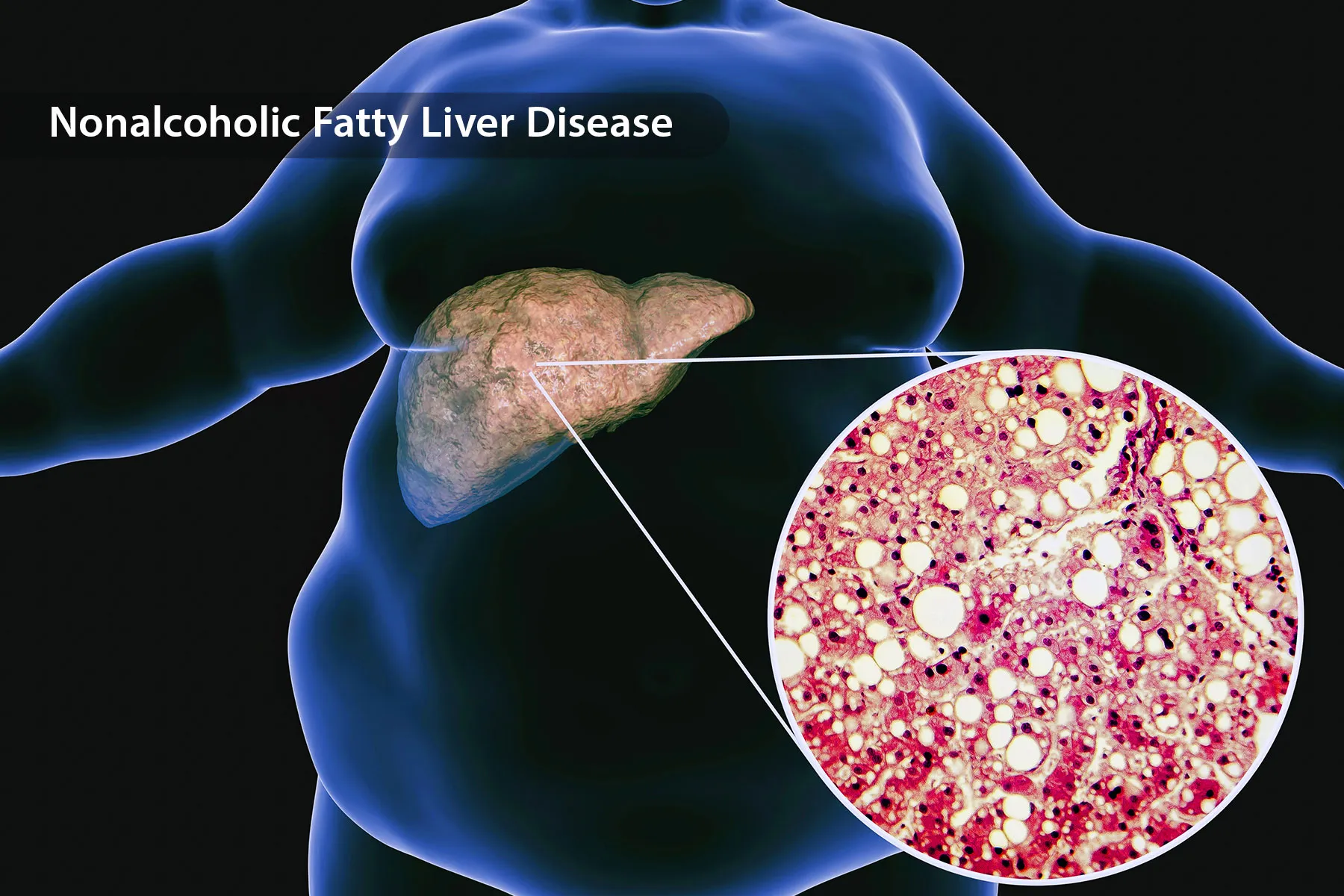
Fatty liver disease means extra fat is stored in liver cells. A small amount of fat can be normal, but when it builds up beyond healthy limits,
it can trigger stress and inflammation. The condition exists on a spectrum:
- Simple steatosis (fatty liver): Fat is present, but there’s little to no inflammation or major cell injury.
- Steatohepatitis (NASH/MASH or alcohol-associated hepatitis): Fat + inflammation + liver cell injury.
- Fibrosis: The liver starts laying down scar tissue.
- Cirrhosis: Extensive scarring disrupts liver structure and function; complications can follow.
Why the “-itis” Matters
“Steatosis” is fat. “Hepatitis” is inflammation. Combine them and you get steatohepatitisfat plus inflammation,
which raises the odds of scarring (fibrosis) and progression to cirrhosis. In other words:
fatty liver can be reversible; fatty liver with inflammation is the version that deserves your full attention.
NAFLD/MASLD: The Metabolic Version
NAFLD (now often called MASLD) is fatty liver disease not primarily caused by alcohol.
It’s strongly linked to metabolic risk factorsthink insulin resistance, type 2 diabetes, higher body weight, high triglycerides,
and metabolic syndrome. Many people have no symptoms, which is why it’s frequently discovered by surprise on bloodwork or imaging.
Who’s at Risk?
- People with type 2 diabetes or prediabetes
- Overweight/obesity, especially abdominal weight gain
- High triglycerides or low HDL (“good” cholesterol)
- High blood pressure
- Sleep apnea, sedentary lifestyle, and diets high in added sugars/refined carbs
- Family history (genetics can influence risk)
How It Progresses (and Why Some People Get the “Bad Track”)
Many people with NAFLD/MASLD never develop significant liver damage. Others progress to NASH/MASH,
where inflammation and cell injury drive scar formation. Researchers still debate why one person stays stable while another progresses,
but metabolic health (especially diabetes control), genetics, and lifestyle factors all play roles.
AFLD/Alcohol-Associated Liver Disease: The Alcohol-Driven Version
Alcohol-associated liver disease covers a rangefrom fatty liver (steatosis) to alcohol-associated hepatitis and cirrhosis.
Not everyone who drinks develops serious liver disease, but heavy or prolonged alcohol use increases risk significantly.
From Fat to Inflammation
Alcohol is processed in the liver. In excess, it can promote fat buildup, oxidative stress, and inflammation.
Early-stage alcohol-related fatty liver can improve with alcohol reduction or abstinence, but inflammatory disease and scarring can become more serious.
Why Some People Get Sick Faster
Risk is influenced by drinking patterns (including binge drinking), duration, nutrition, co-existing obesity/diabetes, and biology.
Some peopleespecially with metabolic risk factorscan experience a “double hit,” where alcohol and metabolic dysfunction both push the liver toward inflammation and scarring.
When It’s Both: The Overlap Zone
Real life rarely fits in perfect boxes. Some people have metabolic risk factors and drink more than recommended.
Newer frameworks recognize this overlap (sometimes described as metabolic and alcohol-related/associated liver disease in clinical literature).
Translation: your liver doesn’t care what label we userisk stacks.
Symptoms: Why Fatty Liver Disease Is So Sneaky
Most people with fatty liver disease feel totally normalespecially early on.
When symptoms do show up, they can be vague: fatigue, low energy, or a dull discomfort in the upper right abdomen.
More serious symptoms usually appear when advanced scarring or liver dysfunction develops.
Red Flags That Need Prompt Medical Attention
- Yellowing of the skin or eyes (jaundice)
- Abdominal swelling (fluid buildup/ascites)
- Leg swelling
- Easy bruising/bleeding
- Confusion, extreme sleepiness, or personality changes
- Vomiting blood or black/tarry stools
How Doctors Diagnose NAFLD/AFLD (Without Guessing)
Diagnosis typically uses a combination of history (including alcohol intake), physical exam, labs, and imaging.
The goal isn’t just to confirm fat in the liverit’s to figure out how much inflammation and scarring might be present.
1) Blood Tests: Helpful, Not Perfect
Liver enzymes (ALT, AST) can be mildly elevated, normal, or fluctuateso normal labs don’t rule out fatty liver or fibrosis.
Clinicians also look at platelets, bilirubin, albumin, and clotting markers to assess liver function and progression.
2) Imaging: Seeing Fat and Estimating Scar Risk
- Ultrasound can suggest fat in the liver (often how fatty liver is first spotted).
- Transient elastography (often called FibroScan) estimates liver stiffness (a proxy for fibrosis) and can estimate fat content.
- MRI-based tests can measure fat and sometimes fibrosis more precisely, typically used in specialty settings.
3) Noninvasive Fibrosis Scores: A Smart Shortcut
Many practices use simple scoring tools (based on routine labs and age) to estimate fibrosis risk and decide who needs specialty referral.
One common example is the FIB-4 score (uses age, AST, ALT, and platelet count).
It’s not a diagnosis by itselfit’s a triage tool.
Example: A 52-year-old with type 2 diabetes and mildly high ALT may have a low FIB-4 score and be managed in primary care with lifestyle and metabolic optimization, while a higher score can trigger elastography, hepatology referral, or more advanced testing.
4) When Is a Liver Biopsy Used?
Biopsy can help confirm steatohepatitis and precisely stage fibrosis, but it’s invasive.
Many people can be evaluated with noninvasive tests first; biopsy is typically reserved for cases where the diagnosis is unclear,
treatment decisions hinge on precise staging, or other liver conditions are suspected.
Treatment That Actually Moves the Needle
The good news: fatty liver disease is often manageable, and early disease can be reversible.
The not-so-fun news: the plan works best when it’s boringbecause boring habits are repeatable.
NAFLD/MASLD and NASH/MASH: The Core Strategy
- Weight loss (if needed): Even modest weight reduction can lower liver fat; greater, sustained loss tends to improve inflammation and fibrosis risk.
- Metabolic control: Manage blood sugar, cholesterol/triglycerides, and blood pressurebecause the liver is listening to your whole-body metabolism.
- Food pattern upgrades: Mediterranean-style eating (more plants, fiber, healthy fats; less added sugar and refined carbs) is commonly recommended.
- Exercise: Both aerobic activity and resistance training can reduce liver fat, even without major weight loss.
Medication: What’s Real (and What’s Still Evolving)
For years, there was no FDA-approved medication specifically for NASH/MASH.
That has changed: resmetirom (brand name Rezdiffra) was approved for certain adults with
noncirrhotic NASH with moderate-to-advanced fibrosis, alongside diet and exercise.
It’s not for everyone, and it’s typically considered when fibrosis risk is significant and confirmed by appropriate evaluation.
Other medications may be used to support weight loss and metabolic health (for example, certain diabetes/obesity treatments),
and clinicians sometimes consider vitamin E or other therapies in carefully selected cases.
The key point: medication is usually an add-onnot a substitute for lifestyle and metabolic management.
AFLD/Alcohol-Associated Liver Disease: The Non-Negotiable
If alcohol is driving the disease, the most effective treatment is reducing alcohol or stopping completely.
For early alcohol-related fatty liver, improvement can happen with abstinence.
For alcohol-associated hepatitis and advanced disease, medical supervision is critical and may include nutrition support,
treatment for alcohol use disorder, and hospital-based care when severe.
If quitting feels overwhelming, that’s not a character flawit’s a signal to get support.
Evidence-based options include counseling, peer support programs, and medications that reduce cravings.
The liver is remarkably resilient, but it does best when you stop throwing punches at it.
Food, Drinks, and Habits: A Practical “Daily Stuff” Plan
Eat Like Your Liver Has a Job Interview
- Build meals around vegetables, fruit, beans, lentils, and whole grains for fiber and metabolic support.
- Choose healthy fats (olive oil, nuts, seeds, fatty fish) over trans fats and deep-fried foods.
- Reduce added sugars (especially sugary drinks) and refined carbs that drive liver fat in many people.
- Prioritize protein (fish, poultry, yogurt, tofu, beans) to support satiety and muscle.
Move in a Way You’ll Actually Repeat
Aim for a mix of:
(1) walking/cardio for metabolic health and
(2) resistance training for muscle and insulin sensitivity.
If you hate the gym, congratulationsyou’re normal. Try a 20-minute brisk walk after dinner and two short strength sessions a week.
Consistency beats intensity.
Alcohol: Make the Risk Math Simple
If you have fatty liver disease, alcohol can worsen liver injury and increase scarring risk, especially when combined with metabolic risk factors.
For alcohol-associated disease, abstinence is typically the goal. If you’re unsure what’s safe for you, ask a clinicianthis is a “personalized” question.
Complications to Take Seriously
The liver outcomes matterfibrosis, cirrhosis, and liver cancer risk in advanced diseasebut fatty liver disease is also linked to broader health issues.
People with NAFLD/MASLD often face higher cardiovascular risk because the same metabolic problems affecting the liver also affect the heart and blood vessels.
So improving liver health frequently improves overall risk, too.
FAQ: Common Questions People Google at 2:00 a.m.
Can fatty liver disease go away?
Often, yesespecially in early stages. Liver fat can decrease with improved diet, activity, weight loss (if needed), and alcohol reduction/abstinence.
Steatohepatitis and fibrosis are more serious but can still improve in some cases when the drivers are addressed early and consistently.
Do I need a special “liver detox”?
Your liver already detoxes for a living. What it needs is fewer insults (like excess alcohol and added sugar),
plus better metabolic support (sleep, activity, nutrient-dense food). Save your money for groceries.
If my liver enzymes are normal, am I fine?
Not necessarily. Some people with fatty liver diseaseor even fibrosiscan have normal enzymes.
If you have risk factors (diabetes, obesity, high triglycerides, heavy drinking), talk to a clinician about appropriate screening.
What should I ask my clinician?
- Do I likely have simple steatosis or steatohepatitis?
- What is my fibrosis risk (based on FIB-4, elastography, or other tests)?
- Should I see a hepatologist?
- What weight, nutrition, and activity targets make sense for me?
- Do I need vaccines (like hepatitis A/B) or medication changes to protect my liver?
Real-World Experiences: What It Feels Like (and What Helps)
People often assume liver disease comes with dramatic symptomslike your body sending a marching band to announce,
“Attention! Your liver is upset!” In reality, fatty liver disease is more like a quiet group chat where nobody replies… until suddenly
there are 47 unread messages. Here are common experiences people report and patterns clinicians see, presented as realistic, generalized examples.
Experience 1: “I Felt Fine… Then My Bloodwork Ruined My Afternoon.”
A lot of people discover NAFLD/MASLD after routine labs show mildly elevated ALT or AST, or after an ultrasound done for unrelated reasons
notes “fatty infiltration.” The emotional whiplash is real: you went in expecting “everything looks great,” and you left with a new acronym.
What helps most at this stage is reframing the diagnosis as actionable. Early fatty liver is often reversible,
and even small changeslike cutting sugary drinks and walking regularlycan move numbers in the right direction over a few months.
Experience 2: “My Doctor Said ‘Lose Weight,’ but Nobody Told Me How.”
People can feel dismissed when the plan sounds like a motivational poster. The most successful approaches tend to be specific and measurable:
swapping one fast-food meal a week for a simple home meal, using a Mediterranean-style template, increasing protein at breakfast,
or adding a 10–15 minute walk after dinner. Many people find it easier to focus on habits instead of the scale:
“I will walk 5 days a week” is more controllable than “I will lose 20 pounds by Tuesday.”
Over time, those repeatable habits often produce the weight and lab improvements that matter.
Experience 3: “I Didn’t Think My Drinking Counted… Until It Did.”
With alcohol-associated disease, a common story is underestimating intakeespecially when drinking is normalized socially.
People may not see themselves as “heavy drinkers” if they don’t drink every day, even if weekends involve binge patterns.
Turning the corner often starts with honest tracking for a couple of weeks, then building support:
talking to a clinician, involving a trusted friend, trying counseling, or exploring medications that reduce cravings.
A big emotional win for many is realizing that needing help isn’t weaknessit’s a medical issue with medical tools.
Experience 4: “I Changed Everything… and Progress Was Still Slow.”
The liver can improve, but it doesn’t always move at the speed of your motivation. People can do “all the right things” for a month and feel frustrated
if labs barely change. In practice, improvement is often gradual and unevenespecially when diabetes, sleep, stress, or medications are in the mix.
What helps is focusing on trendlines: repeating labs at clinician-recommended intervals, tracking waist circumference or fitness,
and celebrating non-scale improvements (better energy, improved glucose, better sleep).
For those with higher fibrosis risk, specialty evaluation and medication options may be part of the next stepbecause lifestyle is essential,
but sometimes it needs backup.
Experience 5: “My Family Got Involvedand That’s What Made It Stick.”
One of the strongest predictors of long-term success is social support. People who involve a partner, family member, or friend
often find changes easier: shared grocery shopping, joint walks, fewer trigger foods at home, and accountability that feels kind instead of controlling.
Some families even treat it like a shared experiment: “Let’s do Mediterranean dinners three nights a week and see how everyone feels.”
When lifestyle changes become “how we live” rather than “my punishment,” adherence improvesand so do outcomes.
Conclusion
Fatty liver disease is common, often silent, and surprisingly responsive to the right changesespecially when caught early.
The biggest fork in the road is whether fat stays “just fat” or becomes steatohepatitis with inflammation and scarring risk.
For NAFLD/MASLD, improving metabolic health is the engine of progress. For alcohol-associated disease, reducing alcohol or stopping is the cornerstone.
And for higher-risk cases, modern noninvasive testing and newer therapies are expanding what’s possible.
If you take one thing away: your liver is not a lost cause. It’s more like a stressed-out employee who performs better
when you stop giving it impossible deadlines and energy drinks. Give it fewer insults, better fuel, and steady supportand it often surprises you.

