
Beauty Unlocked
How to Clean Your System of Cocaine: Detox Safely at Home
Jul
Let’s start with the truth nobody selling neon-green “detox juice” wants you to hear: there is no magic button, miracle tea, sauna marathon, or heroic gallon-chugging routine that can instantly clean cocaine from your system. Your body is not a clogged sink, and your liver is not waiting for a coupon code from a cleanse brand. Cocaine detox is mainly about stopping use, giving your body time to process the drug, protecting your heart and brain, and getting the right support before withdrawal symptoms start playing drums in your nervous system.
The good news? Many people can begin recovery at home when symptoms are mild and they have a safe, sober environment. The important catch? “At home” should never mean “alone, unplanned, or pretending chest pain is just spicy anxiety.” Cocaine is a powerful stimulant, and withdrawal can bring intense cravings, depression, irritability, sleep problems, paranoia, and in some cases suicidal thoughts. Safe detox is less about forcing the drug out and more about helping your body and mind stabilize without making risky moves.
This guide explains how cocaine leaves the body, what a safe home detox plan may look like, when to seek medical help, and how to build a realistic recovery routine that does not depend on internet myths, expensive powder packets, or vibes.
What Does “Clean Your System of Cocaine” Really Mean?
People use the phrase “clean your system” in different ways. Some mean they want to feel normal again after using cocaine. Others mean they want to stop cravings, sleep better, and regain control. Some are worried about drug testing. This article focuses on health and safety, not tricks for beating a test. The safest, most honest answer is simple: cocaine leaves the body through normal metabolism, and the process takes time.
After use, cocaine is broken down mainly by the liver and blood enzymes into metabolites, including benzoylecgonine. These substances are then eliminated through urine and other natural pathways. How long that takes can vary based on frequency of use, amount used, method of use, metabolism, hydration, kidney and liver health, and whether other substances were involved. Heavy or repeated use can take longer to clear than a single use.
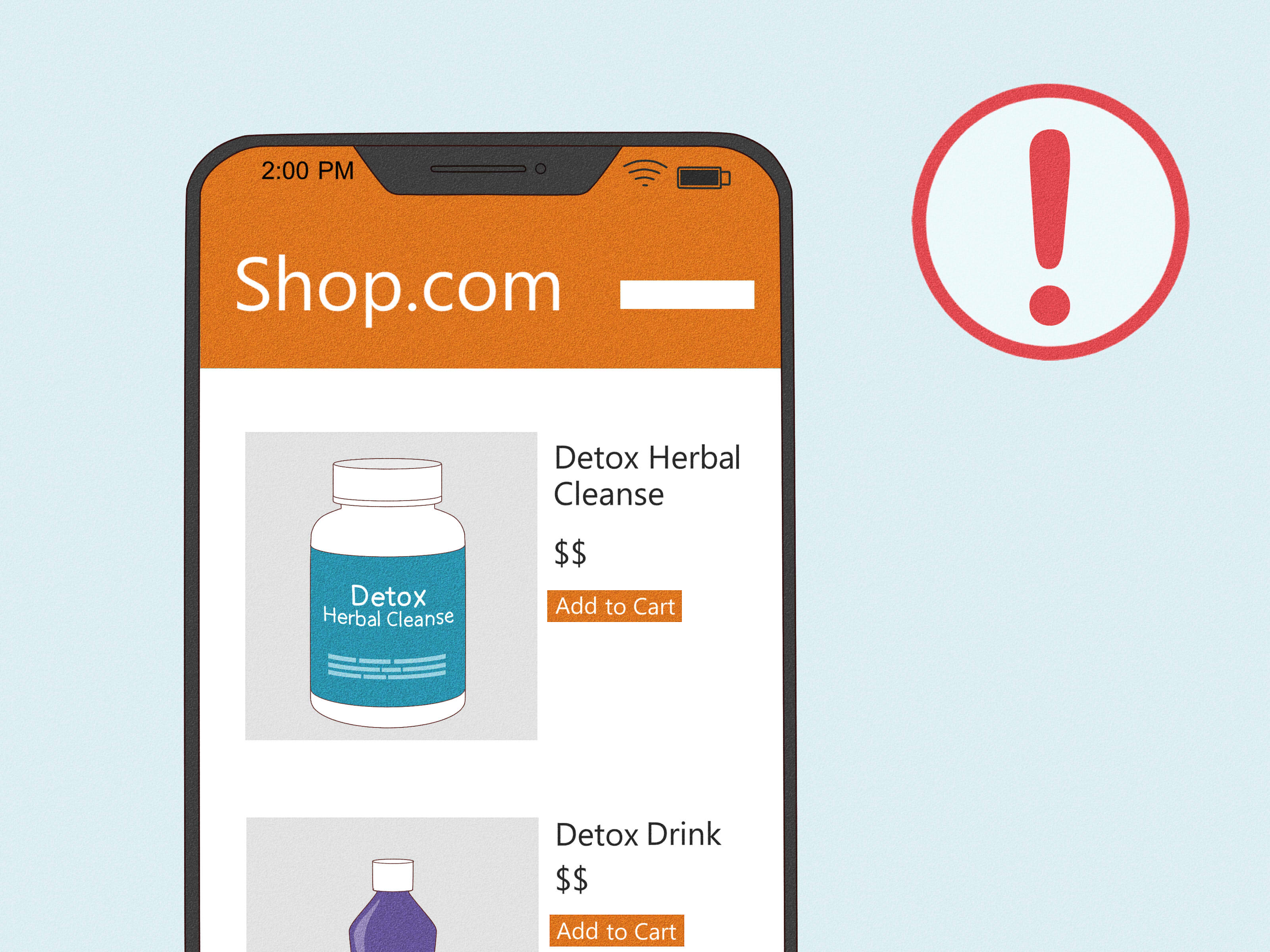
Trying to “flush” cocaine out with extreme water intake, harsh laxatives, diuretics, or detox kits can backfire. Too much water can disturb electrolytes. Laxatives do not meaningfully speed cocaine metabolism. Sweating in a sauna while already dehydrated can stress the heart. Detox products may be poorly regulated, overpriced, and about as scientifically convincing as a raccoon wearing a lab coat.
Can You Detox From Cocaine Safely at Home?
Sometimes, yesbut not always. Home detox may be reasonable for someone who has used cocaine occasionally, is not having severe symptoms, has no major heart or mental health risks, and can stay in a stable environment with support. However, people with heavy use, binge use, chest pain, severe depression, hallucinations, paranoia, pregnancy, seizure history, heart disease, or mixed substance use should speak with a medical professional before attempting to detox at home.
Cocaine withdrawal is different from alcohol or benzodiazepine withdrawal, which can cause dangerous physical complications such as seizures in some cases. Cocaine withdrawal may not always look dramatic from the outside, but that does not mean it is harmless. The biggest risks are often psychological: crushing fatigue, intense cravings, anxiety, depression, agitation, and thoughts of self-harm. A person may look “fine” while feeling mentally trapped in a thunderstorm.
If you are unsure whether home detox is safe, treat that uncertainty as useful information. Call a doctor, addiction medicine clinic, local urgent care, or a confidential treatment locator. A short conversation can help determine whether outpatient support, medical detox, therapy, or a higher level of care is the safer path.
When Cocaine Detox Is Not a DIY Project
Call 911 or seek emergency medical help immediately if you or someone else has chest pain, shortness of breath, fainting, seizures, severe confusion, stroke-like symptoms, extreme agitation, overheating, a very fast or irregular heartbeat, or loss of consciousness. Cocaine can strain the heart and blood vessels, and serious complications can occur even in people who are young or otherwise healthy.
Also get urgent help if there are suicidal thoughts, plans to self-harm, hallucinations, severe paranoia, violent behavior, or the feeling that you cannot stay safe. In the United States, calling or texting 988 connects people to the Suicide & Crisis Lifeline for mental health, substance use, or emotional crisis support. If there is immediate danger, call 911 first.
One more modern safety issue deserves bright-red highlighter treatment: illicit cocaine may be contaminated with fentanyl or other substances. A person may think they used only cocaine but actually be exposed to opioids or other sedatives. Signs of opioid overdose can include slow or stopped breathing, blue or gray lips, tiny pupils, heavy sleepiness, choking sounds, or inability to wake up. Naloxone can reverse opioid overdose and is worth having available if there is any chance of exposure.
Common Cocaine Withdrawal Symptoms
Cocaine withdrawal often begins with a “crash.” After the stimulant effect fades, the brain and body can swing in the opposite direction. Energy drops. Mood sinks. Sleep may become either irresistible or impossible. Cravings can arrive with the subtlety of a marching band in a library.
Physical symptoms may include:
- Fatigue or heavy sleepiness
- Increased appetite
- Body aches or general discomfort
- Slowed movement or low motivation
- Headaches
- Restless sleep or vivid dreams
Emotional and mental symptoms may include:
- Strong cravings for cocaine
- Irritability or anger
- Anxiety or panic
- Depressed mood
- Lack of pleasure or emotional numbness
- Paranoia or suspicious thoughts
- Difficulty concentrating
- Suicidal thoughts in severe cases
Symptoms vary widely. Some people feel better after several days. Others experience cravings, low mood, or sleep problems for weeks or longer, especially after long-term heavy use. This is why detox should be seen as the first chapter of recovery, not the whole book.
A Safer At-Home Cocaine Detox Plan
Safe home detox begins before the first hard day hits. The goal is to reduce triggers, protect your body, and make it easier to choose recovery when your brain starts negotiating like a tiny lawyer wearing sunglasses.
1. Stop Using and Remove Access
The first step is complete abstinence from cocaine. Remove cocaine, pipes, straws, baggies, contacts, cash stashes, and anything strongly linked to use. Delete dealer numbers and block contacts connected to buying or using. If possible, ask a trusted sober person to help you clear the space. This is not about being dramatic; it is about reducing the number of decisions your tired brain has to make.
2. Tell One Safe Person
Detoxing alone increases risk. Tell a trusted friend, family member, sponsor, counselor, or healthcare provider what is happening. Ask them to check in regularly, especially during the first several days. Choose someone calm and practicalnot the friend who says, “Have you tried just not thinking about it?” Recovery needs support, not fortune-cookie psychology.
3. Hydrate Normally, Not Aggressively
Drink water steadily, but do not force extreme amounts. Add electrolyte drinks or broth if you have been sweating, not eating, or feeling run down. Avoid using water as a “flush.” Your kidneys appreciate hydration; they do not appreciate being treated like a car wash.
4. Eat Simple, Balanced Meals
Cocaine can suppress appetite, disrupt sleep, and drain energy. During detox, aim for easy meals with protein, complex carbohydrates, fruits, vegetables, and healthy fats. Good options include eggs and toast, oatmeal with nuts, rice bowls, soup, yogurt, bananas, chicken, beans, peanut butter, and smoothies. The goal is not a perfect influencer meal prep grid. The goal is giving your brain enough fuel to stop screaming.
5. Prioritize Sleep, Even If It Is Messy
Your sleep may be strange for a while. Some people sleep heavily after stopping cocaine; others feel restless and wired. Keep the room dark and cool, avoid screens before bed, skip caffeine late in the day, and use a simple wind-down routine. If nightmares or insomnia become severe, talk to a healthcare provider. Do not self-medicate with alcohol, sedatives, or other drugs, because that can create a new problem while pretending to solve the old one.
6. Move Gently
Light movement can help mood, stress, and sleep. Think walking, stretching, gentle cycling, or easy yoga. Avoid intense workouts during the first stage if you are dehydrated, sleep-deprived, or having chest discomfort. Your body is repairing, not auditioning for a superhero reboot.
7. Plan for Cravings
Cravings are not moral failures. They are brain events. They rise, peak, and usually fade if you do not feed them. Create a short craving plan before you need it. Try the “delay, distract, discuss” method: delay action for 20 minutes, distract with a specific activity, and discuss the craving with someone safe. Take a shower, walk around the block, eat something, call a support person, or leave the environment if it is triggering.
8. Avoid Alcohol and Other Substances
Alcohol can weaken judgment and increase relapse risk. Sedatives, opioids, or other drugs can make withdrawal more dangerous and may create dependence. Mixing substances also increases overdose risk, especially when the drug supply is unpredictable. During detox, boring is beautiful. Your nervous system needs fewer plot twists.
What Not to Do During Cocaine Detox
Do not rely on detox teas, cleanse pills, vinegar, niacin megadoses, extreme exercise, saunas, or forced water intake. These methods do not reliably speed elimination and may cause harm. Do not take someone else’s prescription medications for anxiety, sleep, or mood. Do not isolate yourself if cravings or depression intensify. Do not assume that because cocaine withdrawal usually lacks dramatic vomiting or shaking, it is automatically safe.
Also, do not use “one last time” as a farewell ceremony. Cocaine does not need a retirement party. The last use often becomes the next binge, and binges increase the risk of heart problems, overdose, panic, paranoia, and dangerous decisions.
How Long Does It Take to Feel Better?
The first phase may begin within hours after stopping, especially after a binge. Many people feel exhausted, hungry, low, irritable, and foggy during the first few days. Cravings may come in waves. Sleep may be heavy or broken. Mood can remain unstable for days to weeks.
Long-term heavy use may lead to lingering symptoms such as depression, low pleasure, poor concentration, and sudden cravings. This does not mean recovery is failing. It means the brain is recalibrating. Dopamine systems do not repair on command like a phone restarting after an update. They need time, repetition, nutrition, sleep, therapy, and a life that becomes less friendly to relapse.
Professional Help That Still Lets You Keep Your Life Moving
Getting help does not automatically mean disappearing into residential rehab for months. Many people benefit from outpatient counseling, intensive outpatient programs, support groups, primary care visits, psychiatric care, contingency management, cognitive behavioral therapy, or recovery coaching. Treatment can be tailored to your schedule, risk level, mental health needs, and substance use history.
Behavioral therapies can help identify triggers, change routines, build coping skills, and reduce relapse risk. If depression, anxiety, ADHD, trauma, or bipolar disorder is part of the picture, treating those conditions matters too. Cocaine may have been serving as a messy, expensive, high-risk coping tool. Recovery works better when the real pain underneath gets proper care.
Building a Home Environment That Supports Recovery
Your environment can either support detox or sabotage it while pretending to be neutral. Clean your room, wash bedding, throw away paraphernalia, stock easy food, and create a low-stimulation space. Put crisis numbers and support contacts somewhere visible. Make a list of three people you can contact before using. Plan what you will do during risky times such as payday, weekends, loneliness, boredom, parties, arguments, or late nights.
Digital cleanup matters too. Unfollow accounts linked to drug culture. Mute people who romanticize partying. Avoid scrolling through old photos or messages connected to use. Your phone can be a recovery tool or a relapse vending machine with notifications.
How Loved Ones Can Help Without Becoming Detox Police
If someone you love is detoxing from cocaine at home, support them with calm structure. Offer meals, rides to appointments, check-ins, and help removing triggers. Learn the emergency warning signs. Encourage professional care without shaming them. Avoid lectures, threats, or dramatic interrogations. Shame rarely produces recovery; it mostly produces secrecy.
Set boundaries too. Helping someone detox does not mean tolerating aggression, theft, unsafe behavior, or manipulation. You can be compassionate and firm at the same time. In fact, that combination is often the healthiest kind of support.
Real-Life Experiences: What Safe Cocaine Detox at Home Can Feel Like
Many people imagine cocaine detox as one dramatic movie scene: sweating, shaking, shouting, then waking up magically transformed while inspirational music plays. Real life is usually less cinematic and more like a messy apartment, a dead phone battery, three half-eaten meals, and the sudden realization that emotions have been waiting in the hallway with luggage.
One common experience is the crash. A person may stop using and sleep for a long time, then wake up feeling heavy, sad, and strangely hungry. This can be confusing because the body is finally asking for what cocaine pushed aside: rest, food, water, and quiet. The best response is not panic. It is structure. Eat something simple. Drink water. Take a shower. Text the person who agreed to check in. Keep the day small enough to survive.
Another common experience is the craving ambush. Someone may feel confident in the morning and then, at 6:30 p.m., after stress, boredom, or a familiar song, the urge hits hard. The brain may start making persuasive arguments: “Just once,” “You deserve it,” “You can control it this time,” or the classic nonsense masterpiece, “This will help me relax.” This is where a written craving plan helps. The person does not need to debate the craving. They need to follow the plan: delay, distract, call, move, eat, leave the trigger, repeat.
Sleep can also feel weird. Some people sleep like they are trying to win a hibernation contest. Others lie awake with racing thoughts, guilt, or vivid dreams. It helps to treat sleep as recovery work, not laziness. A dark room, regular bedtime, no late caffeine, calming audio, and no doom-scrolling can make a difference. If insomnia becomes severe, medical support is safer than borrowing pills or drinking alcohol “just to knock out.” That shortcut has trapdoor energy.
Emotionally, home detox can bring up regret. People may remember things they said, money they spent, relationships they strained, or responsibilities they avoided. This part hurts, but it can also become motivation. The goal is not to solve your whole life during week one. The goal is to stay safe, stay abstinent today, and take one repair step at a time. Apologies, debt plans, relationship healing, and career rebuilding can come later. First, stabilize the person inside the life.
People who do better at home usually do not rely on willpower alone. They create friction between themselves and relapse. They block contacts. They avoid risky places. They keep snacks around. They answer check-in calls even when embarrassed. They attend therapy, peer meetings, or outpatient treatment. They accept that cravings are temporary, but consequences can be permanent.
The most encouraging experience many people report is that normal pleasure slowly returns. Food tastes better. Sleep becomes less chaotic. Conversations feel more real. Money stops vanishing into the mysterious cocaine weather system. The brain starts noticing small rewards again: a clean kitchen, a walk outside, a joke that lands, a morning without panic. Recovery rarely feels glamorous at first. But eventually, ordinary life starts feeling less ordinaryand that is a very good sign.
Conclusion
Cleaning your system of cocaine safely is not about forcing your body through a harsh cleanse. It is about stopping use, allowing time for natural elimination, protecting your mental health, reducing triggers, and getting help when symptoms become risky. At-home detox may be possible for some people with mild symptoms and strong support, but it is not safe for everyone. Chest pain, severe confusion, seizures, suicidal thoughts, extreme paranoia, or signs of overdose require immediate help.
The safest detox plan is honest, practical, and boring in the best way: water, food, sleep, support, medical guidance, trigger control, and a plan for cravings. Cocaine recovery does not require perfection. It requires enough support to keep choosing the next safe step. And if today’s step is asking for help, that counts. That counts a lot.

