
Beauty Unlocked
Beginner’s Guide to Rainwater Collection (With Top 7 Benefits)
Jul
Note: This guide is for general educational use. Before installing a rainwater collection system, check your local building codes, plumbing rules, HOA guidelines, and public health recommendationsbecause rain is free, but permits sometimes enjoy making cameo appearances.
Introduction: Why Collect Rainwater in the First Place?
Rainwater collection sounds like something only off-grid homesteaders, permaculture pros, or extremely organized gardeners do. But in reality, it is one of the simplest home water-saving projects a beginner can start. If your house has a roof, gutters, and a downspout, you already own most of the “high-tech infrastructure.” Congratulations: your roof has been quietly auditioning for a second job.
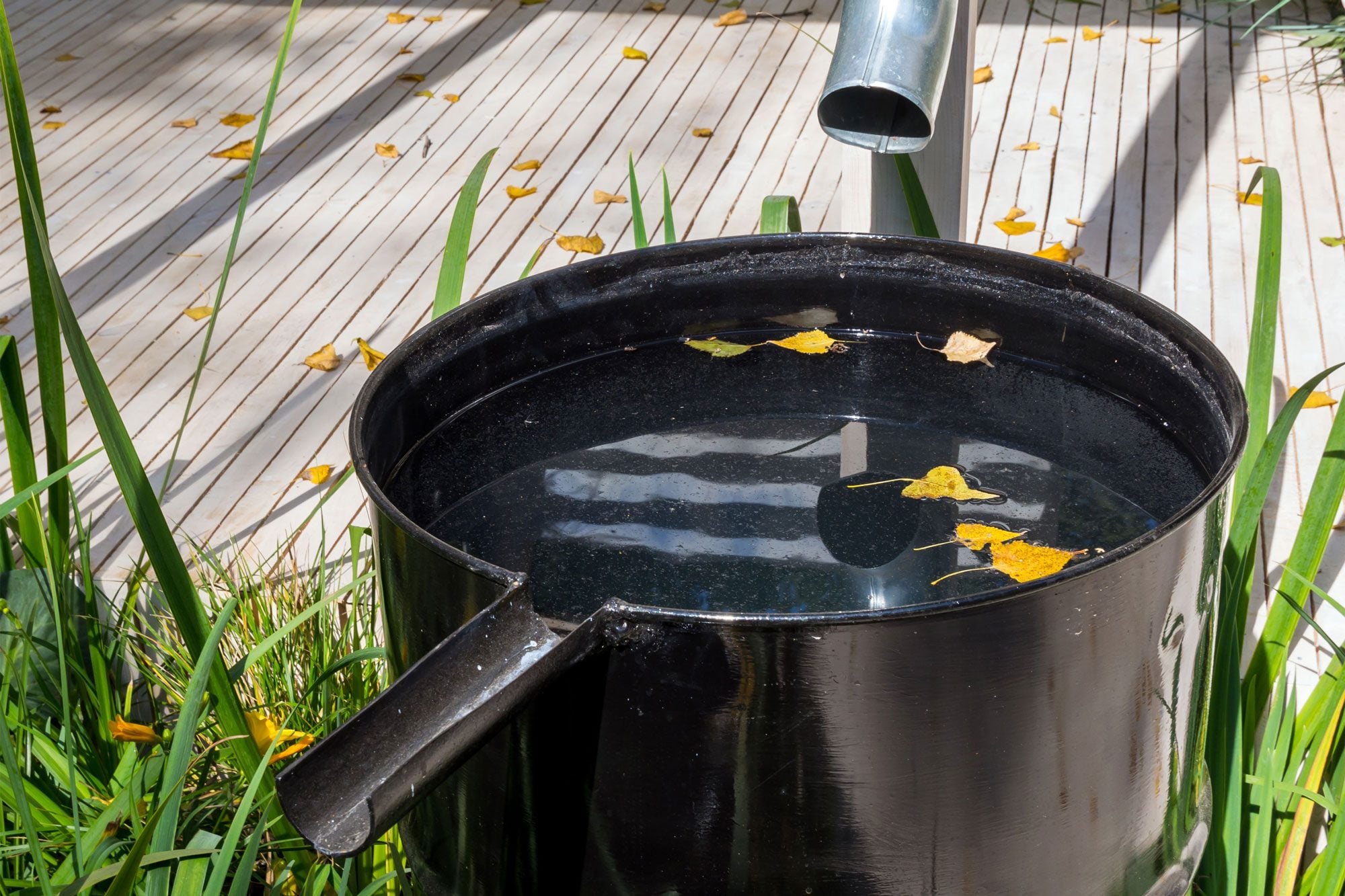
At its most basic, rainwater collectionalso called rainwater harvestingis the practice of catching rain from a roof or other clean surface, directing it through gutters or pipes, and storing it in a rain barrel, tank, or cistern for later use. Most beginners use collected rainwater outdoors for lawns, gardens, potted plants, trees, compost moisture, and general yard cleanup. More advanced systems can support indoor non-potable uses or even drinking water, but those require proper design, filtration, disinfection, testing, and code compliance.
The appeal is easy to understand. Municipal water is treated to drinking-water standards, then many of us spray it on mulch, lawns, and tomato plants that never asked for luxury tap service. Rainwater collection lets you save treated water for higher-value uses while giving your landscape a softer, naturally available water source. It can also reduce stormwater runoff, help control erosion, lower outdoor water bills, and make your garden a little more resilient during dry spells.
This beginner’s guide explains how rainwater collection works, what equipment you need, how much water you can collect, what safety rules matter, and the top seven benefits of starting with a simple rain barrel system.
What Is Rainwater Collection?
Rainwater collection is the capture and storage of rainwater for later use rather than letting it rush off your roof, driveway, patio, or yard. For most homes, the cleanest and most practical catchment surface is the roof. Rain falls on the roof, moves into gutters, travels down a downspout, and enters a storage container. From there, you use a spigot, hose, watering can, pump, or drip irrigation line to deliver water where it is needed.
Active vs. Passive Rainwater Collection
Active rainwater collection stores water in a rain barrel, tank, or cistern. This is what most beginners picture: a barrel connected to a downspout with a screen, overflow hose, and faucet.
Passive rainwater collection slows and directs rainwater into the landscape itself. Examples include rain gardens, swales, berms, planted basins, downspout extensions, and mulched depressions around trees. Passive systems do not store water in a tank; they store it in the soil. Your plants will not send a thank-you card, but they will absolutely notice.
Many successful home setups combine both. A rain barrel captures water for later, while overflow is directed into a rain garden or planted area instead of pooling near the foundation.
How Much Rainwater Can You Collect?
A simple rule of thumb is that one inch of rain falling on one square foot of roof produces about 0.6 gallons of collectable water after basic losses. That means a 1,000-square-foot roof section can produce roughly 600 gallons from a one-inch rainstorm. Even a smaller 250-square-foot roof area can fill a typical 50-gallon rain barrel quickly during a moderate storm.
Here is the beginner formula:
Rainfall in inches × roof catchment area in square feet × 0.6 = estimated gallons collected
For example, if a half-inch of rain falls on 400 square feet of roof:
0.5 × 400 × 0.6 = 120 gallons
That is enough to fill two standard 55-gallon rain barrels with a little extra overflow. This is why overflow planning matters. A rain barrel does not politely stop the weather when it becomes full.
Basic Parts of a Beginner Rainwater Collection System
1. Catchment Surface
The catchment surface is where rain first lands. For homeowners, this is usually the roof. Metal roofs are often preferred for cleaner runoff, but asphalt shingles are commonly used for garden-only systems. Avoid collecting from roofs treated with toxic chemicals, old lead paint, moss killers, or surfaces with heavy contamination.
2. Gutters and Downspouts
Gutters move rainwater from the roof to the downspout. Keep them clean and properly sloped. Leaves, pine needles, and mystery roof confetti can clog the system and reduce water quality.
3. Debris Screen
A fine mesh screen keeps leaves, insects, and roof debris out of the barrel. It also helps block mosquitoes, which are enthusiastic about turning standing water into a tiny airport.
4. First-Flush Diverter
A first-flush diverter sends the earliest runoff from a storm away from the tank. That first water often carries dust, pollen, bird droppings, and debris from the roof. Not every beginner barrel includes one, but it is a smart upgrade, especially if you use water near edible plants.
5. Storage Container
A beginner system usually starts with a 50- to 100-gallon rain barrel. Larger systems use aboveground tanks or underground cisterns. Choose a food-grade, opaque, UV-resistant container with a tight lid. Opaque storage helps reduce algae growth by blocking sunlight.
6. Spigot or Outlet
The spigot lets you fill watering cans or connect a hose. Place the barrel on a stable platform to improve gravity flow. Even a few inches of elevation can make watering less annoying.
7. Overflow Outlet
Overflow is not optional. When the barrel fills, extra water needs a safe path away from your foundation, basement, crawlspace, driveway, and neighbor’s prize rose bed. Direct overflow to a rain garden, lawn, gravel area, or existing drainage route.
Top 7 Benefits of Rainwater Collection
Benefit 1: It Conserves Treated Water
One of the biggest benefits of rainwater collection is water conservation. Outdoor watering can account for a significant share of household water use, especially during hot months. Using harvested rainwater for gardens, trees, shrubs, and containers reduces demand on treated municipal water or private wells.
This is especially useful in drought-prone regions, fast-growing communities, and areas where water restrictions appear every summer like an unwelcome seasonal subscription.
Benefit 2: It Can Lower Outdoor Water Bills
Rainwater is free after the system is installed. A basic rain barrel is not going to retire your mortgage, but it can reduce the amount of paid tap water used outside. For gardeners with many containers, raised beds, fruit trees, or thirsty ornamentals, the savings can add up over time.
The financial benefit depends on local water rates, rainfall patterns, barrel size, and how consistently you use the stored water. The key is to empty the barrel between storms so it has room to catch the next one.
Benefit 3: It Reduces Stormwater Runoff
When rain hits roofs, driveways, sidewalks, and compacted soil, it often becomes runoff. Runoff can carry fertilizers, pesticides, sediment, oil residue, pet waste, and other pollutants into storm drains, streams, rivers, and lakes. Capturing roof runoff in a rain barrel slows that water down and keeps some of it on your property for useful work.
Rainwater collection is a small household version of green infrastructure. Instead of treating rain as a drainage problem, you treat it as a resource. Very civilized. Very practical. Slightly heroic.
Benefit 4: It Helps Prevent Erosion and Drainage Problems
Water pouring from a downspout can carve channels in soil, splash mulch onto walkways, flood planting beds, and create muddy trouble spots. A rain barrel captures that surge and releases water slowly when you choose to use it.
For best results, pair your rain barrel with an overflow hose that leads to a planted area or rain garden. This reduces the chance of pooling near your foundation and gives excess water a productive destination.
Benefit 5: Plants Often Like Rainwater
Rainwater is naturally soft and usually does not contain the chlorine, fluoride, or salts sometimes found in treated or softened household water. Many gardeners notice that houseplants, orchids, container plants, and outdoor beds respond well to rainwater.
That said, “natural” does not automatically mean “clean enough for every use.” Roof-collected rainwater can contain debris, bacteria, metals, chemicals, or animal waste. Use it wisely, especially around food crops.
Benefit 6: It Builds Drought Resilience
A full rain barrel gives you a small reserve during dry periods. It will not replace a full irrigation system, but it can keep potted herbs, young trees, or a vegetable bed alive during a hot week. In a backyard emergency, 50 gallons can feel like a treasure chest with a spigot.
For larger drought resilience, homeowners can add more barrels, connect barrels in series, install a larger cistern, build passive harvesting basins, mulch heavily, and choose drought-tolerant plants.
Benefit 7: It Teaches Smarter Water Habits
Rainwater collection changes how you see your property. You begin noticing roof area, slope, soil, drainage, rainfall timing, and plant water needs. You stop thinking of water as something that simply appears from a hose and start seeing it as a cycle moving through your home landscape.
This awareness often leads to better gardening habits: watering deeply, mulching beds, grouping plants by water needs, fixing leaky hoses, and redirecting downspouts away from pavement. A rain barrel may look humble, but it can turn a casual homeowner into the neighborhood water philosopher.
Is Rainwater Safe to Use?
Rainwater safety depends on how you collect it and how you plan to use it. Water for flowers does not need to meet the same standard as water for drinking. Water used on edible crops needs more caution than water used on ornamental shrubs.
Best Beginner Uses for Collected Rainwater
For beginners, the safest and simplest uses include watering ornamental plants, lawns, trees, shrubs, houseplants, and non-edible container plants. You can also use rainwater to rinse garden tools, moisten compost, or support newly planted landscapes.
Use Caution Around Edible Plants
Untreated roof runoff should not be sprayed directly onto leafy greens, root crops, or the edible parts of vegetables and fruit. If you use rain barrel water in a food garden, apply it at the soil level with a watering can or drip line and avoid contact with the harvestable portion of the plant. Wash produce thoroughly with safe drinking water before eating.
Drinking Water Requires Treatment and Testing
If you want to use rainwater for drinking, cooking, bathing, or indoor plumbing, do not rely on a simple barrel and good intentions. Potable rainwater systems need careful design, filtration, disinfection, regular maintenance, backflow prevention, and water testing. In many places, plumbing codes and health department rules apply.
How to Start Rainwater Collection: A Beginner Step-by-Step Guide
Step 1: Check Local Rules
Rainwater collection is encouraged in many U.S. communities, but rules vary by state, city, county, HOA, and intended use. Some areas regulate storage size, plumbing connections, mosquito control, potable use, or overflow design. Always check before installing a large cistern or connecting rainwater to indoor plumbing.
Step 2: Choose the Right Downspout
Pick a downspout near the garden or area you water most. Avoid locations where overflow could run toward your foundation. The best spot has level ground, easy access, and enough space for a stable platform.
Step 3: Choose a Barrel or Tank
A 50- to 100-gallon barrel is ideal for most beginners. Look for a secure lid, mosquito screen, overflow outlet, lower spigot, and durable material. If repurposing a barrel, make sure it previously held food-safe materials only. A mysterious chemical barrel is not a bargain; it is a plot twist.
Step 4: Create a Stable Base
A full 55-gallon barrel can weigh more than 450 pounds. Set it on compacted gravel, patio blocks, pavers, or a sturdy stand designed to hold the weight. Do not place it on loose soil, wobbly bricks, or anything that looks like it was assembled during a power outage.
Step 5: Connect the Downspout
You can cut the downspout and direct it into the barrel, or install a downspout diverter kit. Diverters are beginner-friendly because they send water into the barrel and may redirect extra water back through the original downspout when the barrel is full.
Step 6: Add Overflow Protection
Attach an overflow hose and route it away from the house. Direct it to grass, mulch, a rain garden, or a safe drainage point. Check the overflow during the first few storms to make sure water is going where you intendednot staging a surprise basement visit.
Step 7: Maintain the System
Clean gutters, inspect screens, empty debris, check for leaks, and use stored water regularly. Drain and winterize barrels in freezing climates. Keep the lid tight and the screen intact to prevent mosquitoes, pests, and accidental access by children or animals.
Common Beginner Mistakes to Avoid
Mistake 1: Forgetting About Overflow
The most common mistake is installing a barrel without planning where excess water will go. A full barrel plus a continuing storm equals overflow. Always route extra water away from buildings.
Mistake 2: Using the Wrong Barrel
Only use food-grade or purpose-built rain barrels. Do not use containers that held chemicals, fuels, pesticides, or unknown substances.
Mistake 3: Leaving Openings Unscreened
Any opening can invite mosquitoes, leaves, rodents, and debris. Use fine mesh screens and tight lids.
Mistake 4: Expecting One Barrel to Water an Entire Yard
A 55-gallon barrel is useful, but it is not a private reservoir. Start small, learn your watering patterns, then expand if needed.
Mistake 5: Using Untreated Rainwater for Drinking
Rainwater intended for drinking must be treated, disinfected, and tested. A beginner rain barrel is best for outdoor non-potable use.
Simple Rainwater Collection Example for a Small Home Garden
Imagine a beginner gardener with a 300-square-foot roof section draining into one downspout near a raised-bed garden. A one-inch rainstorm could produce around 180 gallons of collectable water. Since the gardener has one 55-gallon barrel, it will fill quickly, so the overflow hose is directed into a mulched berry bed.
The gardener uses the barrel water for tomatoes, peppers, herbs, flowers, and potted plants. For vegetables, water is applied near the soil, not sprayed over leaves or fruit. Gutters are cleaned monthly during leaf season, and the barrel is drained before winter freezes. This simple setup saves tap water, reduces runoff, and keeps the garden alive during dry weeks.
My Practical Experience Notes: What Beginners Usually Learn After the First Few Storms
The first thing most beginners learn is that rain barrels fill much faster than expected. People often imagine a barrel slowly collecting drops like a dramatic movie scene. In real life, a decent storm can fill a 55-gallon barrel before you finish your coffee. That is exciting until you realize the overflow hose is pointed directly at the foundation. So, experience lesson number one: install overflow before you brag about your system.
The second lesson is that placement matters more than the barrel’s appearance. A beautiful barrel on the wrong side of the house is just outdoor sculpture with plumbing. Put the system near the plants you actually water. If your vegetable beds are in the backyard, do not install the barrel in the front yard unless you enjoy carrying watering cans like you are training for a rustic obstacle course.
Third, gravity is helpful but not magical. A barrel sitting directly on the ground may release water slowly through a hose. Elevating it on a safe, sturdy platform improves water flow and makes it easier to fill watering cans. The key word is sturdy. Water is heavy, and a full barrel does not forgive weak construction. Use compacted gravel, level pavers, or a stand rated for the load.
Fourth, maintenance is easier when you do it before problems appear. Clean the screen before it clogs. Check the spigot before the barrel is full. Remove leaves before they become roof soup. A rain barrel is low-maintenance, not no-maintenance. Think of it like a friendly garden tool that occasionally needs attention and, unlike a lawn mower, does not scream at you.
Fifth, beginners often discover that rainwater collection works best as part of a bigger water-wise landscape. A barrel helps, but mulch, compost-rich soil, native plants, drip irrigation, rain gardens, and smart watering habits make the whole system more effective. If your soil is bare and compacted, water runs away. If your beds are mulched and healthy, water stays where plants can use it.
Sixth, food gardens require common sense. Many gardeners use rain barrel water successfully, but they apply it to the soil rather than spraying it on lettuce, strawberries, or anything eaten raw. This simple habit reduces risk while still allowing you to use harvested water productively. When in doubt, use collected rainwater on ornamentals and use tested safe water on edible plant parts.
Finally, the best beginner mindset is to start small and observe. Install one barrel, watch what happens during three or four storms, and note how quickly it fills, where overflow travels, how often you use the water, and whether you need more capacity. Rainwater collection is not about building the perfect system on day one. It is about learning how water moves across your home landscape and gradually turning that movement into something useful.
The funny thing is that once you start collecting rainwater, you may become the person who gets excited when clouds appear. While everyone else complains about rain ruining weekend plans, you will be mentally calculating gallons. This is normal. Possibly incurable. Definitely good for the garden.
Conclusion: Start Small, Save Water, and Let the Sky Help
Rainwater collection is one of the most beginner-friendly sustainability projects for homeowners and gardeners. You do not need an engineering degree, a giant underground cistern, or a backyard that looks like a science museum. A simple rain barrel connected to a downspout can conserve treated water, reduce runoff, support healthier plants, ease drainage problems, and give you a practical backup supply for outdoor watering.
The smartest approach is to begin with one well-placed barrel, a secure lid, a debris screen, a reliable overflow route, and a clear plan for safe use. Use the water mainly for outdoor, non-potable purposes unless you install a properly designed and tested potable system. Keep the system clean, check local rules, and let your landscape guide future upgrades.
In the end, rainwater harvesting is not just about collecting water. It is about paying attention. Every storm becomes a delivery. Every downspout becomes an opportunity. And every gallon you save is one less gallon pulled from the tap for a thirsty petunia that was perfectly happy drinking from the clouds.
SEO Tags

