
Beauty Unlocked
Kitchen of the Week: A Modern Space Thanks to a Traditional ‘Tsubo-Niwa’
Jul
Some kitchens become memorable because they have a giant island, a range that looks ready to launch a small rocket, or a pantry so organized it deserves its own fan club. This kitchen wins for a quieter reason: it lets a tiny garden do the heavy lifting.
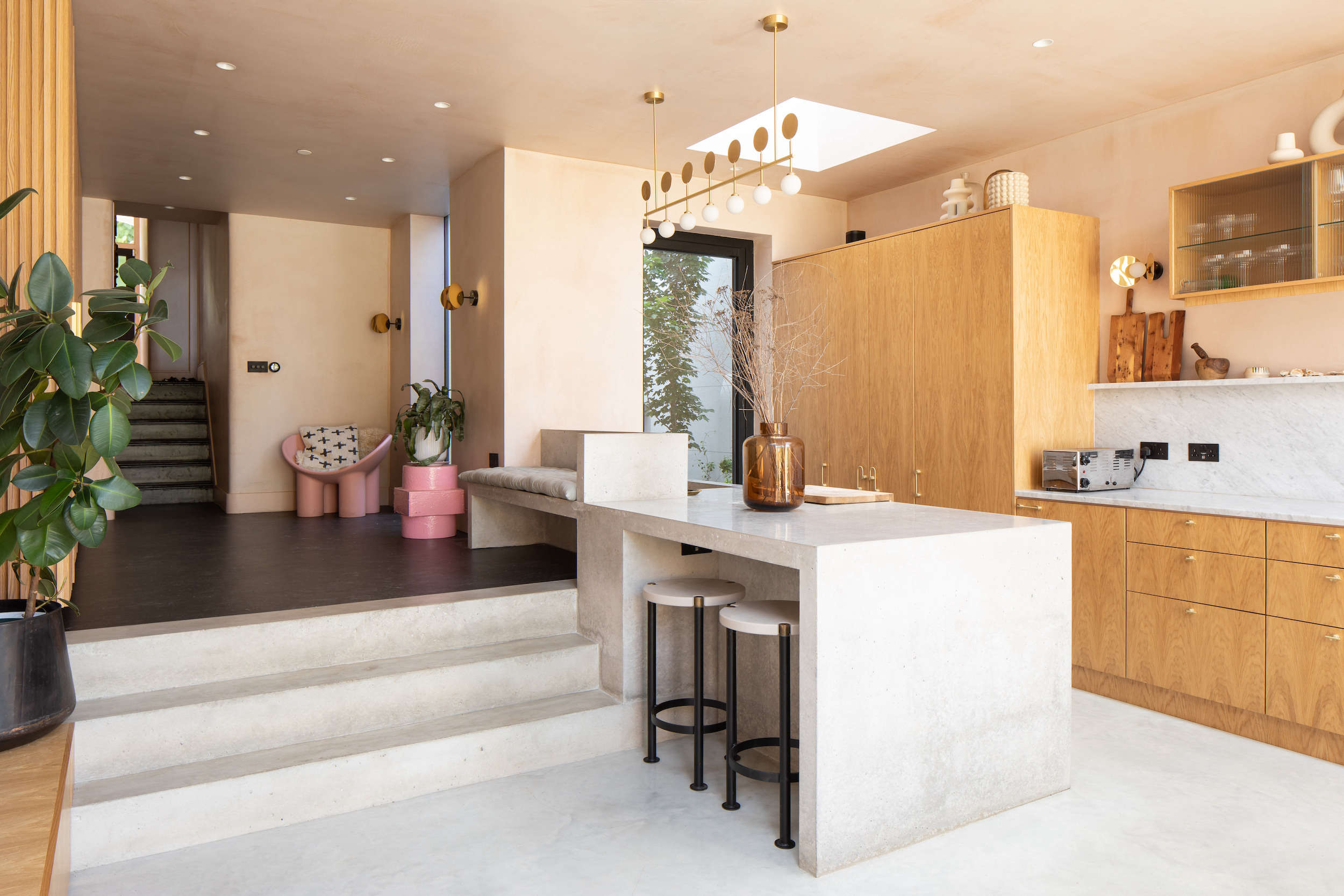
In this modern kitchen renovation, the star is not just the marble, the custom cabinetry, or the beautifully restrained palette. It is the tsubo-niwa, a traditional Japanese courtyard garden inserted into the plan like a pocket of calm. Small? Yes. Decorative? Absolutely. But also strategic, architectural, and surprisingly powerful. The tsubo-niwa turns a renovated Victorian home into a modern, light-filled space where cooking, dining, and daily life feel connected to nature.
The result is a kitchen that feels contemporary without becoming cold, traditional without becoming nostalgic, and minimal without looking like nobody is allowed to make toast. It is a case study in how a small courtyard kitchen can transform the mood, movement, and function of an entire home.
What Is a Tsubo-Niwa?
A tsubo-niwa is a compact Japanese courtyard garden, traditionally designed to be viewed from inside the home. The word combines tsubo, a small unit of area roughly equal to two tatami mats, and niwa, meaning garden. In practice, it is a tiny enclosed landscape placed within or between rooms.
Unlike a large garden meant for strolling, a tsubo-niwa is usually meant for looking, pausing, and breathing. It may include moss, stones, bamboo, gravel, water, lanterns, small shrubs, or a single carefully chosen tree. Its purpose is not to impress with size. It impresses by making every inch matter.
Historically, tsubo-niwa gardens were useful in dense urban homes where natural light and ventilation were limited. They brought air, seasonal change, and a sense of openness into narrow houses. In today’s design language, we might call that biophilic design or indoor-outdoor living. The older term is simpler: a small garden that makes a house feel alive.
The Modern Kitchen That Needed a Quiet Center
The featured project began as a Victorian home in Hackney, London, renovated and extended by Fraher Architects. The original building needed a full refresh, including a loft, rear extension, and side infill extension. Like many older urban houses, it faced a familiar puzzle: how do you connect the original structure to new living spaces without creating a dark middle zone that feels like a hallway wearing an apron?
The answer was to make the courtyard the pivot. The tsubo-niwa sits between old and new architecture, helping the house transition from its historic rooms to the modern kitchen and dining area. Instead of hiding the joint between past and present, the design celebrates it. The courtyard becomes the hinge, the pause, and the little green exclamation point.
In the kitchen, this matters enormously. Kitchens are not only work zones. They are breakfast stations, homework counters, hosting hubs, snack negotiation rooms, and unofficial family meeting spaces. When a kitchen receives natural light from more than one direction and gains a view into greenery, it immediately feels less like a utility room and more like a place people actually want to linger.
Why the Tsubo-Niwa Makes the Kitchen Feel Modern
1. It Brings in Natural Light Without Overexposing the Room
Modern kitchens often chase brightness with big glass doors, skylights, and open plans. Those tools work, but too much glass can turn a kitchen into a greenhouse with cabinet hardware. The tsubo-niwa offers a softer solution. It introduces light from within the plan, filtering it through planting, walls, and shifting weather.
This kind of light is gentle. It changes throughout the day. Morning light may skim the floor. Rain may darken the courtyard surfaces. Evening may turn the glass into a reflective layer. The kitchen gains atmosphere without relying on decorative clutter.
2. It Helps Ventilation Feel Like Part of the Design
A courtyard can also support airflow, especially when paired with operable windows or sliding doors. In a kitchen, where heat, steam, and aromas regularly stage tiny rebellions, ventilation is not a luxury. It is survival. The tsubo-niwa allows fresh air to enter the center of the home and gives the design a passive environmental function.
That is one reason this kitchen feels intelligent rather than merely stylish. The garden is beautiful, but it is not just there to pose for photos. It helps the house breathe.
3. It Creates a Visual Bridge Between Old and New
One of the hardest parts of renovating a historic home is avoiding the “before-and-after collision.” The front rooms may have traditional proportions, while the new rear addition may be open, glazed, and sharply detailed. Without a transition, the house can feel like two different homes sharing a mailing address.
The tsubo-niwa solves this by becoming a buffer zone. It does not mimic Victorian ornament, and it does not compete with the modern kitchen. Instead, it offers a third language: natural, quiet, and timeless. The eye moves from old rooms to courtyard to kitchen to garden, and the sequence feels intentional.
Key Design Elements in the Kitchen
Custom Cabinetry With a Calm Profile
The kitchen cabinets were custom made, which matters because this is not a space where off-the-shelf design would easily behave. Custom cabinetry allows the room to respond to unusual levels, sightlines, and architectural edges. The cabinet profile is restrained, keeping attention on the courtyard, the materials, and the flow of the space.
For homeowners planning a similar modern kitchen design, the lesson is clear: when the architecture is strong, cabinetry should support it rather than audition for a reality show. Simple fronts, careful proportions, and integrated storage can make a kitchen feel calm even when someone is frantically searching for the cumin.
Marble as a Natural Counterpoint
The countertop and backsplash use marble, adding movement and natural pattern. This works especially well beside a tsubo-niwa because both materials share an organic quality. Stone inside, planting outside, light between them: it is a simple formula, but it has depth.
Marble also prevents the kitchen from feeling too severe. In minimalist kitchens, flat surfaces can sometimes become visually silent. Stone brings veining, variation, and a sense of age. It reminds the room that nature is rarely perfectly plain, and thank goodness for that.
A Lowered Kitchen Level That Connects the House
One of the clever moves in the renovation is the adjustment of floor levels. The kitchen was lowered to act as a middle point between the home’s ground floor and lower ground spaces. This is not the kind of detail most guests notice immediately, but they feel it. Movement becomes easier. Sightlines improve. The kitchen feels woven into the home rather than bolted onto the back.
Level changes can be tricky, especially in older houses, but here they become part of the spatial story. The kitchen does not simply occupy the rear extension; it helps connect the whole house.
Views That Align Through the Home
The design aligns views between the original reception rooms, the tsubo-niwa, the kitchen, and the rear garden. This creates a layered experience: interior, courtyard, interior, garden. The house feels deeper and more generous than its footprint alone would suggest.
This is a classic small-space design principle. When you can borrow views across multiple zones, a compact home feels larger. The eye travels, and the brain happily reports, “Excellent, we have space,” even if the tape measure is less enthusiastic.
Why This Kitchen Fits Today’s Design Trends
Current kitchen trends are moving toward natural materials, warm minimalism, organic color palettes, better storage, stronger lighting, and more meaningful indoor-outdoor connections. This tsubo-niwa kitchen checks those boxes without looking trendy in the disposable sense.
Its appeal comes from principles, not gimmicks. Natural light is always useful. Good ventilation is always smart. A view of greenery is always welcome. Custom storage is always practical. Stone, wood, plaster, and plants age more gracefully than novelty finishes that scream, “I was popular for six months on social media.”
That is why this kitchen feels modern but not fragile. It is not chasing the loudest trend. It is using timeless ideas in a contemporary way.
How to Use Tsubo-Niwa Ideas in Your Own Kitchen
Create a Small Green View
You do not need a full architectural courtyard to borrow the spirit of a tsubo-niwa. A narrow side yard, light well, patio corner, or even a deep window box can become a small green focal point. The goal is to create a view that changes with light and season.
Choose Fewer Elements, But Better Ones
A tsubo-niwa works because it is edited. Instead of filling a small space with every plant at the nursery, choose a restrained palette: one small tree, moss or ground cover, gravel, a stone basin, or a sculptural rock. The empty space is part of the design.
Use Materials That Continue Indoors and Out
To make a kitchen and courtyard feel connected, repeat tones and textures. Stone countertops can echo exterior paving. Wood cabinets can relate to fencing or slatted screens. Plaster walls can soften the transition between inside and outside.
Frame the View Like Artwork
A courtyard garden should be composed from the places where people actually stand, sit, cook, and eat. Think about the view from the sink, dining table, island, and entry. If the best view is only visible while crouching behind the dishwasher, the design may need a second opinion.
Design Analysis: Why Small Can Feel Luxurious
Luxury in this kitchen does not come from excess. It comes from precision. The courtyard is small, but it gives the space something many oversized kitchens lack: emotional focus. It offers a moment of calm between tasks, a view that slows the room down, and a natural rhythm that changes without needing to be redecorated.
This is the magic of a tsubo-niwa. It proves that a modern kitchen does not need to be bigger to feel better. It needs light, air, proportion, texture, and a point of connection. A tiny garden can provide all of that, and it never asks where you keep the air fryer.
Experience Notes: Living With a Kitchen Inspired by a Tsubo-Niwa
Imagine walking into this kitchen early in the morning. The house is still quiet, the kettle is just beginning its tiny dramatic performance, and the courtyard sits beside the kitchen like a calm companion. You are not looking at a blank wall or a row of upper cabinets. You are looking at leaves, stone, shadow, and sky. Even before coffee, which is asking a lot, the room feels awake.
The experience of cooking in a kitchen like this is different because the space gives you small pauses. While rinsing vegetables, your eye catches movement in the courtyard. While waiting for pasta water to boil, you notice rain tapping leaves instead of staring into the middle distance wondering why water takes so long to become useful. During dinner, the garden becomes a quiet backdrop. It does not demand attention, but it rewards it.
For families, this kind of kitchen can soften the rush of daily life. Breakfast may still involve spilled juice, missing shoes, and someone announcing a school project due today, but the room itself remains steady. The tsubo-niwa brings a sense of order without being strict. It is calm, not precious. That distinction matters. A beautiful kitchen that makes everyone afraid to use it is just a showroom with snacks hidden somewhere.
For people who work from home, the kitchen-dining area often becomes a secondary workspace. A courtyard view can make that shift feel less punishing. Natural light helps the space feel fresh during long afternoons, and the garden adds visual depth during video-call breaks. Nobody needs to know that your “wellness moment” is actually you hiding from email while admiring moss.
Guests also experience the kitchen differently. Instead of walking straight into a standard rear extension, they move through a layered sequence. The old house gives way to the courtyard, the courtyard leads to the modern kitchen, and the kitchen opens toward the garden. That journey makes the home feel considered. It gives visitors something to remember besides the appetizers.
Maintenance is part of the experience too. A tsubo-niwa is not a wild jungle. It asks for attention, but in manageable doses: trimming, sweeping, watering, and occasionally removing leaves that have decided to become indoor decor. This small ritual can be satisfying. It turns maintenance into observation. You notice what is growing, what needs shade, what catches light, and how the courtyard changes across seasons.
The biggest lesson from living with a tsubo-niwa-inspired kitchen is that atmosphere is not an accident. It is designed. The best kitchens are not only efficient; they are emotionally intelligent. They understand that people cook, gather, worry, celebrate, clean, snack, and start over again in the same room. A traditional tsubo-niwa gives the modern kitchen a way to hold all of that life with grace.
Conclusion
Kitchen of the Week: A Modern Space Thanks to a Traditional ‘Tsubo-Niwa’ is more than a beautiful renovation story. It is a reminder that modern design does not always mean inventing something new. Sometimes it means borrowing an old idea and placing it exactly where life needs it most.
The tsubo-niwa brings natural light, fresh air, visual depth, and emotional calm into the kitchen. It connects old architecture to new construction, interior rooms to outdoor space, and daily routines to nature. In a world full of oversized islands and overconfident pendant lights, this tiny courtyard proves that small design moves can create enormous impact.
For homeowners, designers, and renovation dreamers, the takeaway is practical and poetic: do not underestimate the power of a small garden. It may be the quietest feature in the kitchen, but it could be the one that changes everything.

