
Beauty Unlocked
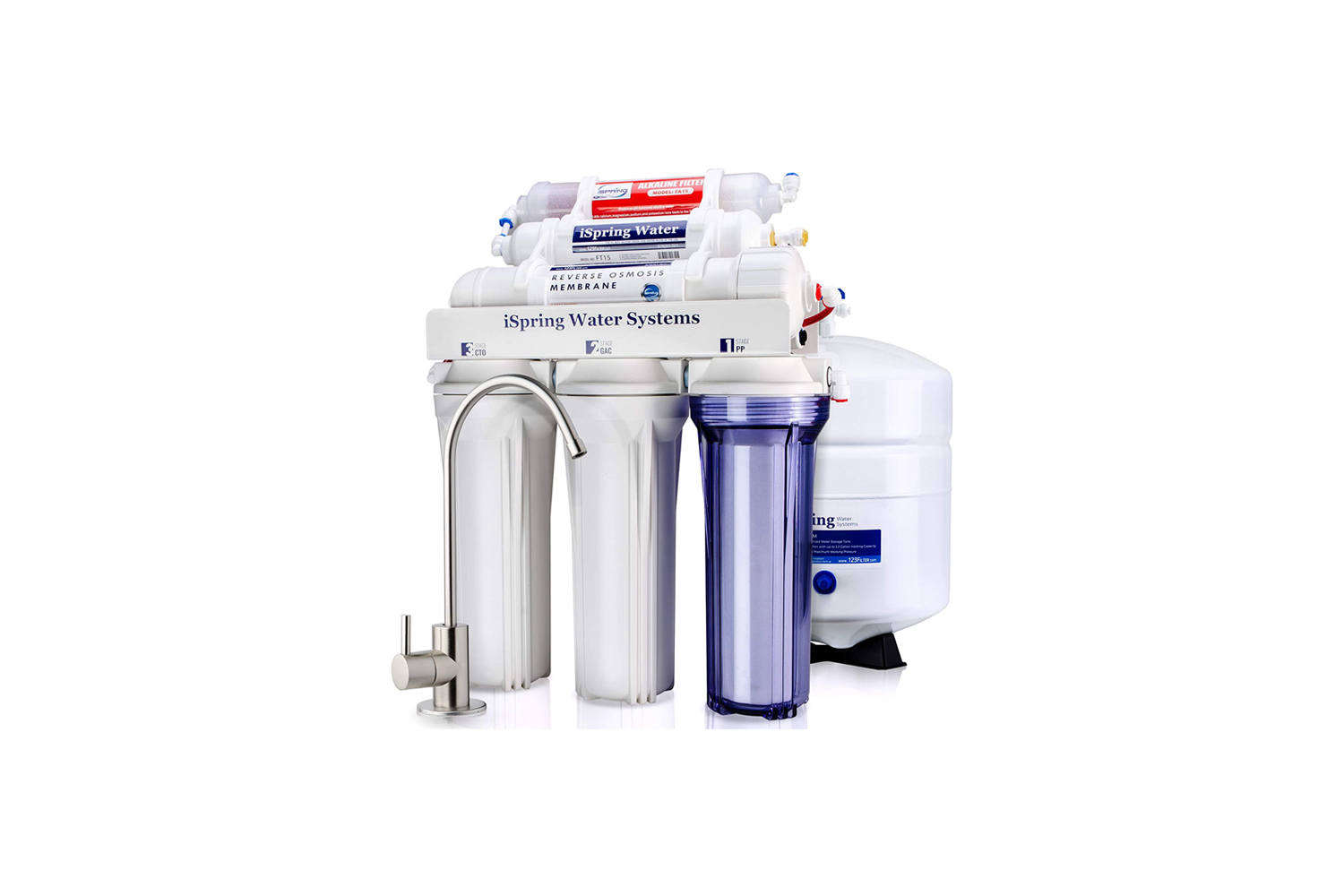
iSpring RCC7AK 6-Stage Reverse Osmosis Drinking Water Filter System
Jul
The iSpring RCC7AK 6-Stage Reverse Osmosis Drinking Water Filter System is built for households that want more than a pitcher filter but are not ready to turn the kitchen into a municipal treatment plant. Installed beneath the sink, it combines sediment filtration, activated carbon, a reverse osmosis membrane, final polishing, and alkaline remineralization to produce cleaner-tasting water through a dedicated faucet.
Its most interesting feature is the sixth stage. Conventional reverse osmosis systems remove dissolved contaminants, but they also strip out minerals that influence flavor. The RCC7AK sends purified water through a remineralization cartridge containing calcium- and magnesium-based media. The result is intended to taste less flat than standard RO water without requiring bottled mineral water to become a permanent member of the grocery list.
That does not automatically make this system right for every home. It occupies cabinet space, needs periodic filter changes, produces reject water, and works best within a specific pressure range. This in-depth iSpring RCC7AK review examines how the system works, what it can reduce, how difficult it is to install, and what ownership is actually like after the excitement of opening the box has faded.
What Is the iSpring RCC7AK?
The iSpring RCC7AK is a traditional tank-based, under-sink reverse osmosis system rated to produce up to 75 gallons of purified water per day under favorable laboratory conditions. Real production depends on feed-water temperature, pressure, chemistry, membrane condition, and how enthusiastically the household attacks the water faucet.
The system does not require electricity in its standard configuration. Water pressure moves the supply through the filters and membrane, while a pressurized storage tank keeps treated water available for immediate use. Once the tank becomes full, an automatic shutoff valve stops production until more purified water is needed.
Listings describe the filter assembly as approximately 15 to 16 inches wide, about 5 inches deep, and between 16 and 19 inches tall, depending on how the assembled unit is measured. A separate storage tank must also fit beneath the sink. Measuring the cabinet before ordering is therefore more important than measuring your optimism.
The current RCC7AK is certified to NSF/ANSI 58 for specified reverse osmosis performance claims. NSF explains that this standard evaluates areas such as material safety, structural integrity, total dissolved solids reduction, efficiency, recovery, contaminant-reduction performance, and information supplied to users. Certification should still be checked against the current performance data sheet because no standard means that every listed contaminant is reduced by every certified product.
How the Six Filtration Stages Work
Stage 1: Sediment Filtration
The first cartridge captures visible and suspended particles such as sand, rust, dirt, and silt. This stage does not perform the glamorous work advertised in large lettering on the box, but it protects everything behind it. Without sediment filtration, particles could clog the carbon media or shorten the life of the reverse osmosis membrane.
The clear first-stage housing is particularly useful. It allows owners to inspect the sediment cartridge without dismantling the system. A filter that changes from white to the color of an archaeological dig is politely requesting retirement.
Stage 2: Granular Activated Carbon
The second stage uses granular activated carbon, commonly abbreviated as GAC. It helps reduce chlorine, unpleasant tastes, odors, and various organic compounds. Removing chlorine before it reaches the thin-film composite membrane is important because prolonged exposure can damage many residential RO membranes.
Stage 3: Carbon Block
A denser carbon-block cartridge provides additional chemical filtration and captures smaller particles that pass through the earlier stages. Using both granular carbon and carbon block gives the membrane more protection than relying on a single carbon cartridge.
Stage 4: Reverse Osmosis Membrane
The fourth stage is the main event. Feed water is pushed against a semipermeable membrane. A portion passes through as treated water, while another stream carries rejected dissolved material toward the drain.
According to the manufacturer’s current performance information, the system has certified reduction claims for total dissolved solids and specified contaminants including lead, fluoride, chromium, cadmium, copper, barium, selenium, and asbestos. Reported reduction percentages vary by substance, so phrases such as “removes everything” should be treated with the same caution as an email claiming that a distant prince needs your banking information.
Stage 5: Post-Carbon Polishing
After water leaves the storage tank, it travels through an inline carbon filter before reaching the faucet. This polishing stage helps remove residual tastes or odors that may develop while water is stored. It is the filtration equivalent of checking your hair before leaving the house: most of the work is already finished, but the final pass can make a noticeable difference.
Stage 6: Alkaline Remineralization
The final cartridge adds small amounts of calcium and magnesium compounds back into the water. This can moderate the mildly acidic character sometimes associated with low-mineral RO water and produce a flavor closer to natural mineral water.
The remineralization stage should be viewed mainly as a taste and water-character feature, not as a medical device. Drinking alkaline water is not a shortcut around balanced nutrition, adequate sleep, or the tragic necessity of occasionally eating vegetables. The practical benefit is that many people find remineralized water more pleasant than extremely low-TDS water.
What the RCC7AK Can and Cannot Do
The iSpring RCC7AK is designed to reduce a broad range of dissolved substances at a single drinking-water faucet. It can be useful where testing identifies concerns involving total dissolved solids, fluoride, certain metals, salts, or other substances addressed by the system’s certified claims.
It may also improve coffee, tea, ice, soups, and other foods in homes where tap water has a noticeable chlorine, mineral, or metallic flavor. Because the system treats water at the point of use, it avoids filtering water destined for showers, toilets, laundry machines, and houseplants that have never complained about the local water report.
However, the RCC7AK is not a whole-house water softener. Although the membrane reduces dissolved minerals in drinking water, it will not prevent scale throughout the home or protect a water heater, dishwasher, and shower fixtures. Homes with extremely hard water may still need upstream softening or pretreatment to protect the RO membrane.
The standard model is also not intended to disinfect microbiologically unsafe water. The manufacturer specifically distinguishes membrane filtration from treatment for unreliable water sources containing microorganisms. Private-well users should test their water and address bacteria, viruses, hydrogen sulfide, iron, manganese, and heavy sediment with appropriate pretreatment or disinfection when necessary. The CDC likewise recommends choosing treatment according to confirmed water conditions rather than taste or appearance alone.
Water Taste and Everyday Performance
Taste is where the RCC7AK often earns its cabinet space. Carbon filtration reduces chlorine-related flavors, the RO membrane lowers dissolved solids, and remineralization keeps the result from tasting overly empty. Many owners describe the output as clean, neutral, or similar to bottled water.
The dedicated faucet provides stronger immediate flow than a bare membrane could produce because treated water is stored under pressure. The tank must refill after extended use, however. A family filling several large bottles, making a stockpot of soup, and supplying a refrigerator ice maker at the same time may eventually outrun the stored reserve. Flow then slows while the system catches up.
The 75-gallon-per-day rating is not a promise that 75 gallons will leap from the faucet whenever summoned. RO membrane ratings are normally measured under controlled pressure and temperature. Cold winter water, low household pressure, high dissolved-solids levels, or aging filters can reduce output substantially.
Installation: Friendly to DIYers, but Still Plumbing
The RCC7AK is designed for do-it-yourself installation and includes color-coded tubing, quick-connect fittings, a feed-water adapter, drain saddle, storage tank, faucet, filter housings, and related hardware. Homeowners comfortable with shutting off water, using an adjustable wrench, drilling a drainpipe, and checking carefully for leaks can often complete the project without hiring a plumber.
Installation generally involves connecting the cold-water supply, mounting the dedicated faucet, drilling and positioning the drain saddle, installing the membrane, connecting the tank, routing the tubing, and flushing the system. A spare sink opening previously used for a soap dispenser can make faucet installation much easier. Drilling granite, quartz, porcelain, or certain composite sinks requires the correct bit and a calm relationship with irreversible decisions.
Feed-water conditions matter. The manual specifies cold water between approximately 40 and 100 degrees Fahrenheit and a working pressure range beginning around 40 psi, with pressure above 80 psi requiring regulation. Low pressure can reduce production and increase reject water, while excessive pressure can stress housings and fittings. A booster-pump model may be more appropriate for homes with consistently weak pressure.
Quick-connect fittings are convenient only when tubing is cut square and pushed fully into place. Partially inserted tubing may appear secure until the cabinet floor receives an unexpected swimming pool. After installation, every connection should be inspected with the water on, checked again after the tank fills, and rechecked the following day.
The initial flushing procedure should not be skipped. New carbon filters can release harmless carbon fines, and the membrane contains storage solution that must be rinsed away. The manufacturer instructs users to flush the prefilters, membrane, and filled tank before drinking the water.
Maintenance and Replacement Costs
Reverse osmosis is not a “buy once and forget it behind the cleaning supplies” technology. Filters protect one another, so delaying a relatively inexpensive prefilter replacement can shorten the life of the more expensive membrane.
The manufacturer’s maintenance guidance recommends replacing the three vertical prefilters every six to 12 months, depending on water quality and use. The post-carbon cartridge is generally replaced annually, while the alkaline cartridge is commonly replaced at approximately six-month intervals. The RO membrane may last two to three years, although high TDS, hardness, poor pressure, or neglected prefilters can shorten that period. O-rings should be inspected during service and replaced when damaged or according to the recommended schedule.
A handheld TDS meter can help track membrane performance, but the number should be interpreted correctly. TDS does not identify individual contaminants or prove that water is microbiologically safe. It simply compares the concentration of dissolved ionic material before and after treatment. A rising treated-water reading may indicate membrane deterioration, improper flushing, exhausted filters, or another service issue.
Annual sanitizing is also sensible. During filter replacement, housings, seals, tubing connections, and the storage tank should be serviced according to the current manual. Unmaintained treatment equipment can become less effective and may even worsen water quality, which is an impressive accomplishment for something purchased specifically to improve it.
Reverse Osmosis Wastewater
Every reverse osmosis membrane creates a reject-water stream. This water is not automatically toxic; it simply contains a higher concentration of the substances rejected by the membrane. In a conventional under-sink installation, it normally flows into the sink drain.
The amount varies with membrane design, pressure, temperature, tank backpressure, feed-water chemistry, and filter condition. The EPA notes that point-of-use RO systems can consume several gallons of water for each gallon of treated water, although efficient designs perform better. Buyers concerned about conservation should compare certified efficiency or recovery information rather than relying on vague claims such as “eco-friendly.”
Keeping pressure within the recommended range, replacing clogged filters, and repairing a malfunctioning automatic shutoff valve can prevent unnecessary drainage. Where local rules and plumbing layouts permit, reject water may sometimes be collected for non-drinking uses such as cleaning or outdoor watering, provided its mineral content is suitable for the intended use.
Advantages of the iSpring RCC7AK
- Certified RO performance: The complete system carries NSF/ANSI 58 certification for specified reduction claims.
- Six-stage treatment: Sediment, two carbon stages, RO, post-carbon polishing, and remineralization address both purification and taste.
- No electricity required: The standard RCC7AK operates using household water pressure.
- Serviceable design: Standard-style housings and visible components make maintenance less mysterious.
- Transparent sediment housing: Owners can inspect the first cartridge without opening it.
- Dedicated storage tank: Purified water is available without waiting for the membrane to process every glass on demand.
- Support resources: Installation videos, replacement filter packs, manuals, and technical support are readily available.
Potential Drawbacks
- Significant cabinet footprint: The filter assembly, tank, tubing, and service clearance consume valuable under-sink space.
- Reject water: Like all RO systems, it sends a portion of incoming water to the drain.
- Multiple replacement filters: Six stages mean more maintenance than a simple carbon filter.
- Slower recovery: Heavy use can temporarily empty the storage tank.
- Installation may require drilling: Faucet and drain connections are more involved than connecting a countertop filter.
- No standard UV disinfection: Untreated well water with microbiological risk requires additional treatment.
- Performance depends on pressure: Homes with low pressure may need a booster-pump version.
Who Should Buy the RCC7AK?
The RCC7AK is a strong match for homeowners who want broad point-of-use filtration, dislike the flat taste of conventional RO water, have enough cabinet space, and are willing to follow a filter-replacement schedule. It is especially appealing for households using large quantities of bottled drinking water or those dealing with confirmed dissolved contaminants addressed by the system’s certification.
It is less suitable for renters who cannot modify plumbing, households with very low water pressure, kitchens with crowded cabinets, or buyers seeking a virtually maintenance-free appliance. A simpler certified carbon filter may be sufficient when the only concern is chlorine taste or odor. Water testing and the local utility’s Consumer Confidence Report should guide the decision before buying more treatment technology than the home needs.
Real-World Experience With the iSpring RCC7AK
Living with the RCC7AK is less dramatic than installing it, which is exactly what most owners should hope for. The first noticeable change is usually not a laboratory number but the disappearance of familiar tap-water flavors. Chlorine becomes less obvious, ice tastes cleaner, and water used in coffee stops competing with the coffee. In areas with mineral-heavy tap water, clear ice cubes may still contain tiny air bubbles, but they commonly develop less visible residue and fewer harsh flavors.
The adjustment period begins with flushing. Newly installed systems can release cloudy water caused by trapped air and fine carbon particles. This often looks alarming, especially after spending an afternoon connecting six filters to the household plumbing. After the recommended flushing cycles, the water normally clears. The first full tank should be discarded rather than ceremonially served to guests.
Cabinet organization changes, too. A large pressure tank now occupies the space once reserved for an ambitious collection of half-empty cleaning bottles. The filter frame needs clearance beneath the housings so they can be unscrewed during maintenance. Owners who pack everything tightly around the system soon learn that filter-changing day begins with removing twelve unrelated objects and wondering why anyone owns four different glass cleaners.
Daily faucet performance is generally convenient for drinking, cooking, filling a kettle, or supplying a countertop coffee maker. The tank provides a steady initial stream, but it is not an endless pressurized reservoir. Filling several gallon jugs in quick succession may reduce the flow as the tank empties. Allowing the system time to recover solves the issue, although high-demand households may prefer a larger tank or higher-capacity design.
Noise is usually limited to the gentle sound of water moving through the drain line while the system produces purified water. Continuous drainage after the tank should be full is not normal and can point to low pressure, incorrect tank pressure, a worn check valve, or an automatic shutoff problem. Periodically listening beneath the sink is surprisingly useful preventive maintenance. It also gives the appearance that you understand plumbing on a spiritual level.
Filter replacement is manageable but can be wet. Shutting off the feed valve and tank, opening the faucet to relieve pressure, and placing towels beneath the housings makes the process far less exciting. The included housing wrench provides leverage, but over-tightening cartridges during installation can turn the next service appointment into an upper-body workout. Lubricating intact O-rings with an approved food-grade silicone lubricant and seating them correctly helps prevent leaks.
The transparent first housing becomes valuable in homes with variable sediment. A cartridge that darkens quickly indicates that the six- to 12-month schedule may be too optimistic. Conversely, clear municipal water and moderate usage may allow the filters to reach the longer end of the recommended interval. Calendar reminders are more dependable than memory, particularly because water filters rarely send polite emails announcing retirement.
The remineralization cartridge creates a subtler experience. It does not make the water taste like a mineral spring bubbling through an alpine meadow. Instead, it usually adds a slight roundness that prevents purified water from tasting thin or sharply acidic. Individual preferences vary, and people accustomed to extremely low-TDS water may notice the added mineral character more than first-time RO users.
Long-term satisfaction depends on treating the RCC7AK as a serviceable appliance rather than permanent plumbing scenery. Owners who replace filters, inspect fittings, test performance, and respond to changes in taste or flow tend to get the best experience. Retailer feedback commonly praises taste, installation guidance, and customer support, while occasional reports mention faucet leaks, space requirements, or the need for replacement parts. Those experiences reflect the central truth of conventional RO ownership: the technology is effective, but it rewards attention.
Final Verdict
The iSpring RCC7AK 6-Stage Reverse Osmosis Drinking Water Filter System offers a practical combination of certified contaminant reduction, traditional serviceable components, and alkaline remineralization. It is not the smallest, fastest, or most water-efficient style of RO system available, but it provides a well-established solution for households that prioritize broad filtration and natural-tasting drinking water.
Its value depends on proper matching. Test the source water, confirm the target contaminants, measure the cabinet, check household pressure, and budget for recurring filters. For the right kitchen, the RCC7AK can replace bottled water with convenient, polished drinking water from a dedicated faucet. For the wrong kitchen, it may become an elaborate method of storing fewer trash bags under the sink.

