
Hair Care
Varnish vs. Polyurethane – How to Choose – Bob Vila
Jul
Choosing between varnish and polyurethane sounds simple until you enter the finish aisle and discover enough cans to protect a small wooden civilization. Some promise crystal-clear protection. Others advertise marine-grade toughness, rapid drying, warm color, low odor, or a finish so glossy you could check your hair in it.
Both varnish and polyurethane form protective films over wood, but they are not interchangeable in every situation. Polyurethane is usually the practical favorite for interior floors, cabinets, tables, and furniture that must withstand scratches and spills. Traditional varnish, particularly exterior or spar varnish, is generally more flexible and better suited to wood exposed to sunlight, moisture, and seasonal movement.
The correct choice depends less on which product is “best” and more on where the wood will live, how it will be used, what appearance you want, and how much maintenance you are willing to perform. Let’s clear away the jargon before your weekend project becomes a month-long sanding documentary.
What Is Varnish?
Traditional varnish is a clear, film-forming wood finish typically made from resin, drying oil, and a solvent. As the solvent evaporates and the oils cure, the product creates a durable protective layer that highlights the natural grain underneath. Oil-based varnish commonly gives wood a warm amber tone, while modern water-based formulas tend to remain clearer.
The word “varnish” is also used casually as a general name for almost any transparent finish. Technically, however, traditional varnish is a specific family of coatings rather than a catch-all term for shellac, lacquer, polyurethane, and every mysterious can found behind Grandpa’s workbench.
Why Varnish Works Well Outdoors
Exterior varnishes are formulated to tolerate conditions that make ordinary interior finishes miserable: ultraviolet radiation, rain, humidity, temperature changes, and the expansion and contraction of wood. Spar varnish, originally developed for flexible wooden components on boats, contains a relatively high proportion of oil. That additional flexibility helps the coating move with the wood instead of becoming excessively brittle.
Many exterior formulas also contain UV absorbers or inhibitors. These ingredients slow sun-related deterioration, but they do not make a clear finish immortal. Clear coatings behave more like sunscreen than a permanent roof: Their protective additives are gradually consumed by exposure, which is why outdoor varnished surfaces require inspection and maintenance.
Advantages of Varnish
- Good flexibility for wood that expands and contracts
- Exterior formulas offer useful resistance to sunlight and moisture
- Warm, traditional appearance that enriches wood grain
- Available in gloss, semi-gloss, satin, and other sheens
- Suitable for outdoor doors, furniture, trim, and decorative woodwork when the label approves the application
Disadvantages of Varnish
- Usually dries more slowly than water-based polyurethane
- May require several thin coats for strong exterior protection
- Can show dust, runs, brush marks, and sagging when applied carelessly
- Oil-based formulas have noticeable odor and require solvent cleanup
- Exterior surfaces need periodic maintenance before cracking or peeling becomes severe
What Is Polyurethane?
Polyurethane is a synthetic resin finish that cures into a hard protective film. It is prized for abrasion resistance, moisture resistance, and durability on frequently used interior surfaces. Dining tables, desks, cabinets, stair railings, trim, doors, and many wood floors are common candidates.
Calling polyurethane “liquid plastic” is a useful simplification. Once cured, it forms a tough barrier over the wood instead of merely soaking into the fibers. That barrier is excellent when shoes, plates, keys, toys, pet claws, or the occasional flying coffee mug are part of the project’s future.
Oil-Based Polyurethane
Oil-based polyurethane produces a rich, warm finish and usually deepens the color of the wood. The amber effect can look beautiful on oak, walnut, cherry, and other woods where warmth is welcome. It also provides strong resistance to abrasion and everyday wear.
The trade-offs are longer drying times, stronger fumes, solvent cleanup, and the possibility of unwanted yellowing on pale wood, white paint, or cool gray finishes. Oil-based polyurethane may be handsome on a dark walnut table but less charming over a whitewashed cabinet that was supposed to stay white.
Water-Based Polyurethane
Water-based polyurethane dries faster, has less odor, and usually cleans up with soap and water. It goes on with a milky appearance but dries clear, making it useful for maple, birch, ash, pale stains, and painted finishes where an amber cast would alter the intended color.
Because water-based products tend to build a thinner film per coat, they may require more coats than a comparable oil-based finish. Their performance has improved considerably, though, and quality water-based polyurethane is suitable for many interior furniture and cabinet projects.
Water-Based Oil-Modified Polyurethane
Hybrid, water-based oil-modified products attempt to combine faster drying and easier cleanup with some of the warmth and durability associated with oil-based polyurethane. They can be a sensible compromise when you want efficient application without a completely colorless appearance.
Varnish vs. Polyurethane: The Main Differences
| Feature | Varnish | Polyurethane |
|---|---|---|
| Typical composition | Resin, drying oil, and solvent | Synthetic polyurethane resin in an oil- or water-based carrier |
| Best-known strength | Flexibility and exterior performance | Hardness and abrasion resistance |
| Common applications | Exterior doors, outdoor furniture, trim, and marine-style woodwork | Floors, furniture, cabinets, tables, doors, and interior trim |
| Appearance | Often warm and traditional | Clear in water-based versions; amber in oil-based versions |
| Wood movement | Generally more flexible | Generally harder and less forgiving of major movement |
| Drying speed | Often slower, depending on formula | Fast with water-based products; slower with oil-based products |
| Maintenance | Exterior applications require regular inspection and recoating | Interior applications can last for years, but damaged film can be difficult to repair invisibly |
Which Finish Is More Durable?
For hard-wearing interior surfaces, polyurethane usually wins. Its tough film handles abrasion, repeated cleaning, minor spills, and routine household use exceptionally well. That makes it a logical choice for a dining table, kitchen cabinet, desk, staircase, or properly specified wood floor.
However, hardness is not the only form of durability. Outdoor wood moves as temperature and humidity change. A coating that is extremely hard but insufficiently flexible can crack as the wood expands and contracts. Exterior varnish is formulated to sacrifice some hardness in exchange for elongation and flexibility. In other words, polyurethane may win the arm-wrestling contest, while exterior varnish is better at yoga.
Which Finish Provides Better Water Protection?
Both products resist water when correctly applied and fully cured, but neither should automatically be described as completely waterproof. Polyurethane forms a strong moisture-resistant barrier and is an excellent choice for tables, cabinets, and other interior surfaces exposed to occasional spills.
For wood that will face rain, dew, and outdoor humidity, use a finish specifically labeled for exterior service. A generic interior polyurethane should not be carried outdoors merely because the can looks confident. Exterior spar varnish, spar urethane, and exterior-grade polyurethane are formulated differently from interior clear coats.
Even the best clear exterior finish eventually requires maintenance. Once cracks appear, water can enter beneath the film, where it may cause discoloration, loss of adhesion, peeling, or damage to the wood. Early maintenance is far easier than stripping a failed coating later.
How Each Finish Changes the Color of Wood
Oil-based varnish and oil-based polyurethane usually add amber warmth. This can enhance reddish and brown woods, giving them a deeper, more traditional appearance. The same warmth may make maple, pine, or a pale painted surface look yellower than expected.
Water-based polyurethane is the safer choice when preserving a light or cool color is important. It generally stays clearer and causes less color change. Always test the complete finishing systemincluding stain, sealer, and topcoaton scrap wood or an inconspicuous area. A finish can look completely different on pine than it does on oak, and the sample printed on the can has never met your particular board.
How to Choose the Right Finish for Your Project
Choose Polyurethane for Interior High-Wear Surfaces
Use polyurethane when the surface will encounter frequent touching, cleaning, scraping, or spilling. Good examples include:
- Dining and coffee tables
- Desks and bookshelves
- Kitchen cabinets
- Interior doors and trim
- Stair railings
- Wood floors, when the product is specifically rated for flooring
Choose oil-based polyurethane when you want maximum warmth and a generous working time. Choose water-based polyurethane when fast recoating, low odor, clear color, and easy cleanup matter more.
Choose Exterior Varnish for Flexible Outdoor Protection
Consider exterior or spar varnish for:
- Wood entry doors exposed to sunlight
- Outdoor furniture
- Decorative exterior trim
- Wooden handrails in protected outdoor areas
- Marine-style woodwork
Read the label carefully. “Varnish” alone does not guarantee outdoor suitability, and “polyurethane” does not guarantee that a product belongs on a floor. The manufacturer’s listed uses should overrule advice from a neighbor who once finished a stool in 1987.
Think Twice Before Using a Film Finish on Cutting Boards
Cutting boards and butcher blocks used directly for chopping are repeatedly sliced by knives. A film-forming finish can eventually be cut, scratched, or chipped. For these surfaces, a penetrating finish approved for food-contact applications is usually more practical. A polyurethane-coated serving tray is a different situation from a cutting board that meets a chef’s knife three times a day.
How to Apply Varnish or Polyurethane Successfully
1. Prepare the Surface
Remove wax, grease, dirt, loose finish, and sanding dust. Sand bare wood evenly in the direction of the grain, progressing from medium to finer sandpaper as appropriate. Poor preparation remains visible after the finish dries; clear coatings protect mistakes just as enthusiastically as they protect beautiful grain.
Minwax recommends gradual sanding from a medium grit, such as 120, toward a finer grit, such as 220, followed by thorough dust removal. Between topcoats, very fine sanding may be recommended to smooth raised grain and improve adhesion. Always follow the exact product label because recoating requirements vary.
2. Stir Instead of Shaking
Stir the finish gently, especially when using satin or semi-gloss products whose flattening agents can settle at the bottom. Shaking the can introduces bubbles, and bubbles have an unfortunate habit of becoming permanent little monuments to impatience.
3. Apply Thin, Even Coats
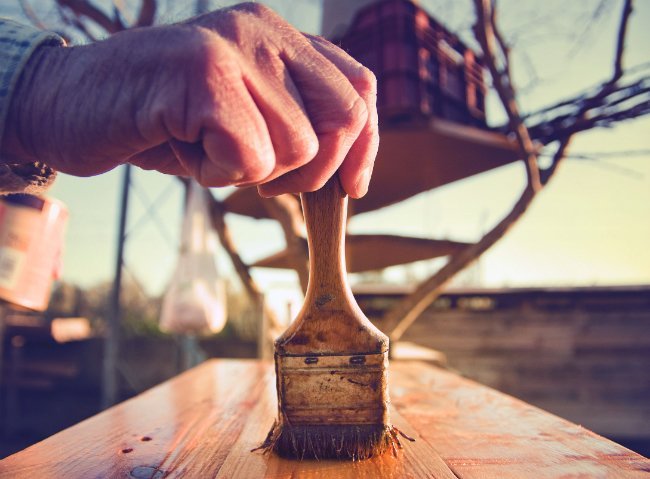
Several thin coats generally level and cure better than one heroic flood coat. Work with the grain, maintain a wet edge, and avoid repeatedly brushing areas that have started to set. Overbrushing can leave drag marks and disturb a film that was doing perfectly well until you decided to “fix” it for the seventh time.
Natural-bristle brushes are commonly used with oil-based coatings, while synthetic-bristle brushes are better suited to water-based products. Wipe-on and spray formulas are also available, but they should be used only according to their labels and with suitable ventilation and protective equipment.
4. Respect Drying and Curing Times
A finish that feels dry may not be fully cured. Drying allows handling or recoating; curing develops the film’s final hardness and chemical resistance. Heavy objects, rugs, hot dishes, water, and aggressive cleaning can damage a coating placed into service too soon.
Temperature, humidity, coat thickness, airflow, and product chemistry all influence timing. Use the manufacturer’s instructions rather than a universal timetable copied from an unrelated can.
5. Ventilate the Work Area
Many finishes release volatile organic compounds during application and drying. Increase ventilation, use the protective equipment specified on the label, keep products away from children and pets, and never improvise solvent mixtures. The U.S. Environmental Protection Agency recommends maximizing fresh air and following product precautions whenever VOC-emitting materials are used indoors.
Common Mistakes to Avoid
Applying an Interior Finish Outdoors
Interior products may lack the flexibility and UV-resistant additives needed outside. Sunlight and weather can quickly expose that mistake.
Applying the Next Coat Too Soon
Recoating before the previous layer is ready can trap solvents, produce cloudiness, create wrinkles, or leave the coating soft.
Using Thick Coats
Thick applications are more likely to sag, bubble, skin over, and cure unevenly. Thin coats require patience but usually require less sanding, swearing, and emergency internet searching.
Ignoring Compatibility
A new finish may not bond properly over wax, silicone polish, contamination, or an incompatible old coating. Clean, test, and lightly abrade the surface as directed. When changing from an oil-based stain to a water-based topcoator combining products from different systemsconfirm compatibility with the manufacturers.
Skipping the Sample Board
A test piece reveals color changes, sheen, grain raising, brush behavior, and compatibility before the entire project becomes the test piece.
Practical Workshop Experiences and Lessons
The differences between varnish and polyurethane become much easier to understand when viewed through typical project outcomes. Consider a solid oak dining table. It lives indoors, receives daily contact, and will eventually host hot coffee, dinner plates, homework, keys, and at least one beverage placed directly beside a perfectly good coaster. A satin polyurethane is usually the practical choice. It creates a washable, abrasion-resistant film, while the satin sheen disguises minor scratches better than a mirror-like gloss.
Now consider a stained mahogany entry door beneath a shallow porch roof. The door receives morning sun, wind-driven rain, and seasonal changes in humidity. A hard interior polyurethane might initially look impressive, but it is not designed for that exposure. A high-quality exterior spar varnish or exterior-rated urethane is the more appropriate system because it is formulated to tolerate sunlight, moisture, and wood movement. The lesson is simple: Do not choose a finish based only on how tough it feels after one week. Choose it based on the environment it must survive for years.
Another common experience occurs when finishing light-colored maple. A DIYer applies an oil-based polyurethane expecting a nearly invisible protective coat. The finish dries beautifullybut the pale maple now has a honey-colored cast. Nothing technically went wrong; the wrong visual effect was selected. A water-based polyurethane would have preserved the lighter color more faithfully. This is why testing on scrap wood is not optional busywork. It is a small preview of the future.
Application technique creates its own set of lessons. Beginners often assume that a thick coat offers more protection. In practice, thick coats are more likely to sag at edges, trap bubbles, and remain soft beneath the surface. Several thin coats provide better control. Light sanding between coats, when required by the label, removes dust nibs and creates a smoother final film. The process feels slower, but refinishing a lumpy tabletop is considerably slower.
Dust control also matters more than many first-time finishers expect. A workshop can look clean while still containing airborne sawdust. Sweeping immediately before applying the topcoat may launch a tiny wooden weather system that settles directly into the wet finish. Vacuum first, allow the air to settle, wipe the surface carefully, and keep unnecessary movement to a minimum while the coating levels.
Sheen selection offers another practical lesson. Gloss finishes can provide visual depth and are easier to wipe clean, but they highlight surface imperfections, brush marks, and scratches. Satin and semi-gloss products are often more forgiving on furniture and cabinets. The protective strength comes from the cured coating system, not simply from choosing the shiniest can on the shelf.
Outdoor maintenance provides the final and perhaps most expensive lesson. Owners often wait until exterior varnish is peeling before doing anything. At that stage, restoration may require extensive scraping and sanding. Inspecting the surface regularly and applying a maintenance coat while the existing finish is still sound can save substantial labor. Clear exterior finishes reward attention and punish denial with impressive efficiency.
Across these situations, successful finishing depends on matching the product to the project, preparing the surface carefully, applying controlled coats, and allowing full curing. The brand name on the can matters, but disciplined preparation matters more. Premium finish applied over wax, dust, or damp wood remains an expensive way to preserve a problem.
Final Verdict: Varnish or Polyurethane?
Choose polyurethane for most high-use interior wood surfaces. It provides excellent resistance to abrasion, stains, moisture, and routine household wear. Water-based polyurethane is ideal when you want quick drying, low odor, easy cleanup, and minimal color change. Oil-based polyurethane is a strong option when you prefer a warmer appearance and do not mind longer drying times.
Choose exterior or spar varnish when flexibility, weather exposure, and UV resistance are more important than maximum surface hardness. It is especially useful for exterior doors, outdoor furniture, and decorative woodwork where a rich, traditional appearance is desired.
Whichever finish you select, buy a formula specifically rated for the surface and environment. Prepare carefully, apply thin coats, provide ventilation, and let the finish cure completely. Wood finishing is not particularly difficult; it simply has a strict policy against rushing.
Note: Product chemistry, application temperatures, recoat intervals, cure times, and approved uses vary by manufacturer and may change when formulas are updated. Always follow the current label and safety data for the exact product being used.

