
Beauty Unlocked
28 Best Healthy Snacks for Kids
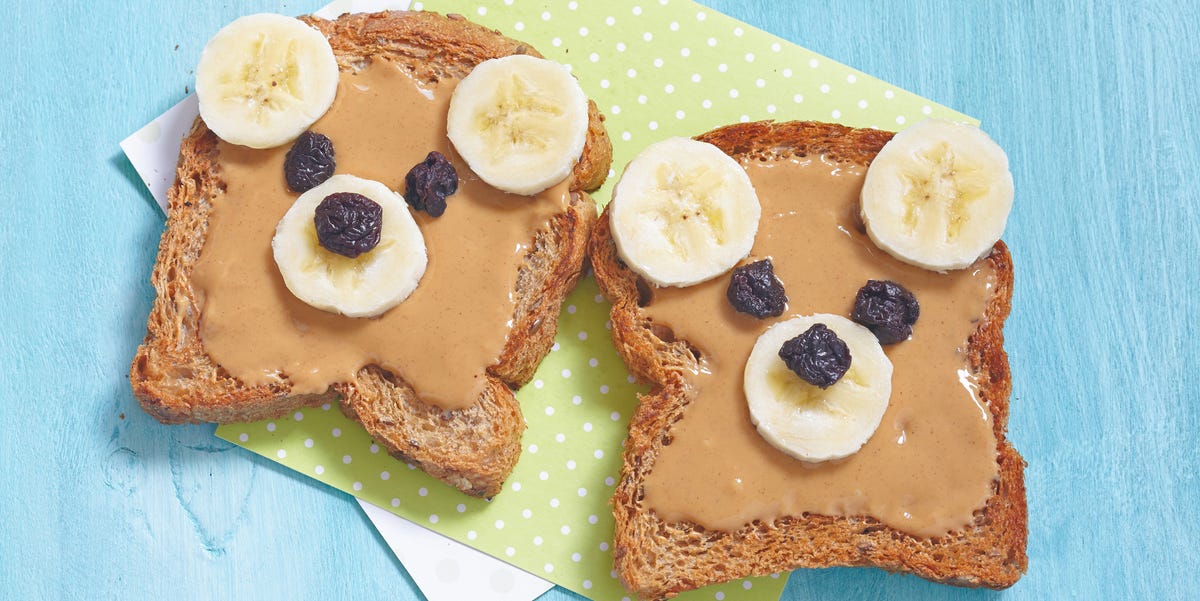
Jun
Finding the best healthy snacks for kids can feel like running a tiny restaurant where the customers are adorable, brutally honest, and suddenly allergic to foods they loved yesterday. One day, apples are “the best thing ever.” The next day, apples are apparently a personal insult. Welcome to parenting, where snack time is both a nutrition opportunity and a negotiation sport.
The good news? Healthy snacks do not have to be complicated, expensive, or shaped like cartoon animals carved by a professional fruit sculptor. A great kid-friendly snack usually does three things: it provides steady energy, includes real nutrients, and is easy enough to make when everyone is hungry right now. Think fruits, vegetables, whole grains, protein foods, dairy or fortified alternatives, and healthy fats. When those show up in simple combinations, snack time becomes more than “something to stop the whining.” It becomes a smart bridge between meals.
This guide shares 28 healthy snack ideas for kids that are practical for school lunches, after-school hunger, road trips, playdates, and those mysterious five minutes before dinner when every child suddenly becomes a starving raccoon. You will also find tips on portioning, picky eaters, food safety, and real-life snack experience from families who have learned that the best snack is the one kids actually eat.
What Makes a Snack Healthy for Kids?
A healthy snack for kids should not be just “low calorie” or “organic-looking.” Children need energy for growth, learning, sports, play, and dramatic hallway performances. The best snacks usually combine at least two food groups, such as fruit with protein, vegetables with hummus, or whole grains with cheese. This kind of balance helps kids feel full longer and avoids the quick sugar spike-and-crash routine that turns the living room into a tiny thunderstorm.
A simple snack formula
Use this easy formula: fiber plus protein or healthy fat. Fiber comes from fruit, vegetables, beans, oats, and whole grains. Protein and healthy fats come from foods like yogurt, eggs, cheese, nut or seed butter, hummus, tuna, beans, and avocado. Together, they make snacks more satisfying.
Watch added sugar and sodium
Many packaged snacks marketed to children look cheerful but are basically dessert wearing a backpack. Choose options with less added sugar, lower sodium, and recognizable ingredients when possible. That does not mean your child can never have cookies or chips. It simply means everyday snacks should do some nutritional work.
28 Best Healthy Snacks for Kids
1. Apple Slices with Peanut Butter or Sunflower Butter
Crunchy apple slices paired with peanut butter, almond butter, or sunflower seed butter make a classic healthy snack. Apples bring fiber and natural sweetness, while the spread adds protein and healthy fat. For younger kids, slice apples thinly and spread the nut or seed butter lightly to reduce choking risk. A sprinkle of cinnamon makes it taste like apple pie’s responsible cousin.
2. Greek Yogurt with Berries
Plain Greek yogurt is rich in protein, and berries add color, fiber, and natural sweetness. If plain yogurt is too tangy for your child, stir in mashed banana or a small drizzle of honey for children over age one. Layer it in a small cup and call it a parfait. Kids love fancy names, especially when spoons are involved.
3. Carrot Sticks with Hummus
Carrots and hummus are a snack-time power couple. Carrots are crunchy and colorful, while hummus provides plant-based protein, fiber, and healthy fats from chickpeas and tahini. For younger children, serve cooked carrot sticks or very thin soft strips instead of hard raw chunks.
4. Whole-Grain Crackers with Cheese
Whole-grain crackers and cheese are easy, portable, and satisfying. The crackers provide carbohydrates and fiber, while cheese offers protein and calcium. Choose lower-sodium crackers when possible and pair with fruit for a more complete snack.
5. Banana “Sushi”
Spread peanut butter, almond butter, or sunflower butter on a whole-grain tortilla, place a banana inside, roll it up, and slice into small rounds. This snack looks fun, tastes sweet, and delivers carbohydrates, fiber, and protein. It is also less messy than actual sushi, unless your child decides to wear it as a bracelet.
6. Hard-Boiled Eggs
Hard-boiled eggs are one of the simplest protein-rich snacks. They are easy to prepare ahead and store in the refrigerator. Serve with whole-grain toast, fruit, or cucumber slices. For kids who reject plain eggs, try slicing them and adding a tiny sprinkle of paprika or everything seasoning.
7. Cottage Cheese with Peaches or Pineapple
Cottage cheese is high in protein and pairs beautifully with fruit. Choose fruit packed in its own juice or fresh fruit when available. The creamy-sweet combination is great for kids who like soft textures. If cottage cheese looks suspicious to them, blend it until smooth and serve it like a dip.
8. Homemade Trail Mix
Make a kid-friendly trail mix with whole-grain cereal, unsweetened dried fruit, pumpkin seeds, and a few mini dark chocolate chips if desired. For younger children, avoid whole nuts and large hard pieces because they can be choking hazards. Trail mix is excellent for older kids, hikes, sports bags, and emergency purse snacks.
9. Cucumber Rounds with Cream Cheese
Cucumber rounds topped with cream cheese or a yogurt-based spread are cool, crunchy, and hydrating. Add a small piece of turkey or a sprinkle of dill for extra flavor. This snack is especially refreshing in warm weather or after outdoor play.
10. Smoothies with Fruit and Yogurt
A smoothie can be a smart snack when it is built from whole foods. Blend plain yogurt, frozen berries, banana, and milk or a fortified dairy alternative. Add spinach if your child accepts green smoothies, but do not act suspicious while doing it. Kids can smell parental trickery from across the kitchen.
11. Avocado Toast Bites
Mash avocado on whole-grain toast and cut it into small squares. Avocado offers healthy fats, while whole-grain bread adds fiber. A squeeze of lemon keeps it bright, and a tiny pinch of seasoning adds flavor. For toddlers, keep the toast soft and easy to chew.
12. Mini Turkey and Cheese Roll-Ups
Roll low-sodium turkey slices with cheese and serve with fruit or whole-grain crackers. This snack is protein-rich and quick to assemble. Look for deli meats with less sodium, or use leftover roasted chicken or turkey when possible.
13. Popcorn with a Light Sprinkle of Parmesan
Air-popped popcorn can be a whole-grain snack for older kids. Add a light sprinkle of Parmesan cheese or nutritional yeast for flavor. Important note: popcorn is not recommended for toddlers because it can be a choking risk. For older children, keep portions reasonable and skip heavy butter.
14. Celery with Nut Butter and Raisins
This classic “ants on a log” snack has survived generations for a reason. Celery adds crunch, nut or seed butter adds protein and fat, and raisins bring sweetness. For younger kids, cut celery into thin, manageable pieces and spread the butter smoothly rather than leaving thick globs.
15. Roasted Chickpeas
Roasted chickpeas are crunchy, savory, and full of fiber and plant protein. Toss drained chickpeas with a little olive oil and mild seasoning, then bake until crisp. They are best for older kids who can chew crunchy foods safely. Try flavors like cinnamon, garlic powder, or mild ranch-style seasoning.
16. Oatmeal Energy Bites
Mix oats, nut or seed butter, ground flaxseed, and a little honey or mashed banana. Roll into small balls and refrigerate. These no-bake bites are easy to customize with raisins, chopped dried fruit, or coconut. They are sweet enough to feel like a treat but more nourishing than a candy bar in disguise.
17. Sliced Bell Peppers with Guacamole
Bell peppers are colorful, crisp, and naturally sweet. Pair them with guacamole for healthy fats and a creamy dip kids can scoop. Red, yellow, and orange peppers are often more appealing to children because they taste sweeter than green ones.
18. Whole-Grain Mini Pita with Hummus
Stuff a small whole-grain pita with hummus, shredded carrots, cucumber slices, or spinach. Cut into wedges for smaller hands. This is a great lunchbox snack because it feels like a mini sandwich but brings fiber and plant-based protein.
19. Frozen Grapes or Blueberries
Frozen fruit can feel like dessert without added sugar. Grapes must be cut lengthwise for younger children to reduce choking risk. Blueberries are another easy option, especially for kids who enjoy cold, poppable snacks. Serve in small portions because frozen fruit can be very firm.
20. Tuna on Whole-Grain Crackers
Tuna mixed with plain Greek yogurt or avocado makes a protein-rich topping for whole-grain crackers. Add finely diced celery for crunch. This snack works well for older kids and teens, especially after sports or school. Use light tuna and keep portions moderate.
21. Edamame
Edamame is fun to eat and packed with plant protein and fiber. Serve shelled edamame for younger kids and lightly sprinkle with a small amount of seasoning. It is a smart alternative when kids want something salty but you want something more nutritious than chips.
22. Cheese Stick with Mandarin Orange
A cheese stick and a mandarin orange make a simple, balanced snack that requires almost no prep. The cheese provides protein and calcium, while the fruit adds vitamin C and sweetness. This is one of the best healthy snacks for busy school mornings because it can be grabbed in ten seconds flat.
23. Whole-Grain Waffle Strips with Yogurt Dip
Toast a whole-grain waffle, cut it into strips, and serve with plain yogurt mixed with cinnamon or mashed berries. It feels like breakfast-for-snack, which is very exciting if you are under twelve or simply enjoy happiness.
24. Sweet Potato Toast
Slice sweet potato lengthwise, bake or toast until tender, and top with avocado, yogurt, nut butter, or cottage cheese. Sweet potatoes offer fiber and natural sweetness. Prepare slices ahead and reheat for quick snacks during the week.
25. Mini Caprese Skewers
For older kids, thread cherry tomato halves, mozzarella balls, and basil onto small skewers or toothpicks. Drizzle lightly with olive oil or balsamic glaze. For younger children, skip the skewer and serve everything cut into safe, bite-sized pieces.
26. Unsweetened Applesauce with Whole-Grain Cereal
Unsweetened applesauce is convenient and kid-approved. Pair it with a small handful of whole-grain cereal for crunch. Choose cereals lower in added sugar and higher in fiber. This snack is lunchbox-friendly and easy for daycare or after-school programs.
27. Veggie Muffins
Homemade muffins made with oats, whole-wheat flour, grated zucchini, carrots, pumpkin, or banana can be a great snack. Keep sugar modest and add protein with Greek yogurt, eggs, or nut butter. Bake a batch and freeze extras for future snack emergencies.
28. Fruit Kabobs with Yogurt Dip
Fruit kabobs turn basic fruit into an event. Use strawberries, melon, banana slices, grapes cut safely, pineapple, or apple chunks. Serve with yogurt dip for protein. For younger kids, place fruit pieces in a bowl instead of using skewers. Same nutrition, fewer sword-fighting opportunities.
Healthy Snack Tips for Picky Eaters
Picky eating is normal, but snack time can gently expand a child’s comfort zone. The trick is to avoid turning every snack into a dramatic food courtroom. Offer one familiar food with one new or less-loved food. For example, serve crackers your child likes with a small scoop of hummus, or pair favorite berries with plain yogurt.
Kids are also more likely to try foods they help choose or prepare. Let them rinse grapes, stir yogurt, arrange cucumber slices, or pick between carrots and bell peppers. This gives them a sense of control without turning you into a short-order cook.
Use dips wisely
Dips can make vegetables more exciting. Hummus, guacamole, yogurt ranch, cottage cheese dip, and nut or seed butter can help hesitant eaters explore new textures. A broccoli floret is more interesting when it can go swimming.
Repeat without pressure
Children may need to see a food many times before trying it. Keep offering small portions without forcing bites. Pressure can backfire, while calm repetition builds familiarity. Think of it as snack marketing, not snack combat.
Snack Safety and Portion Tips
Healthy snacks should also be safe snacks. Young children can choke on foods like whole grapes, popcorn, hard raw carrots, nuts, seeds, chunks of nut butter, and round slices of hot dog. Cut grapes lengthwise, cook hard vegetables until soft, spread nut butter thinly, and choose age-appropriate textures.
Portions matter, too. A snack should take the edge off hunger, not replace dinner by accident. For younger kids, start small: a few apple slices with peanut butter, half a yogurt cup with berries, or a small handful of crackers with cheese. Older kids and active teens may need more, especially after sports.
How to Build a Kid-Friendly Snack Station
A snack station can save your sanity. Keep washed fruit, cut vegetables, cheese sticks, yogurt cups, hummus, hard-boiled eggs, and whole-grain crackers easy to reach. Use clear containers so kids can see what is available. When healthy snacks are convenient, they become the default choice instead of the forgotten bag of neon-orange crunch dust.
Refrigerator ideas
Stock the fridge with yogurt, cottage cheese, sliced cucumbers, berries, grapes cut safely, boiled eggs, hummus, guacamole, cheese sticks, and small containers of leftovers that work as mini snacks.
Pantry ideas
Keep whole-grain crackers, oats, unsweetened applesauce, low-sugar cereal, shelf-stable tuna packets, roasted chickpeas, and dried fruit in reasonable portions. If your child has access to snacks independently, pre-portioning helps avoid the “I accidentally ate six servings” situation.
Best Healthy Snacks for School Lunches
School snacks should be easy to pack, not too messy, and safe at room temperature or packed with an ice pack when needed. Good options include cheese sticks with fruit, whole-grain crackers, unsweetened applesauce, yogurt with berries, mini pita with hummus, veggie muffins, or sliced vegetables with dip.
Always check school rules about nuts and allergens. If nuts are not allowed, use sunflower seed butter, hummus, yogurt dip, or cheese as protein-rich alternatives.
Best After-School Snacks for Energy
After school, kids often need something more filling than fruit alone, especially if dinner is still an hour or two away. Try Greek yogurt with berries, turkey roll-ups, avocado toast bites, smoothies, hard-boiled eggs, or whole-grain waffles with yogurt dip. These snacks combine carbohydrates with protein or healthy fats, which helps keep energy steady for homework, sports, and backyard adventures.
of Real-Life Snack Experience: What Actually Works
In real life, the best healthy snacks for kids are not always the prettiest ones. Social media may show rainbow lunchboxes with cucumber stars and sandwiches shaped like woodland creatures, but many families are operating on a different level: “Can I make this before someone starts crying?” That is why simple snack systems matter more than perfect snack art.
One of the most useful experiences parents share is that kids eat more fruits and vegetables when they are already washed, cut, and visible. A whole cucumber sitting in the drawer may as well be a museum artifact. But cucumber rounds in a clear container? Suddenly, they are snackable. The same goes for berries, melon cubes, bell pepper strips, and apple slices. Convenience is powerful. Children often choose what is easiest, not necessarily what is sweetest.
Another helpful lesson is that pairing foods makes snacks more satisfying. A banana alone may disappear quickly and leave a child hungry again in thirty minutes. A banana with peanut butter or yogurt has more staying power. Crackers alone can become a crunchy bottomless pit. Crackers with cheese, hummus, or tuna feel more like a real snack. Once families learn the “carb plus protein or fat” rhythm, snack planning becomes much easier.
Picky eaters also tend to respond better to choice than pressure. Instead of asking, “Do you want vegetables?” try asking, “Do you want carrots with hummus or cucumbers with yogurt dip?” The child still gets a say, but both choices are useful. This small shift can reduce battles. Kids like control, and parents like not negotiating with a four-year-old over the emotional meaning of broccoli.
Texture matters, too. Some children reject foods not because of flavor but because of crunch, mushiness, temperature, or smell. A child who dislikes raw carrots may like roasted carrot coins. A child who refuses yogurt may enjoy it frozen into small bites. A child who says avocado is “too squishy” may accept it spread thinly on toast. Experimenting with texture is often more successful than forcing the same version repeatedly.
Families also learn that snacks need boundaries. Grazing all afternoon can make kids less interested in dinner and more likely to request snacks out of boredom. A predictable routine helps: one snack after school, water available anytime, and the kitchen “closed” close to dinner. This does not need to be strict or dramatic. It just creates a rhythm children can understand.
Finally, healthy snacking works best when adults model it without making a big speech. When kids see parents eating apple slices with peanut butter, carrots with hummus, or yogurt with berries, those foods become normal. No lecture required. Children may not copy everything immediately, but they notice. And sometimes, after weeks of ignoring the bell peppers, they suddenly eat three strips and act like it was their idea all along. Let them. Parenting victories do not always need a parade; sometimes they look like an empty snack plate.
Conclusion
The 28 best healthy snacks for kids are not about perfection. They are about making nutritious foods easy, appealing, and realistic for busy family life. Fruits, vegetables, whole grains, dairy or fortified alternatives, protein foods, and healthy fats can become simple snacks kids actually enjoy. Whether you are packing a lunchbox, feeding a post-practice athlete, or preventing a pre-dinner meltdown, balanced snacks help children stay fueled and focused.
Start with a few reliable favorites, prepare ingredients ahead, and keep portions age-appropriate. Add variety slowly, invite kids to help, and remember that repeated exposure works better than pressure. A healthy snack does not need glitter, drama, or a tiny umbrella. It just needs to be tasty, nourishing, and available when hunger shows up wearing a backpack.

