
Hair Care
Should You Be Marinating Your Hot Dogs?
Jun
Hot dogs are already the low-maintenance legends of the cookout world. They show up fully cooked, require almost no prep, and somehow still manage to make adults gather around a grill like it is a fireworks show. But lately, one question has been sizzling across backyard conversations and recipe corners of the internet: should you be marinating your hot dogs?
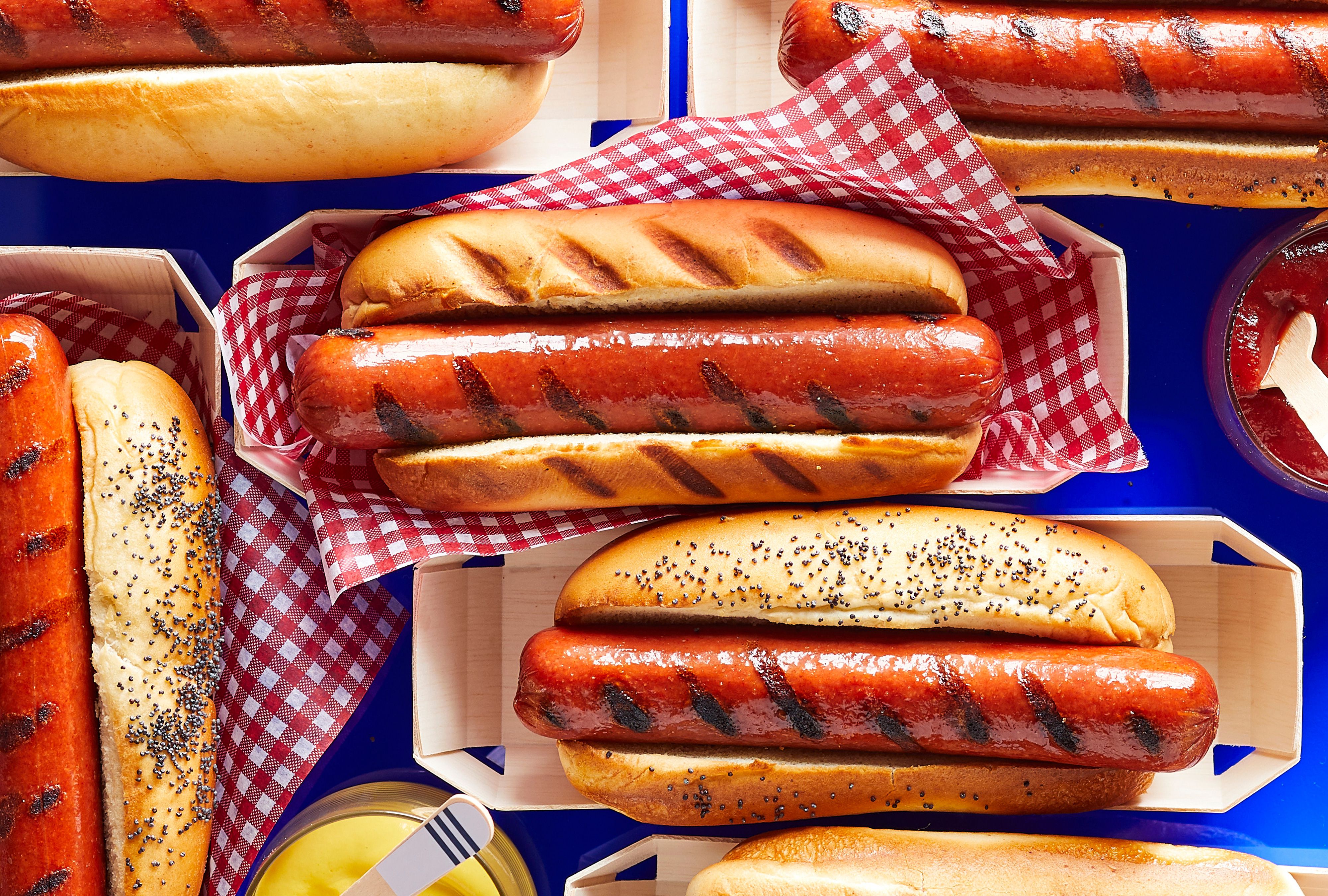
The short answer is yes, you can marinate hot dogsand in the right situation, you absolutely should. A good hot dog marinade can add smoky, tangy, sweet, spicy, or savory flavor to the outside of the frank, especially when you score the surface before grilling. However, marinating hot dogs is not exactly the same as marinating steak, chicken, or pork. Hot dogs are already seasoned, cured, and cooked, so the goal is not tenderizing. It is flavor-building. Think of it less like a spa day for meat and more like giving your hot dog a stylish jacket before it steps onto the grill.
In this guide, we will break down what marinating actually does, when it makes sense, what ingredients work best, how long to marinate hot dogs, and how to grill them so they come out juicy instead of wrinkled like they spent the afternoon worrying about taxes.
What Does Marinating Do to a Hot Dog?
A marinade usually serves three purposes: flavoring, tenderizing, and moisture enhancement. With hot dogs, the tenderizing part is mostly unnecessary. Unlike a tough cut of meat, a hot dog is already processed into a soft, uniform texture. It does not need acid or enzymes to break down muscle fibers because, well, it no longer has the structure of a steak or chop.
What a marinade can do is coat the surface with extra flavor. Ingredients like mustard, Worcestershire sauce, soy sauce, garlic, onion powder, barbecue sauce, hot sauce, pickle juice, brown sugar, honey, vinegar, or beer can cling to the hot dog and caramelize during grilling. The result can be a deeper, more complex bite: salty, smoky, glossy, lightly charred, and more interesting than a plain frank straight from the package.
The most important word here is surface. Hot dogs have a casing or exterior layer that limits deep absorption. If you drop whole hot dogs into a marinade and expect the center to taste like garlic-mustard barbecue magic, disappointment may arrive wearing a tiny apron. But if you make shallow cuts or score the hot dogs first, the marinade has more places to settle. Those little grooves also crisp beautifully on the grill.
So, Should You Marinate Hot Dogs?
You should marinate hot dogs if you want a bigger, bolder flavor and plan to grill, broil, or pan-sear them. Marinating is especially useful when you are serving basic supermarket hot dogs and want them to taste more special without buying a cart, a uniform, and a corner in Manhattan.
However, you do not need to marinate premium natural-casing hot dogs every time. High-quality beef franks already have strong seasoning, smoke, snap, and fat balance. In that case, a marinade may compete with the original flavor. For a great natural-casing hot dog, a hot grill, a toasted bun, and sharp mustard may be all the drama you need.
Marinate Hot Dogs When:
- You want a cookout recipe that feels different but still easy.
- You are using basic hot dogs and want to upgrade the flavor.
- You plan to grill them and want caramelized edges.
- You enjoy sweet, smoky, tangy, or spicy barbecue-style flavors.
- You are feeding a crowd and want the hot dogs to taste seasoned before toppings even arrive.
Skip the Marinade When:
- You are using very salty hot dogs and do not want extra sodium.
- You prefer the classic ballpark flavor.
- You are boiling or steaming hot dogs, where a marinade will mostly wash away.
- You have natural-casing franks with excellent flavor already.
- You are short on time and just want dinner without turning hot dogs into a committee meeting.
The Best Hot Dogs for Marinating
The best hot dogs for marinating are skinless beef hot dogs, pork-and-beef franks, or budget-friendly hot dogs that benefit from extra flavor. Skinless hot dogs are especially good candidates because shallow cuts open up the surface and allow the marinade to cling.
Natural-casing hot dogs can also be marinated, but you need to be gentler. Their charm is the snap, and aggressive scoring can cause them to split. For natural-casing franks, use a shorter marinade time and fewer cuts, or simply brush the marinade on during the final minutes of grilling.
Turkey, chicken, and plant-based hot dogs can also work with marinades, but they vary widely by brand. Leaner hot dogs may dry out faster, so avoid long, high-heat grilling. Plant-based dogs often respond well to smoky, salty marinades because they can benefit from extra umami.
How Long Should You Marinate Hot Dogs?
Hot dogs do not need hours and hours in a marinade. In most cases, 30 minutes to 2 hours is enough. If the marinade is very salty or acidic, keep the time closer to 30 minutes. If it is mostly barbecue sauce, mustard, spices, and a little sweetness, 1 to 2 hours can work nicely.
Overnight marinating is possible, but it is not always better. A long soak can make the outside too salty or too soft, especially if the marinade contains soy sauce, vinegar, pickle brine, or bottled dressing. Hot dogs are already seasoned, so treat the marinade like a flavor boost, not a full personality transplant.
How to Marinate Hot Dogs the Right Way
The best method is simple: score, marinate, grill, and finish with toppings. Here is a practical approach that works for backyard grilling, tailgates, weeknight dinners, and those moments when you stare into the fridge and decide hot dogs deserve a glow-up.
Step 1: Score the Hot Dogs
Use a small knife to make shallow diagonal cuts along each hot dog. Do not cut too deeply; you want grooves, not hot dog confetti. The slits help the marinade sit on the surface and create more crispy edges during cooking.
Step 2: Mix a Balanced Marinade
A good hot dog marinade should balance salt, acid, sweetness, and savory depth. You can use Worcestershire sauce for umami, mustard for sharpness, brown sugar or honey for caramelization, vinegar or pickle juice for tang, and garlic or onion powder for classic cookout flavor.
Step 3: Refrigerate While Marinating
Always marinate hot dogs in the refrigerator, not on the counter. Even though hot dogs are typically sold fully cooked, food should still be handled safely. Keep them chilled until it is time to cook, especially during warm-weather cookouts.
Step 4: Grill Over Medium to Medium-High Heat
Grill the hot dogs until the outside is browned, lightly blistered, and heated through. Turn frequently so the sugars in the marinade do not burn. If your marinade contains a lot of honey, brown sugar, or barbecue sauce, keep a close eye on the grill. Sweet marinades can go from caramelized to “who invited the smoke alarm?” very quickly.
Step 5: Toast the Buns
A marinated hot dog deserves a toasted bun. This is not optional if you are pursuing greatness. A warm, lightly crisp bun keeps sauces from soaking in too fast and adds texture to every bite.
Easy Hot Dog Marinade Recipe
Here is a flexible marinade that works with beef, pork, turkey, chicken, or plant-based hot dogs.
Ingredients
- 8 hot dogs
- 3 tablespoons Worcestershire sauce
- 2 tablespoons yellow mustard or Dijon mustard
- 2 tablespoons ketchup or chili sauce
- 1 tablespoon brown sugar or honey
- 1 tablespoon apple cider vinegar or pickle juice
- 1 teaspoon garlic powder
- 1 teaspoon onion powder
- 1/2 teaspoon smoked paprika
- 1/4 teaspoon black pepper
- Optional: 1 teaspoon hot sauce
Instructions
- Score each hot dog with shallow diagonal cuts.
- Whisk the marinade ingredients in a bowl.
- Place the hot dogs in a zip-top bag or shallow container.
- Pour the marinade over the hot dogs and turn to coat.
- Refrigerate for 30 minutes to 2 hours.
- Grill over medium to medium-high heat, turning often, until browned and heated through.
- Serve in toasted buns with your favorite toppings.
Best Marinade Flavor Ideas for Hot Dogs
The beauty of marinated hot dogs is that they can lean into almost any flavor profile. Since hot dogs are already salty and savory, the best marinades add contrast rather than simply piling on more salt.
1. Ballpark Mustard Marinade
Mix yellow mustard, Worcestershire sauce, onion powder, garlic powder, and a touch of brown sugar. This keeps the classic hot dog identity but makes it louder, like a stadium announcer with better seasoning.
2. BBQ Smokehouse Marinade
Use barbecue sauce, apple cider vinegar, smoked paprika, black pepper, and a little hot sauce. This works especially well for grilled hot dogs served with coleslaw, pickled onions, or crispy fried onions.
3. Spicy Honey Mustard Marinade
Combine Dijon mustard, honey, cayenne, garlic powder, and a splash of vinegar. The honey helps the hot dogs caramelize, while the mustard cuts through the richness.
4. Pickle-Brined Hot Dogs
For a tangy twist, use pickle juice, mustard, dill, garlic powder, and black pepper. Keep the soak short because pickle juice is salty. These are excellent with chopped pickles, mustard, and a soft potato bun.
5. Asian-Inspired Umami Marinade
Try soy sauce, rice vinegar, sesame oil, garlic, ginger, and a little brown sugar. Serve with scallions, sriracha mayo, or quick cucumber relish. Use a light hand with soy sauce because hot dogs already bring plenty of salt to the party.
Food Safety Tips for Marinating Hot Dogs
Because hot dogs are usually fully cooked, people sometimes get casual with handling them. Do not. Food safety still matters, especially at outdoor gatherings where food sits near sunshine, picnic tables, and someone’s uncle explaining the “right” way to light charcoal.
Keep hot dogs refrigerated until you are ready to cook. Marinate them in the refrigerator, not at room temperature. If you use a marinade only on fully cooked hot dogs, the risk is lower than with raw meat, but safe handling is still smart. If a marinade has touched raw meat, poultry, or seafood, do not reuse it on cooked hot dogs unless it has been boiled first. Better yet, reserve a fresh portion for basting or serving.
Hot dogs should be heated until steaming hot, especially for children, older adults, pregnant people, or anyone with a weakened immune system. Once cooked, do not let them sit outside for hours. Serve them hot, refrigerate leftovers promptly, and remember that “it still looks fine” is not a food-safety plan.
Do Marinated Hot Dogs Taste Better?
They can, especially if you like bold flavors. A marinated hot dog tastes more layered than a plain grilled hot dog. You get the familiar salty snap of the frank, plus tang, sweetness, spice, smoke, or umami from the marinade. The scored edges caramelize and crisp, creating little pockets of flavor.
That said, better is subjective. Some people want their hot dog to taste like childhood: mustard, ketchup, relish, maybe onions, and absolutely no culinary plot twist. Others enjoy experimenting. If your cookout crowd likes barbecue ribs, loaded burgers, spicy wings, or anything glazed and grilled, marinated hot dogs will probably disappear fast.
Common Mistakes to Avoid
Using Too Much Salt
Hot dogs are already salty. Be careful with soy sauce, steak sauce, bottled marinades, pickle juice, and seasoning blends. A salty marinade can quickly turn a fun cookout recipe into a sodium cannon in a bun.
Marinating Too Long
Longer is not always better. A short soak gives flavor without making the exterior mushy or overpowering the hot dog.
Grilling Over Heat That Is Too High
High heat can split hot dogs, burn sugary marinades, and dry out leaner varieties. Medium to medium-high heat gives better control.
Skipping the Scoring
If you do not score the hot dogs, much of the marinade stays on the outside and may drip off. Shallow cuts create more surface area and better browning.
Forgetting the Bun
A cold bun can ruin a hot dog’s big moment. Toast it lightly and let the texture do its job.
Best Toppings for Marinated Hot Dogs
Because marinated hot dogs already carry extra flavor, toppings should complement rather than bury them. For a mustard-based marinade, try sauerkraut, diced onions, relish, or celery salt. For a barbecue marinade, add slaw, crispy onions, jalapeños, or pickled red onions. For a spicy-sweet marinade, use cooling toppings like cucumber relish, ranch slaw, or a drizzle of mayo-based sauce.
Avoid piling on too many heavy toppings at once. Chili, cheese, bacon, slaw, onions, jalapeños, and three sauces may sound exciting, but at some point you are no longer eating a hot dog. You are operating a small construction project.
Are Marinated Hot Dogs Healthy?
Marinating does not magically turn hot dogs into salad. Hot dogs are processed meat and can be high in sodium, saturated fat, and preservatives, depending on the brand. A marinade can also add sugar and salt. For a more balanced meal, choose lower-sodium hot dogs, consider turkey or plant-based options if you like them, use a modest amount of marinade, and serve with vegetables, fruit, or a lighter side.
Hot dogs are best enjoyed as an occasional cookout food, not the foundation of an entire meal plan. In other words, love the hot dog, but maybe do not ask it to be your nutrition coach.
of Real-Life Style Experience: What Happens When You Actually Marinate Hot Dogs?
The first time you marinate hot dogs, it may feel slightly unnecessary, like ironing a T-shirt before mowing the lawn. Hot dogs are supposed to be easy. Open package, apply heat, place in bun, negotiate toppings. But once you try a properly marinated and grilled hot dog, the idea starts to make sense.
The biggest difference is aroma. Plain hot dogs smell good on the grill, but marinated hot dogs smell like someone planned ahead. When Worcestershire sauce, mustard, garlic, and brown sugar hit the heat, the surface gets glossy and savory. The scored cuts open slightly, the edges darken, and the hot dogs begin to look less like a backup food and more like the main event.
Texture improves too. The shallow cuts create more browned edges, especially on skinless hot dogs. Instead of one smooth surface, you get ridges that crisp and catch sauce. This makes every bite more interesting. It is still a hot dogthankfully, nobody is trying to turn it into a seven-course tasting menubut it has more character.
In my experience, the best results come from short marinades. Around 45 minutes seems to be a sweet spot. The hot dogs pick up flavor without becoming too salty. A marinade with mustard, Worcestershire sauce, a little ketchup or chili sauce, brown sugar, garlic powder, and smoked paprika gives the most crowd-friendly result. It tastes familiar enough for traditional hot dog fans but different enough for people to ask, “What did you do to these?” That question is the cookout version of applause.
One thing to watch is sugar. Sweet marinades can burn quickly, especially over very hot flames. The trick is to grill with attention. Turn the hot dogs often and move them away from flare-ups. If you are using a charcoal grill, place them over a moderately hot area rather than directly over the most aggressive part of the fire. If you are using a gas grill, medium to medium-high heat is easier to manage.
Another practical lesson: do not overcomplicate the toppings. A marinated hot dog already has flavor built in. If you add chili, cheese, bacon, relish, onions, mustard, ketchup, and crushed chips, you may lose the marinade entirely. Simple toppings work better. For a barbecue-style marinade, coleslaw and pickled onions are excellent. For a mustard marinade, diced onion and relish are enough. For a spicy marinade, a creamy sauce helps balance the heat.
Marinating hot dogs is especially useful when feeding a group. You can prep them in advance, keep them chilled, and grill when guests arrive. They feel more thoughtful than ordinary hot dogs but still cost less and take less effort than burgers, ribs, or kebabs. That makes them perfect for casual summer parties, tailgates, camping meals, or weeknight dinners when you want something fun without turning the kitchen into a disaster zone.
The final verdict from experience: marinated hot dogs are not mandatory, but they are absolutely worth trying. They are easy, customizable, and surprisingly satisfying. If classic hot dogs are the reliable friend who always shows up, marinated hot dogs are that same friend arriving in sunglasses with a playlist and a very confident entrance.
Conclusion: Should You Be Marinating Your Hot Dogs?
Yes, you should marinate hot dogs when you want extra flavor, better browning, and a cookout dish that feels just a little more exciting. The key is to keep it simple. Score the hot dogs, use a balanced marinade, refrigerate them safely, avoid soaking too long, and grill with care. Marinating will not replace the nostalgic charm of a classic ballpark dog, but it can turn an ordinary package of franks into something memorable.
For the best results, choose a marinade that matches your toppings. Mustard and Worcestershire pair well with onions and relish. Barbecue-style marinades love slaw and pickles. Spicy-sweet marinades work beautifully with creamy sauces and toasted buns. Whether you are cooking for a backyard crowd or just trying to make Tuesday dinner less boring, marinated hot dogs prove that even the simplest foods can still surprise you.
Note: This article is written in standard American English for web publishing and is based on real cooking methods, food-safety guidance, and practical grilling examples.

