
Hair Care
Chia Seeds and Acid Reflux: Benefits and Tips for Better Digestion
Jun
“`
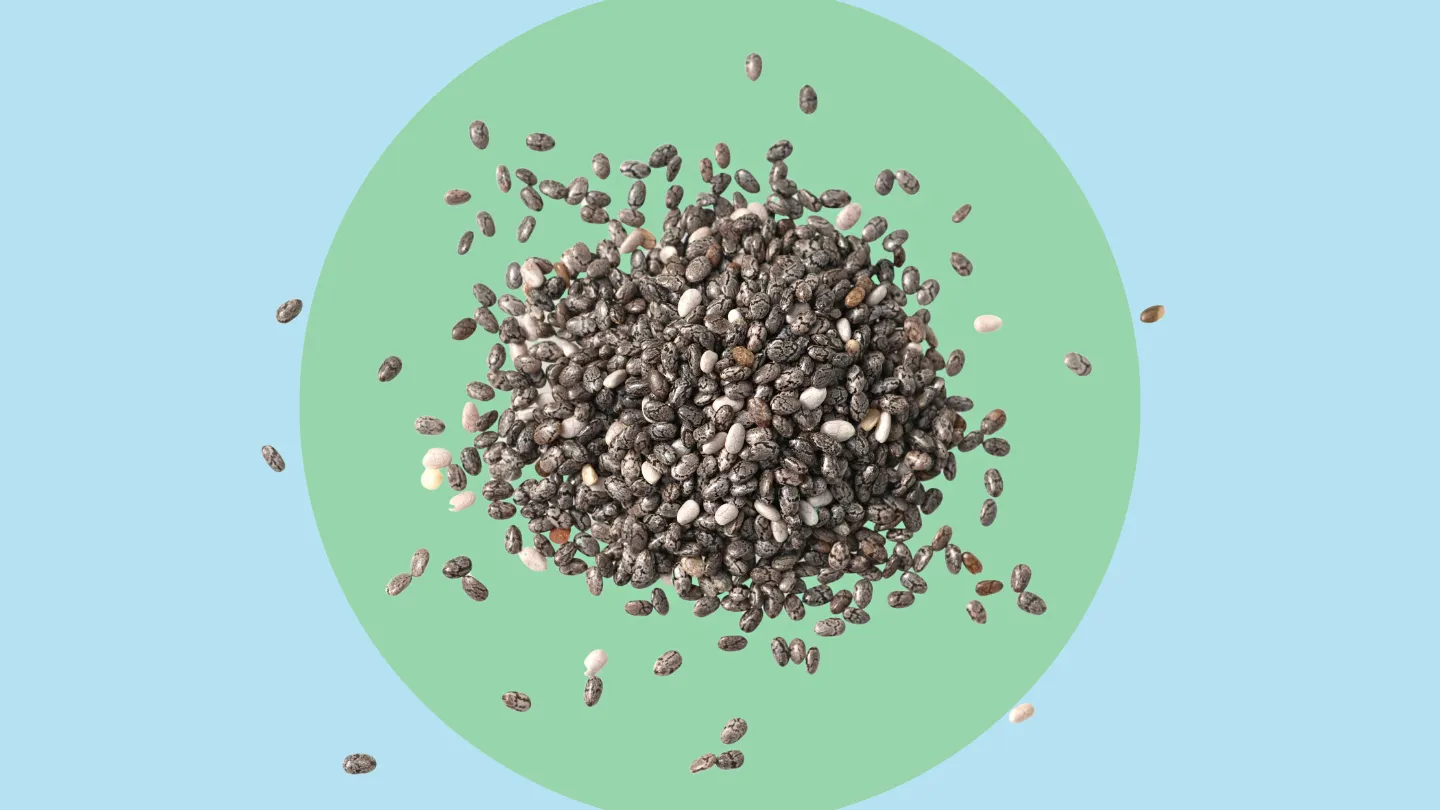
Chia seeds may be tiny, but they behave like overachievers at a group project: small, quiet, and suddenly doing most of the work. These little black and white seeds are packed with fiber, plant-based omega-3 fats, protein, minerals, and antioxidants. Because of their gel-forming texture, many people wonder whether chia seeds can help with acid reflux, heartburn, bloating, and overall digestion.
The honest answer is: chia seeds can be helpful for some people with acid reflux, but they are not a magical fire extinguisher for heartburn. Acid reflux happens when stomach contents flow back toward the esophagus, often causing burning, sour taste, burping, chest discomfort, or a lump-in-the-throat feeling. A reflux-friendly diet usually focuses on smaller meals, less fat, fewer personal trigger foods, better meal timing, and enough fiber. Chia seeds fit nicely into that plan when used wisely.
The key phrase is “used wisely.” A spoonful of dry chia seeds chased with a tiny sip of water is not wellness; it is a digestive prank. Chia absorbs liquid, expands, and forms a thick gel. That can support fullness and regular bowel movements, but too much too fast may cause gas, bloating, pressure, or discomfort. For anyone already dealing with reflux, extra stomach pressure is about as welcome as a marching band in a library.
What Are Chia Seeds?
Chia seeds come from Salvia hispanica, a flowering plant in the mint family. They have a mild, almost nutty flavor, which makes them easy to add to oatmeal, smoothies, yogurt, chia pudding, overnight oats, baked goods, and homemade dressings.
A typical serving is about one ounce, or roughly two tablespoons. That small amount provides a meaningful dose of dietary fiber, plant protein, healthy fats, calcium, magnesium, phosphorus, and iron. Chia seeds are especially known for alpha-linolenic acid, or ALA, a plant-based omega-3 fatty acid.
Unlike flaxseed, chia seeds do not have to be ground to offer fiber benefits. They can be eaten whole, soaked, blended, or stirred into soft foods. For acid reflux and better digestion, however, soaked chia is usually the gentler choice.
Can Chia Seeds Help Acid Reflux?
Chia seeds do not directly “cure” acid reflux. They do not shut off stomach acid, repair a weak lower esophageal sphincter, or replace medication when a doctor recommends it. But they may support habits that make reflux easier to manage.
The biggest reason is fiber. High-fiber foods may help people feel full with smaller portions. Since overeating is a common reflux trigger, a breakfast that keeps you satisfied may reduce the temptation to eat a giant meal later. Chia seeds also slow digestion because they form a gel when mixed with liquid. That slower, steadier digestion can be useful for appetite control and blood sugar balance.
Still, there is a catch. A very large serving of chia seeds can create bloating or abdominal pressure, especially if your gut is not used to high-fiber foods. That pressure may make reflux feel worse in sensitive people. In other words, chia seeds are helpful guests, but you do not want them moving in with six suitcases on day one.
Why Fiber Matters for Reflux and Digestion
Fiber is one of the unsung heroes of digestive health. It helps support regular bowel movements, feeds beneficial gut bacteria, and adds bulk to stool. Chia seeds contain both soluble and insoluble fiber. Soluble fiber absorbs water and forms a gel, while insoluble fiber adds structure and movement through the digestive tract.
For people with acid reflux, fiber can help in several practical ways. First, it promotes fullness, which may prevent oversized meals. Second, it can support bowel regularity. Constipation can increase abdominal pressure, and extra pressure may contribute to reflux symptoms in some people. Third, fiber-rich foods often replace high-fat, fried, or sugary foods that are more likely to trigger heartburn.
That said, fiber is not a race. Going from almost no fiber to two tablespoons of chia seeds every morning may leave your stomach filing a complaint. Start small, drink enough water, and let your digestive system adjust.
Chia Seeds Benefits for Better Digestion
1. They Form a Gentle Gel
When chia seeds sit in water, milk, or another liquid, they swell and create a gel-like texture. This is why chia pudding looks like dessert invented by a nutritionist with a science kit. The gel may help food move more smoothly through the digestive system and can make meals feel more satisfying.
2. They Support Regularity
Because chia seeds are rich in fiber, they may help support more regular bowel movements. This is especially useful for people who eat mostly refined grains, low-fiber snacks, or fast food. Adding chia to oatmeal, yogurt, or a smoothie can be an easy way to increase fiber without turning lunch into a chewing marathon.
3. They May Help Reduce Overeating
Large meals are a common reflux trigger. Chia seeds expand in liquid and may help you feel full longer. A balanced breakfast with soaked chia, oats, banana, and low-fat yogurt may keep hunger steadier than a sugary pastry that disappears emotionally and physically in two minutes.
4. They Add Plant-Based Omega-3 Fats
Chia seeds are one of the best plant sources of ALA omega-3 fatty acids. Omega-3 fats are important in overall health, especially heart and metabolic health. While ALA is not the same as the EPA and DHA found in fatty fish, it still makes chia seeds a nutritious addition to a balanced diet.
5. They Are Easy to Pair With Reflux-Friendly Foods
Chia seeds work well with many foods commonly included in a reflux-conscious eating pattern: oatmeal, bananas, berries, unsweetened almond milk, low-fat yogurt, cooked apples, and whole-grain cereals. They are mild, flexible, and unlikely to boss around the flavor of your meal.
When Chia Seeds Might Make Acid Reflux Worse
Chia seeds are healthy, but “healthy” does not mean “perfect for every stomach.” Some people may notice more bloating, gas, burping, or pressure after eating chia. These symptoms are more likely when chia seeds are eaten dry, eaten in large amounts, or added suddenly to a low-fiber diet.
Dry chia seeds can absorb liquid quickly. If swallowed dry by the spoonful, they may expand before reaching the stomach, which can be uncomfortable and potentially risky for people with swallowing difficulties. The safer approach is to soak chia seeds before eating or stir a small amount into moist foods.
People with irritable bowel syndrome, sensitive digestion, swallowing problems, strict fluid restrictions, or a history of digestive narrowing should be more cautious. Anyone taking blood thinners, managing diabetes medication, or dealing with chronic gastrointestinal symptoms should ask a healthcare professional before making chia seeds a daily habit.
How to Eat Chia Seeds for Acid Reflux
Start With a Small Serving
Begin with one teaspoon per day. If your stomach feels fine after several days, increase to two teaspoons, then one tablespoon. Many people tolerate one to two tablespoons daily, but your body gets the final vote. The gut is democratic, sometimes loudly.
Soak Them First
Mix one tablespoon of chia seeds with at least four tablespoons of water, milk, or a non-acidic liquid. Let it sit for 15 to 30 minutes until it thickens. For chia pudding, use more liquid and allow it to chill longer. Soaked chia is usually easier on digestion than dry chia.
Drink Enough Water
Fiber works best with fluid. Without enough water, high-fiber foods can make constipation and bloating worse. If you add chia seeds to your routine, also add water throughout the day. Your digestive tract is not a desert cactus; it appreciates hydration.
Choose Low-Acid Pairings
For reflux-friendly chia meals, pair chia with bananas, oats, low-fat yogurt, almond milk, berries, cooked pears, or unsweetened applesauce. Avoid mixing chia into very acidic juices, chocolate-heavy desserts, peppermint flavors, or high-fat toppings if those trigger your reflux.
Watch the Timing
Do not eat a large chia pudding right before lying down. Give your stomach time to empty before bed. Many people with reflux do better when they stop eating two to three hours before sleep. A small chia breakfast or afternoon snack may be more comfortable than a late-night bowl.
Best Chia Seed Recipes for Reflux-Friendly Digestion
Banana Oat Chia Bowl
Combine cooked oatmeal, one teaspoon to one tablespoon of soaked chia seeds, sliced banana, and a spoonful of low-fat yogurt. This meal is soft, filling, and naturally sweet without needing chocolate syrup to enter the chat.
Simple Chia Pudding
Mix two tablespoons of chia seeds with half a cup of unsweetened almond milk or low-fat milk. Add a small amount of vanilla and sliced berries. Refrigerate for at least two hours. Use less chia if you are new to fiber.
Berry Chia Smoothie
Blend a banana, a handful of blueberries, low-fat yogurt, and one teaspoon of chia seeds. Let the smoothie sit for a few minutes before drinking so the seeds soften. Keep portions moderate, because a giant smoothie can still trigger reflux by volume alone.
Chia Applesauce Cup
Stir one teaspoon of chia seeds into unsweetened applesauce and let it thicken. This is a simple snack for people who want something gentle, quick, and not aggressively crunchy.
Foods to Pair With Chia Seeds for Acid Reflux
Chia seeds work best as part of a bigger reflux-friendly eating pattern. Helpful pairings may include oatmeal, brown rice, whole-grain toast, non-citrus fruits, cooked vegetables, lean proteins, low-fat dairy, tofu, beans if tolerated, and healthy but modest portions of fat.
Try to limit common reflux triggers such as fried foods, greasy meals, large portions, chocolate, peppermint, coffee, alcohol, carbonated drinks, tomato-heavy sauces, citrus, spicy foods, and high-fat desserts. Not everyone reacts to the same foods, so use a symptom journal instead of banning everything fun from your kitchen. Food should not feel like a courtroom drama.
Simple Lifestyle Tips That Make Chia Work Better
Chia seeds are not a solo act. They work better when paired with practical reflux habits. Eat smaller meals. Chew slowly. Sit upright during and after eating. Avoid lying down soon after meals. Wear comfortable clothing around the waist. Keep dinner lighter than lunch if nighttime reflux is a problem. If recommended by a healthcare professional, weight management may also reduce reflux symptoms for some people.
Another useful habit is tracking. Write down what you ate, when you ate it, how much chia you used, and whether symptoms appeared. After one or two weeks, patterns usually become clearer. Maybe chia pudding at breakfast is fine, but chia after a spicy dinner is not. Maybe one teaspoon works beautifully, while two tablespoons makes your stomach inflate like a pool toy. Personal data beats guessing.
Who Should Be Careful With Chia Seeds?
Chia seeds are safe for many people, but caution is smart in certain situations. If you have trouble swallowing, do not eat dry chia seeds. If you have severe reflux, unexplained weight loss, vomiting, black stools, chest pain, trouble swallowing, or reflux that wakes you often, speak with a healthcare professional. Those symptoms deserve real medical attention, not just a pantry upgrade.
People taking blood-thinning medication, blood pressure medication, or diabetes medication should also ask a clinician before adding large daily servings of chia. Chia seeds can be part of a healthy diet, but they are still biologically active food, not edible confetti.
Experience-Based Tips: What People Often Notice When Adding Chia Seeds
Many people who try chia seeds for digestion begin with high hopes and a jar that looks like it belongs in a bird feeder. The first experience is often surprise: chia does not taste like much, but it changes texture dramatically. Stir it into liquid, walk away, and return to find a spoonable gel. For reflux-prone eaters, that texture can be useful because it makes a small snack feel more substantial.
A common positive experience is feeling fuller after breakfast. For example, a person who usually eats toast and feels hungry an hour later may find that oatmeal with soaked chia and banana carries them closer to lunch. That matters for acid reflux because frequent grazing on random snacks can sometimes lead to larger total intake, more stomach pressure, and more symptoms. A more satisfying breakfast may reduce the “I accidentally ate crackers over the sink” moment at 10:30 a.m.
Another common experience is improved regularity. People who do not eat much fiber may notice that chia helps bowel movements become more predictable. This benefit usually appears gradually. It is not a dramatic movie scene; it is more like the digestive system finally updating its calendar. However, this only works well when chia is paired with enough water. Without fluid, fiber can backfire and cause constipation or bloating.
Some people also discover that portion size is everything. One teaspoon of soaked chia may feel gentle, while two tablespoons may feel like too much. Reflux symptoms are often sensitive to pressure, and a large bowl of chia pudding can be filling in a way that is not always comfortable. The best approach is to treat chia like a new exercise routine: start small, build slowly, and do not attempt the digestive Olympics on Monday morning.
Texture preferences matter too. Some people love chia pudding; others think it feels like tiny tapioca with ambition. If pudding is not appealing, blend chia into a smoothie, stir it into oatmeal, or use ground chia in soft foods. Reflux-friendly eating is easier when meals are actually enjoyable. Nobody sticks with a routine that tastes like punishment wearing a health halo.
Timing is another lesson people learn quickly. Chia at breakfast or lunch is often easier to tolerate than chia late at night. A heavy evening snack can trigger reflux simply because the stomach is full before lying down. If nighttime heartburn is a problem, move chia earlier in the day and keep dinner lighter.
The most useful experience-based tip is to keep the whole meal gentle. Chia seeds may be reflux-friendly, but chia mixed with chocolate, peppermint, coffee, citrus, or high-fat cream may not be. The seed is not always the problem; sometimes it is the dessert costume it arrived in. Choose low-acid, moderate-fat pairings and observe your own response.
After two weeks, many people can tell whether chia belongs in their routine. If symptoms improve or digestion feels steadier, keep it. If reflux worsens, reduce the portion, soak longer, change the timing, or stop using it. Better digestion is not about forcing one trendy food into your life. It is about finding what your body accepts without sending angry emails from the esophagus.
Conclusion
Chia seeds can be a smart addition to a reflux-conscious diet when they are soaked, introduced gradually, paired with gentle foods, and eaten in moderate portions. Their fiber may support fullness, bowel regularity, and overall digestive health, which can indirectly help reduce some reflux triggers such as overeating and constipation-related pressure.
However, chia seeds are not a guaranteed acid reflux remedy. Too much fiber too quickly can cause bloating, gas, and discomfort. Dry chia seeds can be difficult for some people to swallow safely. The best results come from a balanced approach: small servings, plenty of water, low-acid pairings, earlier meal timing, and attention to personal triggers.
Note: This article is for general educational purposes only and should not replace medical advice. If acid reflux is frequent, severe, painful, or linked with trouble swallowing, vomiting, weight loss, black stools, or chest pain, seek medical care promptly.

