
Beauty Tools & Accessories
Chabatree Jargala Jars
Jun
Some kitchen objects shout for attention. Others quietly make your countertop look like it finally hired an interior designer. Chabatree Jargala Jars belong to the second group. They are simple glass storage jars with warm wooden lids, but that description undersells them the way calling a croissant “folded bread” undersells breakfast joy.
Designed by Chabatree, a Thailand-based brand known for natural wooden kitchenware and home décor, the Jargala jars combine handmade glass, sustainable teak wood, and a clean, minimalist shape that works in modern, rustic, Scandinavian, Japanese-inspired, farmhouse, and “I’m trying very hard to look organized before guests arrive” kitchens. They are not flashy. They do not blink, beep, or connect to Wi-Fi. Thank goodness. They simply store pantry staples beautifully.
In a world where pantries can become archaeological sites of half-open pasta bags, mystery grains, and one suspiciously ancient bag of chia seeds, Chabatree Jargala Jars offer a more intentional approach. They make everyday dry goods visible, accessible, and attractive. More importantly, they encourage a kitchen rhythm that feels calmer: scoop, pour, seal, repeat. No wrestling with crinkly packaging. No flour avalanches. No pasta box collapsing like a tiny cardboard tragedy.
What Are Chabatree Jargala Jars?
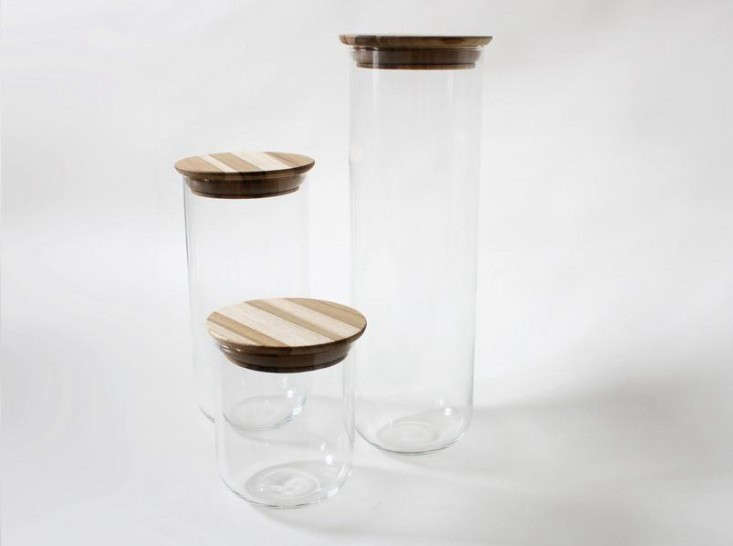
Chabatree Jargala Jars are decorative and functional glass storage jars topped with natural teak wood lids. The jars are commonly described as handmade or mouth-blown glass, paired with lids that use a rubber ring to help create an airtight seal. Their design is narrow, vertical, and elegant, making them especially useful for dry goods such as pasta, rice, oats, lentils, coffee beans, cookies, tea bags, dried fruit, and other pantry favorites.
The Jargala line has been sold in multiple sizes, typically including small, medium, and large formats. A common size reference lists the jars at about four inches in diameter, with heights that vary by size. The smaller jar works well for snacks, loose tea, seeds, and sugar cubes. The medium jar is suitable for rice, granola, coffee, or dried fruit. The taller jar is the drama queen of the groupin the best possible wayperfect for spaghetti, breadsticks, long pasta, or anything that deserves vertical real estate.
The most distinctive feature is the lid. Instead of a shiny metal cap or plastic snap top, the Jargala jar uses warm teak wood. Teak is valued in kitchenware because it is durable, visually rich, and naturally handsome enough to make even plain oatmeal look like it has a lifestyle brand. Chabatree’s approach emphasizes natural finishes, simple forms, and materials that feel connected to craft rather than mass-produced kitchen clutter.
Why These Jars Stand Out in a Crowded Pantry Storage Market
There are many glass pantry jars on the market. Some are purely practical. Some are charming but not especially useful. Some look great online and then arrive with lids that fit about as securely as a hat on a windy day. The appeal of Chabatree Jargala Jars is that they sit comfortably between function and beauty.
1. The Glass Makes Storage Visible
Clear glass storage makes pantry management easier. When ingredients are visible, you know what you have, how much remains, and whether your “emergency pasta supply” is genuinely an emergency supply or just one lonely noodle. This visibility reduces duplicate buying and helps prevent forgotten food from expiring in the back of a cabinet.
Glass also has an advantage over many plastics: it does not hold odors as stubbornly, does not stain as easily, and feels more permanent. For dry pantry goods, glass jars are especially useful because they create a clean barrier between food and the surrounding air when paired with a well-fitting lid.
2. The Teak Lid Adds Warmth
The teak lid is what turns the Jargala jar from “useful container” into “countertop object you do not need to hide.” Many pantry containers look clinical. Chabatree’s jars look warm and tactile. The natural wood grain softens the glass and gives the jar a handmade, organic character.
This matters more than it might seem. Kitchens are full of hard surfaces: tile, stainless steel, stone, laminate, appliances, and glossy cabinet doors. A wooden detail creates contrast. It brings in texture. It gives the eye a place to rest. In design terms, wood is the friendly person at the party who makes everyone else less awkward.
3. The Shape Is Practical
The Jargala jar’s cylindrical shape makes it easy to line up on open shelving, inside a pantry, or on a countertop. The taller version is particularly useful because many glass jars are too short for spaghetti or long pasta. If you have ever tried to store spaghetti in a jar and ended up with noodles poking out like a bouquet of edible sticks, you understand the value of height.
The consistent diameter across different heights also gives the jars a coordinated look. A row of small, medium, and tall jars creates visual rhythm without feeling too matchy-matchy. It is organization with personality, not a pantry pretending to be a laboratory.
Best Uses for Chabatree Jargala Jars
The best pantry containers are the ones you actually use. Chabatree Jargala Jars work best for dry goods and everyday ingredients that benefit from visibility, easy access, and a sealed environment.
For Pasta and Grains
The tall Jargala jar is especially good for spaghetti, linguine, bucatini, soba noodles, or breadsticks. Medium jars can hold short pasta, rice, quinoa, barley, lentils, couscous, and oats. These ingredients often come in bags or boxes that tear, spill, or refuse to close properly after opening. A glass jar solves that problem neatly.
For Coffee, Tea, and Breakfast Staples
Coffee beans, loose-leaf tea, granola, muesli, chia seeds, flaxseeds, and cereal toppings look beautiful in glass jars. If you use these items daily, storing them in attractive containers can make your morning routine feel more intentional. It is still just breakfast, but it feels less like a scavenger hunt.
For Baking Ingredients
Flour, sugar, cocoa powder, baking soda, chocolate chips, and sprinkles can be stored in jars, though very fine powders may be easier to scoop from wide-mouth containers. Jargala jars are best for ingredients that pour or scoop cleanly. For flour, choose a size that allows enough room for a measuring scoop, or use the jar mainly for smaller quantities kept near the baking station.
For Snacks and Treats
Cookies, biscotti, crackers, nuts, dried mango, candy, and trail mix become instantly more appealing in glass jars. This is both a blessing and a warning. Put cookies in a beautiful jar and suddenly everyone in the house becomes a cookie sommelier.
For Non-Food Storage
Although designed for kitchen use, these jars can also organize cotton pads, bath salts, laundry scent beads, craft supplies, clothespins, matchbooks, or office items. Their neutral materials allow them to move beyond the pantry without looking misplaced.
How to Style Chabatree Jargala Jars in the Kitchen
The easiest way to style Chabatree Jargala Jars is to group them in odd numbers. Three jars on a shelf, five on a countertop, or a mixed-height cluster beside a coffee maker creates a composed look without much effort. The key is to balance function with breathing room. Do not crowd every surface. A jar needs a little space to look intentional; otherwise, it becomes part of the kitchen traffic jam.
For open shelving, arrange the tallest jar in the back or at one side, then place medium and smaller jars nearby. Add a wooden cutting board, ceramic bowl, linen towel, or small plant to echo the natural texture of the teak lids. If your kitchen has white cabinets or marble counters, the jars add warmth. If your kitchen already has wood tones, they reinforce the organic theme.
For a minimalist pantry, use matching labels. Small paper labels, chalk labels, or simple printed tags work well. However, avoid over-labeling obvious items. A jar full of spaghetti does not need to announce “SPAGHETTI” unless your noodles are going through an identity crisis.
Care and Maintenance
Because Chabatree Jargala Jars combine glass and natural wood, they should be cared for thoughtfully. The glass portion can usually be washed by hand with mild dish soap and warm water. Let it dry completely before refilling, especially when storing dry goods. Moisture trapped inside a jar is not charming; it is an invitation for clumps, staleness, and pantry regret.
The teak lid deserves gentler treatment. Avoid soaking wooden lids or putting them in the dishwasher. Extended water exposure can dry, warp, or damage natural wood. Wipe the lid clean with a damp cloth, then dry it promptly. If the wood begins to look dry over time, apply a small amount of food-safe oil, such as mineral oil made for cutting boards or another appropriate food-safe wood conditioner. Some product descriptions suggest occasional oiling to keep the natural wood moisturized.
Check the rubber sealing ring periodically. If it becomes loose, cracked, or worn, the jar may not seal as effectively. For long-term use, treat the seal as a functional part of the jar, not just an accessory. A beautiful lid is lovely, but a beautiful lid with a tired gasket is just a hat.
Are Chabatree Jargala Jars Airtight?
The Jargala jars are commonly described as having a rubber ring that helps create an airtight seal. For everyday pantry storage, that feature is useful because dry goods stay fresher when protected from excess air, humidity, and pests. Airtight storage is especially helpful for opened packages of grains, pasta, crackers, dried fruit, sugar, and similar shelf-stable foods.
That said, “airtight” in home kitchen use should be understood practically. These jars are excellent for regular pantry organization and countertop storage, but they are not meant to replace specialized long-term emergency storage systems, vacuum-sealed containers, or canning jars designed for heat processing. Use them for the right job: everyday dry storage with style. They are pantry jars, not tiny glass bunkers.
What to Storeand What Not to Store
Chabatree Jargala Jars are ideal for shelf-stable dry goods. Store pasta, rice, beans, lentils, oats, cereal, cookies, tea, coffee beans, herbs, spices, and snacks. They can also hold decorative food items like cinnamon sticks, dried citrus slices, or colorful candy.
Be more cautious with foods that are sensitive to heat, light, or rancidity. Nuts, seeds, whole-grain flours, and some oils may last longer in the refrigerator or freezer, especially in warm climates or during summer. If you store high-fat ingredients in a jar, keep the jar in a cool, dark place and use the contents quickly.
Avoid storing wet foods, leftovers, fresh produce, sauces, or fermented items in these jars unless the product instructions specifically support that use. The wooden lid is not designed for wet refrigerator storage. Glass may be versatile, but the teak lid prefers a dry life. Respect the lid’s boundaries. We should all be so clear.
Chabatree Jargala Jars vs. Ordinary Pantry Containers
Compared with plastic storage containers, Chabatree Jargala Jars feel more decorative and durable. They are best for people who value both appearance and function. Plastic containers may be lighter, stackable, and less fragile, but they rarely deliver the same visual warmth as glass and teak.
Compared with standard mason jars, Jargala jars offer a more refined design language. Mason jars are charming and practical, but they lean casual and farmhouse. Jargala jars feel more modern and elevated. Their wood lids make them suitable for display, while their vertical form helps with countertop organization.
Compared with high-tech vacuum storage containers, Jargala jars are simpler. They do not require pumps, buttons, charging cables, or instruction manuals that make you question your life choices. They are straightforward, attractive, and easy to use.
Who Should Buy Chabatree Jargala Jars?
These jars are a strong fit for home cooks, design lovers, apartment dwellers, coffee enthusiasts, pantry organizers, and anyone who wants a kitchen that looks calmer without becoming sterile. They are especially useful if you have open shelves, glass-front cabinets, a coffee bar, a baking corner, or a small kitchen where storage has to be visible.
They also make thoughtful gifts. A set of jars filled with good coffee beans, handmade cookies, loose tea, or specialty pasta can become a beautiful housewarming, wedding, holiday, or host gift. Unlike many decorative gifts, these are practical. Unlike many practical gifts, they do not look like they came from the “I panicked at the store” aisle.
Buying Tips Before You Choose
Before buying Chabatree Jargala Jars, check the exact size, lid material, seal type, and care instructions listed by the retailer. Product availability and specifications may vary by seller or season. If you plan to store long pasta, confirm the height of the tallest jar. If you plan to store coffee or grains, consider whether the jar opening is wide enough for your scoop.
Also think about where the jars will live. Countertop jars should match your kitchen’s visible style. Pantry jars should fit shelf height and depth. If you are buying multiple jars, measure first. Nothing ruins a storage makeover faster than discovering your beautiful new jar is one inch too tall for the shelf, standing there proudly like it owns the place.
Design Analysis: Why Minimalist Storage Feels So Satisfying
Part of the appeal of Chabatree Jargala Jars is psychological. Clear containers reduce visual uncertainty. Instead of rummaging through packaging, you see exactly what is available. That clarity makes cooking easier and grocery planning more efficient. The kitchen feels less chaotic because the objects are simpler.
Minimalist storage also turns ordinary ingredients into décor. Pasta, rice, coffee beans, and oats have natural colors and textures. When displayed in glass, they become part of the kitchen’s visual palette. The warm teak lids add consistency, tying different ingredients together in a single design story.
This is why glass-and-wood jars remain popular even as kitchen trends shift. White kitchens come and go. Open shelving rises and falls. Pantry decanting becomes trendy, then gets mocked, then becomes trendy again. But useful objects made from honest materials tend to age well. Glass and wood do not need a trend forecast. They simply work.
Real-Life Experience With Chabatree Jargala Jars
Using Chabatree Jargala Jars changes the kitchen in small but noticeable ways. The first change is visual. A countertop that once held mismatched bags, clips, boxes, and rubber bands suddenly looks calmer. Pasta stands upright. Coffee beans sit neatly near the grinder. Cookies look like they belong in a boutique café instead of hiding in a torn plastic sleeve behind the cereal.
The second change is behavioral. When ingredients are easy to see, they are easier to use. A jar of oats near the breakfast area encourages oatmeal, overnight oats, or granola topping. A jar of lentils near the stove reminds you that soup is only a few vegetables away. A jar of spaghetti sitting in plain sight can rescue dinner on nights when your brain has quietly resigned from meal planning.
One of the best experiences with these jars is building a simple pantry zone. Start with three jars: one tall jar for pasta, one medium jar for rice or oats, and one small jar for tea, sugar cubes, or nuts. Place them on a tray or shelf. Add a small scoop or spoon nearby. Suddenly the arrangement feels deliberate. It is not just storage; it is a station. The difference is subtle, but daily life is made of subtle differences.
In a coffee corner, the Jargala jars can be especially satisfying. Coffee beans in glass look rich and textured, while the wooden lid complements grinders, mugs, and cutting boards. If you also keep cinnamon sticks, sugar, or biscotti in smaller jars, the area begins to feel like a tiny café. The rent is lower, and nobody spells your name wrong on a cup.
For families, transparent jars can make snacks easier to manage. Children can see what is available without emptying the entire pantry in search of crackers. Adults can quickly notice when granola is low or when cookies have mysteriously entered witness protection. The jars do not solve every kitchen problem, of course. They will not stop someone from leaving two crackers in the jar and pretending the snack is not finished. But they make the evidence very clear.
The jars also help with mindful shopping. When you transfer dry goods into jars, you naturally notice quantities. You learn how quickly your household uses rice, oats, pasta, tea, or coffee. Over time, this reduces overbuying. Instead of buying another bag because you cannot remember what is hiding in the pantry, you can glance at the shelf and make a better decision. Your grocery list becomes less emotional and more accurate, which is a surprisingly grown-up feeling.
There is also an aesthetic reward every time you clean the kitchen. Wiping down a counter around glass-and-teak jars feels more pleasant than shoving half-open packages into a cabinet. The jars create a sense of order that motivates you to maintain the space. This is the secret power of good design: it gently bribes you into better habits.
Of course, the experience is not perfect if you ignore care. Wooden lids need respect. Do not soak them. Do not abandon them in a wet sink. Do not send them through the dishwasher and hope for the best. Treat them like small wooden cutting boards: wipe, dry, and occasionally oil if needed. The glass should be fully dry before refilling. These steps are simple, but they matter.
The most practical advice is to use the jars for ingredients you reach for often. Do not decant every obscure pantry item just because the internet made you feel guilty. Start with what you actually use: pasta, rice, oats, coffee, tea, crackers, or cookies. A beautiful pantry is helpful only when it supports your real life. Otherwise, it becomes a museum of quinoa.
Overall, the experience of using Chabatree Jargala Jars is less about perfection and more about pleasure. They make common ingredients easier to see, nicer to handle, and more attractive to display. They bring a little craft into daily routines. They make a shelf look finished. And in the humble world of kitchen storage, that is a pretty impressive résumé.
Conclusion
Chabatree Jargala Jars are a smart choice for anyone who wants pantry storage that is useful, beautiful, and refreshingly simple. Their combination of clear glass, natural teak lids, and practical sealing rings makes them ideal for everyday dry goods, from pasta and rice to coffee, tea, cookies, and snacks. They are not just containers; they are small design upgrades that make the kitchen feel calmer and more intentional.
Their biggest strength is balance. They are decorative without being fussy, functional without looking industrial, and natural without feeling rustic in a heavy-handed way. With proper care, especially for the wooden lids, they can become long-lasting pieces in a kitchen that values both organization and warmth.
Note: Before publishing or purchasing, confirm the exact product dimensions, materials, care guidance, and availability from the current retailer, because product listings and stock can change over time.
SEO Tags

