
Hair Care
Book-A-Day Advent Calendar
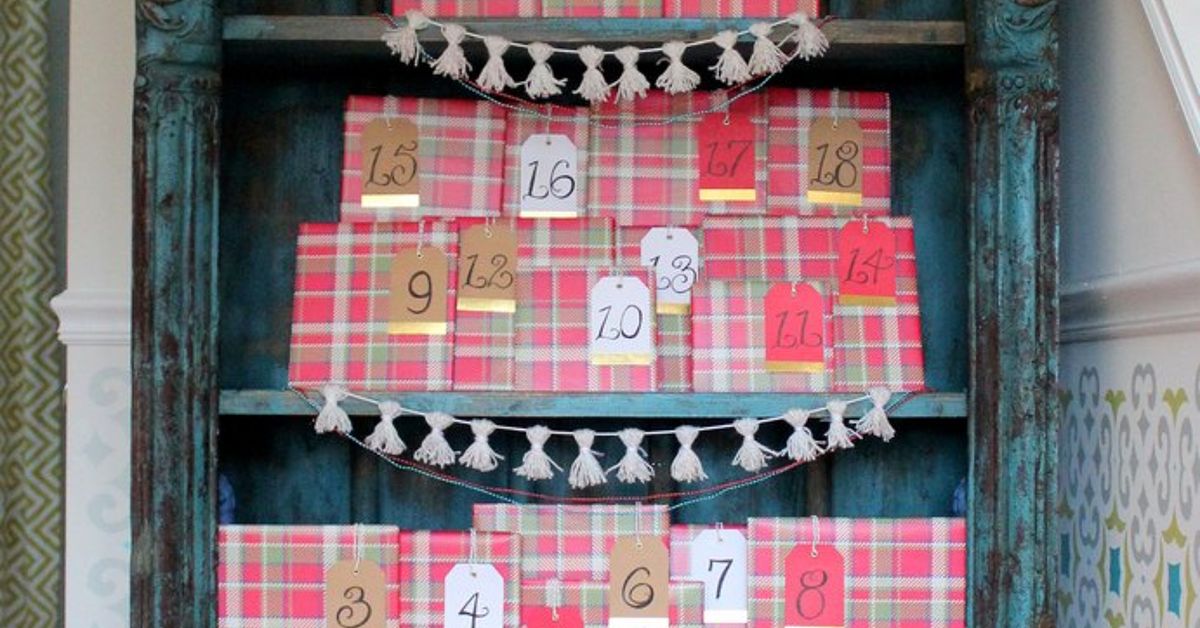
Jun
A Book-A-Day Advent Calendar is what happens when the cozy part of the holidays shakes hands with the “please, just one more story” part of bedtime. Instead of opening a tiny cardboard door to find chocolate, stickers, or a mystery object that will immediately disappear under the couch, families unwrap one book each day in December and read it together. Simple? Yes. Magical? Also yes. Less likely to cause a sugar-powered living room sprint? Ideally.
The idea is flexible: 24 wrapped books from December 1 through Christmas Eve, 25 books through Christmas Day, eight books for Hanukkah, seven for Kwanzaa, twelve for a shorter winter countdown, or any number that fits your family’s traditions. The heart of the activity is not the number. It is the ritual: a daily pause, a shared story, and a small surprise that turns reading into something children look forward to.
For parents, teachers, grandparents, librarians, and book-loving aunts who already “accidentally” bought three picture books while shopping for toothpaste, a book advent calendar is a joyful way to build a holiday reading tradition. It can be budget-friendly, reusable, screen-free, educational, sentimental, and wonderfully low-tech. No batteries. No app updates. No tiny screwdriver required.
What Is a Book-A-Day Advent Calendar?
A book-a-day advent calendar is a countdown calendar made with books. Most families wrap individual books, label them with numbers, and open one per day during the holiday season. The books may be holiday-themed, winter-themed, faith-based, funny, classic, multicultural, or simply beloved favorites from the family bookshelf.
Traditional Advent calendars are usually used to count down the days before Christmas, often from December 1 to December 24 or 25. Modern versions now include everything from chocolate to toys to beauty products, but the book version has a quieter charm. It swaps the “open and consume” model for “open and connect.” Instead of a treat that lasts thirty seconds, a book creates ten to twenty minutes of shared attention. That is the kind of holiday math even tired parents can appreciate.
The format can be homemade or purchased. Some publishers sell boxed advent calendars with 24 mini books, such as Little Golden Books-style sets or story libraries. Other families make their own using books they already own, library checkouts, thrift-store finds, school book fair purchases, or gently used titles from a neighborhood exchange. The DIY version is often the most personal because you can match the books to your child’s age, humor, culture, reading level, and current obsession with penguins, trucks, dragons, or one oddly specific dinosaur.
Why Families Love This Holiday Reading Tradition
The biggest reason a book advent calendar works is that it turns reading into an event. Children love rituals. They love repetition. They love opening things. They especially love opening things adults have wrapped badly at midnight while whispering, “Where did I put the tape?” A wrapped book adds anticipation to a habit that experts already recommend: reading aloud with children regularly.
Shared reading supports language development, vocabulary, story comprehension, attention, emotional understanding, and parent-child bonding. Pediatric and literacy organizations have long encouraged families to read aloud from infancy because books create warm, language-rich interactions. In practical terms, that means a nightly story is doing more than filling time before bed. It is helping children hear new words, follow ideas, understand feelings, and associate books with closeness.
A book-a-day calendar also makes the holiday season feel more grounded. December can become a blur of errands, school events, shopping, travel, baking, decorating, and wondering why every roll of wrapping paper has exactly two inches left. A daily reading ritual gives the family a predictable anchor. Even on chaotic days, one book can say, “We are still here together.”
How to Make a Book-A-Day Advent Calendar
Step 1: Choose Your Countdown Length
The classic version uses 24 books, one for each day from December 1 through Christmas Eve. If that sounds delightful but slightly impossible, start smaller. Try 12 books, eight books, seven books, or one book per weekend in December. A tradition that actually happens is better than an ambitious tradition that collapses under a pile of ribbon and parental regret.
For families who celebrate multiple winter holidays, the calendar can be adapted beautifully. You might create a “winter holidays book countdown” with stories about Christmas, Hanukkah, Kwanzaa, Lunar New Year, winter solstice, snow days, family gatherings, generosity, and community. This makes the calendar inclusive, educational, and more interesting than reading the same type of story twenty-four times in a row.
Step 2: Gather the Books
You do not need to buy 24 new books. In fact, please do not let the internet convince you that every charming family tradition requires a heroic credit card moment. Start with what you have. Pull holiday books from your shelves, add favorite year-round stories, borrow from the library, check used bookstores, visit a Little Free Library, trade with another family, or buy a few special titles to refresh the collection.
Good sources include:
- Books already in your child’s room
- Public library holiday displays
- School book fairs and classroom wish lists
- Used bookstores and thrift shops
- Neighborhood book swaps
- Publisher boxed sets or mini book collections
- Grandparents’ shelves, which often contain treasures and at least one book with suspiciously fragile tape on the spine
If you are building the calendar for toddlers or preschoolers, choose sturdy board books, rhyming books, simple picture books, lift-the-flap books, and stories with bright illustrations. For early elementary kids, mix picture books with beginner readers, joke books, poetry, short chapter books, and nonfiction. For tweens and teens, consider short stories, graphic novels, novellas, essays, holiday mysteries, cozy fantasy, or a “chapter-a-day” advent novel.
Step 3: Wrap and Number the Books
Wrapping is optional, but it adds surprise. You can wrap each book in recycled paper, brown craft paper, newspaper comics, fabric, reusable gift bags, or last year’s gift wrap that is somehow both wrinkled and emotionally important. Add number tags from 1 to 24, or skip numbers and let your child choose randomly each day.
If you have multiple children, create a system before the first dramatic “I wanted to open it!” performance. Rotate who opens the book each night. Assign odd days to one child and even days to another. Let one child unwrap and another choose the reading spot. The goal is cozy family literacy, not a seasonal courtroom drama.
What Books Should You Include?
The best Book-A-Day Advent Calendar has variety. Think of it like a cookie tin: a few classics, a few surprises, something funny, something sweet, and one item everyone pretends not to want but mysteriously disappears first.
Holiday Classics
Classic holiday books give the calendar a sense of tradition. Depending on your family’s preferences, this might include stories about Christmas Eve, Santa, winter wonder, generosity, or beloved characters celebrating the season. Books such as The Polar Express, How the Grinch Stole Christmas!, The Snowy Day, Bear Stays Up for Christmas, or Dream Snow often appear in family holiday stacks because they are memorable, beautifully illustrated, and easy to reread year after year.
Diverse Winter Holiday Stories
A thoughtful calendar can include books about Hanukkah, Kwanzaa, Christmas, Ramadan when it falls near the season, winter solstice, New Year traditions, and family celebrations from different cultures. This helps children see that winter is full of many kinds of light, food, music, prayer, service, and storytelling. It also keeps the calendar from becoming twenty-four versions of “someone lost a present, but then learned the true meaning of the holiday.” A little variety saves everyone.
Funny Books
Every calendar needs laughter. Add books with silly animals, mischievous kids, ridiculous rhymes, or characters who make terrible plans with great confidence. Funny books work especially well on school nights when everyone is tired and the adult reader has only 18% battery life remaining. A good giggle can reset the whole room.
Nonfiction and Activity Books
Nonfiction makes the countdown richer. Add books about snowflakes, animals in winter, baking, world celebrations, kindness, astronomy, forests, or winter weather. Activity-based books can also inspire simple projects: make paper snowflakes, bake cookies, write cards, donate books, build a blanket fort, or take a flashlight reading walk through the house.
Family Favorites
Do not underestimate the power of rereading. Children often want the same books again and again because repetition builds comfort and confidence. If a book has been loved into a slightly lumpy shape, it probably belongs in the calendar. The point is not literary perfection. The point is connection.
Budget-Friendly Book Advent Calendar Ideas
A book-a-day calendar can be expensive if you buy everything new, but it absolutely does not have to be. The most sustainable version is often the most charming. Reuse the same books each year, then swap out a few as children grow. Borrow library books and wrap them with a sticky note reminding you of the due date. Trade with friends. Shop used. Ask relatives to contribute one book instead of a plastic stocking stuffer.
You can also create a “book coupon” calendar. Instead of wrapping 24 physical books, write 24 reading prompts or experiences on slips of paper:
- Read under the table with a blanket over it.
- Read a book by flashlight.
- Read a story in pajamas before dinner.
- Call a grandparent and let them read aloud.
- Choose a book from the library.
- Read a book with a snack that appears in the story.
- Donate one book to another child.
This version costs very little and still creates daily anticipation. It is especially helpful for families with limited space or older children who prefer experiences over wrapped surprises.
How to Make It Work for Different Ages
Babies and Toddlers
For babies and toddlers, keep the books short, sturdy, rhythmic, and interactive. Board books are ideal. Choose books with animals, faces, textures, repeated phrases, and simple holiday images. Do not worry if your toddler wanders away halfway through. Toddlers are tiny weather systems. Keep reading, point to pictures, name objects, and let the routine be relaxed.
Preschoolers
Preschoolers enjoy predictable patterns, humor, and big illustrations. They may want to guess what happens next, repeat favorite lines, or correct you if you skip a page. Accept this as quality control. Ask simple questions: “What do you think the bear will do?” “How does she feel?” “Where is the snowman hiding?” These conversations build comprehension without turning bedtime into a worksheet.
Elementary-Age Kids
Elementary readers can help choose books, read pages aloud, or keep a holiday reading journal. Mix picture books with early chapter books and graphic novels. If a book is too long for one night, read a chapter and continue the next day. The “book-a-day” idea can become “story-a-day” or “chapter-a-day” without losing its magic.
Tweens and Teens
Older kids may not want a pile of wrapped picture books, but they might enjoy a curated stack of winter reads, short mysteries, fantasy novellas, comics, poetry, or bookish gifts. You can also create a literary advent calendar with bookmarks, library dates, hot cocoa nights, reading challenges, book quotes, or one shared audiobook for the family car.
Book-A-Day Advent Calendar Themes
Themed calendars make planning easier and more fun. Try one of these approaches:
- Cozy Winter Calendar: Snow, animals, mittens, soup, blankets, and all things hygge-adjacent.
- Holiday Around the World Calendar: Stories about different cultural and religious celebrations.
- Kindness Calendar: Books about generosity, friendship, empathy, helping neighbors, and sharing.
- Library Calendar: All books borrowed from the library, with one weekly library visit built in.
- Classic Characters Calendar: Familiar favorites like bears, mice, trains, dogs, cats, and children who somehow never lose their mittens for long.
- Family Memory Calendar: Books connected to family traditions, recipes, places, or relatives.
Tips for Keeping the Tradition Stress-Free
First, do not chase perfection. The calendar does not need matching paper, calligraphy tags, or a hand-carved wooden display shaped like a Scandinavian village. If you enjoy that, wonderful. If your books are wrapped in grocery bags and labeled with a marker that is running out of ink, also wonderful.
Second, plan for real life. Some nights will be busy. Some nights a child will fall asleep in the car. Some nights the adult reader will pronounce a character’s name three different ways and hope nobody notices. It is fine to double up the next day or skip a book. Traditions should support family life, not become another seasonal performance review.
Third, let children participate. Ask them to choose a book, decorate number tags, arrange the stack, or pick the reading location. When kids have ownership, they are more likely to care. They may also make design choices involving six kinds of tape and seventeen stickers. This is the price of democracy.
Finally, keep a small note inside each book with the year, the child’s age, and a memory. Over time, the calendar becomes more than a reading activity. It becomes a family archive. One December you are reading Goodnight Moon to a baby. Blink twice and someone is reading a graphic novel upside down on the couch while asking for more cocoa.
Common Mistakes to Avoid
The first mistake is buying books that are too long for your routine. A gorgeous 80-page story may be lovely, but if bedtime already resembles a slow negotiation treaty, choose shorter books for weeknights. Save longer books for weekends.
The second mistake is making every book too similar. Twenty-four sweet Christmas stories in a row can blur together. Add humor, nonfiction, poetry, winter nature, diverse celebrations, and family favorites.
The third mistake is forgetting your child’s actual interests. A beautifully reviewed book is not useful if your child currently wants only construction vehicles, cats, or dragons wearing hats. Meet children where they are. The calendar should feel like a gift, not assigned reading wearing festive pajamas.
The fourth mistake is treating library books like permanent residents. If you wrap borrowed books, keep a list or tuck the due-date receipt somewhere obvious. Nothing says “holiday magic” like paying overdue fines because The Mitten was hiding behind the couch until March.
of Real-Life Experience: What a Book-A-Day Advent Calendar Feels Like
The first time you make a Book-A-Day Advent Calendar, you may imagine a peaceful scene: children in matching pajamas, cocoa steaming gently, the dog resting like a holiday card, everyone smiling as you read in a warm voice. Reality may include one child wearing one sock, another asking if there are snacks, and the dog chewing the corner of book number 11. Do not panic. This is not failure. This is family atmosphere.
What makes the tradition special is not that every night looks perfect. It is that the books create a repeated invitation. The wrapped stack sits in the room like a tiny mountain of possibility. Children notice it. They count the books. They shake them, even though books are famously bad at making useful shaking sounds. They guess which story is inside. They remember yesterday’s book and start predicting tomorrow’s. The countdown becomes visible and touchable.
One of the loveliest experiences is watching children develop opinions. A toddler may choose the same board book three times even though it is clearly not that day’s number. A preschooler may insist that the snowman book must be read while sitting on the floor because “snow is on the ground.” An older child may pretend to be too mature for the calendar, then quietly hover nearby when a favorite classic appears. Books have a sneaky way of inviting people back without making a big speech about it.
The calendar also changes the rhythm of December. Instead of every surprise being tied to buying, eating, or rushing, the daily surprise becomes a pause. A family might read after dinner, before bed, beside the tree, at the kitchen table, or in a blanket fort that violates several principles of structural engineering. Some nights the story leads to a conversation about generosity. Some nights it leads to questions about snow, reindeer, grandparents, candles, or why fictional mice own so many tiny hats. These questions are part of the gift.
Another experience many families love is the yearly return of familiar books. Children remember. They may say, “This was the one we read when the lights went out,” or “This is the book Grandma read on video call,” or “This is the funny one where the bear gets stuck.” The books become attached to memories, and the memories make the books feel richer. A calendar that begins as a cute holiday idea can become a tradition children ask for by name.
There is also a quiet benefit for adults. Reading one book a night can feel like a small act of resistance against December chaos. For ten minutes, nobody is comparing prices, checking delivery tracking, or looking for the missing ornament hook. The only job is to sit close and turn pages. That is surprisingly powerful. In a season that often asks families to do more, buy more, decorate more, and schedule more, a book-a-day calendar says: come sit down. We have a story.
And if you miss a night? Read two tomorrow. If the wrapping tears? Call it rustic. If your child loves the box more than the book? Congratulations, you have discovered early childhood. The tradition is forgiving. It grows with the family. It can be silly, sacred, educational, thrifty, elaborate, or wonderfully simple. The best version is the one your family will actually enjoy.
Conclusion
A Book-A-Day Advent Calendar is more than a cute countdown. It is a practical, meaningful way to build a holiday reading tradition around connection, imagination, and daily togetherness. Whether you use 24 new books, library finds, thrifted treasures, old favorites, or reading prompts, the idea turns December into a season of stories.
It supports literacy without feeling like homework. It creates anticipation without relying on sugar or screens. It can celebrate Christmas, winter, Hanukkah, Kwanzaa, family memories, kindness, humor, and curiosity. Most importantly, it gives children what they often want most during the busiest season of the year: a few minutes of undivided attention and a story told by someone they love.
So wrap the books, number the tags, pour the cocoa, and prepare for at least one child to open day 19 before breakfast. The magic is not in doing it perfectly. The magic is in showing up, page by page, day by day.

