
Body Care
Foot Reflexology Chart: Points, How to, Benefits, and Risks
Jun
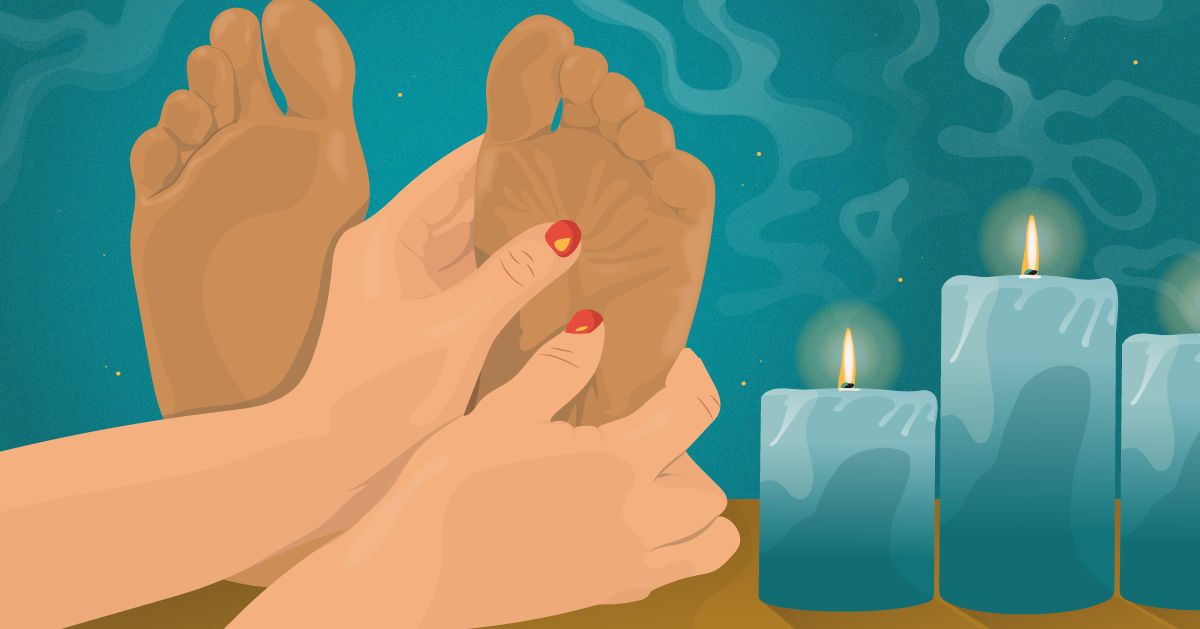
Foot reflexology sounds like something your feet would request after a long day of pretending your “comfortable shoes” are actually comfortable. But behind the cozy image of a foot rub is a structured complementary practice built around pressure points, zones, and the idea that areas of the feet may correspond with different parts of the body.
A foot reflexology chart maps these points across the soles, toes, arches, heels, and sides of the feet. Practitioners use the chart as a guide when applying pressure with thumbs, fingers, or gentle massage techniques. Many people use reflexology for relaxation, stress relief, better sleep, and general wellness. However, it is important to keep expectations realistic: reflexology may feel wonderful and may help with comfort, but it should not be used to diagnose disease, cure illness, or replace medical treatment.
This guide explains common foot reflexology points, how to use a reflexology chart safely, possible benefits, risks, and practical experience-based tips for trying it at home or with a trained practitioner.
What Is Foot Reflexology?
Foot reflexology is a complementary therapy that involves applying pressure to specific areas of the feet. These areas are called reflex points. In reflexology theory, different points on the foot are believed to relate to organs, glands, muscles, and body systems. For example, the toes are often associated with the head and neck, while the arch is commonly linked with digestive organs.
Unlike a regular foot massage, which mainly focuses on muscles, soreness, and circulation, reflexology follows a map. Think of it as a tiny “body GPS” printed across your feet. Whether the GPS has perfect scientific accuracy is still debated, but many people find the practice deeply relaxing.
Modern research on reflexology is mixed. Some studies suggest it may help reduce anxiety, fatigue, stress, and certain types of pain. Other reviews conclude that evidence is limited, inconsistent, or not strong enough to prove reflexology treats specific medical conditions. The most balanced view is this: reflexology can be a helpful wellness tool for relaxation and comfort, but it is not a medical cure.
How to Read a Foot Reflexology Chart
A foot reflexology chart usually divides the foot into vertical and horizontal zones. The right foot is often associated with the right side of the body, and the left foot with the left side. Some organs appear mainly on one side of the chart, while general areas such as the spine, head, shoulders, and digestive system may appear across both feet.
Common Reflexology Zones
While charts vary slightly depending on the school or practitioner, many include these general areas:
- Toes: Head, brain, sinuses, eyes, ears, and neck.
- Ball of the foot: Chest, lungs, heart, shoulders, and upper back.
- Arch of the foot: Stomach, liver, pancreas, kidneys, intestines, and digestion-related areas.
- Heel: Lower back, sciatic area, pelvis, knees, and reproductive system.
- Inner edge of the foot: Spine and central alignment.
- Outer edge of the foot: Arms, shoulders, hips, knees, and side-body areas.
The point is not to jab the foot like you are trying to unlock a vending machine. Reflexology works best with steady, moderate pressure. A tender spot does not automatically mean something is wrong with an organ. It may simply mean your foot is tight, overworked, or offended by yesterday’s shoe choice.
Foot Reflexology Points and What They May Represent
Below is a practical overview of common foot reflexology points. These are based on traditional reflexology charts and should be understood as wellness references rather than diagnostic tools.
1. Big Toe: Head, Brain, and Neck
The big toe is often linked with the head, brain, pituitary gland, and neck. Reflexologists may apply circular pressure to the pad of the big toe or gently press around the base of the toe. People commonly focus on this area for tension, mental fatigue, and general relaxation.
2. Tips of the Toes: Sinuses
The tips of the toes are commonly associated with the sinuses. Gentle pressure here may feel soothing, especially when the face feels tense. However, sinus infections, allergies, and breathing problems need proper medical care when symptoms are severe or persistent.
3. Base of the Toes: Eyes, Ears, and Neck
The base of the second and third toes is often connected with the eyes, while areas near the fourth and fifth toes may be linked with the ears. The crease where the toes meet the foot is also used for neck tension. If you stare at screens all day, this section may become your new favorite tiny vacation.
4. Ball of the Foot: Chest and Lungs
The ball of the foot is commonly associated with the chest, lungs, and upper back. Reflexologists may use thumb-walking techniques across this region. It can feel especially relaxing for people who carry tension in the shoulders or upper body.
5. Left Ball of the Foot: Heart Area
On many charts, the heart reflex point is located on the left foot, under the ball of the foot. Gentle pressure may be used for relaxation. This does not treat heart disease, chest pain, or blood pressure problems. Any chest pain, shortness of breath, faintness, or sudden symptoms require urgent medical attention.
6. Inner Edge of the Foot: Spine
The inner edge of each foot, from the big toe down to the heel, is often mapped to the spine. Practitioners may work slowly along this line to promote relaxation in the back and neck. This is one of the easiest areas to try at home because the path is simple to follow.
7. Mid-Arch: Digestive System
The middle arch is commonly associated with digestion-related organs such as the stomach, pancreas, liver, and intestines. Some people use gentle pressure here when they feel bloated or tense. Still, persistent abdominal pain, vomiting, unexplained weight loss, blood in stool, or severe digestive changes should be evaluated by a healthcare professional.
8. Kidney and Bladder Points
Many charts place the kidney reflex point near the center of the arch, with a line leading toward the bladder area closer to the inner heel. Reflexologists may use light pressure and downward strokes here. People with kidney disease, urinary symptoms, or infections should seek medical guidance rather than relying on reflexology.
9. Heel: Lower Back and Pelvic Area
The heel is often linked with the lower back, pelvis, sciatic region, and reproductive organs. Gentle kneading of the heel may feel grounding and comforting, especially after standing for long hours. Avoid deep pressure if you have heel spurs, plantar fasciitis, fresh injuries, or significant foot pain unless a clinician says it is safe.
How to Do Foot Reflexology at Home
You do not need a spa robe, mystical flute playlist, or a candle named “Mountain Serenity” to try basic foot reflexology. You simply need clean hands, clean feet, a comfortable seat, and a reasonable attitude about pressure.
Step 1: Get Comfortable
Sit in a chair or on a bed where you can easily reach one foot. Wash and dry your feet. If you like, apply a small amount of lotion or oil, but avoid making the skin too slippery. Reflexology needs controlled pressure, not a foot-shaped waterslide.
Step 2: Warm Up the Foot
Begin with simple massage. Rub the sole from heel to toes. Rotate the ankle gently. Pull each toe lightly. This helps relax the tissues before you apply focused pressure.
Step 3: Use Thumb Walking
Thumb walking is a classic reflexology technique. Bend your thumb slightly and move it forward in small “steps” across the skin. Use steady pressure without digging. Move slowly across the ball, arch, heel, and sides of the foot.
Step 4: Focus on One Area at a Time
Choose a reflex point from the chart. For example, if you want relaxation after screen-heavy work, focus on the toes and base of the toes. If your back feels tense, work along the inner edge of the foot. Spend 30 to 60 seconds on each area.
Step 5: Keep Pressure Moderate
Reflexology should feel firm but not painful. A little tenderness may happen, but sharp pain is a stop sign. Your foot is not a stubborn pickle jar; forcing it will not improve the result.
Step 6: Finish Gently
End with broad strokes over the whole foot. Drink water if you feel thirsty. Notice how your body feels afterward. Some people feel sleepy, calm, or lighter. Others simply feel like their feet have forgiven them.
Potential Benefits of Foot Reflexology
Foot reflexology is most commonly used for relaxation and general wellness. The benefits below are possible, but they should be described carefully because research quality varies.
Stress Relief and Relaxation
The strongest everyday reason people enjoy foot reflexology is simple: it feels relaxing. Gentle pressure, calm breathing, and focused touch may help shift the body into a more restful state. This can support better mood and a sense of calm.
Reduced Anxiety and Tension
Some studies suggest reflexology may help reduce anxiety in certain groups, including people dealing with illness or stressful medical situations. Even when the exact mechanism is unclear, supportive touch and relaxation can be meaningful.
Comfort for Tired Feet
For people who stand, walk, travel, or exercise often, reflexology can provide foot comfort. It may help loosen tight areas and make the feet feel less heavy. This is especially useful if your feet routinely send “we need to talk” messages by 7 p.m.
Possible Pain Support
Some research has explored reflexology for pain, including headaches, back pain, labor discomfort, and cancer-related symptoms. Results are not conclusive, but reflexology may support comfort when used alongside standard care.
Better Sleep Quality
Because reflexology can be calming, some people use it as part of a nighttime routine. A short session before bed may help signal that the day is over and the brain can stop replaying awkward conversations from 2016.
Improved Sense of Well-Being
Well-being matters. Even if reflexology does not “fix” a condition, it may help people feel cared for, grounded, and more connected to their body. That can be valuable, especially during stressful seasons.
Risks and Who Should Avoid Foot Reflexology
Foot reflexology is generally considered low risk for many healthy adults when performed gently. However, it is not safe for everyone. Certain health conditions require caution or medical clearance.
Avoid Reflexology or Ask a Doctor First If You Have:
- Foot fractures, sprains, burns, open wounds, ulcers, or recent foot surgery.
- Active gout, severe arthritis flare-ups, or intense foot inflammation.
- Diabetes with neuropathy, poor circulation, ulcers, or reduced sensation.
- A history of blood clots, deep vein thrombosis, or significant vascular disease.
- Severe swelling, unexplained leg pain, or sudden redness and warmth in the calf.
- High-risk pregnancy or pregnancy complications.
- Active infection, athlete’s foot, cellulitis, or contagious skin conditions.
- Cancer treatment, implanted devices, or recent radiation or surgery unless cleared by your care team.
- Bleeding disorders or use of blood-thinning medication, especially with deep pressure.
Possible side effects may include temporary tenderness, sleepiness, lightheadedness, or emotional release. These are usually mild. Stop immediately if you feel sharp pain, numbness, dizziness, nausea, or unusual symptoms.
Foot Reflexology vs. Foot Massage
Foot massage and foot reflexology overlap, but they are not identical. A massage focuses mainly on muscles, circulation, and relaxation. Reflexology uses a point map and works specific zones believed to correspond with body systems.
For many people, the practical result may feel similar: calmer mood, looser feet, and a strong desire to never wear stiff shoes again. The key difference is intention. Reflexology follows a chart; massage follows the muscles.
How to Choose a Reflexology Practitioner
If you want professional reflexology, look for someone with training, experience, and a clear intake process. In the United States, reflexology regulation varies by state, and certification may be voluntary. Organizations such as the American Reflexology Certification Board and Reflexology Association of America provide information about training and practitioner standards.
A responsible practitioner should ask about your health history, medications, pregnancy status, foot injuries, circulation problems, and medical conditions. They should not promise cures, diagnose disease from your feet, or tell you to stop prescribed treatment. If someone says they can “detox your liver through your pinky toe by Tuesday,” consider walking awaygently, because your feet are still involved.
Practical Tips for a Safe Reflexology Session
- Start with 10 to 15 minutes if you are new to reflexology.
- Use light to moderate pressure, especially on sensitive feet.
- Avoid bruising, forcing, or pressing directly on injuries.
- Communicate clearly if a practitioner’s pressure is too strong.
- Do not use reflexology as a substitute for medical evaluation.
- Keep sessions relaxing rather than turning them into a pain challenge.
Experience-Based Guide: What Trying Foot Reflexology Really Feels Like
The first time many people try foot reflexology, they expect either instant magic or absolutely nothing. The real experience is usually somewhere in the middle. It can feel surprisingly calming, occasionally tender, and oddly personal. After all, your feet have been carrying your entire life around without a performance bonus.
A typical at-home session often begins with curiosity. You look at a foot reflexology chart and think, “Wait, my liver is where?” Then you press around the arch and discover that some areas feel soft, some feel tight, and one mysterious spot feels like it has been holding a grudge since last winter. This does not mean you have a medical problem. Feet contain muscles, fascia, nerves, and pressure-sensitive tissues. Tenderness can come from shoes, posture, walking habits, exercise, or plain old tension.
One useful experience is to compare both feet. Work on the same point on the left and right foot. You may notice that one side feels more sensitive. For example, the inner arch may feel tight after a day of standing, while the ball of the foot may feel sore after wearing dress shoes. Reflexology charts can provide structure, but your body’s feedback should guide the session.
Another practical lesson: pressure matters more than enthusiasm. Beginners often press too hard because they assume stronger pressure equals better results. It does not. Reflexology should feel like a conversation with the nervous system, not an argument. A good pressure level feels firm, warm, and tolerable. If you are clenching your jaw, holding your breath, or bargaining with a higher power, reduce the pressure.
Many people find evening sessions more useful than morning sessions. After dinner, a 10-minute foot reflexology routine can become a transition ritual: phone down, shoulders relaxed, feet supported, breathing slower. Focus on the toes for head and neck relaxation, the ball of the foot for upper-body tension, and the inner edge for the spine line. Finish with long strokes from heel to toes. It is simple, but it can feel like closing the mental browser tabs of the day.
Reflexology can also be helpful for people who do not enjoy full-body massage. Some people feel uncomfortable undressing for massage or having their back, shoulders, or neck touched. Foot reflexology usually allows you to remain fully clothed except for shoes and socks, making it more accessible and less intimidating.
However, the experience is not always dreamy. Ticklish people may need shorter sessions, firmer static pressure, or a practitioner who understands that laughing uncontrollably is not the same as relaxing. People with very sensitive feet may prefer hand reflexology or gentle foot massage instead. The best wellness practice is the one your body does not file a complaint about.
After a session, some people feel sleepy, peaceful, or refreshed. Others simply notice warmer feet or reduced tension. A few may feel temporary soreness if too much pressure was used. The most useful approach is to track your own response. Did you sleep better? Did your feet feel looser? Did stress drop from “three emails away from becoming a raccoon” to “manageable human”? Those observations matter.
For best results, treat foot reflexology as supportive self-care. Pair it with stretching, hydration, comfortable shoes, movement, and proper medical care when needed. Reflexology is not a miracle button hidden in your arch, but it can be a pleasant, grounding habit that helps you slow down and reconnect with your body.
Conclusion
A foot reflexology chart can be a helpful guide for exploring pressure points linked with relaxation, comfort, and general wellness. Common reflexology points include the toes for the head and sinuses, the ball of the foot for the chest and upper back, the arch for digestion-related areas, the inner edge for the spine, and the heel for the lower back and pelvis.
The benefits of foot reflexology may include stress relief, relaxation, better sleep, improved mood, and temporary comfort for tired feet. Still, scientific evidence remains limited, and reflexology should not be used to diagnose, treat, or cure medical conditions. The safest approach is to enjoy it as a complementary practice while relying on qualified healthcare professionals for medical concerns.
When done gently and wisely, reflexology can turn your feet into a small relaxation studio. No appointment with destiny requiredjust clean socks, common sense, and a willingness to stop pressing if your foot starts writing a resignation letter.

