
Beauty Unlocked
How to Be Good at Agar.io: 11 Steps
Jun
Agar.io looks like the simplest game ever invented: you are a blob, you eat dots, you avoid bigger blobs, and eventually someone named “NoobDestroyer9000” appears from nowhere and turns your hard work into lunch. But behind the floating circles and goofy skins is a surprisingly sharp multiplayer survival game. If you want to be good at Agar.io, you need more than fast mouse movement. You need timing, map awareness, patience, and the emotional strength to not chase one tiny cell across the entire galaxy.
This guide breaks down how to improve at Agar.io in 11 practical steps. Whether you play on browser, iOS, Android, classic mode, free-for-all, teams, or party mode, the core skills stay the same: grow safely, split wisely, use viruses intelligently, and learn when to attack, retreat, or pretend you are harmless. Spoiler: pretending to be harmless is basically an Olympic sport in Agar.io.
What Is Agar.io?
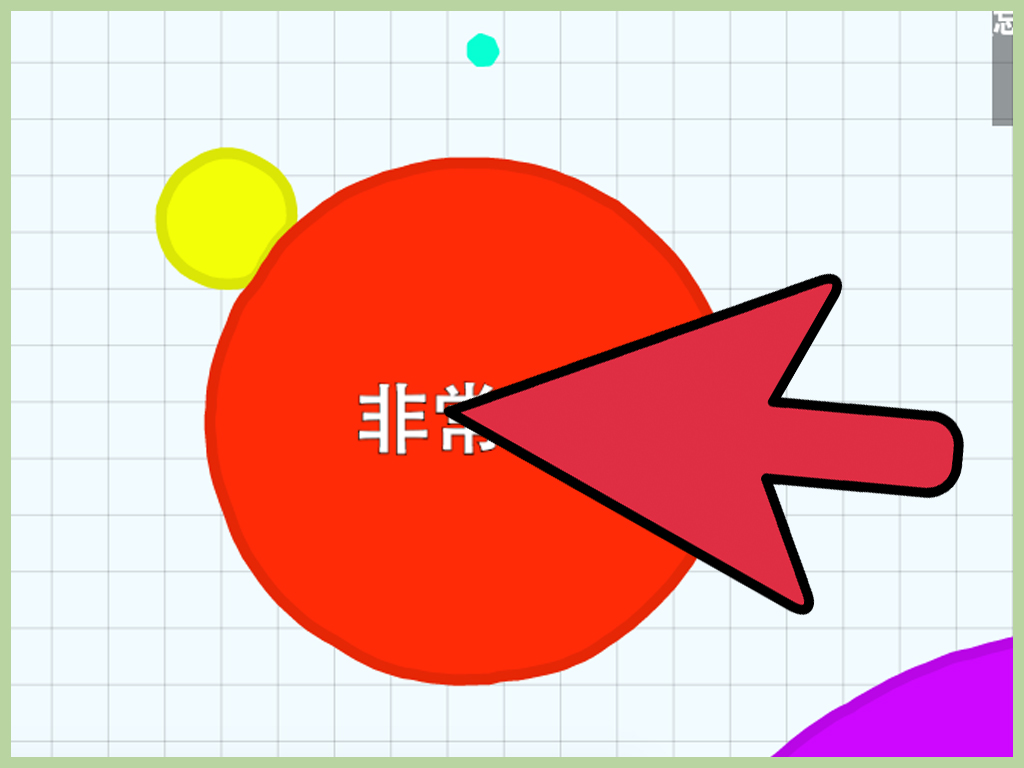
Agar.io is a massively multiplayer online game where players control circular cells on a Petri dish-style map. Your goal is to gain mass by eating pellets and smaller players while avoiding larger cells that can absorb you. The bigger you become, the slower you move, which creates the game’s main tension: size gives power, but speed gives survival.
The basic controls are simple. On PC, you move with the mouse, split with the spacebar, and eject mass with the W key. On mobile, the game uses touchscreen controls designed for phone and tablet play. The simple design is a big reason Agar.io became a viral browser and mobile hit, but “simple” does not mean “easy.” Chess has simple pieces too, and yet people have been losing dramatically for centuries.
How to Be Good at Agar.io: 11 Steps
1. Master the Early Game Before You Try Fancy Tricks
The first rule of Agar.io strategy is boring but powerful: survive the first minute. When you spawn, you are small, fast, and extremely edible. Your job is not to become the hero immediately. Your job is to eat pellets, avoid traffic, and build enough mass to make better decisions.
At the start, move through open areas and collect scattered pellets. Do not chase every tiny player you see. A smaller cell may look like free dinner, but if chasing it pulls you toward giant players, viruses, or crowded corners, it becomes a very tiny trap with legs. Think of early-game Agar.io like crossing a busy street: the dots are nice, but not if you become road pizza.
Use your speed while you still have it. Smaller cells can escape danger more easily than large ones, so keep moving, change direction often, and avoid getting boxed in by bigger players. The early game is about safe growth, not showing off.
2. Understand Mass, Speed, and Why Bigger Is Not Always Better
In Agar.io, mass is your size and strength. More mass allows you to eat more players, but it also makes you slower. This trade-off is the heart of the game. A giant cell can dominate a section of the map, but a quick little cell can slip away, hide under viruses, and annoy the giant until they make a mistake.
As you grow, your decisions must change. When you are small, you survive by speed. When you are medium-sized, you survive by picking smart fights. When you are huge, you survive by controlling space and avoiding unnecessary splits. The mistake many players make is using the same style at every size. They play small like a giant and get eaten, or they play giant like a tiny cell and split themselves into a buffet.
Good players constantly ask: “Am I fast enough to chase this?” “Am I big enough to eat that?” “Can a larger player punish me if I split?” This habit turns random movement into strategy.
3. Learn When to Splitand When to Keep Your Cell Together
Splitting is one of the most important mechanics in Agar.io. Pressing the spacebar launches part of your mass forward, letting you catch smaller players from a distance, escape danger, or move faster across the map. Used well, splitting feels like a brilliant ambush. Used badly, it feels like throwing half your body into a blender.
Before you split, check three things. First, are you clearly larger than the target? Second, is there a bigger player nearby who can eat your split pieces? Third, are there viruses or walls that could ruin your escape? If the answer to any of these is “uh-oh,” do not split.
A smart split is usually quick, clean, and profitable. You split, eat the target, and remain safe while your cells wait to merge. A bad split leaves you scattered, slow, and surrounded by players who suddenly look very interested in your life choices.
4. Use Viruses as Shields, Weapons, and Warning Signs
Viruses are the green spiky circles that can split larger cells into many smaller pieces. If you are small enough, viruses can protect you because bigger players risk exploding if they try to reach you. If you are big, viruses become hazards that can turn you from “leaderboard boss” into “snack platter” in one second.
Beginners often see viruses as random obstacles. Advanced players see them as tools. You can hide near a virus when threatened. You can position yourself so a bigger player cannot safely chase you. In some situations, you can feed mass into a virus to launch another virus toward an opponent, forcing them to split.
However, virus attacks are risky. If you feed a virus carelessly, you may create danger for yourself or give another player an opportunity. The best use of viruses is defensive first, offensive second. Use them to shape the map, block pressure, and punish greedy giants.
5. Stop Chasing Every Small Cell Like It Owes You Money
One of the fastest ways to lose in Agar.io is tunnel vision. You see a smaller player, you chase them, they wiggle away, and suddenly you have crossed half the map into a neighborhood full of enormous cells with suspiciously confident names.
Chasing costs time, positioning, and sometimes safety. Before chasing, ask whether the target is worth it. A tiny cell that takes twenty seconds to catch is usually not worth the risk. A medium cell moving toward a wall, virus, or bigger enemy may be a much better opportunity.
Strong players do not chase everything. They pressure players into bad positions. They move toward areas where opponents have fewer escape routes. They let other players make mistakes, then collect the reward. In Agar.io, patience often eats more than aggression.
6. Control the Center, Edges, and Corners Differently
The map is not the same everywhere. The center usually has more traffic, more food, more fights, and more danger. The edges are safer but can trap you if a larger cell pushes you against the wall. Corners are dangerous because they remove your escape routes.
Small players often do well near open areas where they can dodge. Medium players can hunt along edges, but they must avoid being boxed in. Large players can control space near the center, but they need to watch for viruses and coordinated attacks.
Do not drift mindlessly. Move with a purpose. If you are growing safely, stay in low-pressure zones. If you are hunting, look for crowded lanes where smaller cells have limited movement. If you are huge, avoid tight areas unless you have complete control. The wall is not your friend. It is a very flat prison guard.
7. Practice Baiting Without Becoming the Bait
Baiting means tempting another player into making a mistake. You might move slightly closer to a virus so a bigger player thinks they can eat you. You might drift near a wall and then slip away as they overcommit. You might appear distracted while waiting for them to split too early.
The key is distance. Good bait gives you an escape route. Bad bait is just volunteering to be eaten with extra steps. If you plan to bait a larger player, make sure you are near protection, such as a virus, a teammate, or enough open space to dodge.
Watch how aggressive players move. Many cannot resist a target that looks easy. Once you recognize this behavior, you can use it against them. Agar.io is partly a game of cells and partly a game of ego. Fortunately, ego is delicious.
8. Use Ejected Mass Carefully
Ejecting mass with the W key can feed another player, feed a virus, or help in team-based situations. It is powerful, but it is also expensive because you are literally giving away part of your size. Do not spam W just because it feels active.
Use ejected mass for clear purposes. You might feed a teammate so they can eat an opponent. You might feed a virus to create pressure. You might give a small amount of mass to a larger player as a peace signal, although this is never guaranteed. Some players accept your gift and leave. Others accept your gift and eat you anyway, because apparently table manners are dead.
In solo play, be especially careful. Every bit of mass you eject reduces your ability to eat and survive. If you do not have a plan, keep your mass.
9. Learn to Merge at the Right Time
After splitting, your cells eventually become able to merge again. The waiting period can feel awkward because you control several pieces that may move differently and expose you to attacks. Good players use this time wisely instead of panicking.
When split, avoid pushing all your pieces into dangerous zones. Keep your larger pieces protected, and do not let smaller pieces drift toward enemies. If possible, move toward open space where you can merge safely. If a larger player approaches, use your smaller pieces to maneuver away rather than trying to force an attack.
Merging is not just a cooldown. It is a strategy window. Sometimes staying split lets you cover more area and eat more pellets. Other times, merging quickly is safer because a single large cell is harder for medium opponents to pick apart. The best choice depends on who is nearby and how much space you control.
10. Adapt Your Strategy for PC and Mobile
PC and mobile Agar.io share the same core idea, but the feel is different. Mouse control on PC can be precise, especially for quick direction changes and split attacks. Mobile controls are convenient and fun, but your thumb position, screen size, and control settings matter a lot.
If you play on mobile, customize the controls until movement feels natural. Test whether you prefer stopping when you release your finger or continuing movement. Practice tapping split and eject buttons without looking away from the action. A good mobile setup will not turn you into a champion overnight, but a bad setup can absolutely turn you into lunch.
On PC, focus on cursor discipline. Keep your mouse movements smooth. Do not fling your cursor wildly across the screen unless you are intentionally escaping. Small, controlled movements often make your cell harder to read.
11. Study Better Players and Review Your Own Mistakes
The fastest way to improve at Agar.io is to notice why you die. Most players blame bad luck, lag, teamers, or “that one giant purple monster who came from nowhere.” Sometimes those are real. But many deaths come from predictable mistakes: splitting too early, chasing too long, ignoring viruses, drifting into corners, or failing to watch the minimap-like flow of the screen.
Watch skilled players and pay attention to their patience. Notice how they approach targets, how they avoid risky splits, and how they use viruses as protection. They usually do not move randomly. They create pressure, wait for panic, then attack.
After each match, ask one simple question: “What decision got me killed?” If you can answer that honestly, you will improve faster than players who only complain. Complaining is emotionally satisfying, but sadly it does not add mass.
Advanced Agar.io Tips for Consistent Improvement
Use Risk Levels Instead of Guesswork
Every move in Agar.io has a risk level. Eating pellets in open space is low risk. Splitting near a similar-sized player is medium risk. Splitting near a virus, wall, and giant opponent is the kind of risk that deserves dramatic background music.
Build the habit of ranking your choices. If a move has low reward and high risk, skip it. If a move has high reward and controlled risk, take it. This simple mental filter can dramatically improve your survival time.
Watch the Direction of Other Players
Players reveal their intentions through movement. A big cell drifting slowly toward you may be setting up a split. A medium player hovering near a virus may be preparing a virus shot. A tiny player running straight into danger may be baiting, panicking, or playing with the confidence of someone who has nothing to lose.
Do not only look at size. Look at direction, speed, spacing, and nearby threats. Agar.io rewards players who read the room, even when the room is full of floating circles trying to commit snack crimes.
Do Not Worship the Leaderboard
The leaderboard is fun, but chasing it too hard can make you reckless. Your real goal should be better decision-making. If you consistently survive longer, choose better fights, and avoid silly splits, leaderboard runs will happen naturally.
Many players reach a good size and immediately become impatient. They start splitting for tiny targets, ignore viruses, and act like being big makes them immortal. It does not. In Agar.io, the bigger you are, the more people want your leftovers.
Common Agar.io Mistakes Beginners Make
Splitting Without Checking the Area
This is the classic beginner error. You see a target, press space, and only then notice the giant player waiting behind them. Always scan before splitting. A missed opportunity is better than donating yourself to the food chain.
Hiding Too Long
Playing safe is smart, but hiding forever slows your growth. If you spend the entire match behind viruses, you may survive, but you will not become dangerous. Balance defense with smart expansion.
Ignoring Merge Timing
After splitting, many players drift around helplessly. Use the merge period intentionally. Eat pellets, avoid threats, and move toward safe space. Do not wait for the game to save you; it is too busy feeding you to someone else.
Trusting Random Teams Too Much
Teaming can happen in Agar.io, especially in party or team-style play, but random alliances are fragile. A player who accepts your mass today may eat you five seconds later. Treat strangers like raccoons at a picnic: possibly cute, definitely dangerous.
Best Practice Routine to Get Better at Agar.io
If you want to improve quickly, practice with a purpose. Spend a few matches focusing only on survival. Then spend a few matches practicing safe split attacks. Then practice virus positioning. Isolating one skill at a time helps more than playing twenty random matches while blaming your mouse.
Here is a simple training plan:
- Five matches: no splitting unless you are completely safe.
- Five matches: practice escaping larger players using open space and viruses.
- Five matches: practice hunting medium targets near walls without getting trapped.
- Five matches: review every death and name the mistake.
This kind of focused practice builds instincts. Eventually, you will stop thinking “Should I split?” and start feeling when a split is safe. That is when Agar.io becomes less chaotic and more tactical.
Experience Notes: What Playing Agar.io Teaches You Over Time
The biggest lesson from Agar.io is that greed is loud and patience is quiet. When you first play, every smaller cell looks like destiny. You chase everything. You split because the button exists. You drift into corners because you are staring at one target instead of the whole screen. Then, after enough painful defeats, you realize the game is not really about eating. It is about choosing.
A good Agar.io session feels like a series of tiny decisions. You move left instead of right because a large cell is angled toward your path. You avoid a tempting target because a virus makes the area unstable. You stay small a little longer because speed gives you more options. These choices may not look exciting, but they are what separate steady players from players who explode into confetti every two minutes.
Another experience many players share is learning to respect the map. At first, the arena feels like an open playground. Later, you notice invisible traffic patterns. Certain areas become hunting zones. Corners become traps. Viruses become safe houses or loaded weapons. The best players seem lucky because they are always in the right place, but that “luck” often comes from reading movement before danger arrives.
You also learn that confidence must be managed. When you are small, fear keeps you alive. When you are medium-sized, ambition helps you grow. When you are huge, discipline matters most. Large players often lose because they forget they are slower and more vulnerable to virus plays. The moment you think, “I am too big to lose,” Agar.io politely introduces you to four medium players and a green spike ball.
One practical experience tip is to set small goals. Do not begin every match saying, “I must reach number one.” Instead, aim to survive three minutes, make one clean split attack, escape one giant player, or use one virus correctly. These smaller goals make improvement visible. They also keep the game fun when the leaderboard is full of players who appear to have been born inside the Petri dish.
Playing Agar.io well also teaches emotional control. You will get eaten after doing everything right. You will lag at the worst possible moment. You will meet players who team, betray, bait, and chase you with the focus of a detective in a crime drama. Getting angry makes your next match worse. Laugh, reset, and pay attention to the lesson. Every defeat gives you data, even if that data is mostly “do not split into a virus while panicking.”
Finally, the best experience-based advice is this: play clean, play aware, and do not rush growth. Agar.io rewards players who understand timing. A safe 500 mass is better than a reckless 1,200 mass that gets scattered across the map. The strongest players are not always the most aggressive. They are the ones who know when to wait, when to move, and when to strike before anyone else sees the opportunity.
Conclusion
Becoming good at Agar.io is not about one secret trick. It is about stacking small advantages: safer movement, smarter splits, better virus awareness, cleaner positioning, and calmer decisions under pressure. The game may look like a bunch of circles eating dots, but every match is a test of timing, patience, and awareness.
Start by surviving longer. Then learn when to split. Then practice using viruses, controlling space, and reading opponents. Over time, you will stop feeling like a lost snack and start playing like a predator with a plan. And when someone named “BigBlobBoss” tries to chase you into a virus, you will smile, dodge, and let physics do the comedy.

