
Body Care
A Toothbrush Hacked, In Three Parts
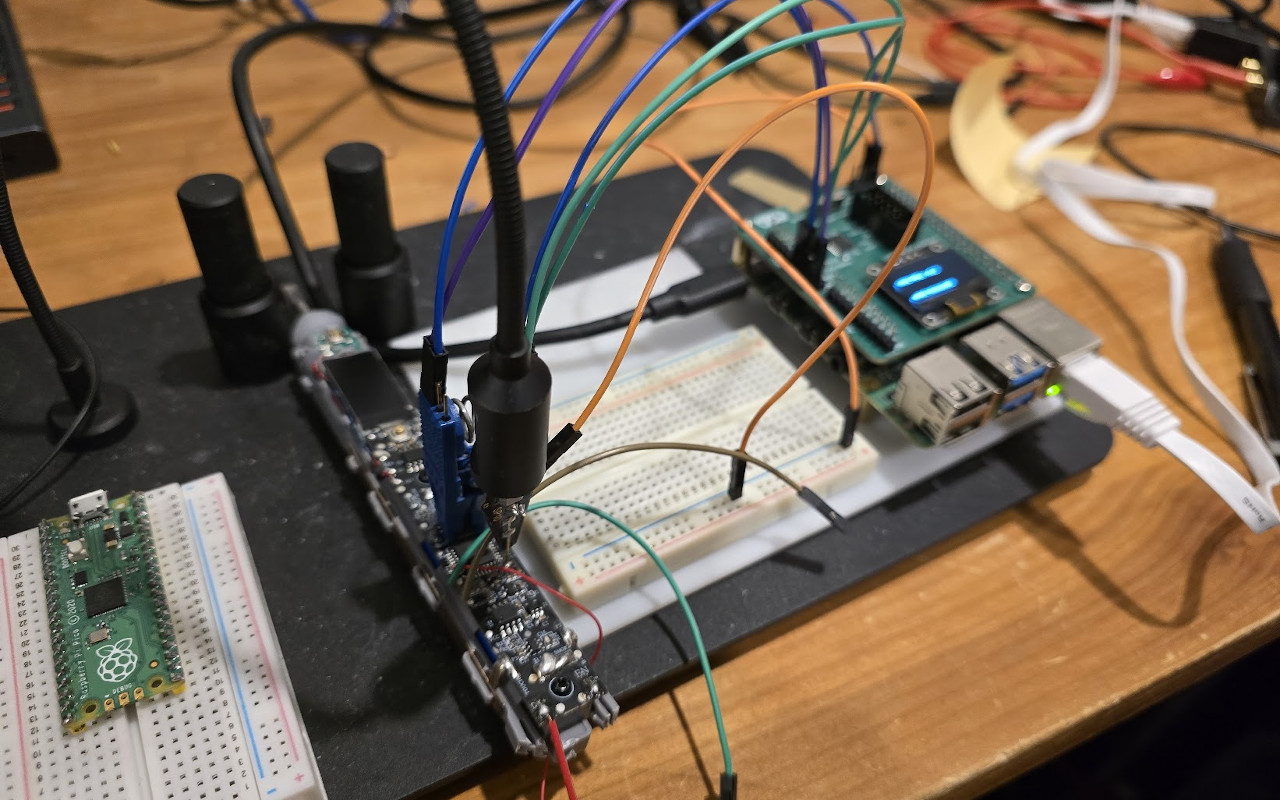
Jun
There was a time when a toothbrush was the least dramatic object in the bathroom. It had one job, no firmware, no Bluetooth, no app, no opinions about your molars, and absolutely no desire to sync with a cloud server before breakfast. Then the modern smart toothbrush arrived, wearing a tiny crown of sensors, timers, pressure alerts, motion tracking, and sometimes a screen fancy enough to make an old MP3 player feel underdressed.
That is why the phrase “A Toothbrush Hacked, In Three Parts” sounds both ridiculous and completely believable. It is funny because it is a toothbrush. It is serious because it is also a small embedded computer with memory, debugging interfaces, firmware, wireless features, and data trails. In other words, it is a perfect little classroom for understanding the Internet of Things, hardware hacking, smart device privacy, and the strange future where even your plaque-fighting wand may have a software lifecycle.
This article is not a guide to breaking into anyone’s device. Instead, it is an in-depth, practical, and slightly amused look at what a toothbrush hack teaches us: how embedded devices are built, why consumer gadgets can expose more than expected, and what everyday users should know before letting a bathroom appliance become a data-generating roommate.
Part One: Why Hack a Toothbrush at All?
The obvious answer is: because it is there. The better answer is: because a cheap electric toothbrush can be a surprisingly useful training target for hardware reverse engineering. Unlike a locked-down laptop or a high-end smartphone, a low-cost smart toothbrush is usually simple enough to inspect, but complex enough to contain real embedded systems concepts.
A typical modern electric toothbrush may contain a microcontroller, battery management circuitry, a motor driver, a charging system, buttons, LEDs or a display, flash memory, and sometimes Bluetooth connectivity. Premium models add pressure sensors, accelerometers, gyroscopes, brushing-zone detection, app pairing, and coaching features. That means the humble toothbrush can demonstrate many of the same ideas found in smart locks, wearables, toys, kitchen appliances, and fitness gadgets.
For security researchers and curious engineers, this kind of device is a low-stakes playground. Nobody is trying to steal state secrets from a brush head. The value is educational: learning how to identify chips, trace signals, read memory, understand firmware, and recognize the difference between a harmless debug port and a security design mistake.
The “three parts” framing also makes sense because hardware hacking is rarely one magical Hollywood moment. Nobody types “ENHANCE TOOTHBRUSH” into a terminal and instantly gets a dramatic green waterfall of secrets. Real device research is slower, stranger, and more physical. It involves opening plastic without destroying everything, reading tiny markings on chips, mapping test pads, connecting tools carefully, and accepting that the first discovery may be something deeply glamorous, like “this pin is ground.”
Part Two: Inside the Smart Toothbrush
The Bathroom Gadget as an Embedded Computer
At the center of many smart toothbrushes is a microcontroller, which is basically a small computer designed to run one focused job. Instead of opening browser tabs and pretending not to see software updates, it listens to buttons, controls the motor, reads sensors, manages timing, and displays feedback. If the toothbrush has a color screen, separate flash memory may store icons, animations, mode images, and other visual assets.
This is where a toothbrush becomes more than a cleaning tool. A researcher can study how the device boots, where its data lives, how images are stored, whether debugging features remain available, and whether the firmware can be read or modified. The point is not that toothbrushes are uniquely vulnerable. The point is that they are typical. They are members of the giant consumer IoT family: small devices with small margins, small batteries, and sometimes small security budgets.
Debug Ports: The Tiny Doors Manufacturers Sometimes Forget
During development, engineers need ways to test and repair a product. Debug interfaces such as UART, JTAG, or SWD can help developers inspect memory, view logs, flash firmware, and diagnose problems. These interfaces are normal in engineering. The question is what happens when the product ships.
If debug access is left enabled without proper protection, it may give a researcher deep visibility into the device. That can be useful for learning, repair, and legitimate security analysis. It can also become a risk if the same access allows unauthorized modification, extraction of sensitive data, or bypassing of intended controls.
In a learning project, identifying a debug interface is like finding the device’s diary under the mattress. The diary may contain nothing scandalous. It may simply say, “I vibrated at medium speed today.” Still, the existence of that diary teaches an important design lesson: development convenience should not become production exposure.
SPI Flash and the Mystery of the Toothbrush Graphics
Some smart toothbrushes with screens store images or interface assets in external flash memory. For a researcher, that memory can be fascinating. It may reveal how the user interface is organized, how modes are represented, and whether the device verifies what it reads before displaying it.
One of the most charming outcomes of a toothbrush hardware project is changing what appears on the screen. Replacing a mode icon or displaying a custom logo is not exactly a national emergency, but it is a wonderful demonstration of embedded systems. It shows that data has structure. It shows that storage formats can be understood. It also shows that “smart” devices are often made from very ordinary building blocks arranged in clever ways.
There is a broader security takeaway here. If a device accepts modified assets or firmware without integrity checks, that may indicate weak trust boundaries. In a toothbrush, the immediate risk may be minimal. In a medical device, industrial controller, or smart lock, similar design habits could matter much more.
Part Three: The Firmware, the Data, and the Bigger IoT Lesson
Firmware Is the Toothbrush’s Personality
Firmware is the software that tells hardware how to behave. In a toothbrush, it decides how long each mode lasts, how the motor pulses, what the display shows, how the battery is monitored, and how the device talks to an app if it has wireless features. Change the firmware, and you change the device’s personality. Suddenly “gentle clean” might become “tiny jackhammer,” which is funny in theory and probably unpopular with gums.
Modern security thinking treats firmware as a major part of product safety. Manufacturers should protect firmware from unauthorized changes, provide secure update processes, and plan support for the device’s expected life. A product that cannot be updated may become risky as vulnerabilities are discovered. A product that updates insecurely may be even worse, because it invites tampering under the polite name of maintenance.
This is why the hacked-toothbrush story matters beyond novelty. It encourages consumers and manufacturers to ask better questions. Can the device receive updates? Are updates signed? Is the app still maintained? Is data encrypted in transit? Is account login required? What happens when the company stops supporting the product? A toothbrush should not require a cybersecurity degree, but buyers should not have to rely on blind faith and minty optimism either.
The Viral Botnet Story That Was Too Perfect
In early 2024, a story spread widely claiming that millions of hacked smart toothbrushes had been used in a distributed denial-of-service attack. It sounded like the perfect internet morality tale: ignore cybersecurity, and one day your bathroom becomes a cyber army. The problem was that the story was later treated by cybersecurity reporters and experts as unsupported, confused, or hypothetical rather than a confirmed real-world attack.
That episode is useful because it shows two truths at once. First, scary cybersecurity headlines can travel faster than careful corrections. Second, even when a specific toothbrush botnet story is not real, the underlying concern about insecure connected devices is still valid. Cameras, routers, DVRs, printers, toys, and other IoT devices have been abused in real botnets. The lesson is not “panic about toothbrushes.” The lesson is “understand incentives, evidence, and risk.”
A criminal usually wants money, access, scale, or leverage. A toothbrush with only Bluetooth and no direct internet connection is not the same target as an exposed router with default credentials. That does not make smart toothbrushes magically safe. It simply means threat modeling matters. Good security begins by asking what the device can do, what it can reach, what data it collects, and what an attacker would gain.
Smart Toothbrush Privacy: Your Mouth Has Metadata
The funniest sentence in connected-device privacy might be: your toothbrush knows your habits. But it may be true. Smart toothbrush apps can track brushing duration, session timing, pressure, motion, brush head wear, chosen modes, progress goals, and sometimes gum-care information. Some systems use sensors and app-based guidance to map brushing zones, coach users in real time, and encourage better routines.
That can be genuinely helpful. Many people brush too quickly, press too hard, or miss the same areas repeatedly. Real-time feedback can improve behavior, especially for kids, people with braces, or anyone whose dental routine is best described as “chaotic but hopeful.” A smart toothbrush can turn a boring habit into a guided routine with timers, medals, progress charts, and little digital nudges.
The privacy question is whether the benefits require all the data collected. Does the app need an account? Does it share information with cloud providers or analytics partners? Can the device work without the app? Can users delete their data? Are settings understandable? Is the company clear about what is collected, why it is collected, and how long it is kept?
Consumer IoT privacy is often not about one dramatic secret. It is about small patterns. When you brush, how regularly you brush, whether you track gum bleeding, whether you use whitening or gum-care modes, whether you reorder brush heads automatically, and whether your app profile connects to a broader advertising ecosystem. One data point is boring. A long history of health-related behavior is less boring.
What Manufacturers Should Learn
Security Should Start Before the First Prototype
The best time to think about security is before the product ships, not after a researcher posts a teardown and the comment section starts flossing with sarcasm. Manufacturers should identify likely risks early, remove unnecessary debug access, protect firmware, use secure update mechanisms, minimize data collection, and test the app, device, and cloud service together.
Security is not just one feature. It is a product habit. A smart toothbrush with excellent encryption but a confusing privacy policy still has trust problems. A device with a polished app but no clear update support has lifecycle problems. A product with strong cloud security but unnecessary data collection has minimization problems. The safest design is usually the one that collects less, protects what it keeps, and explains itself clearly.
Cheap Devices Need Serious Thinking Too
Low-cost devices are everywhere, and many are perfectly useful. The problem is that bargain IoT gadgets can be hard to evaluate. They may use generic apps, reused firmware, unknown cloud services, unclear update policies, or minimal documentation. The toothbrush may cost less than dinner, but the privacy and security questions are not automatically small.
That does not mean every budget electric toothbrush is a villain twirling a mustache. It means connected features should earn their place. A simple electric toothbrush with a two-minute timer may be better for many people than a smart model that demands an account, a phone mount, permissions, and a small emotional commitment. Not every appliance needs to become a platform. Sometimes a toothbrush should aspire to brush teeth and then remain quiet, like a professional.
What Consumers Should Do Before Buying a Smart Toothbrush
Before buying a connected toothbrush, ask whether you actually need the connected features. If the answer is yes, choose a reputable brand with a clear privacy policy, active app maintenance, and understandable settings. Check whether the brush can function without constant cloud access. Use strong account security if an account is required. Keep the app updated, review permissions, and disable features you do not use.
For home networks, general IoT hygiene helps. Keep your router updated. Use a strong Wi-Fi password. Consider a separate guest network for smart devices. Remove old gadgets you no longer use. Change default passwords where possible. These habits protect more than toothbrushes; they protect the entire parade of connected things now living in modern homes.
For privacy, look for data controls. Can you delete brushing history? Can you opt out of marketing? Can you avoid sharing with third-party services? Does the app ask for location because Bluetooth pairing requires it, or because the company wants more context than a toothbrush reasonably deserves? A little skepticism is healthy. So is brushing twice a day. Conveniently, both can happen before coffee.
Why This Story Works So Well
“A Toothbrush Hacked, In Three Parts” works because it combines comedy and clarity. A toothbrush is ordinary. Hacking sounds dramatic. Put them together and you get a headline that makes people click, laugh, and then realize they are learning something real about embedded systems.
The best hardware-hacking stories make technology less mysterious. They show that smart devices are not magic. They are boards, chips, memory, wires, software, shortcuts, trade-offs, and design decisions. Once people understand that, they become better consumers and better technologists. They stop treating connected devices as sealed little miracles and start asking practical questions.
That is valuable. The future will contain more smart health gadgets, more connected wellness tools, and more household products that blend physical function with software. Some will be genuinely useful. Some will be unnecessary. Some will be secure. Some will be held together by hope, glue, and a privacy policy written in fog. Understanding a hacked toothbrush is a playful way to prepare for that future.
Experience Notes: What a Toothbrush Hack Teaches in Real Life
The most memorable experience related to a toothbrush hack is not the moment something changes on the screen. It is the moment the object stops being boring. You pick up a device that used to sit beside the sink like a sleepy plastic carrot, and suddenly you notice seams, screws, charging contacts, molded labels, tiny openings, and design choices. The product becomes a puzzle.
That shift is powerful. Everyday technology is designed to feel finished. Consumers see the smooth shell. Engineers see the compromises inside. A hardware learner sees both. Opening a toothbrush carefully, identifying components, and understanding why each part exists teaches patience. It also teaches humility, because small devices are often more carefully packed than expected. The battery is squeezed into one space, the motor into another, the waterproofing has to survive daily abuse, and the electronics must live in a damp environment where toothpaste foam behaves like an enthusiastic enemy.
One practical experience is discovering how much of “smart” is really communication between ordinary parts. A sensor records movement. The microcontroller interprets it. The display shows a result. The app turns behavior into a chart. None of that is mystical. Yet the overall effect can feel impressive. This is the same pattern behind many wearables and home gadgets: simple measurements become meaningful only when software gives them context.
Another experience is realizing that convenience has a cost. App pairing may improve coaching, but it may also create accounts, permissions, notifications, analytics, and cloud storage. A feature that seems tiny from the marketing page may require a chain of technical dependencies behind the scenes. Once you notice that pattern in a toothbrush, you start noticing it everywhere: scales, watches, speakers, thermostats, doorbells, and even light bulbs that apparently needed to join a committee before turning blue.
There is also a repair lesson. Many electric toothbrushes fail because of batteries, seals, charging issues, worn buttons, or aging brush-head mechanisms. A hacking mindset encourages people to ask whether a product can be opened, repaired, updated, recycled, or safely retired. Even when repair is not practical, the question matters. Connected products should not become electronic waste just because an app was abandoned or a server went offline.
The final experience is the best one: curiosity becomes caution without becoming fear. After studying a smart toothbrush, you do not need to throw every connected device into a lake. Please do not; the fish have enough problems. Instead, you become more selective. You appreciate useful technology, ignore gimmicks, read permissions, update software, and choose simple devices when simple devices are enough. That is the real win. The toothbrush hack is funny, but the mindset it builds is serious: understand the tools you bring into your life, especially the ones that collect data while pretending to be just another bathroom accessory.
Conclusion: The Toothbrush Was Never Just a Toothbrush
A hacked toothbrush is not a sign that civilization has gone completely off the rails, although the evidence is admittedly mint-flavored. It is a reminder that connected devices are everywhere, and every connected device has a story inside it. There is the hardware story: chips, flash memory, debug ports, and firmware. There is the privacy story: apps, habits, accounts, analytics, and health-related data. There is the consumer story: convenience, trust, repair, support, and choice.
The title “A Toothbrush Hacked, In Three Parts” captures all of that beautifully. Part one is curiosity. Part two is discovery. Part three is responsibility. Whether you are a security researcher, a gadget lover, a cautious parent, or someone who simply wants cleaner teeth without joining a data ecosystem, the lesson is the same: smart devices deserve smart questions.
Brush well. Update wisely. Read privacy settings. And when your toothbrush asks to connect to the cloud, take one thoughtful pause before saying yes.
SEO Tags
Note: This article is written for public web publishing and is based on real, publicly available information about smart toothbrush technology, hardware reverse engineering, IoT privacy, and consumer device security. It does not provide instructions for unauthorized access or misuse of devices.

