
Makeup
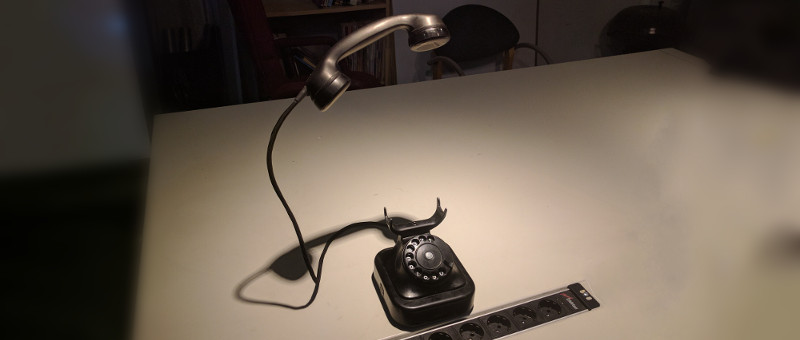
Rotary Telephone Becomes Stylish Lamp
Jun
Some objects retire quietly. Others refuse to leave the stage. The rotary telephone belongs to the second group. It spent decades sitting on hallway tables, kitchen counters, office desks, and grandparent-approved lace doilies, making that glorious mechanical click-click-click sound as people dialed phone numbers they actually had memorized. Today, the rotary phone is no longer the fastest way to call anyoneunless your goal is to confuse a teenager and summon nostalgia at the same time. But as a stylish lamp? Suddenly, this old-school communication device has excellent reception again.
The idea behind a rotary telephone lamp is simple but surprisingly charming: take a vintage telephone, preserve its sculptural body, and transform it into a functional light source. The result is part desk lamp, part conversation starter, part time machine. It fits beautifully into retro interiors, mid-century modern rooms, industrial lofts, maximalist apartments, home offices, reading corners, and anywhere that needs a little more personality than a plain beige lamp named “Model 472-B.”
More than a quirky DIY project, the rotary phone lamp represents a broader design movement: people are choosing objects with stories. Instead of filling homes with forgettable mass-produced décor, homeowners and makers are reviving vintage pieces, giving them new roles, and letting them carry a little history into modern life. The rotary telephone becomes stylish lamp because it already has what good design needs: shape, texture, nostalgia, function, and just enough weirdness to make guests say, “Wait… is that phone glowing?”
Why a Rotary Telephone Makes Such a Great Lamp
A rotary telephone has a design language that modern gadgets rarely offer. It is chunky, confident, tactile, and unapologetically physical. The curved handset, circular dial, finger stop, cradle, and coiled cord create a silhouette that is instantly recognizable. Even people who have never used one understand what it is. That is powerful visual branding, and the telephone achieved it long before anyone started saying “brand identity” in meetings while holding oat milk coffee.
When converted into a lamp, the phone’s familiar form becomes playful. The handset can appear to float above the base. A small LED source can be placed inside or near the receiver. The dial can become a dimmer, switch, or purely decorative detail. The coiled cord can remain as a sculptural element. Some designs keep the original colorblack, beige, avocado green, mustard yellow, cherry red, or 1970s orangewhile others repaint the body for a pop-art effect.
The appeal comes from contrast. A phone once used for voice communication now creates light. A machine designed for utility becomes décor. A forgotten object becomes useful again. That unexpected transformation is the magic.
The Design Story: From Household Tool to Retro Icon
Rotary telephones were once symbols of modern communication. Before touch-tone keypads and smartphones, dialing a number meant placing a finger into a numbered hole, turning the dial to the stop, and letting it return. The process was slower, but it had rhythm. You did not “tap” a number; you performed it.
That physical ritual is why rotary phones remain emotionally powerful. They remind people of home kitchens, office switchboards, old movies, family calls, and a time when phone conversations happened in one place instead of everywhere at once. No one walked through a grocery store loudly discussing their dentist appointment into a rotary phone. Society had limits. Beautiful limits.
As technology moved forward, rotary phones became obsolete for everyday communication. But obsolescence in function does not mean obsolescence in design. In fact, many objects become more interesting once they are no longer required to do their original job. A rotary telephone lamp keeps the best parts of the phonethe shape, nostalgia, and tactile charmwhile replacing its outdated purpose with a practical one.
Upcycling: The Heart of the Rotary Phone Lamp Trend
Upcycling is different from simply reusing something. Reuse means using an object again. Upcycling means giving it a better, more creative, or more valuable second life. A glass jar becomes a planter. A suitcase becomes a side table. A rotary telephone becomes a stylish lamp that looks like it belongs in a boutique hotel lobby designed by someone who owns both vintage sunglasses and strong opinions about wallpaper.
This trend connects with sustainable design because it keeps older materials in circulation. Vintage phones often have durable plastic, metal parts, sturdy bases, and beautifully engineered mechanical components. Instead of letting them gather dust in storage or end up in a waste stream, makers can transform them into lighting pieces that continue to serve a household.
That does not mean every antique phone should be modified. Rare, historically significant, or museum-quality telephones may be better preserved. But common mid-century rotary phones, especially damaged or non-working units, are excellent candidates for creative reuse. A nonfunctional phone can still become a functional lamp, which is a pretty good second act. Most of us would be thrilled with that career pivot.
What Makes a Rotary Telephone Lamp Stylish?
1. It Has Instant Personality
A normal lamp provides light. A rotary telephone lamp provides light and a backstory. It feels collected rather than purchased. It suggests that the owner has curiosity, humor, and possibly a secret drawer full of old postcards. In interior design, personality matters. Rooms that look too perfect can feel cold. A phone lamp breaks the showroom effect and makes a space feel human.
2. It Works Across Several Décor Styles
The rotary phone lamp is surprisingly flexible. In a mid-century modern room, it complements walnut furniture, tapered legs, brass accents, and geometric art. In an industrial space, it adds mechanical charm beside exposed brick, steel shelving, and Edison-style bulbs. In a maximalist room, it becomes one more delightful object in a layered collection of art, books, ceramics, and color. In a minimalist room, it can act as the one weird thing that saves the space from looking like a luxury dentist’s waiting area.
3. It Combines Sculpture and Function
Great lighting is not only about brightness. It is also about form. A lamp is visible even when switched off, so its shape matters. The rotary telephone already has sculptural quality: rounded edges, a raised cradle, circular dial, and a handset that looks almost aerodynamic. When the light source is integrated thoughtfully, the object becomes both functional and artistic.
4. It Turns Nostalgia Into Utility
Nostalgia can become clutter when it has no purpose. A box of old objects in the closet is memory storage, but not necessarily design. A rotary phone lamp gives nostalgia a job. It lets the object live in the room, participate in daily routines, and earn its space. That is the difference between “I should probably donate this someday” and “Everyone asks me where I got this lamp.”
Popular Rotary Phone Lamp Styles
The Floating Handset Lamp
One of the most eye-catching versions makes the handset appear to hover above the base. This design often uses a support hidden inside or behind the coiled cord, creating the illusion that the receiver is suspended in midair. LEDs inside or near the handset provide a glowing effect. The result is theatrical without being too serious. It looks like the phone is receiving a call from the design gods.
The Gooseneck Desk Lamp
Another common approach uses the phone base as the foundation for a flexible gooseneck lamp. The light extends upward from the body of the phone, often from the area where the handset once rested. This version is practical for desks, reading nooks, and bedside tables because the light can be directed where needed. It is less illusionistic than the floating style but often more useful for everyday task lighting.
The Receiver Glow Lamp
Some designs hide the light inside the handset itself. The receiver becomes the glowing element, sometimes with small LEDs placed where the speaker and microphone openings used to be. This approach preserves the original look of the phone and creates a subtle, atmospheric light. It is best as accent lighting rather than the main light source for a room.
The Pop-Art Phone Lamp
Brightly painted rotary phonesred, blue, pink, yellow, or orangemake excellent statement lamps. These pieces lean into fun rather than historical accuracy. They pair well with colorful interiors, creative studios, kids’ reading corners, and retro-themed spaces. A hot-pink rotary phone lamp may not whisper, but honestly, why should it?
LED Lighting Makes the Conversion Smarter
Modern LED lighting is one reason rotary telephone lamps are more practical today than they would have been decades ago. LEDs are compact, efficient, and available in many color temperatures and shapes. They also produce less heat than traditional incandescent bulbs, which is especially important when working with vintage plastic phone bodies.
Warm white LEDs usually work best for a nostalgic lamp because they create a cozy glow. Cool white LEDs can look too clinical, as if the phone is about to perform minor surgery. For a desk lamp, a brighter LED may be useful. For a decorative accent, a softer light is more appropriate. The best designs match the brightness to the lamp’s purpose instead of trying to turn a rotary phone into a lighthouse.
Safety Comes Before Style
A rotary telephone lamp may be charming, but electricity is not a place for guesswork. Any vintage object converted into a lamp should use safe, modern electrical components. That includes quality wiring, proper insulation, strain relief, stable mounting, and a power supply suited to the lighting system. Low-voltage LED systems are often preferred by makers because they can reduce heat and simplify the design, but they still require care.
If a lamp will be sold, gifted, or used daily, professional electrical evaluation is wise. A beautiful lamp with questionable wiring is not “quirky”; it is a future incident report wearing a cute hat. Buyers should look for clear product details, safe components, and evidence that the maker understands lighting safety. If a vintage lamp smells hot, flickers strangely, has exposed wiring, or uses damaged cords, unplug it and do not keep using it.
Collectors shopping online should read descriptions carefully. Ask whether the lamp has been rewired, what type of bulb or LED system it uses, whether it is intended for decorative or task lighting, and whether the switch and cord are new. A good seller will not be offended by safety questions. In fact, responsible makers usually appreciate customers who care about more than just the object’s Instagram potential.
Where a Rotary Telephone Lamp Looks Best
Home Office
A rotary telephone lamp belongs naturally on a desk. It nods to communication history while lighting modern work. Place it beside a laptop, notebook, or stack of design books, and it instantly softens the digital atmosphere. It also creates a funny contrast: one device connects to everything on earth; the other once required patience, a wall jack, and possibly yelling, “I’m on the phone!”
Reading Corner
A cozy chair, a small side table, and a rotary phone lamp can create a reading spot with character. Choose a warm LED and position the light so it supports reading without glare. Add a wool throw, a small bookshelf, and a cup of tea, and suddenly the corner looks like it has a novel to recommend.
Entryway Table
Entryways are perfect places for conversation pieces. A phone lamp near the front door gives guests something to notice immediately. It also works well with mirrors, trays, framed photos, and vintage art. In a narrow hallway, the phone lamp can provide a warm welcome without needing a large fixture.
Bedroom Nightstand
A rotary telephone lamp on a nightstand feels cozy and theatrical. It works especially well in rooms with vintage bedding, patterned wallpaper, mid-century furniture, or moody paint colors. Just make sure the lamp is stable and the switch is easy to reach. No one wants to wrestle with a decorative phone at midnight like it owes them money.
Retail or Café Display
Small businesses can use rotary phone lamps to create memorable interiors. A café, bookstore, barbershop, record store, or boutique can use one as a counter accent. It adds warmth, gives customers something to photograph, and supports a brand identity that feels curated rather than generic.
How to Choose the Right Rotary Phone for a Lamp
The best phone for conversion depends on the desired look. A black rotary phone creates a classic, film-noir mood. Beige phones feel warm and domestic. Brightly colored phones are playful and graphic. Bakelite and early plastic models can look especially rich, though some older units may be more collectible and should be evaluated before modification.
Condition matters, but perfection is not always necessary. A few scuffs can add character. Cracks, missing structural parts, or brittle plastic are more serious. The base should be stable enough to support the lamp design. The handset should be intact if it will be used as a lighting element. The dial should move smoothly if the design uses it as an interactive feature.
For buyers, it is smart to decide whether you want an authentic vintage piece or a vintage-inspired lamp. Authentic conversions have more character, but they may vary in finish and condition. Vintage-inspired designs may be more uniform and easier to match with a specific décor plan. Both can work, as long as the final piece feels intentional.
The Rotary Dial as a Design Feature
The dial is the soul of the rotary telephone. It is also the part people most want to touch. Some lamp designs keep it decorative, preserving the original look. Others turn the dial into an interactive control, allowing it to switch the light on, adjust brightness, or trigger different lighting effects. This is where the project moves from simple upcycling into maker culture.
Interactive rotary phone lamps are especially appealing because they preserve the original gesture of dialing. Instead of dialing a number, the user dials light. That small shift feels clever and poetic. It connects the object’s past function to its new one without erasing its identity.
Why This Trend Fits Modern Interior Design
Contemporary interiors are moving away from spaces that look copied and pasted. People want homes that feel personal, layered, and lived-in. Vintage lighting, handmade objects, thrifted pieces, and upcycled décor all support that direction. A rotary telephone lamp fits perfectly because it is not just another accessory. It has a story, a silhouette, and a wink.
It also satisfies the desire for contrast. Many modern homes are filled with flat screens, smooth cabinets, wireless devices, and quiet surfaces. A rotary phone introduces mechanical texture. It has holes, curves, a cord, and a dial that physically moves. In a world where everything is becoming invisible and frictionless, a rotary phone lamp says, “What if the past had better knobs?”
Buying vs. Making: Which Is Better?
Buying a finished rotary telephone lamp is the easiest route for most people. It saves time, reduces electrical uncertainty, and often provides a more polished result. Online marketplaces, vintage shops, and independent makers offer many styles, from simple desk lamps to elaborate art pieces. Prices vary depending on the phone model, condition, craftsmanship, lighting system, and whether the piece is handmade or restored.
Making one can be rewarding for people who enjoy restoration, design, and electronics. However, it should not be treated like a casual glue-and-glitter project. The safest DIY approach is to use appropriate lamp components, avoid overheating, keep wiring secure, and consult someone qualified if there is any doubt. A rotary phone lamp should be fun, not a dramatic lesson in household electrical safety.
Common Mistakes to Avoid
Using Too Much Light
A rotary telephone lamp is usually best as accent or task lighting, not room-flooding illumination. If the light is too bright, the charm disappears and the phone starts looking like it is being interrogated.
Ignoring Scale
Rotary phones are visually substantial. On a tiny table, they can look crowded. On a large desk or console, they feel intentional. Give the lamp enough breathing room so its shape can be appreciated.
Overdecorating Around It
The phone lamp already has personality. Surrounding it with too many other novelty objects can make the area look chaotic. Pair it with simpler pieces: a framed print, a stack of books, a ceramic dish, or a plant.
Forgetting Safety
Never assume that a converted vintage object is automatically safe because it turns on. Check the cord, plug, switch, heat level, and stability. Style is important, but not more important than avoiding sparks where sparks do not belong.
Experience: Living With a Rotary Telephone Lamp
The first thing you notice about a rotary telephone lamp is that people cannot ignore it. Place one on a desk, and visitors drift toward it as if it has gravity. They touch the dial. They lift the handset. They smile before they even ask a question. That reaction is part of the value. The lamp does not simply decorate a room; it activates memory.
In a home office, the lamp changes the mood of the workspace. Most desks today are dominated by screens, chargers, keyboards, and devices that become outdated approximately nine minutes after purchase. A rotary phone lamp adds warmth and humor. It reminds you that technology used to be slower, heavier, and strangely more elegant. When the light glows from the receiver or rises from the phone base, the desk feels less like a productivity station and more like a personal studio.
In the evening, the lamp works best as a mood piece. It gives off enough light to soften a corner, highlight a stack of books, or make a side table feel intentional. It is not the lamp you use to find a lost contact lens. It is the lamp you turn on when the room needs atmosphere. Warm LED light makes the vintage body feel richer, especially if the phone is black, cream, red, or orange. The glow catches the curves of the handset and dial, making the object look almost cinematic.
There is also a pleasant irony in using a phone lamp beside a smartphone charger. The old phone sits there like a wise ancestor, silently judging the glowing rectangle that replaced it. The smartphone may have apps, maps, banking, cameras, and endless notifications, but the rotary phone has presence. It does one thing nowlightingand does it with theatrical flair.
Another experience worth mentioning is how well the lamp starts conversations across generations. Older guests often tell stories about party lines, long-distance calls, kitchen phones, office phones, or the sound of a real bell ringing through the house. Younger guests may ask how the dial worked, then immediately try it and discover that dialing took effort. This is healthy. Everyone should occasionally learn that communication once required finger strength.
From a decorating perspective, the lamp teaches a useful lesson: one memorable object can do more than five generic accessories. A room does not need to be packed with vintage items to feel interesting. One rotary telephone lamp on a clean table can set the tone. It says the room has a sense of humor, an appreciation for design history, and no fear of being a little different.
The best placement experience comes from treating the lamp as both lighting and sculpture. Do not hide it in a crowded corner. Give it a visible surface. Let the cord, dial, and handset be seen. Pair it with materials that respect its age: wood, brass, linen, ceramic, leather, or textured paper. A rotary phone lamp next to a plastic storage bin looks confused. Next to a walnut desk or a stack of vintage books, it looks like it has been waiting there all along.
Over time, the lamp becomes less of a novelty and more of a signature piece. You may stop noticing it every day, but guests will not. It becomes part of the home’s identity, the object people remember after they leave. That is the real success of the rotary telephone lamp: it turns an outdated tool into a useful, beautiful, and emotionally resonant piece of modern décor. Not bad for a phone that can no longer call anyone.
Conclusion
The rotary telephone becomes stylish lamp because it combines nostalgia, sustainability, craftsmanship, and practical design. It takes an object once built for communication and gives it a new purpose as lighting, sculpture, and conversation piece. Whether bought from a skilled maker or carefully created as a personal project, a rotary phone lamp can add character to a room in a way ordinary lighting rarely does.
Its charm lies in the balance between old and new. The body belongs to another era, but the light belongs to today. The dial recalls slow communication, while LEDs offer efficient illumination. The phone is familiar, but its new role is surprising. That blend makes the rotary telephone lamp more than a novelty. It is a small design rebellion against boring interiors, disposable décor, and objects without stories.
Note: This article is based on synthesized public information from reputable U.S. and design-focused sources covering telephone history, vintage lighting, upcycling, LED efficiency, home décor trends, and portable lamp safety. No source links or citation markers are included in the article body to keep the HTML clean for publishing.

