
Beauty Unlocked
How to Use a Shower Steamer: 2 Quick & Easy Steps
Jun
Some self-care rituals require candles, playlists, robe selection, and the emotional stamina of someone preparing for a luxury spa retreat. A shower steamer is not one of them. This tiny fizzy tablet is the low-maintenance cousin of the bath bomb: drop it in the shower, let warm water wake it up, and suddenly your bathroom smells like you have your life together.
If you have ever wondered how to use a shower steamer without wasting it, melting it too fast, or accidentally sending it straight down the drain like a dramatic little bath meteor, you are in the right place. The process is wonderfully simple, but placement matters. A shower steamer works best when it gets damp enough to fizz and release fragrance, but not so soaked that it dissolves before your shampoo has even joined the party.
This guide explains how to use a shower steamer in 2 quick and easy steps, plus how to choose the right scent, make it last longer, avoid common mistakes, and turn an ordinary rinse into a mini aromatherapy shower experience. No bathtub required. No complicated equipment. No spa receptionist asking if you would like cucumber water. Just you, steam, scent, and five minutes of peace.
What Is a Shower Steamer?
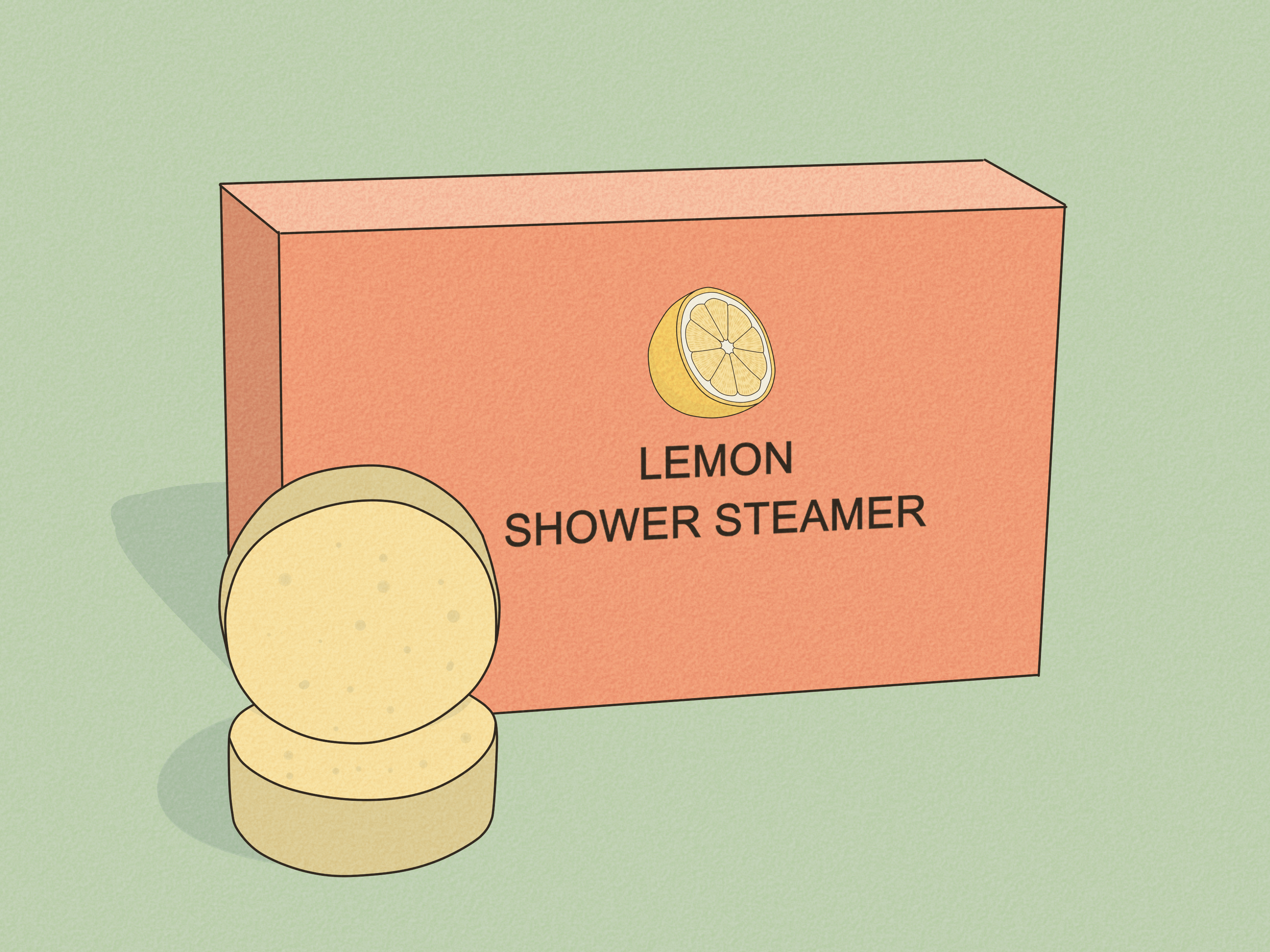
A shower steamer, also called a shower bomb, shower fizzer, or aromatherapy shower tablet, is a compact tablet designed to dissolve slowly when exposed to water and steam. Most are made with ingredients such as baking soda, citric acid, fragrance, menthol, essential oils, or botanical extracts. When water hits the tablet, it fizzes and releases scent into the warm air.
Unlike bath bombs, shower steamers are not usually meant to soak with your skin in a tub. They are made for inhaled aroma, not full-body immersion. That difference is important. Bath bombs often contain skin-conditioning oils, butters, colorants, or moisturizing ingredients. Shower steamers are usually formulated to release fragrance into steam and may be too concentrated or slippery for bathwater unless the product label specifically says otherwise.
Think of a shower steamer as a tiny scent engine for your shower. Warm water activates it, steam carries the aroma, and your bathroom becomes a temporary wellness cave. A very clean cave, hopefully.
How to Use a Shower Steamer: 2 Quick & Easy Steps
Step 1: Place the Shower Steamer Where It Gets Splashed, Not Soaked
Before turning your shower into a eucalyptus-scented cloud, choose the right location. Place the shower steamer on the shower floor, a built-in ledge, a soap dish, or a shower steamer tray. The best spot is near the water stream, but not directly under heavy running water unless the product instructions say to do so.
For most shower steamers, the sweet spot is where droplets can reach the tablet occasionally. This allows it to fizz slowly and release aroma throughout the shower. If you put it directly under the full force of the showerhead, it may dissolve too quickly. If you hide it in a dry corner where water never reaches, it may sit there like a tiny scented paperweight, judging your technique.
Here is a simple placement rule: if your shower steamer disappears in two minutes, move it farther from the stream next time. If it barely fizzes, move it a little closer. Your shower layout, water pressure, tablet size, and shower length all affect how fast it dissolves.
If you have a walk-in shower, try placing the steamer at the edge of the spray zone. If you have a tub-shower combo, set it on the far side of the tub floor where it catches splashes. If your shower floor slopes aggressively toward the drain, use a small soap dish, mesh steamer pouch, or corner shelf to keep the tablet from sliding away like it has somewhere better to be.
Step 2: Turn On Warm Water, Let It Fizz, and Breathe Normally
Once the steamer is placed, turn on warm water and let the shower build steam. Warm water helps the tablet activate and helps carry the scent through the shower air. You do not need to blast the water as hot as a dragon’s sneeze. A comfortably warm shower is enough.
As the tablet gets damp, it will begin to fizz and release fragrance. Step into the shower, continue your normal routine, and breathe naturally. You do not need to lean over the steamer or inhale dramatically like a perfume commercial in a thunderstorm. Just let the steam do the work.
For a stronger aroma, close the bathroom door and keep the shower curtain or glass door mostly closed. This helps trap steam and scent inside the shower area. For a lighter aroma, keep the shower slightly more ventilated. If the scent feels too strong, move the steamer farther from the water or remove it from the shower and place it somewhere dry.
That is the whole method: place it well, activate it with warm water, and enjoy the scented steam. Two steps, zero mysteries, and only a small chance you will start referring to your bathroom as “the spa wing.”
Where Should You Put a Shower Steamer?
The best place for a shower steamer depends on how quickly you want it to dissolve. Direct water contact creates a stronger burst of scent but shortens the steamer’s life. Light splashing creates a slower release and usually gives you a longer aromatherapy shower.
For a quick, intense shower, place the steamer closer to the stream. This works well for strong menthol, peppermint, eucalyptus, or citrus steamers designed for a bold wake-up effect. For a slower spa-style shower, place it farther away where water reaches it gradually. This works especially well with lavender, chamomile, vanilla, sandalwood, rose, or other relaxing scents.
Avoid placing the steamer directly over the drain. Not only can it dissolve too quickly, but small pieces may wash away before you get the full aroma. Also avoid placing it where you might step on it. A wet shower steamer can become crumbly or slippery, and your relaxing spa moment does not need a surprise skating routine.
How Long Does a Shower Steamer Last?
Most shower steamers last for one shower, but the exact time depends on size, density, ingredients, placement, and water pressure. A small tablet placed directly under running water may dissolve in a few minutes. A larger tablet placed at the edge of the water stream may last through a 10- to 20-minute shower. Some extra-large or dense steamers may even last for more than one shower if they are kept mostly out of direct water.
If you want to make a shower steamer last longer, use less direct water. Put it on a ledge, shelf, soap dish, or reusable steamer tray. You can also briefly wet the steamer, then move it away from the spray so it continues releasing scent more slowly. After the shower, let any remaining piece dry completely before using it again.
However, do not store a wet steamer in an airtight container immediately after use. Trapping moisture can make it mushy or reduce its fizzing power. Let it dry in an open, well-ventilated spot first. Shower steamers like dry storage. They are basically tiny divas with chemistry degrees.
Best Shower Steamer Scents and When to Use Them
Choosing the right shower steamer scent is half the fun. The best one depends on your mood, the time of day, and whether you want to feel energized, relaxed, refreshed, or simply less like a person who answered emails before breakfast.
Eucalyptus and Menthol
Eucalyptus and menthol shower steamers are popular for a crisp, cooling, spa-like experience. Many people like them during cold-weather months, after workouts, or when they want a clean, refreshing shower. These scents can feel strong, so start with one tablet and keep the bathroom ventilated if you are sensitive to intense aromas.
Lavender and Chamomile
Lavender and chamomile are classic evening choices. They are often used in calming aromatherapy products and pair well with nighttime routines. A lavender shower steamer before bed can make a basic rinse feel like a gentle transition from “productive adult” to “blanket burrito.”
Citrus
Orange, lemon, grapefruit, and bergamot scents are bright and energizing. They are great for morning showers, post-gym refreshes, or days when coffee alone is doing its best but clearly needs backup.
Peppermint and Spearmint
Minty steamers feel cool and invigorating. They work well after a sweaty workout or during hot weather. Peppermint can be powerful, so avoid placing mint steamers too close to your face, and be cautious if strong scents bother your eyes, nose, or breathing.
Vanilla, Rose, and Sandalwood
Warm, floral, and woody scents are ideal for slow, cozy showers. These are less about waking up and more about pretending you live in a boutique hotel where towels fold themselves.
Common Mistakes to Avoid
The most common mistake is putting the shower steamer directly under heavy water when it is not designed for that. It may dissolve too fast, leaving you with a lovely thirty-second scent burst and then nothing but regret. Another mistake is placing it too far from the water, where it cannot activate. A shower steamer needs moisture and steam to work.
Do not use a shower steamer as a bath bomb unless the label says it is safe for bath use. Shower steamers can contain higher fragrance loads, menthol, or ingredients intended for vapor release rather than soaking. Likewise, do not rub a standard shower steamer directly on your skin unless the product is specifically labeled as a body-safe shower bomb or cleanser.
Do not leave unwrapped steamers in a humid bathroom for long periods. Moisture in the air can weaken the fizz before you even use them. Store them in a cool, dry place, ideally in their original packaging or an airtight jar once fully dry. Keep them away from children and pets, because they may look like candy or treats, and they are absolutely not snacks. Even if they smell like a lemon cupcake, they are bathroom chemistry, not dessert.
Are Shower Steamers Safe?
Shower steamers are generally simple to use, but they should still be treated like fragranced personal-care products. Read the product label before use, especially if the steamer contains essential oils, menthol, camphor, colorants, or botanical ingredients. Fragrance and essential oils can irritate sensitive skin, eyes, or airways in some people.
If you have asthma, chronic respiratory issues, migraines triggered by scent, allergies, pregnancy concerns, or very sensitive skin, choose mild scents and use shower steamers cautiously. Stop using the product if you notice coughing, wheezing, dizziness, headache, rash, burning, or eye irritation. When in doubt, ask a healthcare professional before using strong essential-oil or menthol products.
Pets can also be sensitive to essential oils and strong fragrances. Keep pets out of the bathroom during use, and store shower steamers where they cannot chew or lick them. Children should use shower steamers only with adult supervision, and products with strong menthol or camphor scents may not be appropriate for young children unless the label clearly says so.
Finally, rinse the shower floor after use if the product leaves residue. Some steamers contain oils, clays, or colorants that can make surfaces slick or leave a film. A quick rinse keeps your shower clean and helps prevent slips. Self-care is wonderful; surprise acrobatics are less wonderful.
How to Make a Shower Steamer Smell Stronger
If your shower steamer smells too faint, first check its placement. Move it slightly closer to the water stream so it fizzes more actively. You can also let warm water run for a minute before stepping in to build steam. Closing the shower door or curtain helps keep the fragrance concentrated.
Another trick is to splash the steamer briefly at the beginning of your shower, then move it out of the direct stream. This gives it an aromatic jump-start without melting it immediately. If the scent is still weak, the product may be old, poorly stored, or lightly fragranced by design. Shower steamers lose power when exposed to humidity, so storage matters.
For the strongest aroma, choose steamers with scents known for intensity, such as eucalyptus, peppermint, menthol, citrus, rosemary, or lemongrass. Softer scents like vanilla, chamomile, and rose may feel more subtle, especially in large or highly ventilated bathrooms.
Can You Use a Shower Steamer Without a Hot Shower?
Yes, but warm water works better. Shower steamers rely on moisture and steam to release fragrance into the air. A cool shower can still activate the fizz, but the scent may not spread as well. If you prefer cooler showers, wet the steamer briefly with warm water first, or place it closer to the water stream so it dissolves enough to release aroma.
You can also use a steamer during a short warm pre-rinse, then lower the water temperature. This gives you the scent boost without spending the entire shower in hot water. It is a practical compromise for people who like aromatherapy but do not want to emerge from the bathroom looking like a steamed dumpling.
How Often Should You Use Shower Steamers?
You can use a shower steamer whenever you want to add fragrance to your shower, as long as your skin, nose, and lungs tolerate it well. Some people use one daily; others save them for stressful evenings, early mornings, workout recovery, seasonal congestion feelings, or weekend “do not disturb” showers.
If you are new to shower steamers, start with occasional use and milder scents. This helps you learn what fragrance strength you enjoy. Strong essential-oil blends can feel amazing to one person and overwhelming to another. Your bathroom, your nose, your rules.
Shower Steamer vs. Bath Bomb: What Is the Difference?
Both shower steamers and bath bombs fizz when they meet water, but they are designed for different environments. A bath bomb is made to dissolve in bathwater while you soak. It may include moisturizing oils, butters, salts, colors, and skin-softening ingredients. A shower steamer is made to sit on the shower floor or ledge and release aroma into steam.
Because shower steamers are not usually intended for soaking, they may contain more concentrated fragrance or ingredients that could irritate skin if used incorrectly. Meanwhile, bath bombs may contain oils that can make a shower floor slippery. Use each product as directed. Your tub and shower have separate personalities; let them have boundaries.
Extra Tips for a Better Aromatherapy Shower
For a more relaxing experience, clear clutter from the shower before you begin. A shower steamer feels less luxurious when it is fizzing next to three nearly empty shampoo bottles and a razor from the previous presidential administration.
Use warm lighting if your bathroom allows it, play soft music, and choose a scent that matches the moment. Citrus and mint are great for mornings. Lavender and chamomile suit evening showers. Eucalyptus and menthol are ideal when you want a crisp, refreshing feel. After the shower, rinse any residue, let the bathroom air out, and store unused steamers away from humidity.
Small details make the ritual better. Keep a dedicated steamer dish in the shower. Rotate scents by mood. Use stronger scents for quick showers and softer scents when you want to linger. Over time, you will figure out your personal formula for the perfect shower steamer routine.
Personal Experience: What Using Shower Steamers Really Feels Like
The first time I used a shower steamer, I made the classic beginner mistake: I placed it directly under the showerhead like I was launching a science experiment. It fizzed with impressive enthusiasm, smelled fantastic for about ninety seconds, and then vanished down the drain with the confidence of a magician leaving the stage. Technically, I used it correctly enough to smell it. Practically, I paid for a luxury shower and received a scented commercial break.
The second attempt was much better. I placed the steamer near the edge of the water stream, where it caught splashes instead of a full waterfall. That changed everything. The tablet fizzed slowly, the scent lasted through the whole shower, and the bathroom filled with a clean eucalyptus aroma that made my ordinary Tuesday feel slightly less like a Tuesday. I still had chores to do afterward, but for ten minutes, I was a relaxed person with excellent taste in steam.
One of the best things about shower steamers is how quickly they create a sense of routine. A citrus steamer in the morning can make waking up feel brighter, especially when the alarm clock has behaved like a personal enemy. A lavender steamer at night can signal that the workday is over, the inbox can wait, and nobody needs to solve life’s major problems while conditioning their hair. The scent becomes a cue. Your brain starts to understand: this is the part where we slow down.
I have also learned that stronger is not always better. Menthol and peppermint steamers can be wonderfully refreshing, but in a small bathroom they may feel intense. A little distance from the water stream helps control the scent. Softer blends, such as vanilla, rose, or chamomile, often need a bit more steam to shine. Shower steamers are surprisingly customizable once you stop treating them like “drop and hope” products.
Another practical lesson: storage matters more than people think. Leaving steamers unwrapped in a humid bathroom can make them weak before use. The best results come from keeping them dry until shower time. A sealed jar, drawer, or linen closet works well. It is also smart to keep them away from curious kids and pets, because many steamers look like pastel candy. They smell delicious, but they belong in the shower, not in anyone’s mouth.
My favorite way to use a shower steamer now is simple: start the warm water, place the steamer on a soap dish near the spray, close the curtain, and give the bathroom a minute to steam up. Then I step in and continue a normal shower. No complicated spa routine. No special breathing technique. No need to whisper “wellness” into the mist. The steamer just turns a daily task into a small sensory reset.
That is the real appeal. A shower steamer does not transform your life, organize your closet, or make Monday emails less weird. But it does make a regular shower feel more intentional. It adds a pleasant scent, a little fizz, and a tiny moment of luxury without requiring a bathtub, a big budget, or an hour of free time. Sometimes that is enough. Sometimes the best self-care is not dramatic. Sometimes it is just a fizzy tablet on the shower floor doing its best.
Conclusion
Learning how to use a shower steamer is refreshingly easy: place it where it gets splashed but not drowned, then let warm water and steam release the fragrance. That is all it takes to turn a normal shower into a quick aromatherapy experience.
For the best results, choose the right scent for your mood, adjust placement based on how fast the steamer dissolves, and store unused tablets in a dry place. Avoid using shower steamers as bath bombs unless the label says they are safe for bathing, and be cautious with strong essential oils if you have fragrance sensitivities, asthma, allergies, or pets nearby.
Used correctly, a shower steamer is one of the simplest upgrades you can add to your daily routine. It is affordable, easy, compact, and delightfully low effort. In other words, it is self-care for people who want the spa feeling without scheduling a spa appointment, finding parking, or pretending tiny cucumber slices are a meal.
Note: This article is for general informational purposes only. Always follow the specific instructions on your shower steamer package, and discontinue use if irritation or discomfort occurs.

